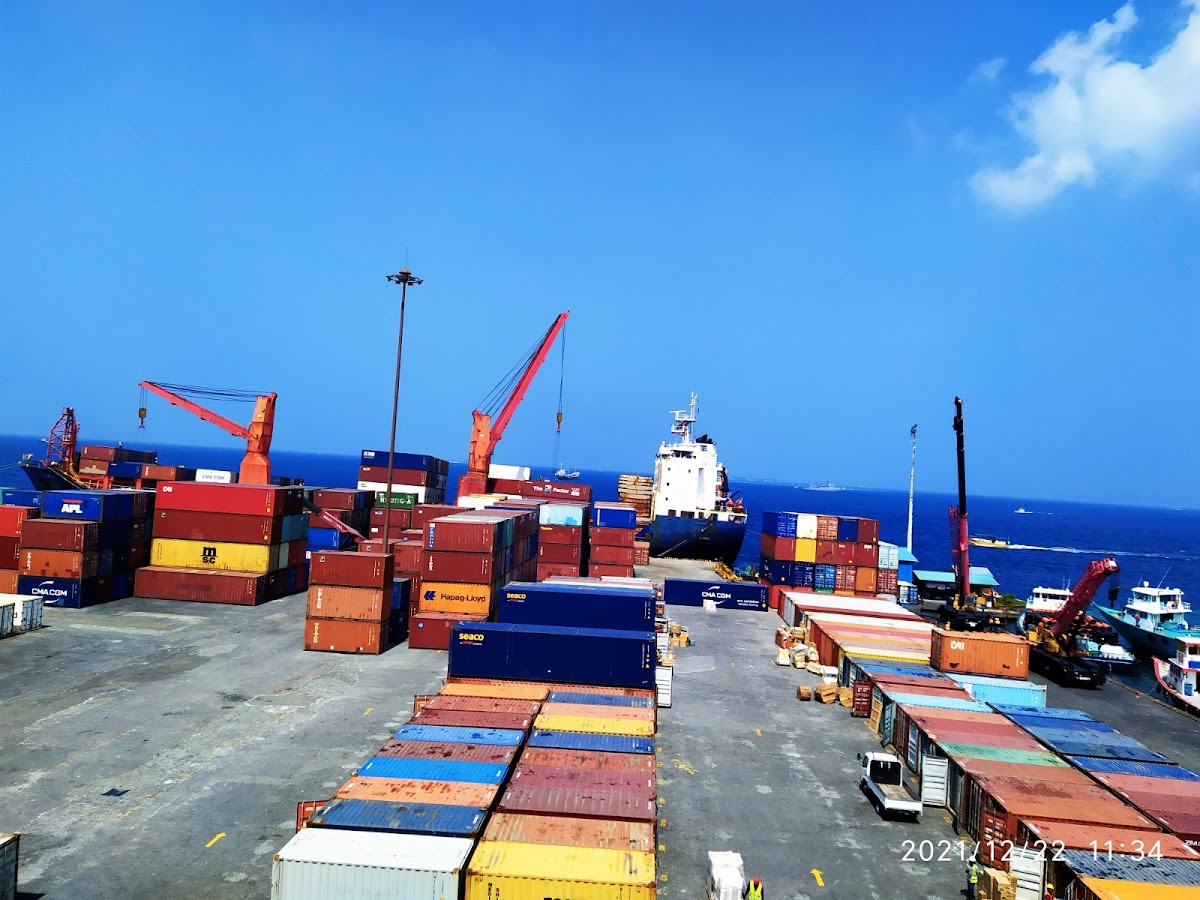
Maldives
Cruises to Malé
Malé swaps private-island fantasy for a dense, visual port day of tuna markets, coral-stone mosques, quick history, and city swimming.
Upcoming visits
5
Best fare
$431 per night
Malé swaps private-island fantasy for a dense, visual port day of tuna markets, coral-stone mosques, quick history, and city swimming.
Find Malé on Google Maps before you plan the port day.
Malé is not the slow, private-island version of the Maldives. It is denser, louder, and more interesting in a street-level way: tuna moving through the fish market, coral-stone mosque details, museum cases full of cowrie currency and lacquerware, and locals cutting through public squares. For a cruise passenger, that is the point. This port is best treated as a compact culture day with an optional swim, not a mission to chase every blue-water fantasy the country can produce.
The smartest plan is to pick two or three anchors and leave space for texture. Start with the fish market if your timing is right, pair it with Hukuru Miskiy from the outside, then decide whether you want history indoors, a public beach reset, or a quieter architecture stop. Malé rewards curiosity more than speed. The places below are not massive time sinks, but they are specific, visual, and grounded in everyday city life, which makes the port feel different from the ship by the first hour.
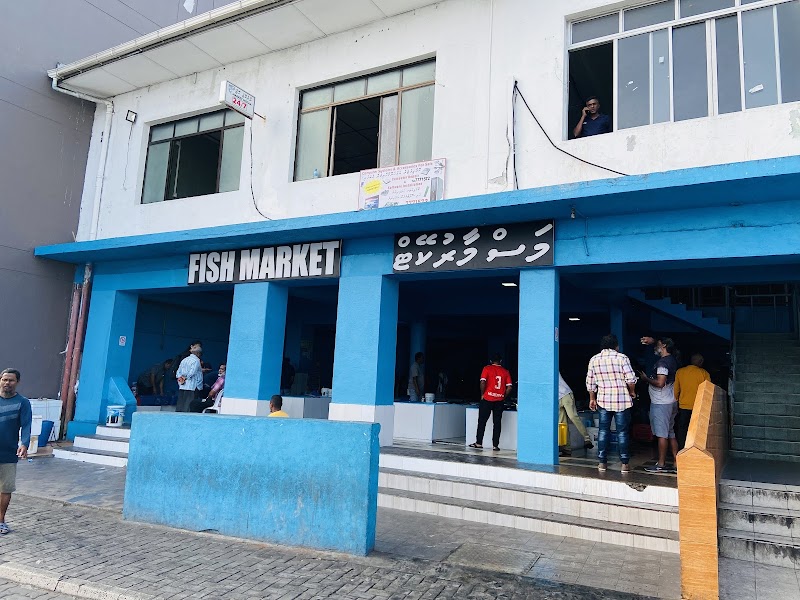
The Malé Fish Market is the day at its most sensory: tuna arriving, seafood changing hands, and a pace that feels more like work than performance. If your call lines up with morning action, put it first before the city gets in your way. This is not a polished food-hall moment, and that is exactly why it matters. Photographers, food-curious travelers, and anyone bored by souvenir-only port stops should prioritize it. If smells, crowds, or wet floors are not your thing, make it a quick pass rather than the center of the day.
The fish market is the most distinctive start if your timing lines up with the morning action.
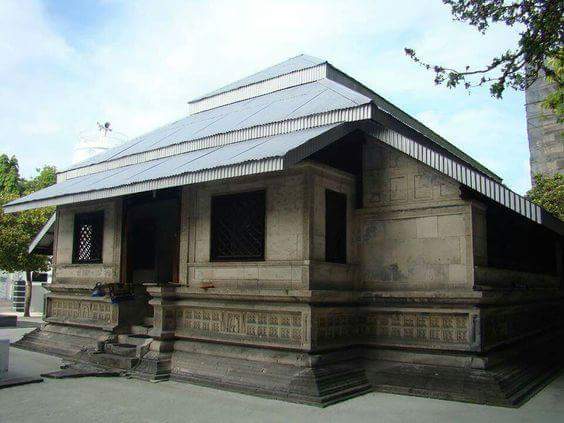
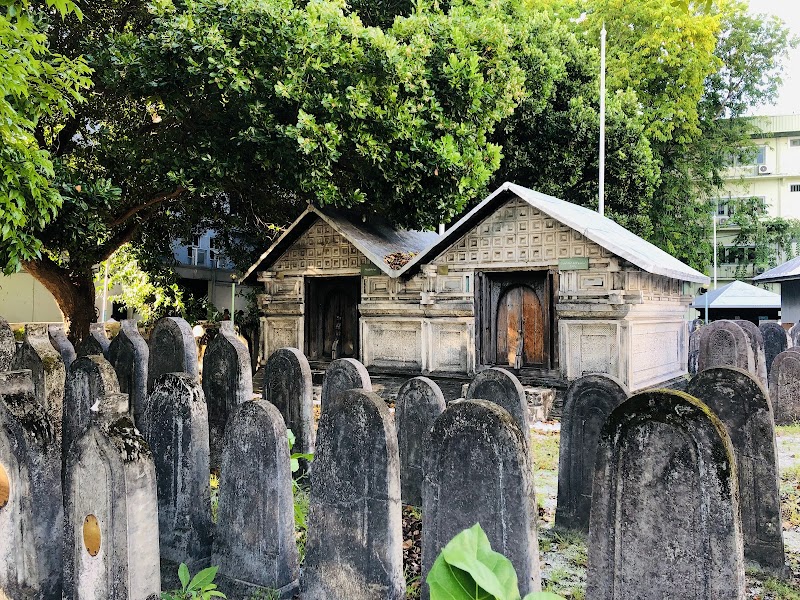
Hukuru Miskiy, also known as the Grand Friday Mosque, gives Malé its sharpest architectural moment. The mosque dates to the 17th century and is built from coral, with carved detail that rewards slowing down even if you are only viewing it from outside. Non-Muslim visitors cannot enter, so treat this as an exterior architecture stop rather than a tour you can fully access. It fits travelers who like heritage without a long museum commitment. Pair it with another history-focused stop for a tight, respectful culture route.
Chaotic tuna auctions at dawn. Fresh seafood frenzy. Authentic Maldivian life.
17th-century coral mosque, oldest in Maldives. Intricate carvings, no entry for non-Muslims. Architectural icon.
Artifacts from Buddhist era to sultanates. Cowrie currency, lacquerware. Quick history lesson.
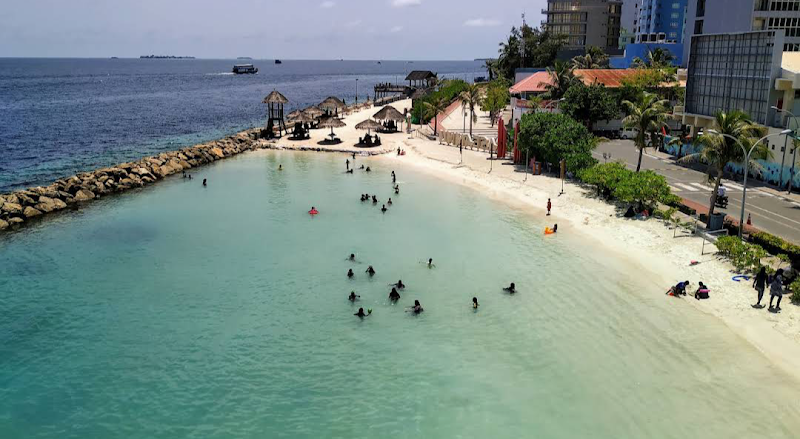
Public beach for swimming in city. Sunset picnics. Urban relaxation.
Current sailings visiting this port, sorted by the lowest tracked cabin price per night.
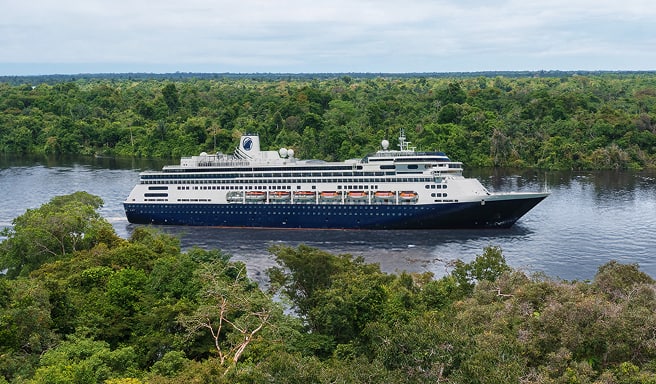
Built 1999
Fort Lauderdale · Panama Canal · Manta · Lima · Easter Island · Tahiti · Moorea · Bora Bora · Apia · Savusavu · Fiji · Lifou · Nouméa · Sydney · Airlie Beach · Townsville · Darwin · Bali · Surabaya · Semarang · Singapore · Kuala Lumpur · Penang · Phuket · Hambantota · Colombo · Malé · Port Louis · Réunion (Le Port) · Port Elizabeth · Cape Town · Lüderitz · Walvis Bay · Jamestown · Banjul · Dakar · Praia · Mindelo · Tenerife · Gran Canaria · Lanzarote · Casablanca · Lisbon · Porto · Bilbao · Bordeaux · Cherbourg · Rotterdam · Oslo · Copenhagen · Aarhus · Dover · San Juan
Built 1999
Singapore · Kuala Lumpur · Penang · Phuket · Hambantota · Colombo · Malé · Port Louis · Réunion (Le Port) · Port Elizabeth · Cape Town
Built 1999
Sydney · Airlie Beach · Townsville · Darwin · Bali · Surabaya · Semarang · Singapore · Kuala Lumpur · Penang · Phuket · Hambantota · Colombo · Malé · Port Louis · Réunion (Le Port) · Port Elizabeth · Cape Town
Built 1999
Fort Lauderdale · Barbados · Devil's Island · Icoaraci · Recife · Rio · Montevideo · Buenos Aires · Port Stanley · Drake Passage · Ushuaia · Beagle Channel · Punta Arenas · Strait of Magellan · Puerto Montt · San Antonio · Easter Island · Moorea · Tahiti · Bora Bora · Auckland · Tauranga · Wellington · Christchurch · Picton · New Plymouth · Sydney · Brisbane · Townsville · Cairns · Darwin · Slawi Bay · Bali · Singapore · Phuket · Colombo · Malé · Port Louis · Réunion (Le Port) · Port Elizabeth · Cape Town · Lüderitz · Walvis Bay · Takoradi · Abidjan · Praia · Mindelo · San Juan
Built 1999
Sydney · Brisbane · Townsville · Cairns · Darwin · Slawi Bay · Bali · Singapore · Phuket · Colombo · Malé · Port Louis · Réunion (Le Port) · Port Elizabeth · Cape Town · Lüderitz · Walvis Bay · Takoradi · Abidjan · Praia · Mindelo · San Juan · Fort Lauderdale
Non-Muslim visitors cannot enter, so plan on appreciating the mosque from outside.
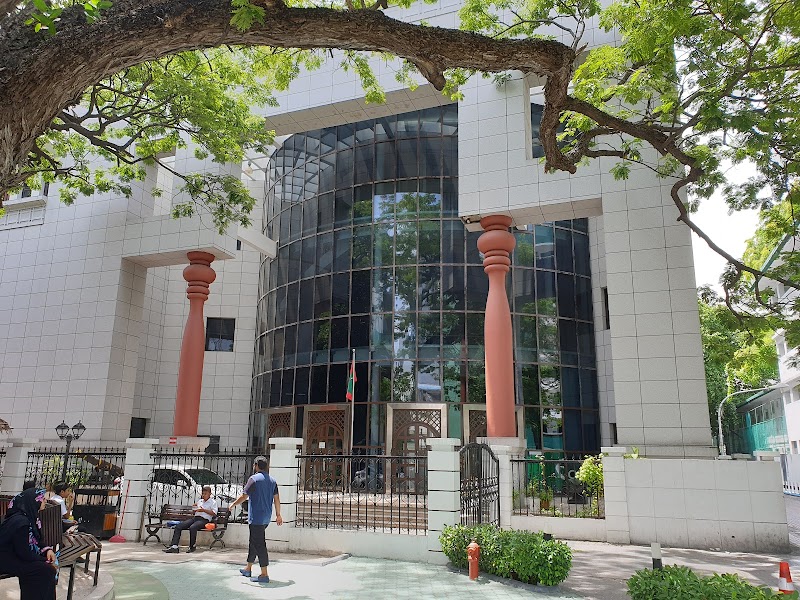
The National Museum is the best choice when you want context without turning the port day into a lecture. Its collection moves from the Buddhist era to the sultanates, with cowrie currency and lacquerware giving the Maldives a material history beyond the beach image. Cruise passengers should use it as a focused indoor reset if outdoor wandering loses appeal. It fits history seekers, design-minded travelers, and anyone who likes leaving a port with a cleaner sense of what they actually saw.
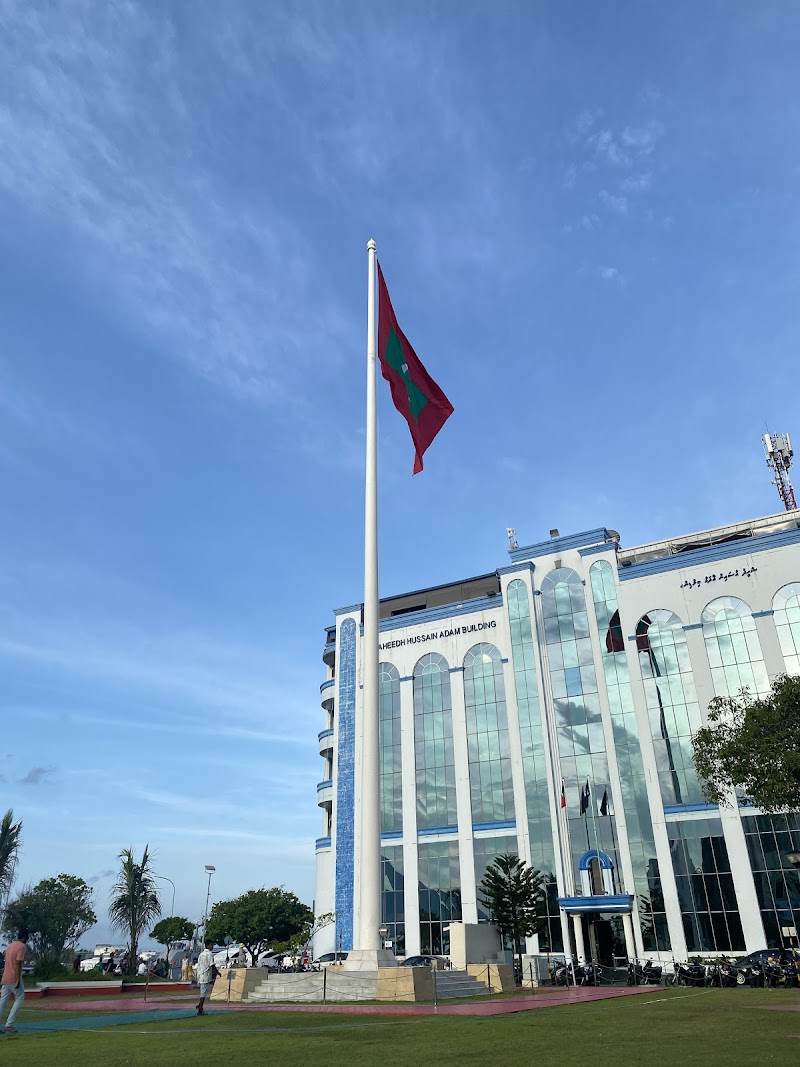
Republic Square works because it is simple: a central green space, a flagpole, monuments, and the kind of everyday pause that helps a port stop feel less staged. It should not be your only plan in Malé, but it is useful between heavier sights or as a quick orientation point in the city. Travelers who like people-watching, civic spaces, and low-effort photography will get more from it than checklist chasers. Think of it as connective tissue for the day, not the headline.
Mulgee Artificial Beach is the practical answer if you want water without pretending you have escaped the city. It is a public place for swimming, sunset picnics, and a softer hour after markets and museums. For cruise passengers, the appeal is control: you can make it a short reset instead of building the entire day around sand. It fits families, casual swimmers, and travelers who need a break from pavement. If your dream is total seclusion, manage expectations; this is urban beach time, not a hideaway.
Use the public beach for a short swim or relaxed pause, not as the whole port plan.
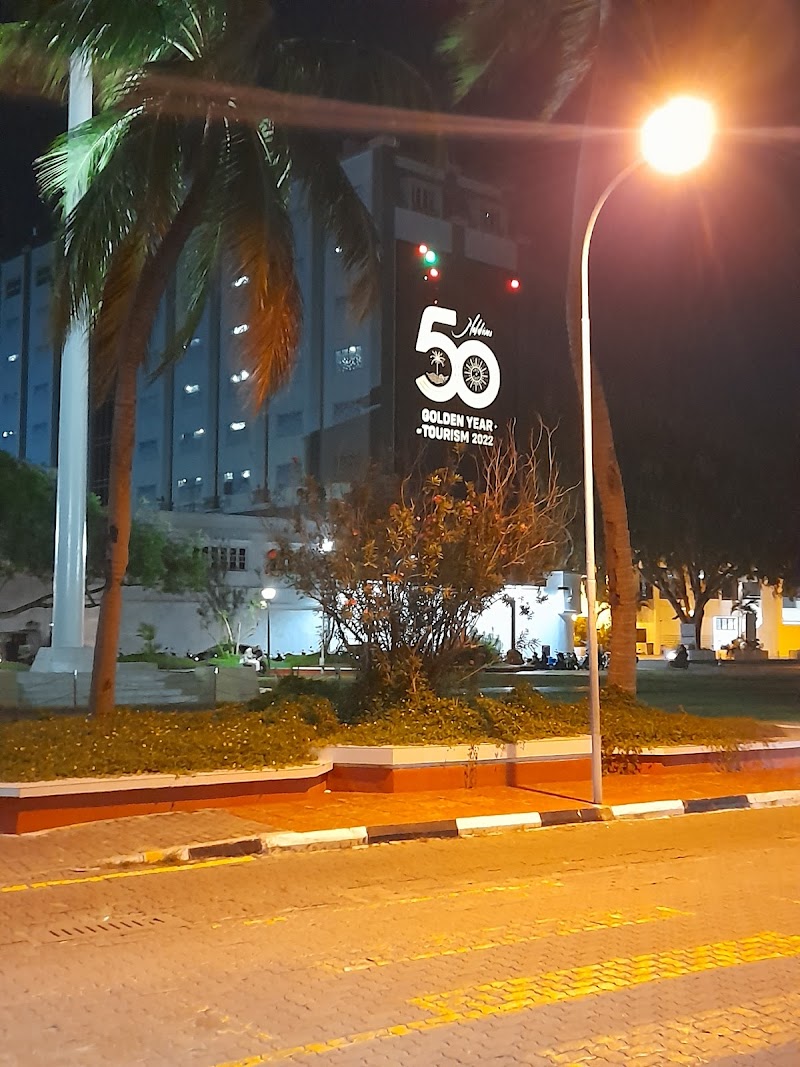
Rasfannu Library is a quieter counterpoint to the fish market and mosque circuit. The draw is not a blockbuster exhibit; it is the modern architecture, calm grounds, and chance to decompress somewhere that feels contemporary rather than historic. That makes it a smart add-on for repeat Maldives visitors, solo travelers, or anyone who likes seeing how a city looks beyond its obvious landmarks. Prioritize it after the major stops, or use it as a reset if your day starts feeling too crowded.
The Old Friday Mosque Minaret is worth keeping on your radar for one reason: perspective. If access is open, the climb can turn the day from street-level detail into a wider city view, which is especially useful in a port where many highlights are compact and close-up. Because access can depend on whether it is open, do not build your entire plan around it. It fits photographers and travelers who want a visual payoff. If closed, fold it into the Hukuru Miskiy stop and move on.
Treat the minaret climb as a bonus viewpoint, not the foundation of your day.
Modern library grounds for chill. Architecture peek. Quiet modern spot.
People's park with flagpole, monuments. Central green space. Local hangout.
Climb for city views (if open). Panoramic vistas. Viewpoint gem.