JP
Cruises to Maizuru
Maizuru is a quieter Japan port where the best day pairs harbor history with one sharp detour, not a packed checklist.
Upcoming visits
12
Best fare
$332 per night
Maizuru is a quieter Japan port where the best day pairs harbor history with one sharp detour, not a packed checklist.
Find Maizuru on Google Maps before you plan the port day.
Maizuru is not trying to be Tokyo in miniature, which is exactly the point. This is a port for travelers who like a slower Japanese coastal day: red brick warehouses on the water, naval and maritime layers, a hilltop park, and the option to fold in sake or a quiet inlet if you want the day to stretch beyond the obvious. It is visually strongest around the harbor, where preserved brick buildings give the waterfront a distinct look that feels different from the temple-and-shopping rhythm of bigger Japan calls.
For a cruise stop, Maizuru works best when you choose a compact core and then add one personality piece. Families can lean into the aquarium-style marine museum. History people should stay close to the brick district and former barracks exhibits. Drink-curious travelers can make a brewery the main event, while anyone feeling port-fatigued can trade museums for water, bamboo, or park paths. The mistake is treating Maizuru as a place to race through. Its appeal is in the texture: brick, bay light, easy walks, and specific small stops that do not need to shout.
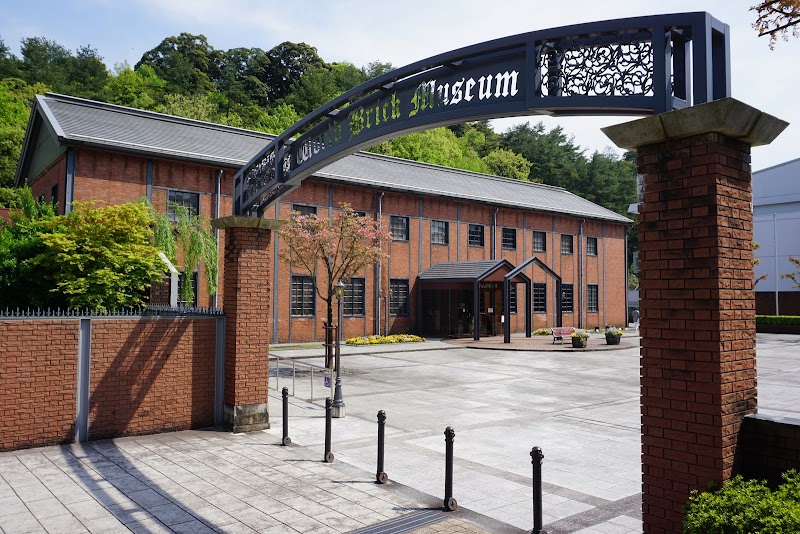
The Maizuru Red Brick Warehouses are the clearest first stop because they bundle several cruise-day needs into one compact harbor scene. The preserved Taisho-era granaries now hold shops, cafes, and an aquarium, but the bigger draw is the look: brick facades, water views, and a working-port mood that photographs well without needing a complicated route. If you only want one low-friction Maizuru experience, make it this. It fits first-timers, casual wanderers, and anyone who wants a sense of place before deciding whether to add a museum, park, or tasting stop.
Start here if you want Maizuru's most recognizable harbor view with minimal overplanning.
Aquamarine Maizuru Museum is the practical family upgrade to the red brick area. Its whale skeletons, touch pools, and interactive marine exhibits give younger travelers something more tactile than another scenic walk, while adults still get the satisfaction of staying inside Maizuru's brick-and-waterfront story. It is also a smart weather hedge: if the day turns gray or energy dips, this is a contained stop with enough visual interest to justify the time. Prioritize it if your group needs variety, or if sea life is more appealing than military history.
Explore waterfront preserved Taisho-era granaries now shops, cafés, aquarium. Bay views. Photogenic harbor landmark.
Cherry blossoms, pagoda ruins atop hill with city panoramas. Easy paths. Historic park core.
Whale skeletons, touch pools in brick warehouse. Interactive marine exhibits. Family sea life fun.
Tour historic brewery, sake tastings with pairings. Traditional methods. Japanese spirits experience.
Current sailings visiting this port, sorted by the lowest tracked cabin price per night.
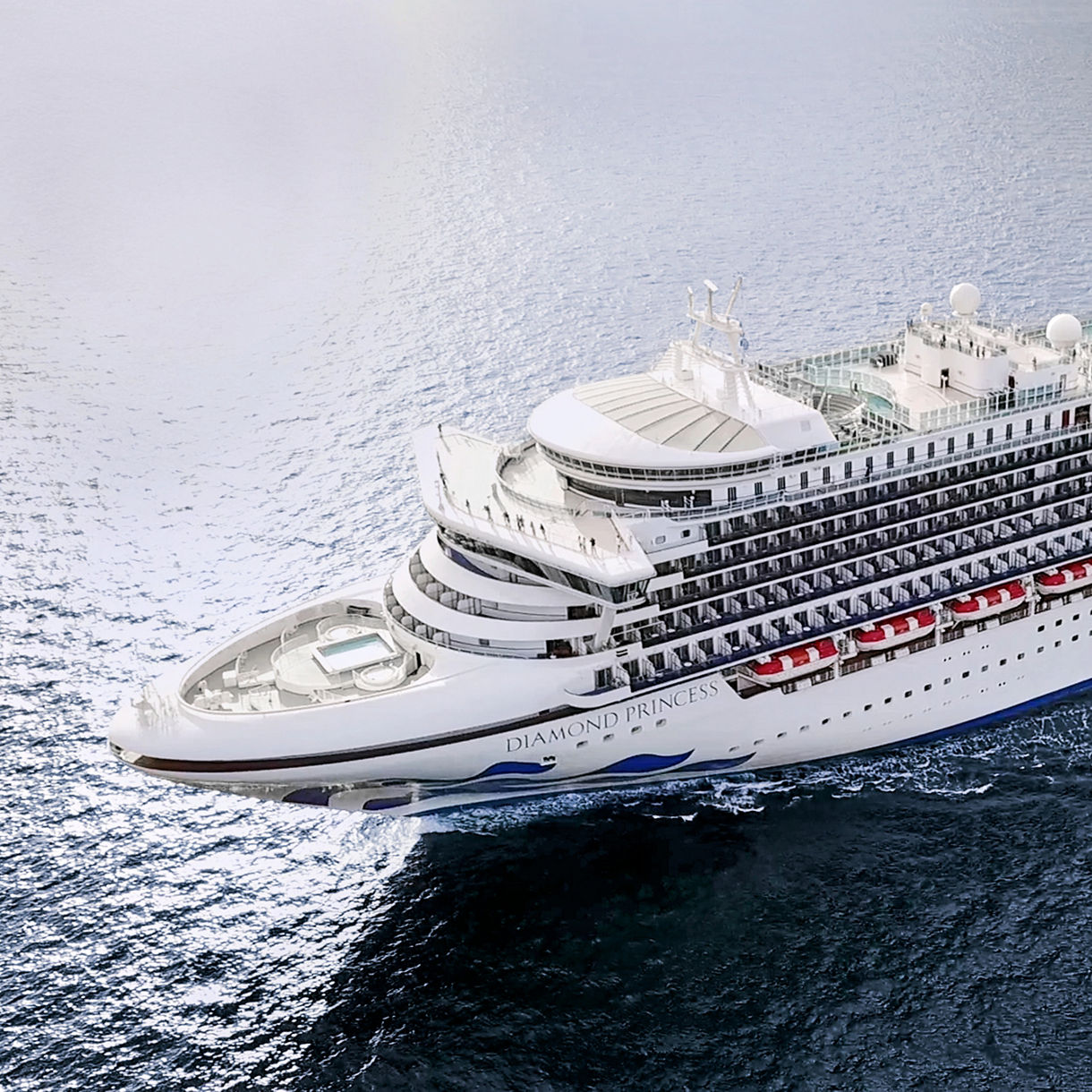
Built 2004
Tokyo · Toba · Nagasaki · Busan · Sakaiminato · Maizuru · Toyama · Sakata · Hakodate · Miyako · Hitachinaka
Built 2004
Tokyo · Yatsushiro · Busan · Nagasaki · Kagoshima · Beppu · Matsuyama · Kochi · Osaka · Tokushima · Mount Fuji · Toba · Sakaiminato · Maizuru · Toyama · Sakata · Hakodate · Miyako · Hitachinaka
Built 2004
Tokyo · Toba · Nagasaki · Busan · Sakaiminato · Maizuru · Toyama · Sakata · Hakodate · Miyako · Hitachinaka · Aomori · Muroran
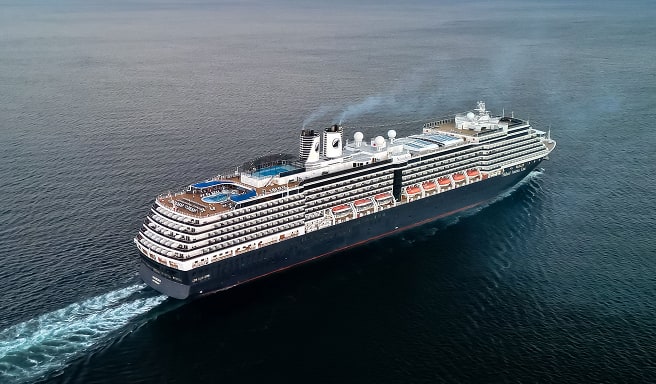
Built 2006
Seattle · Ketchikan · Kushiro · Aomori · Tokyo · Mount Fuji · Osaka · Hiroshima · Busan · Sakaiminato · Maizuru · Kanazawa · Hakodate · Miyako · Hitachinaka
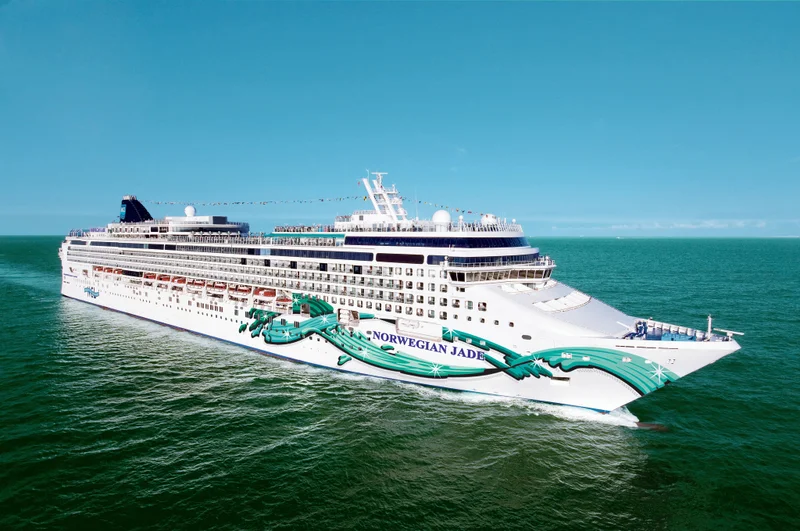
Built 2006
Tokyo · Mount Fuji · Nagoya · Kobe · Ishinomaki · Hakodate · Akita · Kanazawa · Maizuru · Seoul
Built 2006
Tokyo · Mount Fuji · Osaka · Kochi · Fukuoka · Yeosu · Maizuru · Niigata · Hakodate · Aomori · Miyako
Built 2006
Tokyo · Mount Fuji · Osaka · Hiroshima · Busan · Sakaiminato · Maizuru · Kanazawa · Hakodate · Miyako · Hitachinaka · Kochi · Fukuoka · Yeosu · Niigata · Aomori
Built 2006
Tokyo · Kochi · Kagoshima · Nagasaki · Seoul · Jeju · Busan · Fukuoka · Osaka · Mount Fuji · Hiroshima · Sakaiminato · Maizuru · Kanazawa · Hakodate · Miyako · Hitachinaka
Built 2006
Tokyo · Mount Fuji · Osaka · Kochi · Fukuoka · Yeosu · Maizuru · Niigata · Hakodate · Aomori · Miyako · Hiroshima · Nagasaki · Busan · Shanghai · Hong Kong
Built 2006
Tokyo · Mount Fuji · Osaka · Hiroshima · Busan · Sakaiminato · Maizuru · Kanazawa · Hakodate · Miyako · Hitachinaka · Kobe · Kochi · Kagoshima · Fukuoka · Sokcho · Sakata · Aomori
Built 2006
Tokyo · Mount Fuji · Osaka · Hiroshima · Busan · Sakaiminato · Maizuru · Kanazawa · Hakodate · Miyako · Hitachinaka
Built 2006
Tokyo · Mount Fuji · Osaka · Hiroshima · Busan · Sakaiminato · Maizuru · Kanazawa · Hakodate · Miyako · Hitachinaka
This is the easiest way to make the port feel hands-on rather than purely scenic.
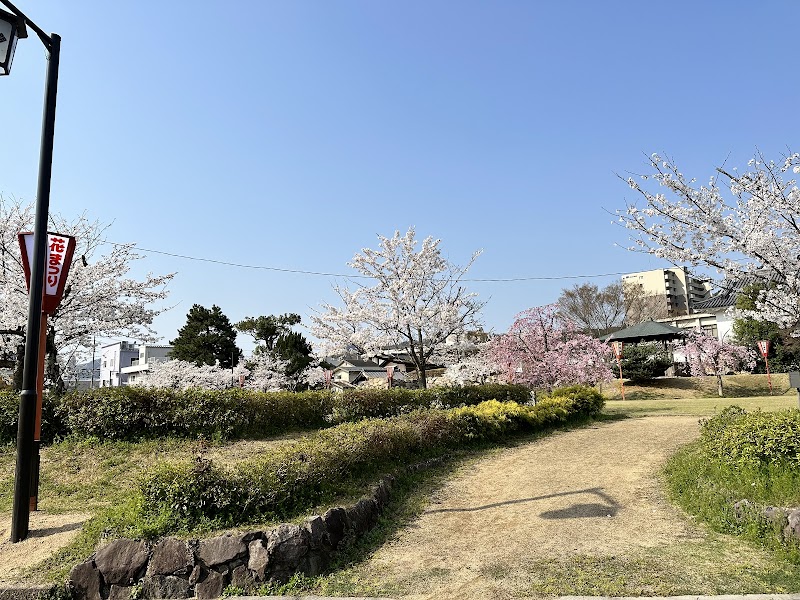
Maizuru Castle Park gives the day a little elevation, literally and editorially. The paths are easy, the hilltop setting adds city panoramas, and the pagoda ruins keep it from feeling like just another green break. During cherry blossom season, it becomes an especially photogenic stop, but it still works as a calm reset outside the harbor core. Choose it if you want views without committing to a full nature excursion. It is less about blockbuster sightseeing and more about giving your port day some air between brick warehouses, museums, and cafes.
Pick the park when you want a lighter stop with views instead of another indoor exhibit.
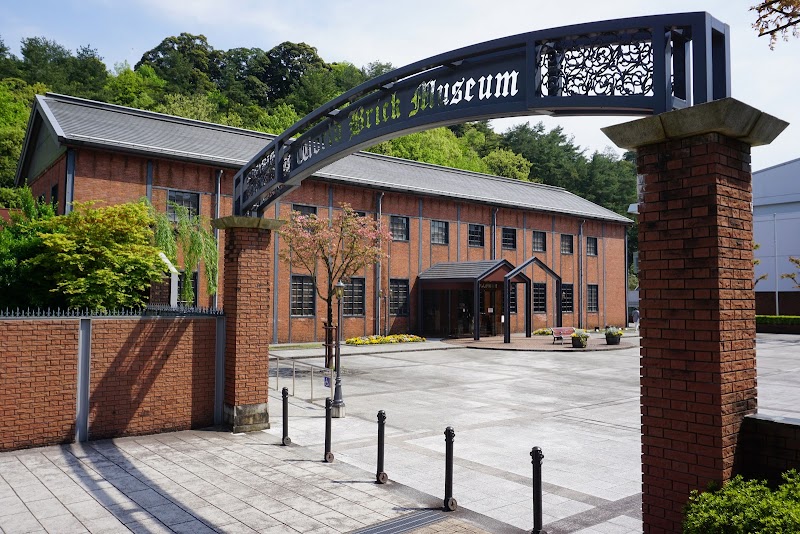
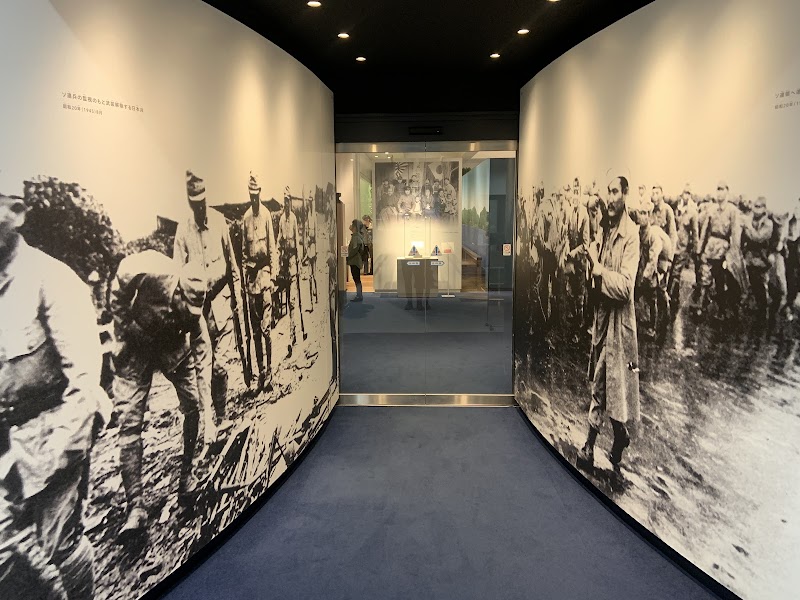
The Maizuru History Museum is for travelers who want the port's past to feel less decorative. Set in former barracks, it focuses on naval base relics and World War II exhibits, which gives context to the harbor beyond its handsome brick architecture. This is not the breeziest stop on the list, and that is the point. It suits military history fans, maritime nerds, and anyone who prefers specificity over a generic city loop. Pair it with the Red Brick Warehouses if you want a coherent Maizuru day built around port history.
This is the serious history stop, not just a quick photo break.
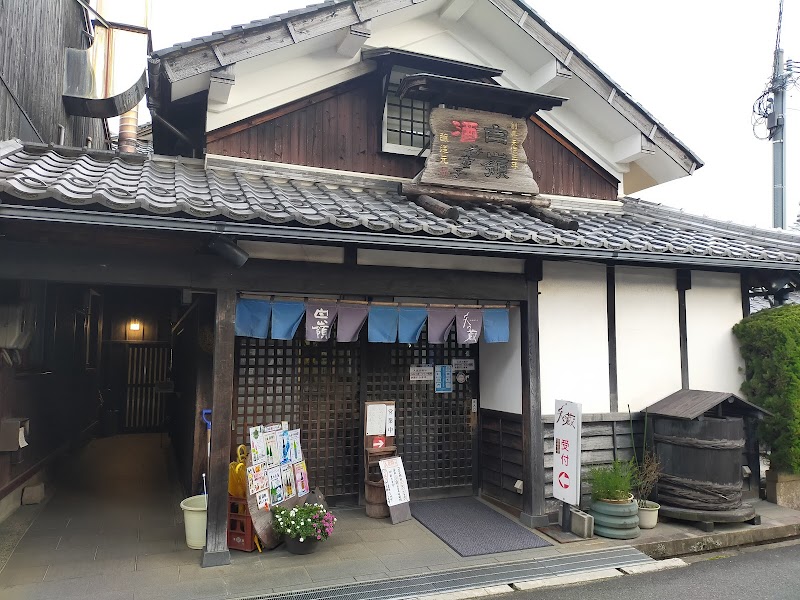
Kitaya Sake Brewery is the stop to choose if you want your Maizuru day to have a clear local flavor beyond sightseeing. The appeal is straightforward: a historic brewery, traditional production methods, tastings, and pairings. For cruise passengers, it works best as a planned highlight rather than something to squeeze in after too many smaller stops. It fits couples, friend groups, and food-and-drink travelers who would rather come back with a specific memory than another harbor photo. Just keep the rest of the day lean so the tasting does not feel rushed.
A brewery visit is strongest when it is the main detour, not the fifth stop of the day.
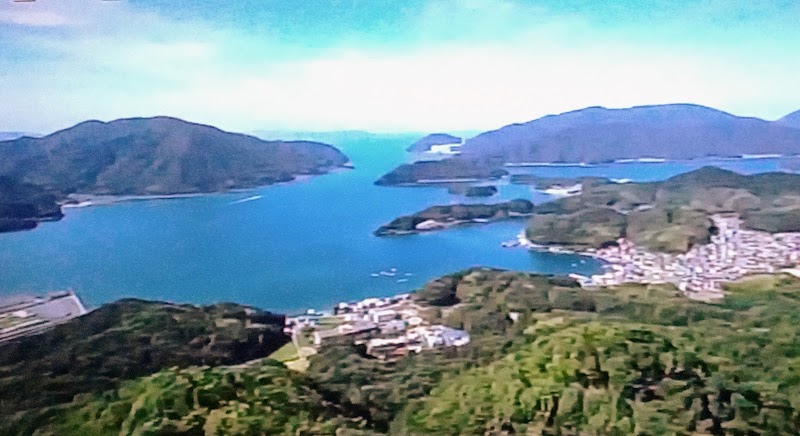
Uragami Bay is not the choice for travelers chasing a full-service beach scene. Its value is quieter: an inlet, a beachy edge, local anglers, and enough open water for a reset when the itinerary has been heavy on towns and tours. Think of it as a decompression stop for photos, fresh air, and a slower rhythm. It makes the most sense if you have already seen the red brick harbor or if your group is happier with scenery than exhibits. Do not overbuild it; the point is the pause.
Choose Uragami Bay when you want water and calm more than attractions.
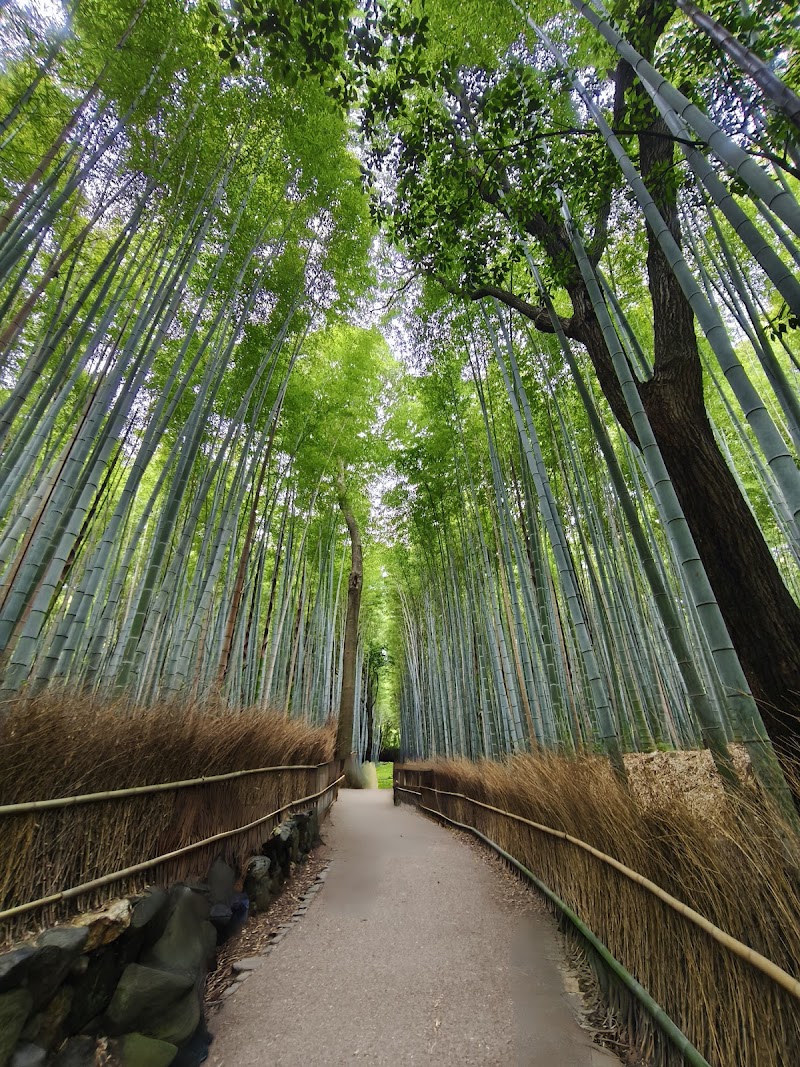
Otokuni Bamboo Grove Walk is the kind of small nature stop that works when you are tired of hard surfaces and port logistics. The short path, bamboo, and streams create a quieter counterpoint to Maizuru's brick warehouses and military history. It is best for travelers who value atmosphere over marquee sights, and for photographers who like texture more than crowds. Because it is a softer experience, do not make it compete with every other option. Add it to a simple day if you want a green, reflective finish.
This is a mood stop: short, quiet, and best when the rest of the plan stays simple.
Scenic inlet beach for relaxing, photos. Local anglers. Tranquil bay escape.
Naval base relics in former barracks. WWII exhibits. Maritime military history.
Small-batch sake tasting in hillside brewery. Rice fields views. Artisan brew gem.
Short path through bamboo, streams. Serene nature. Hidden zen forest.