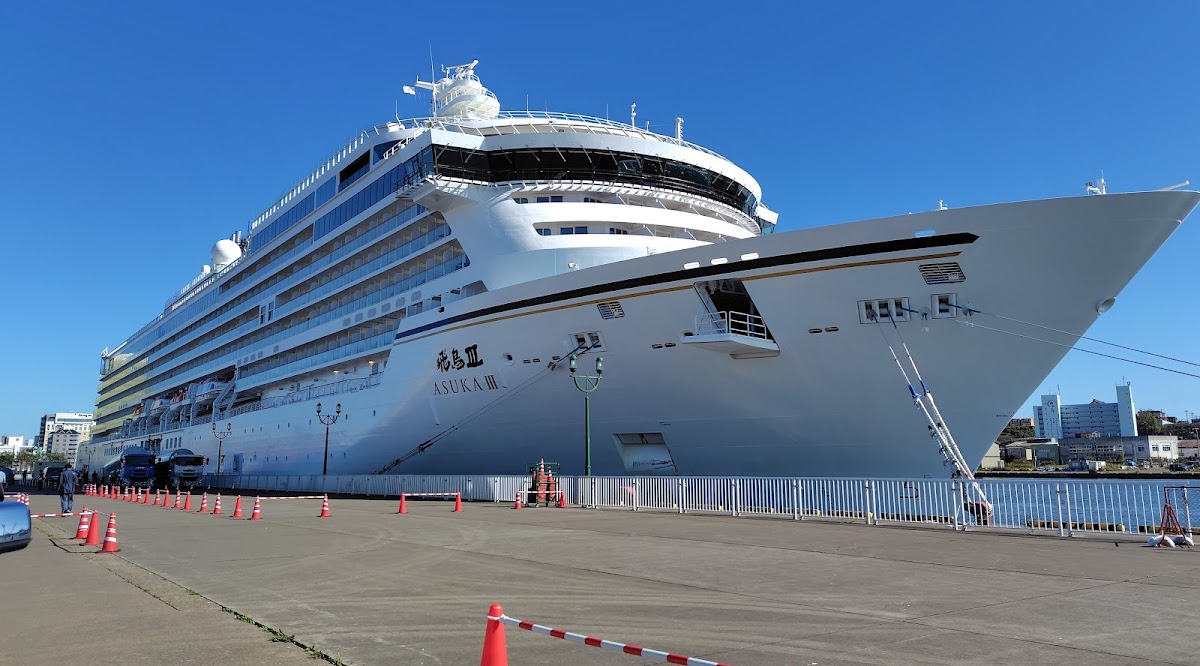
JP
Cruises to Kushiro
Kushiro is a Japan port where cranes, wetlands, seafood, and volcanic landscapes make a sharper case than a standard city wander.
Upcoming visits
9
Best fare
$315 per night
Kushiro is a Japan port where cranes, wetlands, seafood, and volcanic landscapes make a sharper case than a standard city wander.
Find Kushiro on Google Maps before you plan the port day.
Kushiro is not the Japan port you book for neon density or temple-hopping momentum. Its strongest moments are quieter and more specific: red-crowned cranes viewed from hides, wide marshland boardwalks, seafood close to the water, and nature excursions that lean rugged rather than polished. That makes it a good fit for travelers who want a port day with texture, not another predictable urban loop. The key is choosing early between wildlife, food, culture, or a bigger landscape push, because the best experiences here do not all belong in the same rushed itinerary.
For cruise passengers, Kushiro rewards restraint. A smart day might pair Kushiro Marshland National Park with the Crane Reserve, or keep things closer with Fisherman's Wharf MOER, ramen, and the City Art Museum. The more ambitious options, like Notsuke Peninsula, Shiretoko, or Mt. Io-Zanseki, are better treated as dedicated excursions rather than add-ons. If you are deciding whether a sailing that stops here is worth it, the answer depends on your appetite for Japan's wilder side: birds, wetlands, seafood counters, glass craft, and landscapes that feel less staged than the usual port highlight reel.
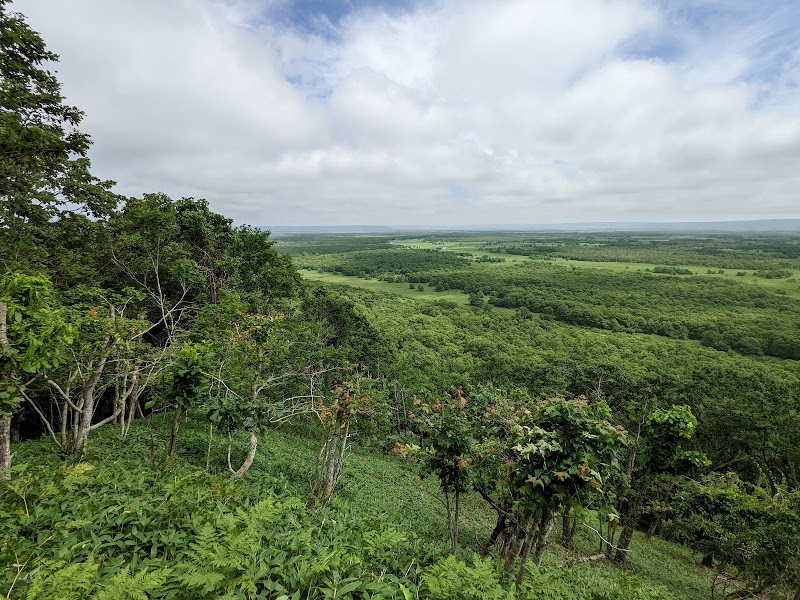
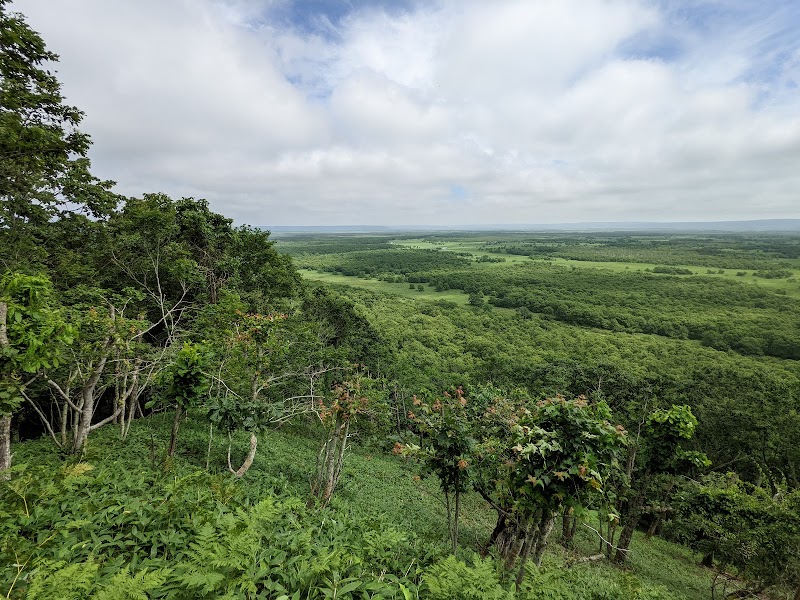
Kushiro Marshland National Park is the port's clearest argument for getting beyond the waterfront. The draw is scale: broad wetlands, birdwatching, and the chance to look for red-crowned cranes in a setting that feels open and unforced. The boardwalks make it less intimidating than a full wilderness hike, so it works for mixed groups or anyone who wants nature without turning the day into a gear test. If your itinerary is otherwise city-heavy, this is the most distinctive way to make Kushiro feel different.
Choose the marshland if you want the port's most memorable natural setting without committing to a hardcore excursion.
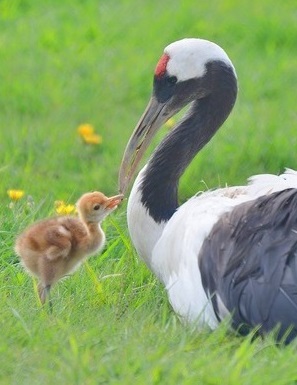
Kushiro Crane Reserve is a strong choice if the red-crowned cranes are the image that made you notice this port in the first place. Because it is a rehabilitation center with observation hides, the experience is more focused than scanning a broad landscape and hoping for movement. It suits photographers, birders, and travelers who like wildlife stops with a clear purpose. Pairing it with the marshland makes sense thematically, but do not treat it as just a quick box to tick; the slower you look, the better it gets.
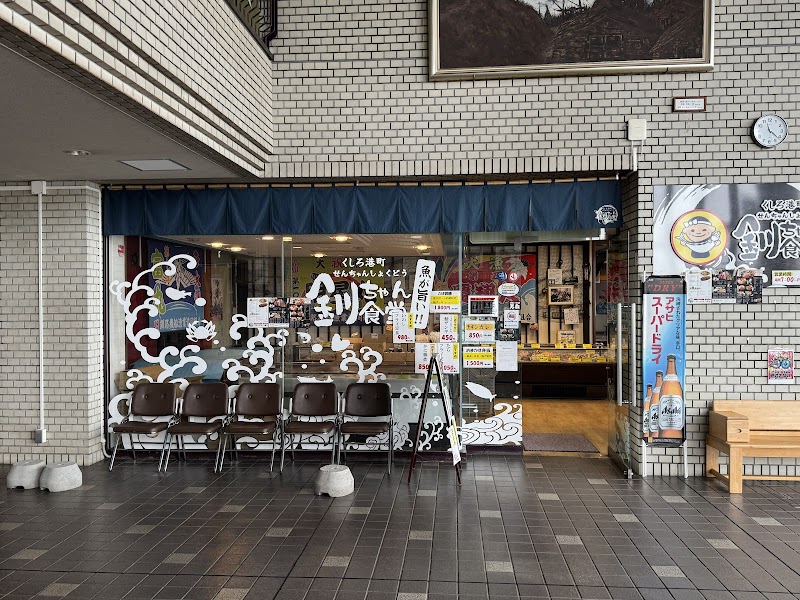
Seafood market and aquarium with fresh uni and crab. Dining delight.
Rehabilitation center for Japan's symbol bird. Observation hides.
Vast wetlands for birdwatching, especially red-crowned cranes. Boardwalks easy for all.
Japan's longest sand spit for hikes and views. Scenic.
Current sailings visiting this port, sorted by the lowest tracked cabin price per night.
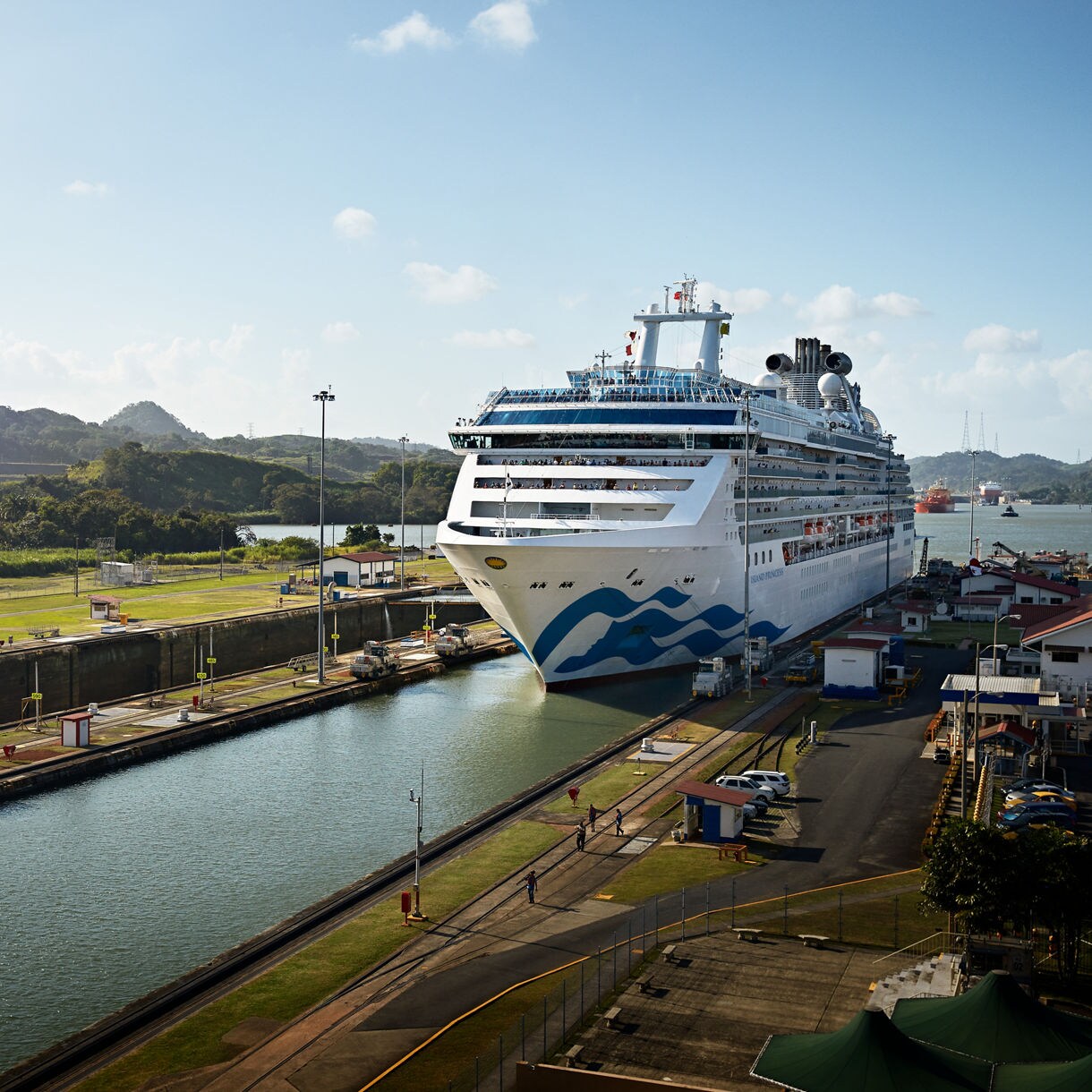
Built 2002
Fort Lauderdale · Cartagena · Panama Canal · Panama City · Puntarenas · Puerto Chiapas · Huatulco · Puerto Vallarta · Los Angeles · Hilo · Maui · Honolulu · Kauai · Pago Pago · Fiji · Dravuni Island · Port Vila · Luganville · Rabaul · Kiriwina Island · Alotau · Cairns · Airlie Beach · Brisbane · Sydney · Auckland · Tauranga · Christchurch · Dunedin · Hobart · Adelaide · Perth · Darwin · Bali · Lembar · Singapore · Phuket · Langkawi · Penang · Kuala Lumpur · Ho Chi Minh City · Cam Ranh · Ha Long Bay · Hong Kong · Keelung · Miyakojima · Kagoshima · Kochi · Osaka · Tokyo · Miyako · Kushiro · Anchorage · Sitka · Juneau · Ketchikan · Vancouver
Built 2002
Los Angeles · Hilo · Maui · Honolulu · Kauai · Pago Pago · Fiji · Dravuni Island · Port Vila · Luganville · Rabaul · Kiriwina Island · Alotau · Cairns · Airlie Beach · Brisbane · Sydney · Auckland · Tauranga · Christchurch · Dunedin · Hobart · Adelaide · Perth · Darwin · Bali · Lembar · Singapore · Phuket · Langkawi · Penang · Kuala Lumpur · Ho Chi Minh City · Cam Ranh · Ha Long Bay · Hong Kong · Keelung · Miyakojima · Kagoshima · Kochi · Osaka · Tokyo · Miyako · Kushiro · Anchorage · Sitka · Juneau · Ketchikan · Vancouver
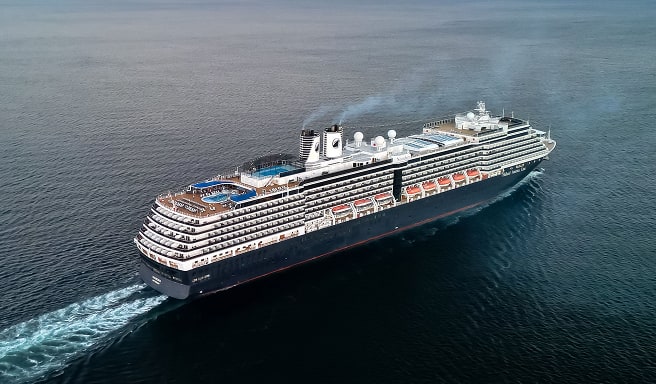
Built 2006
Seattle · Ketchikan · Kushiro · Aomori · Tokyo
Built 2002
Los Angeles · Hilo · Maui · Honolulu · Kauai · Pago Pago · Fiji · Dravuni Island · Port Vila · Luganville · Rabaul · Kiriwina Island · Alotau · Cairns · Airlie Beach · Brisbane · Sydney · Auckland · Tauranga · Christchurch · Dunedin · Hobart · Adelaide · Perth · Darwin · Bali · Lembar · Singapore · Phuket · Langkawi · Penang · Kuala Lumpur · Ho Chi Minh City · Cam Ranh · Ha Long Bay · Hong Kong · Keelung · Miyakojima · Kagoshima · Kochi · Osaka · Tokyo · Miyako · Kushiro · Anchorage · Sitka · Juneau · Ketchikan · Vancouver
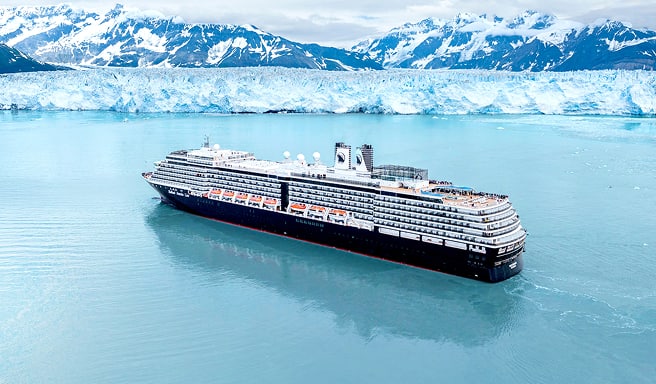
Built 2004
Tokyo · Kushiro · Kodiak · Juneau · Ketchikan · Vancouver
Built 2006
Seattle · Ketchikan · Kushiro · Aomori · Tokyo · Mount Fuji · Osaka · Hiroshima · Busan · Sakaiminato · Maizuru · Kanazawa · Hakodate · Miyako · Hitachinaka
Built 2006
Tokyo · Kushiro · Kodiak · Sitka · Ketchikan · Prince Rupert · Seattle
Built 2006
Tokyo · Kobe · Kochi · Kagoshima · Fukuoka · Sokcho · Kanazawa · Sakata · Hakodate · Aomori · Miyako · Kushiro · Kodiak · Sitka · Ketchikan · Prince Rupert · Seattle
Built 2002
Singapore · Phuket · Langkawi · Penang · Kuala Lumpur · Ho Chi Minh City · Cam Ranh · Ha Long Bay · Hong Kong · Keelung · Miyakojima · Kagoshima · Kochi · Osaka · Tokyo · Miyako · Kushiro · Anchorage · Sitka · Juneau · Ketchikan · Vancouver · Los Angeles
Observation hides make this a more deliberate wildlife stop than a casual roadside lookout.
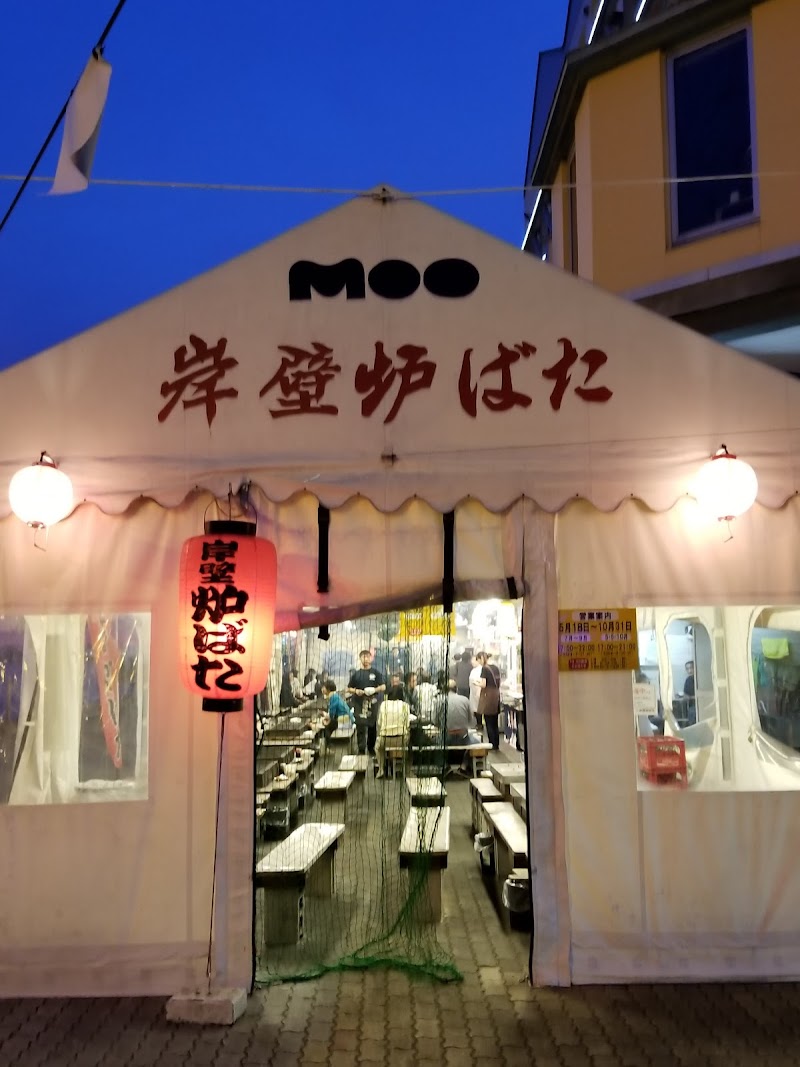
Kushiro Fisherman's Wharf MOER is the easy, edible center of gravity for a lower-effort port day. The seafood market setup keeps the focus where it should be: uni, crab, and a casual sense of what this coastal city does well. There is also an aquarium element, which makes it useful for groups that need something more varied than a meal stop. It is not the wildest Kushiro experience, but it is practical, satisfying, and a smart fallback if weather or timing makes a bigger nature plan feel too tight.
If you want Kushiro without a long excursion, make seafood the plan rather than a consolation prize.
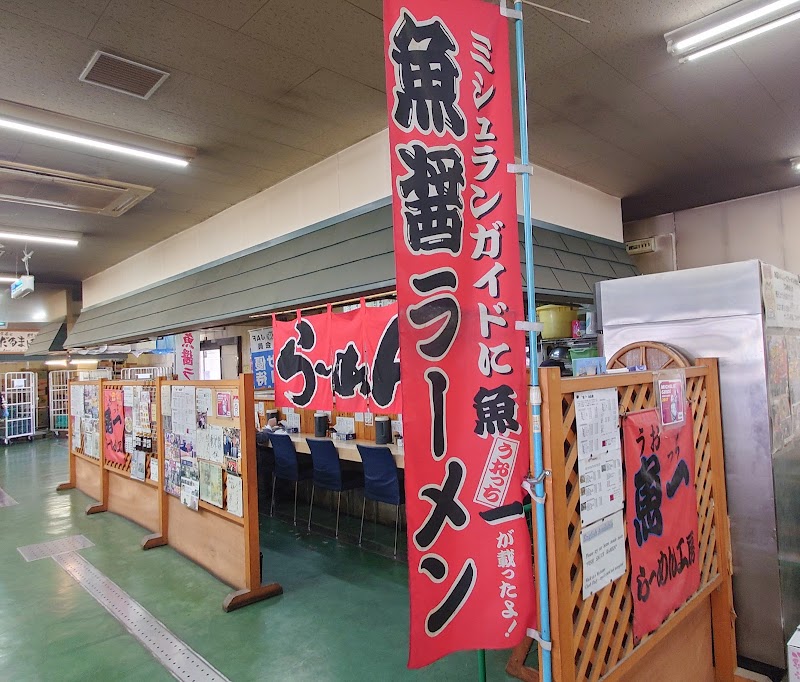
Local ramen shops are the right kind of small port win: not flashy, not overplanned, and exactly the thing you will remember if the bowl lands well. Kushiro ramen gives food-focused travelers a more local-feeling alternative to building the day entirely around the wharf. It also works as a flexible stop after the art museum or before returning to the ship, especially if you do not want another full sit-down seafood meal. For a short call, ramen is a good reminder that not every worthwhile stop needs to be a major attraction.
Ramen is best as a flexible add-on, not a substitute for the marshland if nature is your priority.
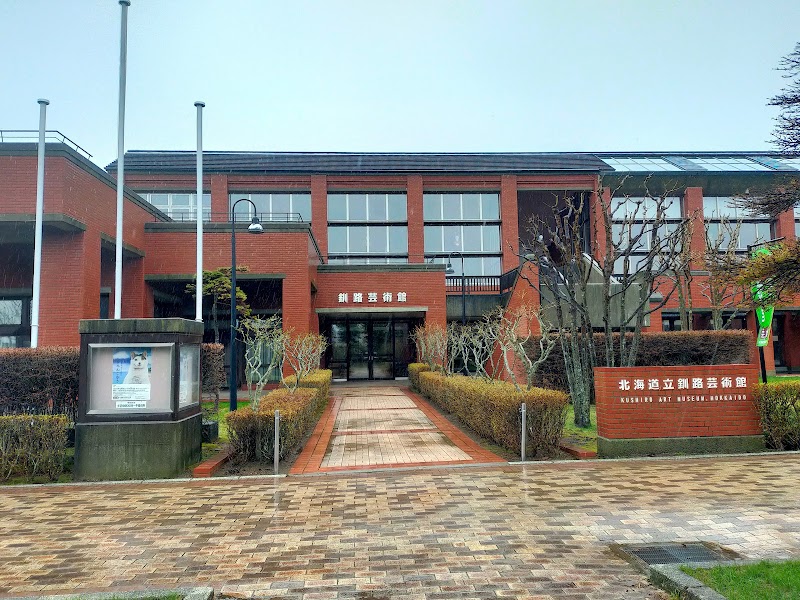
Kushiro City Art Museum is the counterweight to the port's wildlife-and-seafood identity. Its glass art and Japanese craft focus make it a good fit for travelers who prefer a slower, indoor break or want a cultural note that is not another souvenir browse. It is especially useful on a day when the weather makes outdoor plans less appealing. Do not force it into a packed nature itinerary; the museum works best when you are building a compact city day around food, craft, and a little breathing room.
Keep the museum in mind when you want culture and calm instead of another busier stop.
Notsuke Peninsula is for travelers who want a bigger visual payoff and are willing to build the day around it. Japan's longest sand spit offers hikes and long views, which gives the experience a stripped-back, elemental quality compared with a city loop. This is not the attraction to squeeze in after a seafood lunch and a museum stop. If it appeals, make it the main event and keep the rest of the day simple. It fits hikers, landscape people, and anyone who likes destinations that feel slightly out on the edge.
A Shiretoko National Park Excursion shifts Kushiro from pleasant port day to wilderness play. The appeal is obvious: bears, volcanoes, and guided tours that frame the landscape for travelers who want more than a lookout. Mt. Io-Zanseki has a similar rugged pull, with volcanic cones and a lakes trail. For cruise passengers, the important thing is not to stack these ambitious nature ideas casually. Pick one serious excursion style, confirm the structure, and let the day be about scale rather than variety.
Choose this style of day only if you want nature to dominate the stop.
Bears and volcanoes nearby, guided tours. Wilderness adventure.
Glass art exhibits, unique Japanese craft. Cultural.