Kumano is not the kind of port that rewards a checklist mentality. The appeal is slower and more elemental: stone paths under cedar trees, Shinto shrines set into valleys, a towering waterfall, and hot spring water that feels tied to the landscape rather than packaged for visitors. For cruise passengers, the key is choosing one strong theme for the day. Go spiritual and scenic around Nachi Falls and Kumano Nachi Taisha, go deeper into pilgrimage culture at Kumano Hongu Taisha, or keep the pace softer with an island shrine or onsen stop.
Because this is a nature-and-sacred-sites port, the best plans leave room for weather, steps, and quiet. Kumano's most memorable places are not just photo stops; they are built around walking, pausing, and noticing how forest, water, and faith overlap. If your sailing already includes big cities, Kumano can be the reset button: less shopping, less skyline, more mist and moss. Book it if you like ports with a clear sense of place, and avoid trying to compress every shrine, trail, and bath into one rushed loop.
Make Nachi Falls the visual anchor
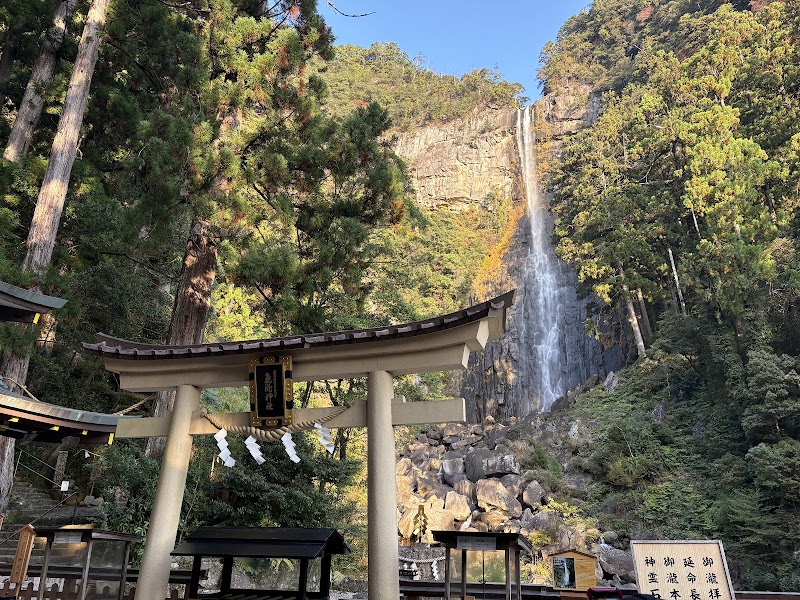
Nachi Falls is the obvious first pick for a reason: it gives the port day its big cinematic moment. Japan's tallest waterfall drops beside sacred ground, so the scene is not just water and rock; it feels ceremonial, especially when mist hangs in the air. For cruise passengers with limited time, this is the attraction to prioritize if you want the clearest visual payoff from Kumano. It works for photographers, first-time visitors to the region, and anyone who wants nature without committing to a full hike.
If you only want one unforgettable image from Kumano, build the day around Nachi Falls.
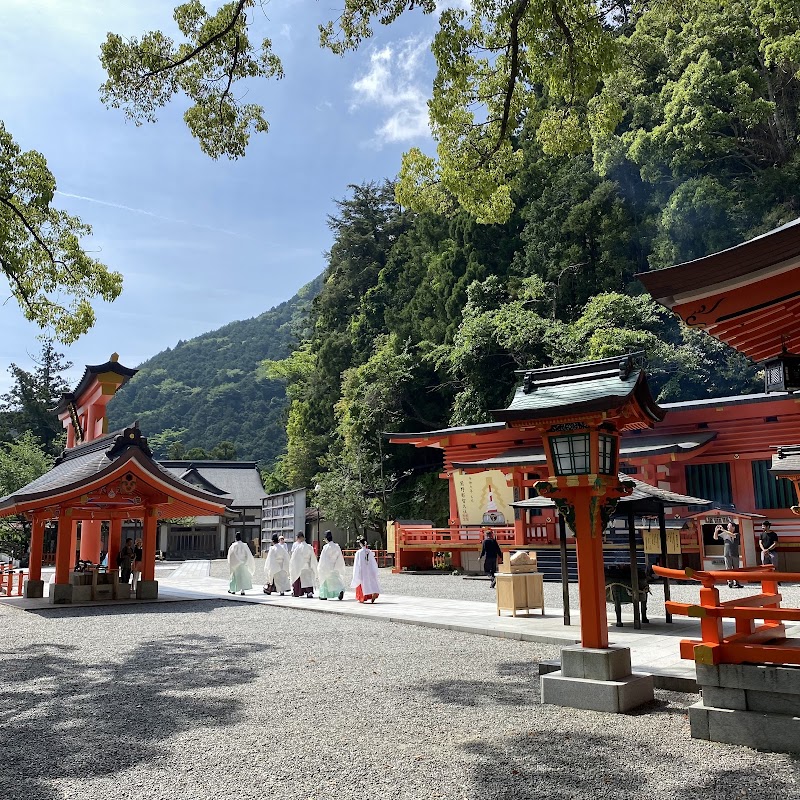
Climb into the shrine scene at Kumano Nachi Taisha
Kumano Nachi Taisha is the stop that turns the waterfall visit into a fuller story. The grand Shinto shrine sits above steps, with a pagoda and a view toward the falls, creating one of Kumano's most layered scenes. It is especially good for travelers who like a little effort attached to a landmark: steps, angles, pauses, and a sense of arrival. If your port day has room for only one shrine-and-scenery pairing, this is the cleanest choice, because the sacred architecture and waterfall landscape reinforce each other.
The steps are part of the experience, so do not treat this as a quick drive-by stop.
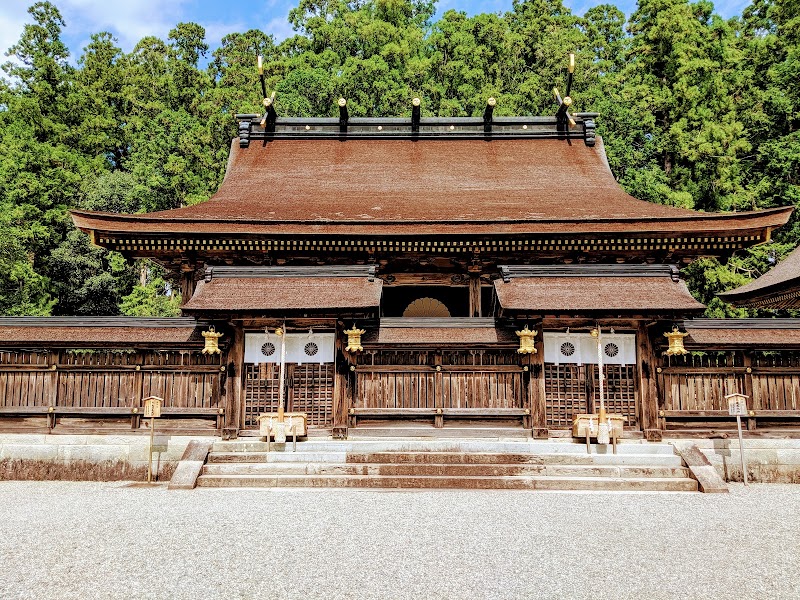
Go deeper at Kumano Hongu Taisha
Kumano Hongu Taisha suits travelers who want the port's spiritual side without making the day only about one famous viewpoint. Set in a valley with torii gates and forest paths, the shrine complex feels grounded and old in a way that rewards a slower visit. This is a strong pick for repeat Japan travelers, shrine architecture fans, and anyone who prefers atmosphere over a single trophy photo. If you choose Hongu, avoid stacking too many far-flung stops around it; the point is to let the valley setting and approach shape the day.
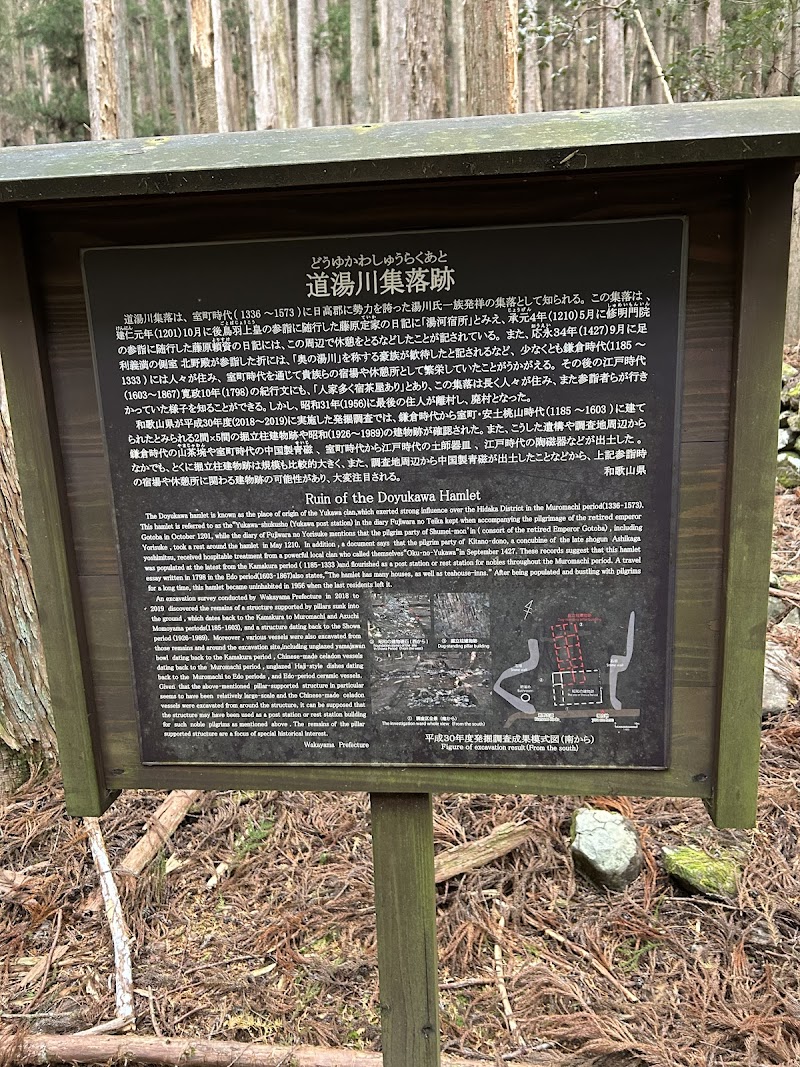
Use the Kumano Kodo as a walking reset
The Kumano Kodo Pilgrimage Trails are the reason this region feels different from a typical port call. The UNESCO-listed stone paths through cedar forest make even a short walk feel connected to something older than tourism. For cruise passengers, the smart version is not trying to conquer a major route; it is choosing an appropriate segment or guided walk that fits the ship's schedule. This is the best fit for active travelers, history-minded visitors, and anyone who would rather spend the day under trees than inside a bus.
A shorter, well-chosen trail segment is better than rushing a route that deserves more time.
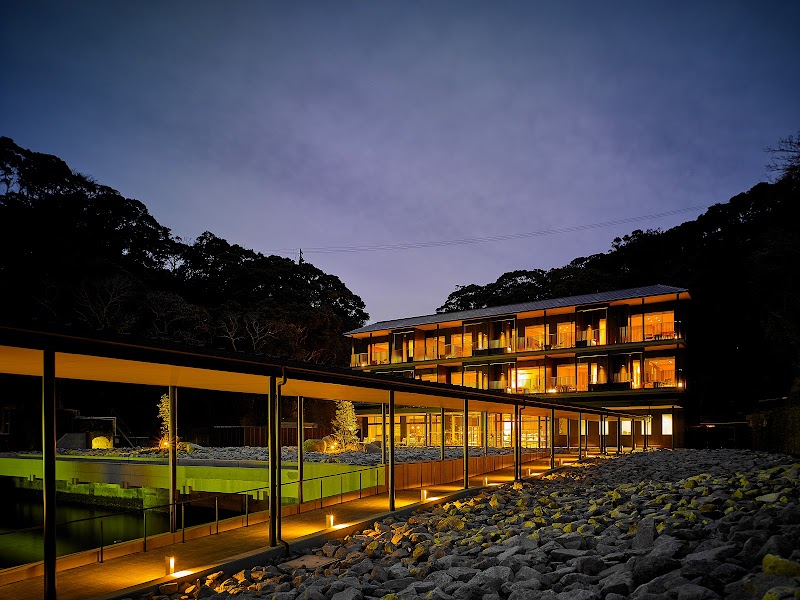
Take the boat to quiet Ukashima Island
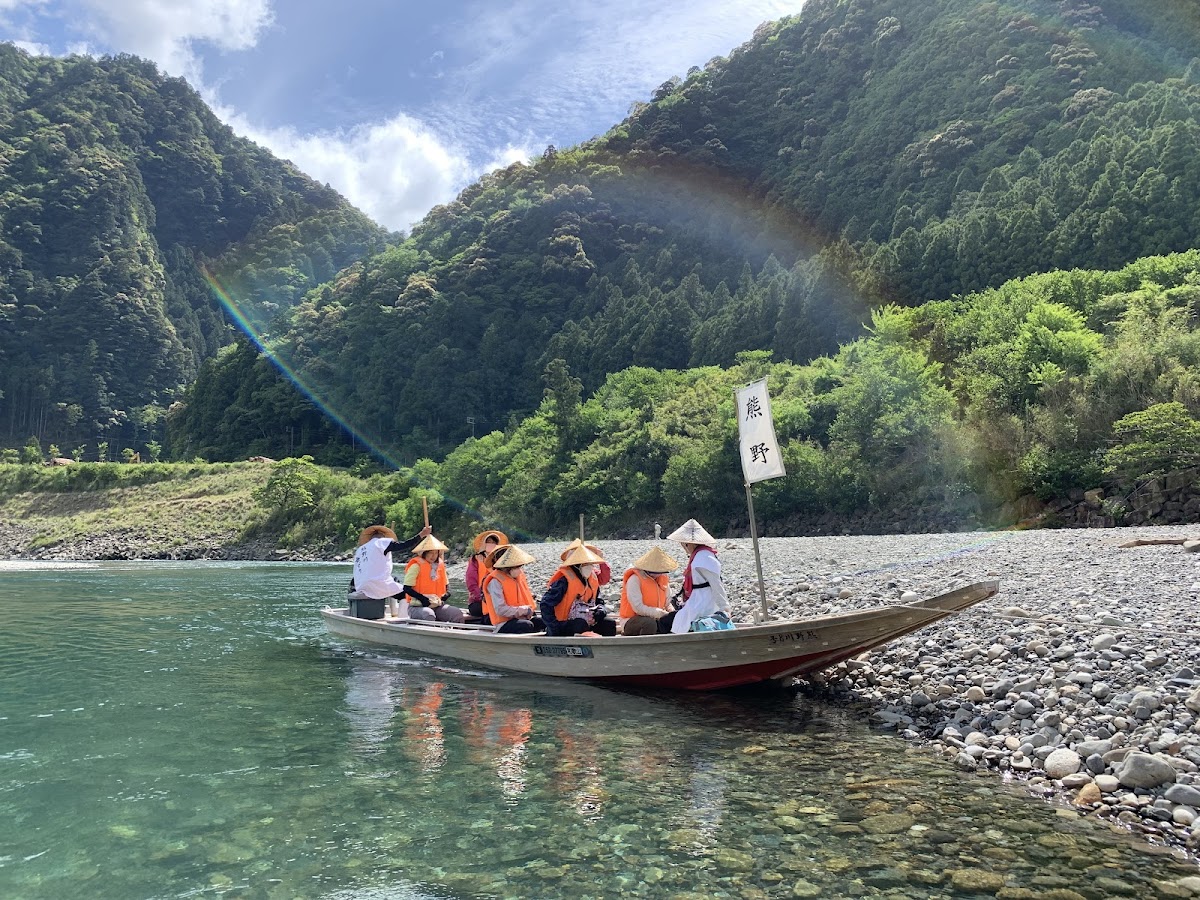
Ukashima Island is the softer, more secluded play: a car-free shrine island reached by boat, with deer and paths adding to the feeling of separation from the mainland. It is not the most obvious first-time Kumano choice if you are chasing the region's iconic waterfall-and-shrine imagery, but it has real appeal for travelers who dislike crowded itineraries and want a quieter spiritual landscape. Prioritize it when your goal is mood over scale, and be extra conservative with timing because any boat-based plan needs a clean buffer on a cruise day.
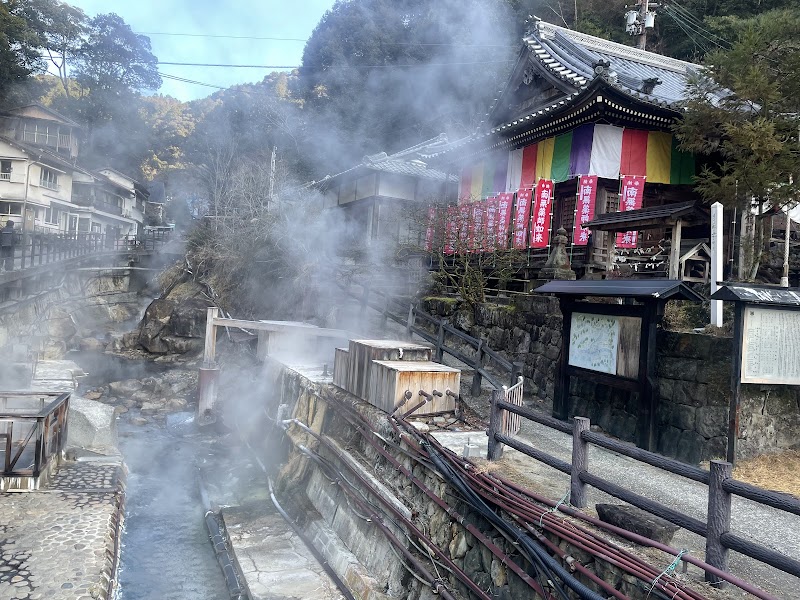
End with hot spring calm at Yunomine Onsen
Yunomine Onsen is the antidote to an overplanned port day. With hot spring river baths and public foot soaks, it gives Kumano a restorative angle that pairs well with a shrine or trail visit. This is not the stop for travelers who need constant movement or a stack of landmarks. It is for people who understand that soaking your feet after stone paths can be the most satisfying part of the day. If you include it, build the rest of the itinerary around calm rather than trying to squeeze it in as an afterthought.
Yunomine Onsen makes the most sense after walking, not before a frantic transfer to the next sight.
Things to do in Kumano
Nachi Falls
Japan's tallest waterfall, 133m sacred falls beside shrine. Misty power. Natural icon.
Kumano Hongu Taisha
Main Kumano shrine complex in valley, torii gates. Spiritual forest paths. Ancient faith.
Kumano Nachi Taisha
Grand Shinto shrine atop steps with pagoda, waterfall view. UNESCO sacred site. Pilgrim peak.
Ukashima Island
Car-free shrine island boat ride, deer, paths. Mystical isle. Secluded sanctity.
Kumano Kodo Pilgrimage Trails
UNESCO stone paths through cedar forests, optional hikes. History narrated. Walker’s choice.
Yunomine Onsen
Hot spring river baths, public foot soaks. Relaxing dip. Thermal treasure.
Fudarakusan-ji Temple
Cliffside temple ruins, ocean views. Secluded hike. Esoteric overlook.
Takijiri-oji
Trailhead cedar grove, stone lanterns. Gentle forest walk start. Pilgrim intro.
Cruise port FAQs
- Is Kumano a good cruise port for first-time visitors to Japan?
- Yes, if you want a quieter, more nature-focused side of Japan. Kumano is strongest for shrines, forest paths, waterfalls, and hot springs rather than big-city sightseeing.
- What should I prioritize on a short port stop in Kumano?
- For the most memorable first visit, prioritize Nachi Falls and Kumano Nachi Taisha. Together they deliver the port's clearest mix of sacred setting, steps, shrine architecture, and waterfall views.
- Can cruise passengers walk part of the Kumano Kodo?
- Yes, but the realistic approach is a short, well-planned section that fits your time in port. The trails are best treated as a focused walking experience, not a rushed endurance goal.
- Is Kumano better for active travelers or relaxed travelers?
- It can work for both. Active travelers can focus on pilgrimage paths and shrine steps, while relaxed travelers may prefer scenic shrine visits, Ukashima Island, or a hot spring stop such as Yunomine Onsen.
- What should I wear for a Kumano port day?
- Wear comfortable shoes with grip, especially if your plan includes shrine steps, stone paths, or forest walking. Layers are useful because the day may shift between shaded trails, open viewpoints, and soaking areas.