US
Cruises to Kodiak
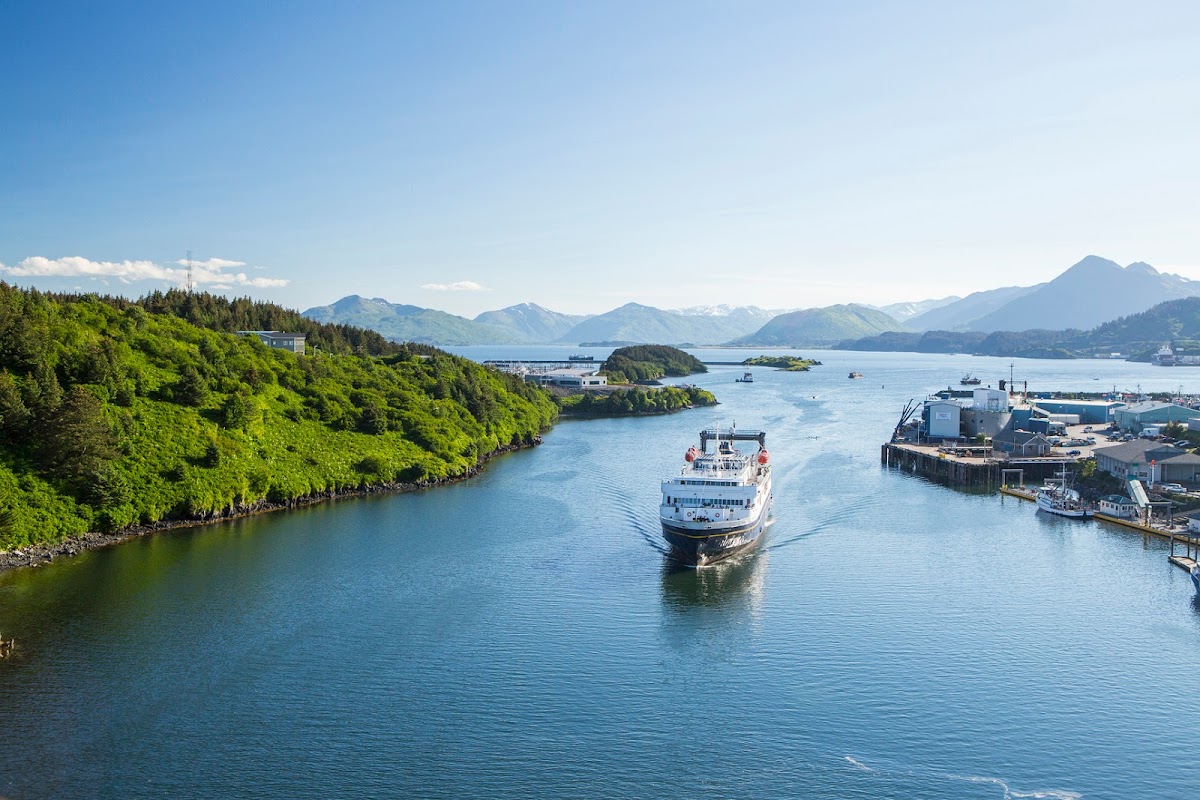
Kodiak is an Alaska port for travelers who want working-harbor grit, wild edges, and a day that feels specific to the island.
Upcoming visits
11
Best fare
$364 per night
Kodiak is an Alaska port for travelers who want working-harbor grit, wild edges, and a day that feels specific to the island.
Find Kodiak on Google Maps before you plan the port day.
Kodiak is not a polished port built around a single postcard moment, and that is exactly the appeal. A cruise stop here can swing from WWII bunkers and cold-water viewpoints to Russian Orthodox heritage, seafood operations, Native craft, and bear-focused flightseeing. The island reads as practical and rugged rather than staged, so the best day is not about checking off a long list. Pick one strong outdoor anchor, then add a cultural stop if your schedule allows.
For most cruise passengers, Kodiak rewards a little decisiveness. Fort Abercrombie State Park is the easiest headline choice if you want scenery, history, and a real walk in one plan. A bear viewing flight is the splurge move for wildlife obsessives, while the Baranov Museum and St. Herman sites give context to Kodiak's layered past. If you prefer the port's working side, fisheries, local artisans, kayaking, and the seasonal Crab Festival offer a less obvious but more textured version of Alaska.
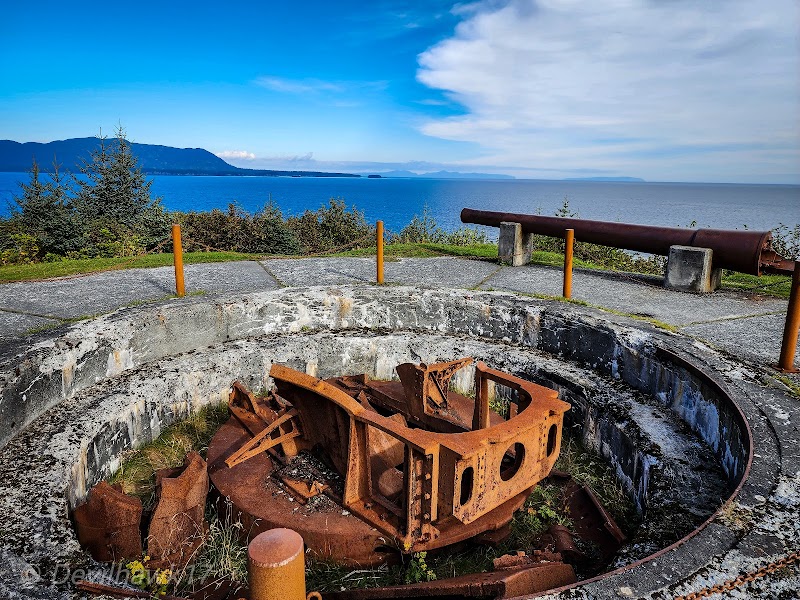
Fort Abercrombie State Park is the most efficient Kodiak choice because it stacks several port-day wins into one stop: ocean views, trail time, WWII bunkers, and a route toward Miller Point lighthouse. It suits travelers who want to move without committing to a full adventure excursion. The historic military remains give the walk some edge, while the coastal setting keeps it visually strong even if you are not deep into history. If you only want one Kodiak plan that feels active, local, and easy to understand, start here.
Choose Fort Abercrombie if you want scenery and history without overbuilding the day.
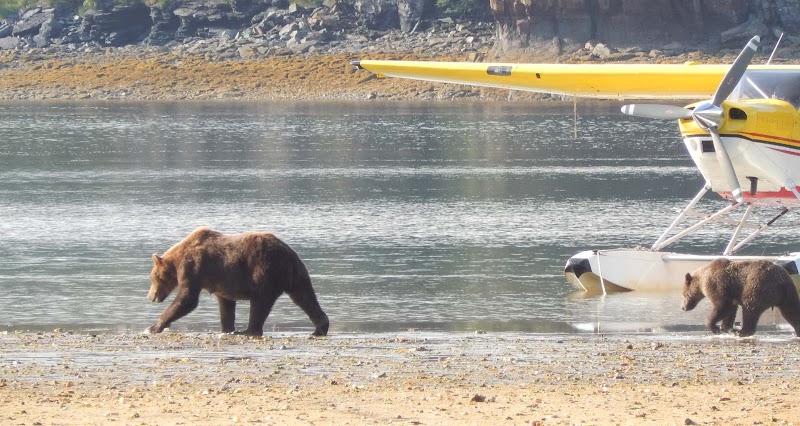
A bear viewing flight is the high-commitment Kodiak move: a floatplane trip to Katmai with the possibility of seeing grizzlies fishing for salmon. This is not the casual add-on you squeeze between museum stops. It is for travelers who came to Alaska for wildlife at scale and are willing to let one experience define the day. If that sounds like you, prioritize it early and treat everything else as optional. If you are more interested in town texture, history, or a lower-key port call, Kodiak has better fits.
WWII bunkers, trails to Miller Point lighthouse. Ocean views. Historic park.
Join parades, king crab races, local fest. Fun immersion. Alaskan party.
Visit seminary, Russian Orthodox sites. Orthodox culture. Island roots.
Russian America Company artifacts in old barracks. Fur trade history. Colonial trove.
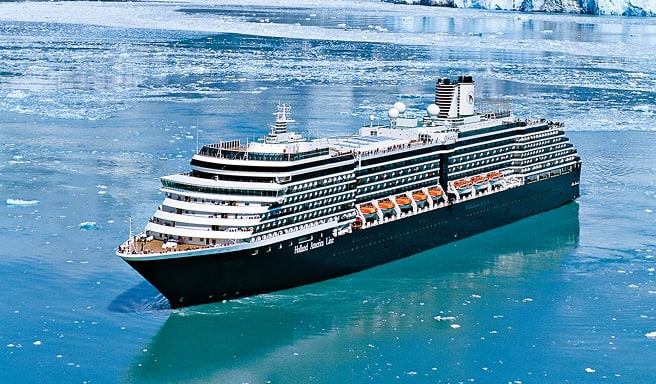
Current sailings visiting this port, sorted by the lowest tracked cabin price per night.
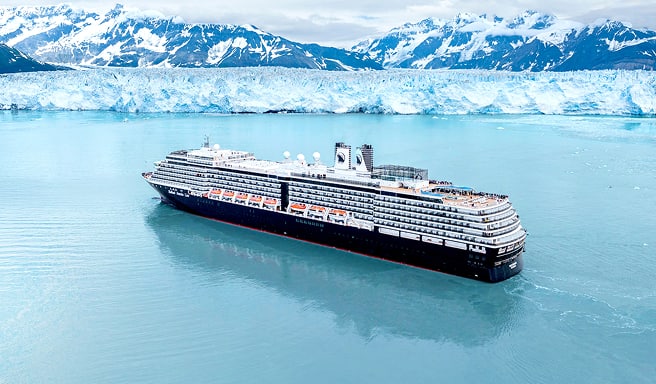
Built 2003
Vancouver · Valdez · Kodiak · Anchorage · Juneau · Ketchikan · Prince Rupert · Victoria
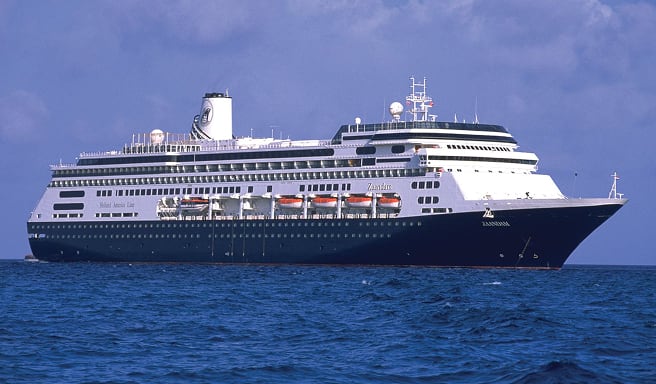
Built 2004
Tokyo · Kushiro · Kodiak · Juneau · Ketchikan · Vancouver
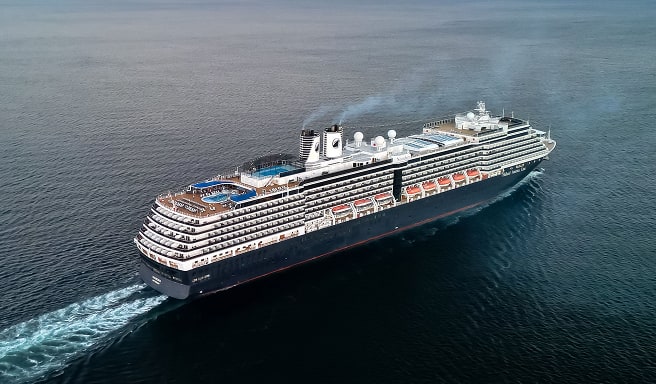
Built 2000
Vancouver · Sitka · Anchorage · Homer · Kodiak · Valdez · Glacier Bay · Juneau · Wrangell · Ketchikan · Prince Rupert
Built 2006
Tokyo · Kushiro · Kodiak · Sitka · Ketchikan · Prince Rupert · Seattle
Built 2000
Vancouver · Sitka · Valdez · Kodiak · Homer · Anchorage · Glacier Bay · Juneau · Wrangell · Ketchikan · Prince Rupert
Built 2000
Vancouver · Juneau · Valdez · Kodiak · Homer · Anchorage · Icy Strait Point · Glacier Bay · Wrangell · Ketchikan · Prince Rupert
Built 2006
Seattle · Kodiak · Anchorage · Valdez · Juneau · Ketchikan · Prince Rupert
Built 2006
Tokyo · Kobe · Kochi · Kagoshima · Fukuoka · Sokcho · Kanazawa · Sakata · Hakodate · Aomori · Miyako · Kushiro · Kodiak · Sitka · Ketchikan · Prince Rupert · Seattle
Built 2006
Seattle · Kodiak · Anchorage · Juneau · Icy Strait Point · Misty Fjords · Prince Rupert
Built 2006
Seattle · Kodiak · Anchorage · Valdez · Juneau · Ketchikan · Prince Rupert
Built 2006
Seattle · Ketchikan · Sitka · Icy Strait Point · Valdez · College Fjord · Dutch Harbor · Nome · Kodiak · Anchorage · Glacier Bay · Haines · Juneau · Wrangell · Prince Rupert
Wildlife-first travelers who would rather have one unforgettable sighting than several smaller stops.
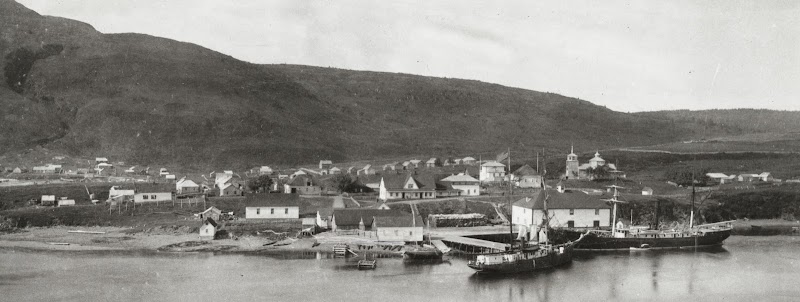
The Baranov Museum is the right counterweight to Kodiak's outdoor stops. Set in old barracks, it focuses on Russian America Company artifacts, fur trade history, and the colonial layers that shaped the island. For cruise passengers, the appeal is focus: it gives you a sharper read on Kodiak without turning the day into a long history lecture. Pair it with Fort Abercrombie if you want both landscape and context, or use it as a compact anchor when you prefer culture over hiking, paddling, or flightseeing.
St. Herman and Kodiak's Russian Orthodox heritage add a quieter layer to the port. Seminary and Orthodox sites are not designed for the fastest, flashiest shore day, but they matter if you want to understand the island beyond fishing boats and wild coastline. This is a strong choice for travelers who like sacred spaces, cultural continuity, and the details that make one Alaska port feel different from another. It also pairs naturally with the Baranov Museum, creating a compact cultural route rather than a scattered sightseeing loop.
Combine St. Herman heritage sites with the Baranov Museum for a culture-focused Kodiak day.
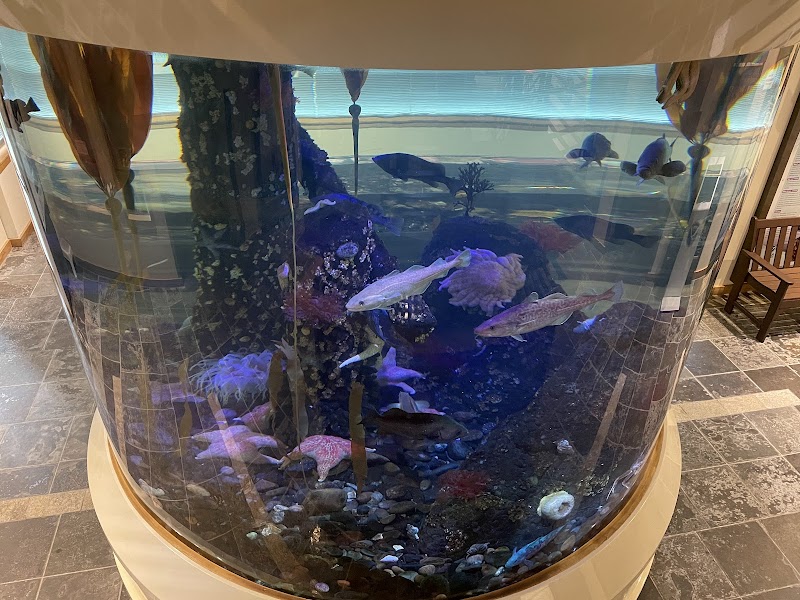
Kodiak Fisheries is for travelers who would rather see how a place works than pose in front of it. Cannery operations, crab processing, and fresh seafood connect the port to its everyday economy, which can be more memorable than another scenic overlook. It is especially good if your Alaska trip has started to blur into mountains and water and you want a grounded, human-scale stop. Think of it as a texture play: not the grandest Kodiak experience, but one that makes the harbor feel real.
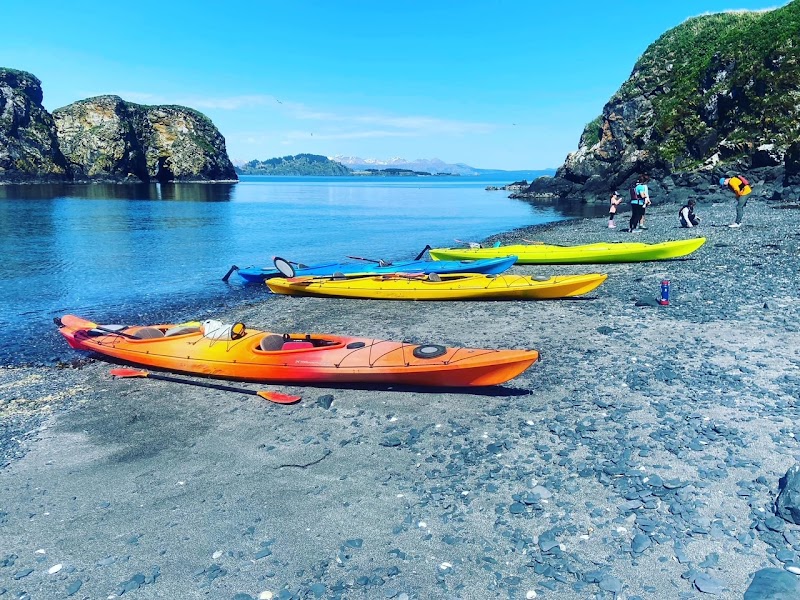
Surge Bay Kayaking offers a calmer way to meet Kodiak's coast, with guided paddling in protected-feeling bays and the chance to spot seals. It fits active travelers who want silence, water-level views, and a slower rhythm than a flightseeing day. If you prefer staying drier and more interpretive, Near Island Nature Center brings together an aquarium, trails, sea otters, and hands-on coastal education. Both options work best when you want nature without making the port stop feel like an expedition you have to recover from.
Pick kayaking for movement, or the nature center for an easier coastal education stop.
Floatplane to Katmai for grizzlies fishing salmon. Bucket list. Wildlife epic.
Watch cannery ops, crab processing. Fresh seafood. Working waterfront.
Aquarium, trails, sea otters. Hands-on. Coastal education.
Aleut basketry, carvings workshop. Native crafts. Cultural touch.