US
Cruises to Glacier Bay
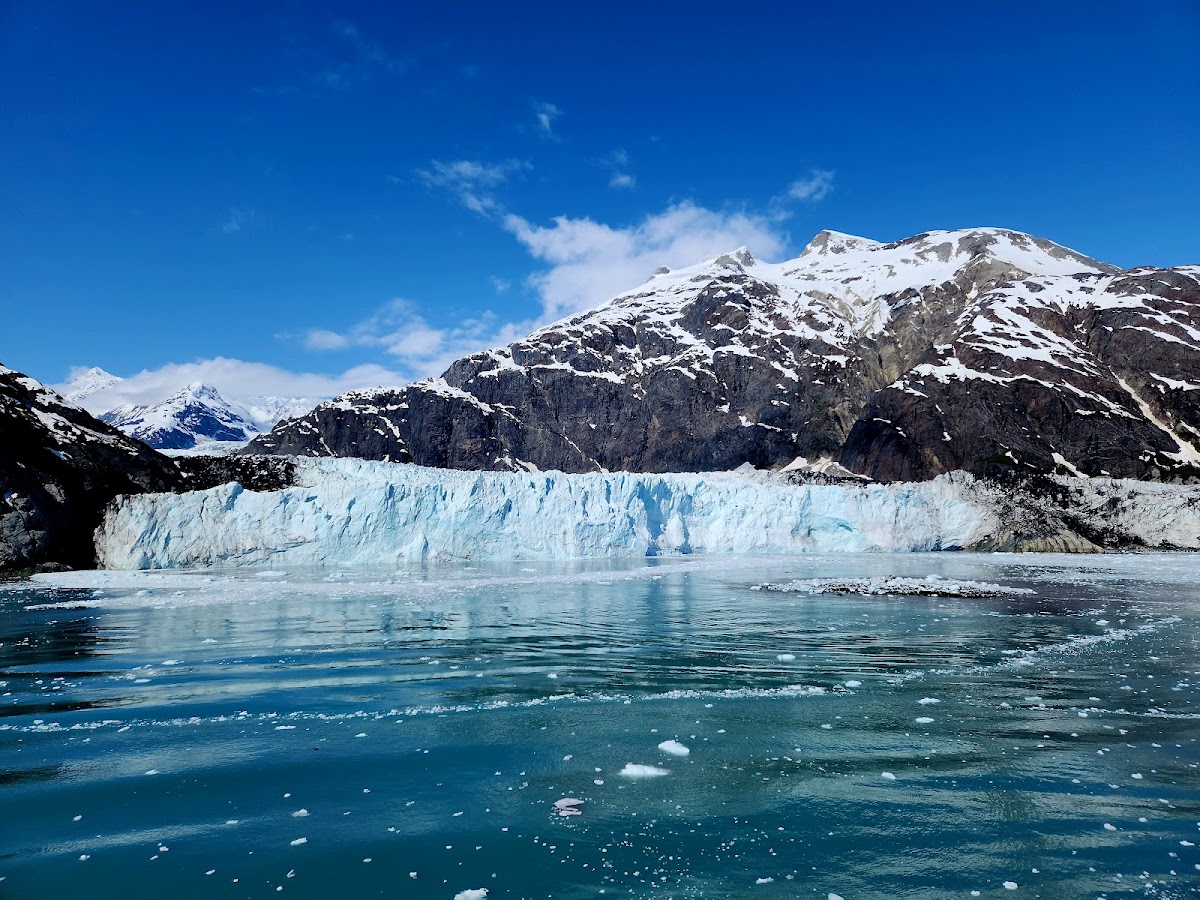
Glacier Bay is less a port stop than a slow-motion front-row seat to ice, wildlife, and fjords you came to Alaska to see.
Upcoming visits
467
Best fare
$360 per night
Glacier Bay is less a port stop than a slow-motion front-row seat to ice, wildlife, and fjords you came to Alaska to see.
Find Glacier Bay on Google Maps before you plan the port day.
Glacier Bay is the rare cruise call where staying on the ship is not settling. The deck is the point: ice walls, fjords, seal-filled inlets, and long stretches where the best plan is to listen, look, and resist the urge to multitask. This is not a port for a shopping-and-snacks wander. It is for travelers who booked Alaska because they wanted scale, silence, and the weird tension of watching a landscape that is both ancient and visibly moving. Pack patience before you pack a schedule for this one.
The strongest Glacier Bay day is built around priorities, not mileage. Marjorie Glacier is the obvious headliner, Grand Pacific adds a harsher, moodier kind of ice drama, and the inlets and beaches reward anyone with binoculars and a little focus. If your sailing offers ranger narration, use it; context makes the calving, wildlife behavior, and geography feel less like scenery passing by and more like a story unfolding in real time. If there is shore access, treat it as a bonus, not the main event.
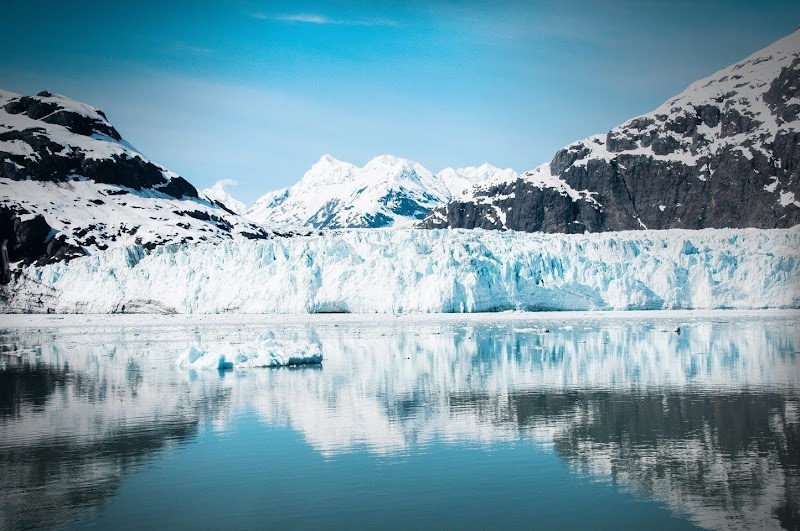
Marjorie Glacier is the one you make time for, even if you are usually allergic to standing at the rail with a crowd. It is a massive tidewater glacier, and the drama is not subtle: blue-white ice, floating bergs, and the chance of calving while the ship holds the view. Ranger narration is especially useful here because it turns a pretty wall of ice into something you can actually read. This is the priority for first-time Alaska cruisers, photographers, and anyone who wants the classic Glacier Bay moment without needing an excursion.
If you only fully focus for one Glacier Bay sight, make it Marjorie Glacier.
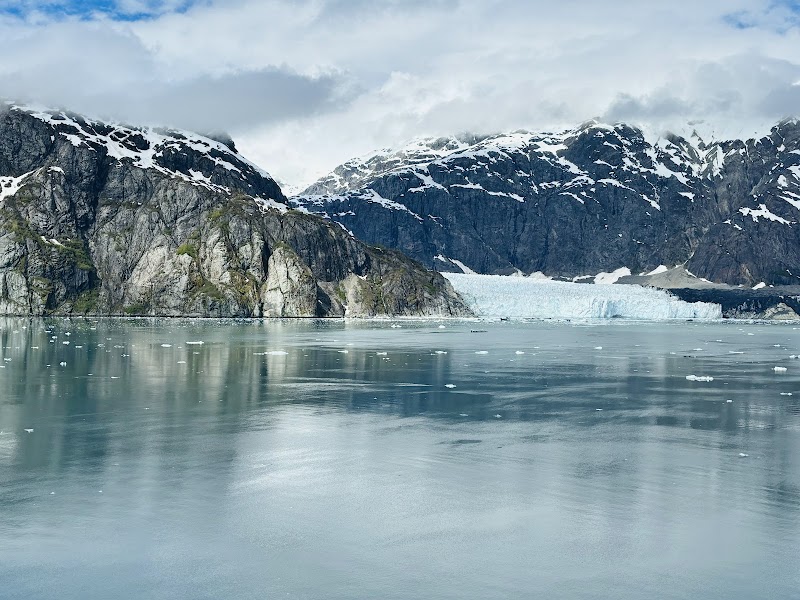
Grand Pacific Glacier is not trying to look pristine, which is exactly why it is interesting. Its darker, dirt-streaked ice wall rises about 180 feet above the water, giving the scene a rougher edge than the cleaner blue tones most travelers expect. On clear days, its visible advance can make the bay feel active rather than static. Prioritize it if you like landscapes with texture and context, or if you want a counterpoint to Marjorie Glacier instead of another version of the same postcard.
Massive tidewater glacier calving icebergs; viewed from cruise ship. Ranger narration enhances the spectacle.
Dirty blue ice wall towering 180ft above water. Dramatic advance visible on clear days.
Harbor seal rookery amid ice floes. Wildlife hotspot.
Current sailings visiting this port, sorted by the lowest tracked cabin price per night.
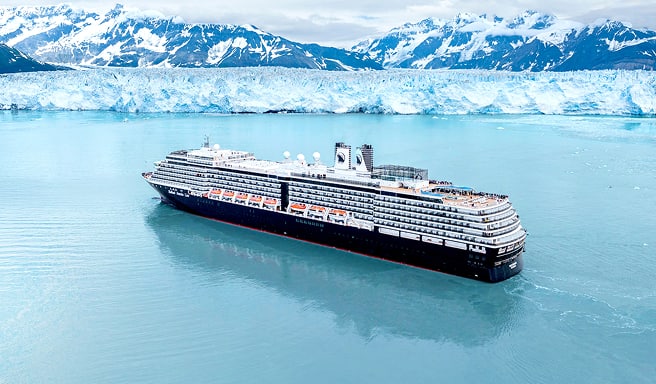
Built 2004
Vancouver · Ketchikan · Juneau · Skagway · Glacier Bay · College Fjord · Whittier
Built 2004
Vancouver · Ketchikan · Juneau · Skagway · Glacier Bay · College Fjord · Whittier · Icy Strait Point
Built 2004
Whittier · Glacier Bay · Skagway · Juneau · Ketchikan · Vancouver
Built 2004
Vancouver · Ketchikan · Juneau · Skagway · Glacier Bay · College Fjord · Whittier
Built 2003
Vancouver · Ketchikan · Juneau · Skagway · Glacier Bay · College Fjord · Whittier
Built 2008
Vancouver · Ketchikan · Juneau · Skagway · Glacier Bay · College Fjord · Whittier
Built 2010
Fairbanks · Denali · Anchorage · Girdwood · Whittier · Glacier Bay · Skagway · Juneau · Ketchikan · Vancouver
Built 2004
Vancouver · Ketchikan · Juneau · Skagway · Glacier Bay · College Fjord · Whittier
Built 2000
Vancouver · Tracy Arm · Juneau · Skagway · Glacier Bay · Ketchikan
Built 2008
Vancouver · Tracy Arm · Juneau · Skagway · Glacier Bay · Ketchikan
Built 2000
San Diego · Klawock · Juneau · Glacier Bay · Wrangell · Ketchikan · Prince Rupert · Vancouver
Built 2004
Whittier · Glacier Bay · Skagway · Juneau · Ketchikan · Vancouver
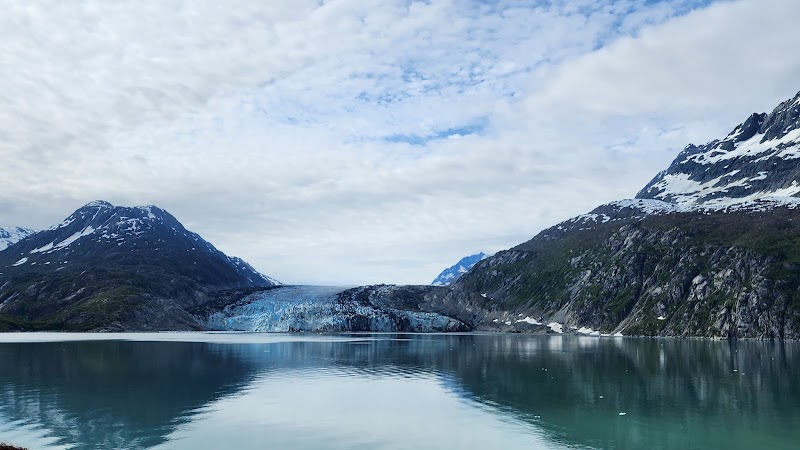
Johns Hopkins Inlet is where Glacier Bay starts to feel less like a glacier gallery and more like habitat. The inlet is known for harbor seals among ice floes, so the experience rewards quiet attention more than quick snapshots. You are not chasing a guaranteed close-up; you are scanning the water, the ice, and the shoreline for small movements against a huge backdrop. It fits wildlife-focused travelers, patient photographers, and anyone who understands that the best Alaska moments often appear at the edge of the frame.
This is the kind of place where small details make the biggest difference.
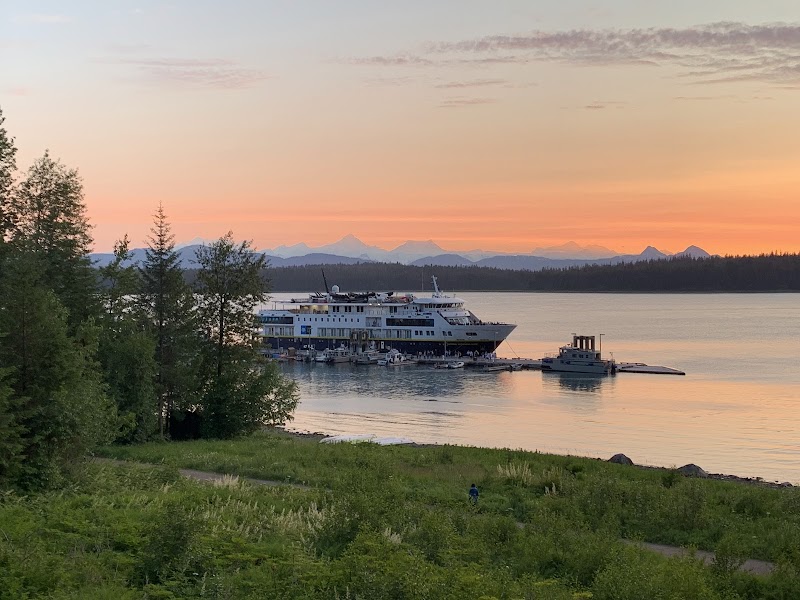
Bartlett Cove matters because it is the version of Glacier Bay where your feet can potentially do something. The area has a visitor center with exhibits, kayak launches, and access to forest walks nearby, which gives context to all that ice and water. If your itinerary includes shore time here, use it to stretch, learn, and reset your sense of scale before or after the scenic cruising. It is best for curious travelers who want a tactile break from deck viewing, not for anyone expecting a busy town stop.
Shore access is a bonus in Glacier Bay, not the default reason to book it.
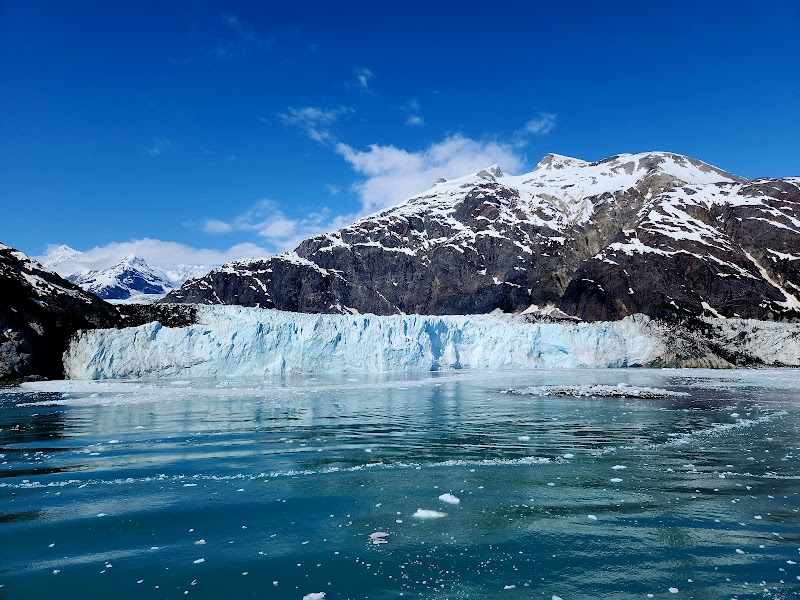
Laminaria Bay is a reminder to keep binoculars close even when the ship is not parked in front of a glacier. The draw here is brown bears foraging along the beaches, usually experienced as a shipboard scan rather than an up-close encounter. That makes it less flashy than calving ice, but potentially more rewarding for travelers who enjoy the slow hunt of wildlife watching. Prioritize it if you are willing to trade instant spectacle for the possibility of spotting behavior that feels unfiltered and wild.
Point Adolphus is the whale-watching lane of the Glacier Bay conversation, especially for humpbacks and the possibility of bubble-net feeding. It is also tied to sea kayak excursions, which makes it a better fit for travelers who want active water time rather than another hour at the rail. Treat it as an add-on if your sailing or extended plans make it realistic, not something to assume from every Glacier Bay call. For wildlife obsessives, though, it is the kind of place that can rebalance the whole trip.
Wildlife-first travelers who want whales and active water time on the radar.
Visitor center with exhibits and kayak launches. Shore access point.
Brown bear foraging beaches. Binocular views from ship.
Short trails to inlet overlooks. Solitude amid fjords.
Whale watching prime spot; humpbacks bubble-net feeding. Sea kayak excursions.