JP
Cruises to Kanazawa
Kanazawa is a high-texture Japan port where gardens, preserved districts, markets, and samurai history fit better than a frantic checklist.
Upcoming visits
17
Best fare
$360 per night
Kanazawa is a high-texture Japan port where gardens, preserved districts, markets, and samurai history fit better than a frantic checklist.
Find Kanazawa on Google Maps before you plan the port day.
Kanazawa is not the loudest Japan cruise call, which is exactly its advantage. The city is strongest when you treat it as a layered cultural day: a famous garden, castle grounds, old teahouse lanes, seafood grazing, and a little contemporary weirdness if you want a reset. The visual memory here is not one skyline shot. It is stone walls, lanterns, ponds, narrow streets, lacquered wood, market counters, and the feeling that the old city still has edges you can actually walk through.
The smart Kanazawa plan is selective. Kenrokuen Garden and Kanazawa Castle make the cleanest anchor because they sit naturally together, while Higashi Chaya and Nagamachi give you two different versions of historic Kanazawa: teahouse culture on one side, samurai lanes on the other. Add Omicho Market if food is part of the point, or choose between the 21st Century Museum of Contemporary Art and Myoryuji Temple if you want the day to lean more modern or more eccentric. This is a port for travelers who like detail over spectacle.
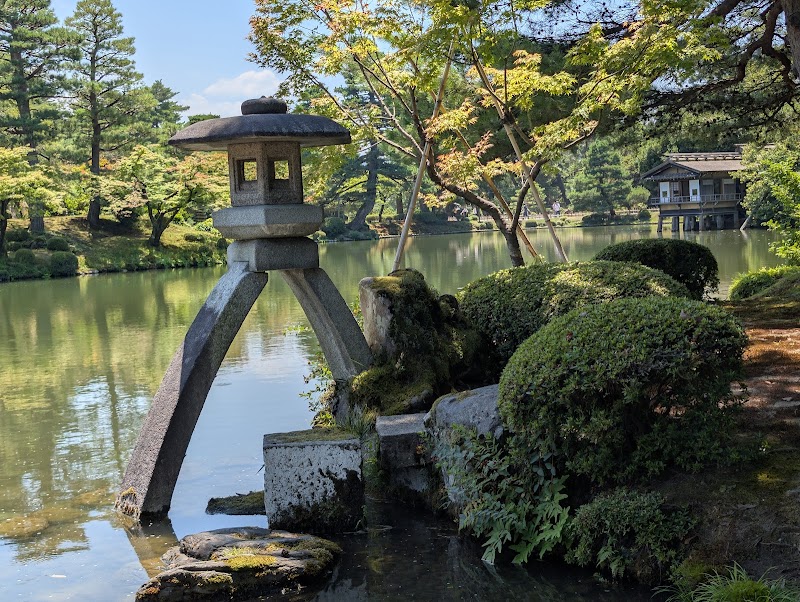
Kenrokuen Garden is the obvious first priority, and for once the obvious choice is the right one. This is one of Japan's most celebrated gardens, with ponds, teahouses, carefully framed views, and the snow-view lanterns that tend to define the postcard image of Kanazawa. For cruise passengers, it works because it delivers a concentrated sense of place without needing a complicated plan. Go slow here. The value is in the pacing: water, stone, trees, bridges, and small shifts in perspective. If you only have room for one major stop, make it this.
Kenrokuen gives the day its visual anchor and pairs naturally with the castle nearby.
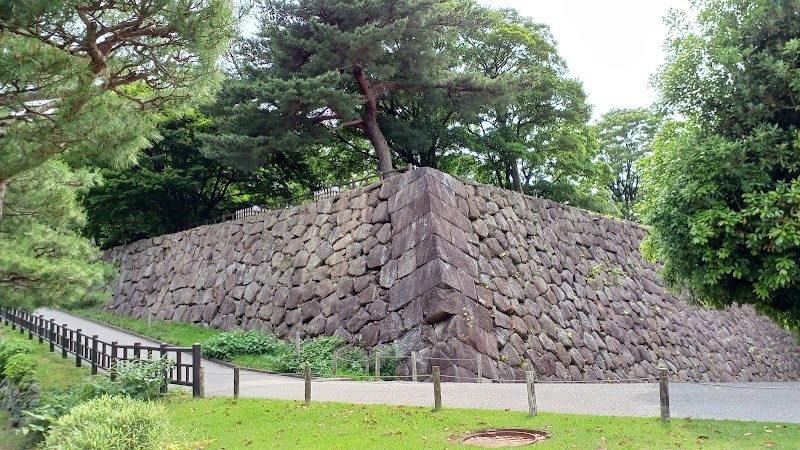
Kanazawa Castle is the natural follow-up to Kenrokuen, especially if you want history without turning the day into a museum crawl. The restored samurai fortress is built for strong photos: diamond-pattern walls, the Ishikawa Gate, and broad grounds that let you step back and see the architecture properly. It is less about one blockbuster interior moment and more about scale, texture, and context. Pairing garden and castle gives first-time visitors the classic Kanazawa spine: refined landscape design on one side, martial power and stonework on the other.
One of Japan's top three gardens; snow-view lanterns, ponds, teahouses year-round. Stroll perfection. Near castle.
Preserved teahouses where geisha entertained; peek into okiya, rent kimono. Atmospheric walks.
Restored samurai fortress with diamond-pattern walls, Ishikawa Gate. Grounds for photos. Historic park.
Fresh seafood, Kaga veggies, gold leaf ice cream. Street food heaven. Lively arcade.
Current sailings visiting this port, sorted by the lowest tracked cabin price per night.
Built 2004
Tokyo · Miyako · Hakodate · Aomori · Akita · Niigata · Kanazawa · Sakaiminato · Busan · Nagasaki · Mount Fuji · Muroran · Kagoshima
Built 2004
Tokyo · Toba · Wakayama · Kochi · Kagoshima · Yatsushiro · Busan · Kanmon Strait · Hiroshima · Miyako · Hakodate · Aomori · Akita · Niigata · Kanazawa · Sakaiminato · Nagasaki · Mount Fuji
Built 2004
Tokyo · Miyako · Hakodate · Aomori · Akita · Niigata · Kanazawa · Sakaiminato · Busan · Nagasaki · Mount Fuji
Built 2004
Tokyo · Aomori · Sakata · Kanazawa · Sakaiminato · Busan · Nagasaki · Kagoshima · Beppu · Kochi · Osaka · Mount Fuji
Built 2006
Seattle · Ketchikan · Kushiro · Aomori · Tokyo · Mount Fuji · Osaka · Hiroshima · Busan · Sakaiminato · Maizuru · Kanazawa · Hakodate · Miyako · Hitachinaka
Built 2006
Tokyo · Mount Fuji · Nagoya · Kobe · Ishinomaki · Hakodate · Akita · Kanazawa · Maizuru · Seoul
Built 2006
Tokyo · Ishinomaki · Hakodate · Aomori · Akita · Niigata · Kanazawa · Busan · Shimonoseki · Hiroshima · Kochi · Osaka · Nagoya · Mount Fuji
Built 2006
Tokyo · Kobe · Kochi · Kagoshima · Fukuoka · Sokcho · Kanazawa · Sakata · Hakodate · Aomori · Miyako · Kushiro · Kodiak · Sitka · Ketchikan · Prince Rupert · Seattle
Built 2006
Tokyo · Mount Fuji · Osaka · Hiroshima · Busan · Sakaiminato · Maizuru · Kanazawa · Hakodate · Miyako · Hitachinaka · Kochi · Fukuoka · Yeosu · Niigata · Aomori
Built 2006
Tokyo · Kochi · Kagoshima · Nagasaki · Seoul · Jeju · Busan · Fukuoka · Osaka · Mount Fuji · Hiroshima · Sakaiminato · Maizuru · Kanazawa · Hakodate · Miyako · Hitachinaka
Built 2006
Tokyo · Nagoya · Mount Fuji · Osaka · Kochi · Hiroshima · Kagoshima · Nagasaki · Busan · Sakaiminato · Kanazawa · Akita · Hakodate · Ishinomaki
Built 2006
Tokyo · Mount Fuji · Osaka · Hiroshima · Busan · Sakaiminato · Maizuru · Kanazawa · Hakodate · Miyako · Hitachinaka · Kobe · Kochi · Kagoshima · Fukuoka · Sokcho · Sakata · Aomori
Do Kenrokuen and Kanazawa Castle together before adding more neighborhoods.
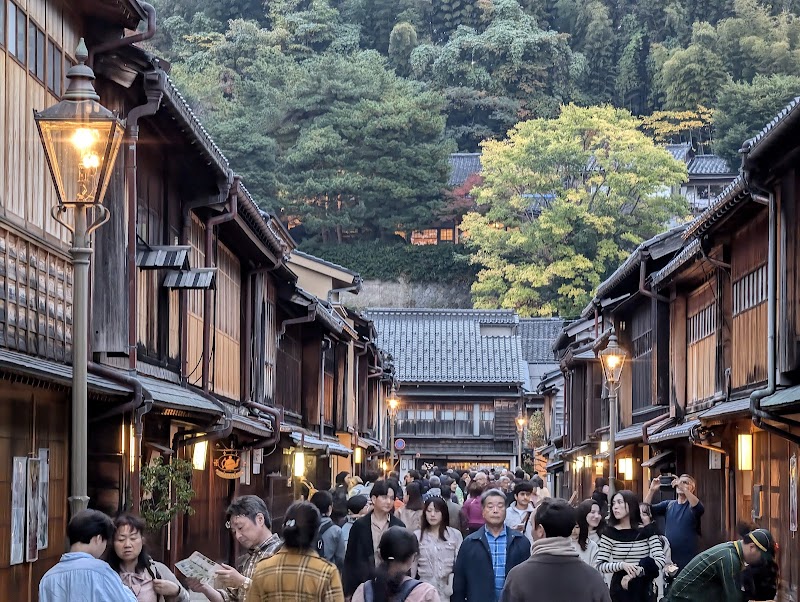
Higashi Chaya is where Kanazawa shifts from grand spaces to narrow-street mood. The preserved teahouses recall the world where geisha entertained, and the district rewards travelers who care about facades, woodwork, and atmosphere as much as formal sightseeing. You can peek into okiya or lean into the dress-up side of the neighborhood with a kimono rental, but the essential experience is simply walking with your eyes open. If your cruise day needs one photogenic historic district, choose Higashi Chaya; if you prefer quieter edges, save some energy for Kazuemachi nearby.
Photographers, slow walkers, and anyone who wants old Kanazawa without a lecture-heavy stop.
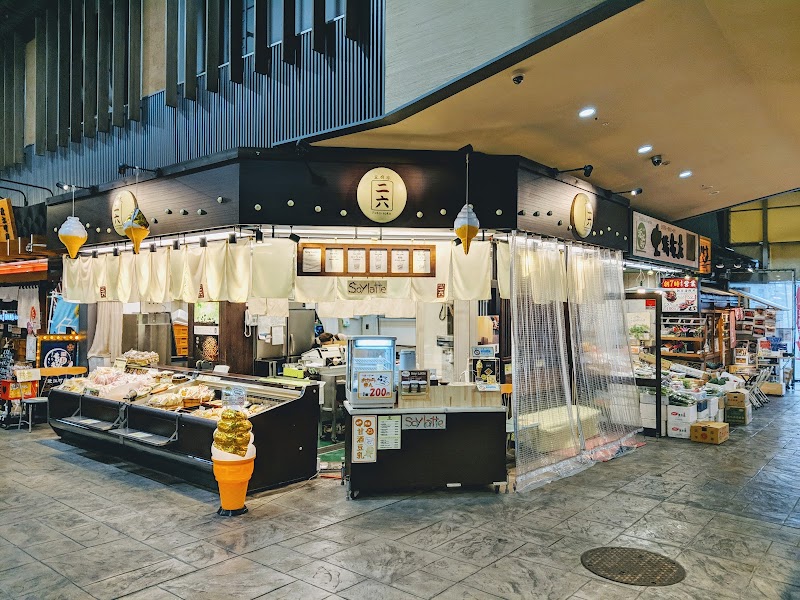
Omicho Market is the stop to add when you want the day to taste like Kanazawa, not just look like it. The lively arcade is known for fresh seafood, Kaga vegetables, and gold leaf ice cream, which makes it a useful break between heritage-heavy sights. It is also a good choice for groups with mixed attention spans: some people can snack, some can browse, and nobody has to commit to a long sit-down meal. Prioritize it if food is your travel language, or use it as a reset before heading into another district.
Market grazing works best as a midday pivot between sightseeing clusters.
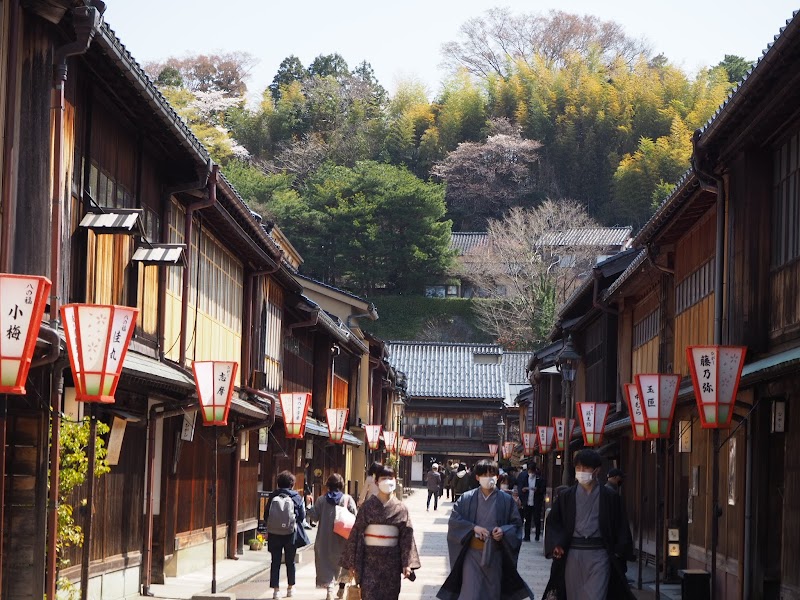
Nagamachi Samurai District gives Kanazawa a different historical register from Higashi Chaya. Instead of teahouse elegance, the mood is more restrained: mud walls, narrow lanes, and the option to enter the Nomura family home. It is a strong pick for travelers who like neighborhoods that feel lived-in and specific rather than staged around a single monument. The district is especially useful if you have already done the castle and want to bring the samurai story down to street level. It is not the flashiest stop, but it deepens the day.
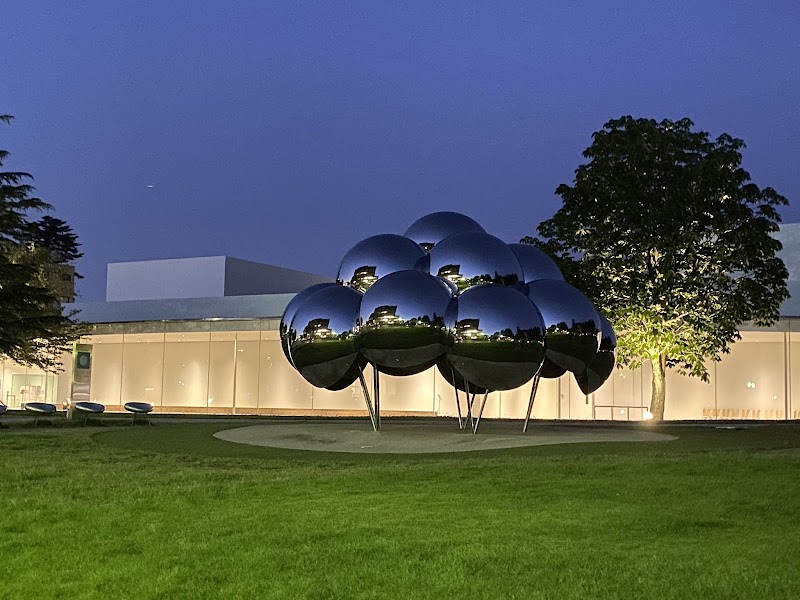
The 21st Century Museum of Contemporary Art is the right wildcard if your itinerary has been stacked with temples, castles, and old streets. Its glass-orb architecture and interactive installations give Kanazawa a clean modern counterpoint, and the space works well for families or travelers who prefer art that does not require hushed devotion. Do not force it into a schedule already packed with historic districts; it is better as a deliberate change of tone. If you want your port day to feel less period-piece and more current, this is the swing.
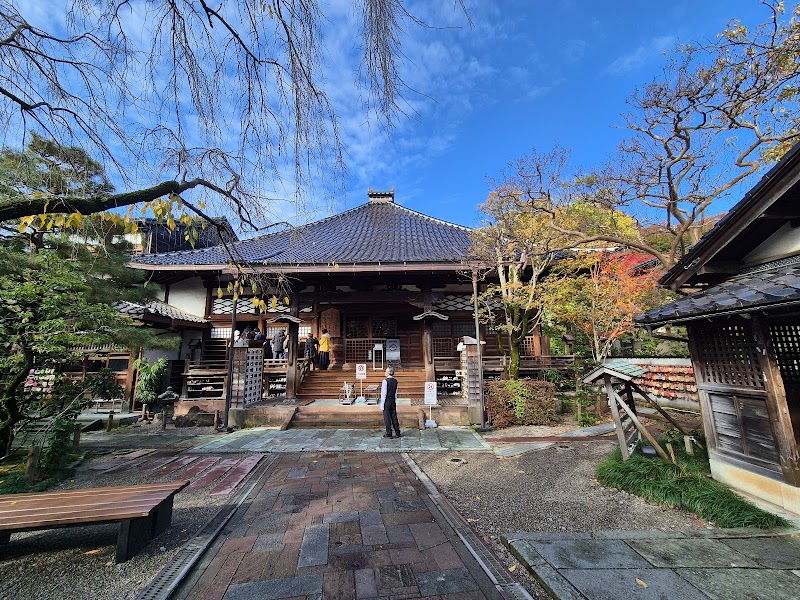
Myoryuji, often called the Ninja Temple, is the most planning-sensitive stop on this list. The appeal is its trapdoors, secret passages, and architectural misdirection, but visits are by guided tour only, so this is not the place to improvise at the last minute. It fits travelers who like clever design, odd histories, and experiences with a little tension built in. For a cruise day, make it a priority only if you are willing to plan around it. Otherwise, keep the day flexible and spend that time in the garden, market, or districts.
Myoryuji is guided-tour only, so treat it as a scheduled anchor rather than a casual drop-in.
Le Corbusier-inspired glass orb with interactive installations. Family fun. Modern twist.
Mud walls, Kaikaro teahouse; enter Nomura family home. Time travel to Edo.
Trapdoor-laden temple with secret passages; guided tours only. Thrilling illusions. Book ahead.
Colorful inner shrine torii contrast; Maeda mausoleum nearby. Spiritual interlude.