JP
Cruises to Hiroshima
Hiroshima is a port for travelers who want substance: a powerful city core, a world-famous island shrine, and calm detours that do not feel like filler.
Upcoming visits
37
Best fare
$261 per night
Hiroshima is a port for travelers who want substance: a powerful city core, a world-famous island shrine, and calm detours that do not feel like filler.
Find Hiroshima on Google Maps before you plan the port day.
Hiroshima is not a throwaway call between bigger Japanese ports. For cruise passengers, it offers two very different versions of a day ashore: a compact, emotionally heavy city route centered on Peace Memorial Park, or a longer excursion to Miyajima for the sea-facing torii gate at Itsukushima Shrine. Both are worthwhile, but they ask for different pacing. The best plan is not to squeeze them into a checklist. It is to decide early whether you want Hiroshima's history up close, the island image that sells the postcard, or a softer day built around gardens, art, and views.
What makes Hiroshima work as a cruise stop is that its key sights are not all the same kind of experience. Peace Memorial Park and the Atomic Bomb Dome are essential but intense. Shukkeien Garden and Hiroshima Castle give the day room to breathe. Orizuru Tower adds a modern viewpoint without turning the stop into a long transfer. Miyajima is the biggest visual payoff, but it needs a real time block. If your itinerary already has temples and city stops elsewhere in Japan, Hiroshima still stands apart because its meaning is specific, sobering, and hard to replicate.
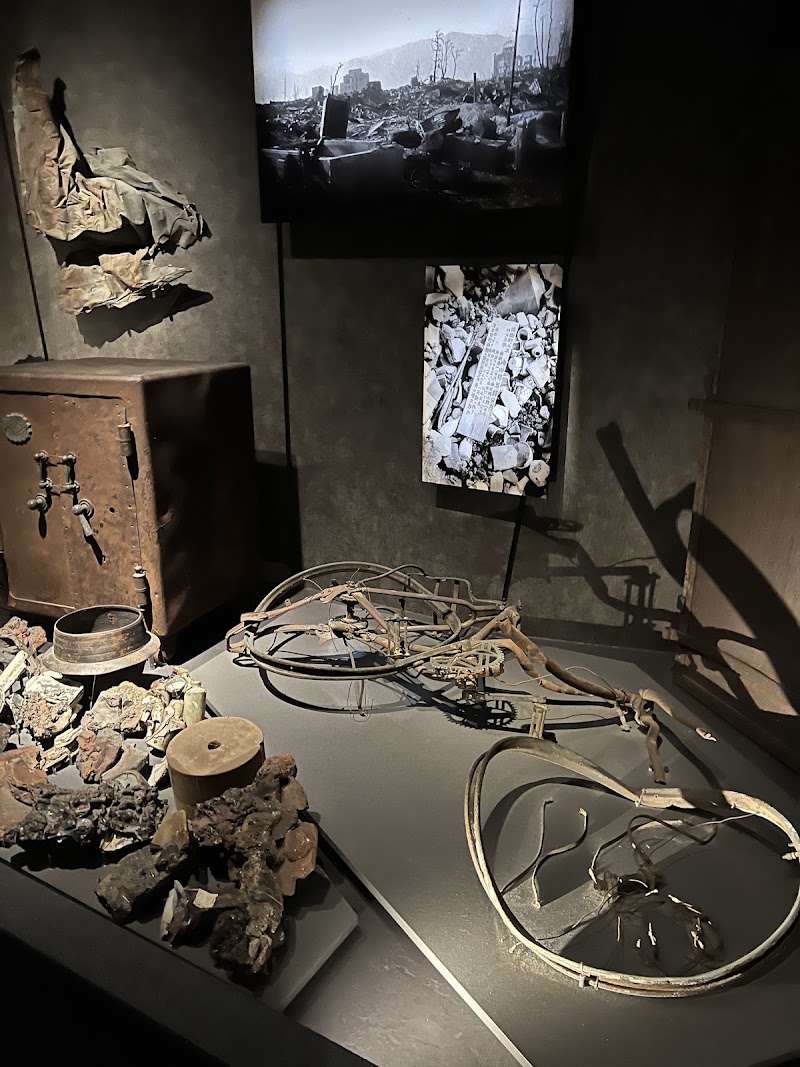
Peace Memorial Park and Museum is the stop to prioritize if you want Hiroshima to feel like more than a scenic pin on the map. The museum's exhibits are difficult, and that is the point: they frame the atomic bombing of 1945 through its human aftermath, not as abstract history. For cruise passengers, the park is also practical, with access from the port by tram and enough outdoor space to pace the visit. Give it unhurried time, then avoid overloading the rest of the day with too many heavy stops.
First-time visitors, history-focused travelers, and anyone who wants the port day to have real context.
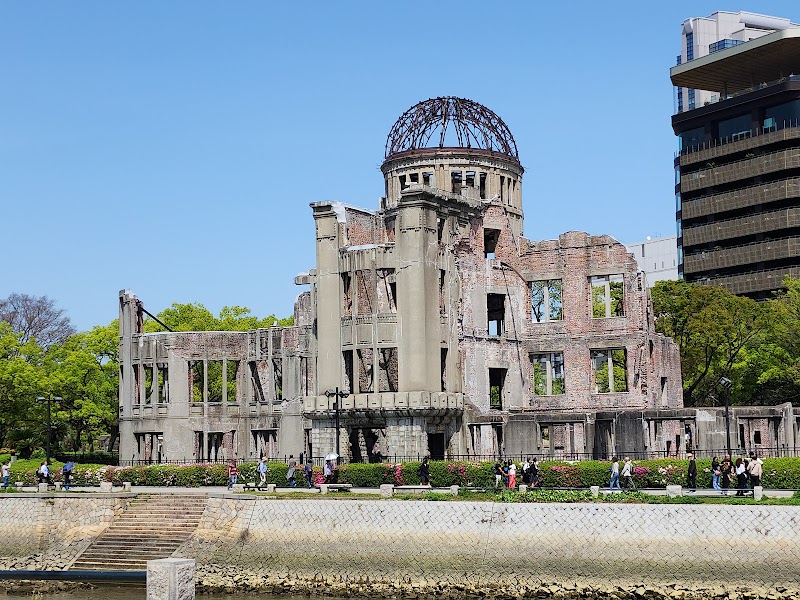
The Atomic Bomb Dome is often a quick stop for cruisers, but it deserves more than a drive-by. Preserved as it stood after the explosion, the structure is stark, graphic, and impossible to soften into a standard landmark. It is also central to the Peace Park experience, so it fits naturally before or after the museum. If your port time is limited, this is the single city sight that gives Hiroshima its clearest visual identity. It is photogenic, yes, but the more important reason to go is what it refuses to let you ignore.
Famous for its 'floating' torii gate in the sea, a UNESCO site reachable by short ferry from Hiroshima. Hike or cable car to Mount Misen for views. Iconic photo op, but plan for 3-4 hour excursion.
A UNESCO World Heritage site and haunting reminder of the bomb's devastation, preserved as it stood after the explosion. Photogenic and central to the Peace Park. Quick stop for most cruisers.
This poignant site commemorates the atomic bombing of 1945, with the museum offering harrowing exhibits on the event and its aftermath. Cruise passengers can walk the park, visit the iconic A-Bomb Dome, and reflect on peace efforts. Easily accessible from the port by tram.
Reconstructed feudal castle with museum on samurai history and city views from the top. Beautiful gardens surround it. Short taxi or bus from port.
Current sailings visiting this port, sorted by the lowest tracked cabin price per night.
Built 2000
Tokyo · Kobe · Hiroshima · Naha · Busan · Fukuoka · Nagasaki · Mount Fuji
Built 2000
Tokyo · Mount Fuji · Kobe · Kochi · Hiroshima · Busan · Nagasaki · Kagoshima
Built 2000
Tokyo · Kochi · Osaka · Fukuoka · Busan · Nagasaki · Kagoshima · Hiroshima · Mount Fuji
Built 2000
Tokyo · Mount Fuji · Kochi · Osaka · Fukuoka · Busan · Nagasaki · Kagoshima · Hiroshima
Built 2008
Tokyo · Mount Fuji · Osaka · Kochi · Busan · Nagasaki · Kagoshima · Hiroshima
Built 2000
Tokyo · Mount Fuji · Yatsushiro · Nagasaki · Busan · Fukuoka · Hiroshima · Kochi · Kobe
Built 2004
Tokyo · Nagoya · Toba · Tokushima · Kochi · Nagasaki · Busan · Kanmon Strait · Hiroshima · Beppu
Built 2000
Tokyo · Mount Fuji · Hiroshima · Fukuoka · Busan · Nagasaki · Kagoshima
Built 2004
Tokyo · Nagoya · Toba · Tokushima · Kochi · Nagasaki · Busan · Kanmon Strait · Hiroshima · Beppu · Wakayama · Kagoshima · Yatsushiro
Built 2004
Tokyo · Toba · Wakayama · Kochi · Kagoshima · Yatsushiro · Busan · Kanmon Strait · Hiroshima
Built 2004
Tokyo · Toba · Kochi · Busan · Nagasaki · Kagoshima · Matsuyama · Aburatsu · Kobe · Nagoya · Tokushima · Kanmon Strait · Hiroshima · Beppu
Built 2004
Tokyo · Toba · Wakayama · Kochi · Kagoshima · Yatsushiro · Busan · Kanmon Strait · Hiroshima · Miyako · Hakodate · Aomori · Akita · Niigata · Kanazawa · Sakaiminato · Nagasaki · Mount Fuji
Pair it with Peace Memorial Park rather than visiting it as an isolated landmark.
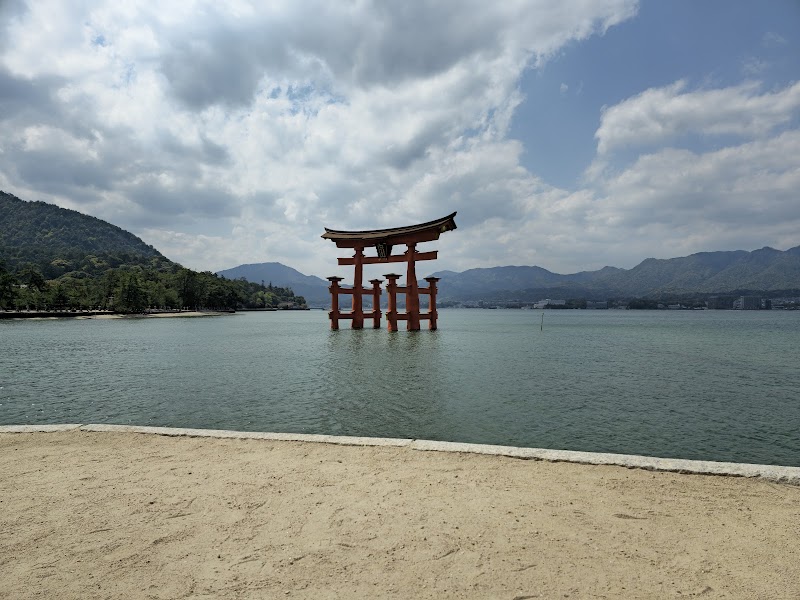
Itsukushima Shrine on Miyajima is the high-impact choice: the famous torii gate standing in the sea, the UNESCO status, and the island setting that makes the day feel distinct from a city tour. It is reachable by short ferry from Hiroshima, but it is not a casual add-on. Plan on a three- to four-hour excursion, especially if you want time for Mount Misen by hike or cable car. This is the right pick for travelers who would rather have one unforgettable image and a sense of place than sample five smaller stops.
This is a real excursion, not a spare-hour detour.
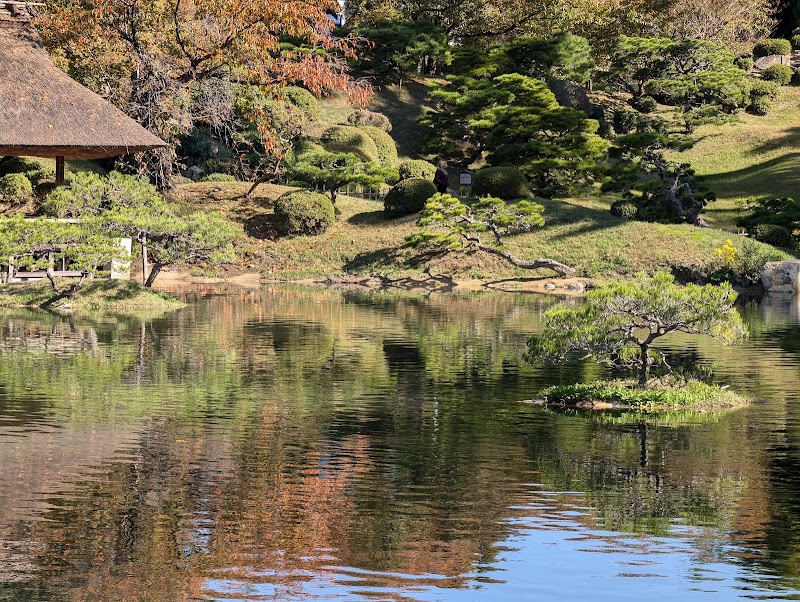
Shukkeien Garden is the smart counterweight to Hiroshima's heavier history. The landscape is built around ponds, tea houses, and quiet paths, with the option to pause for matcha rather than rush to the next monument. It works especially well after Peace Memorial Park, when you may want somewhere contemplative but not bleak. Because it sits adjacent to Hiroshima Castle, it can anchor a gentler city loop for travelers who prefer texture over transit. This is not the loudest stop in town, which is exactly why it earns its place.
A calmer city day, especially after the museum.
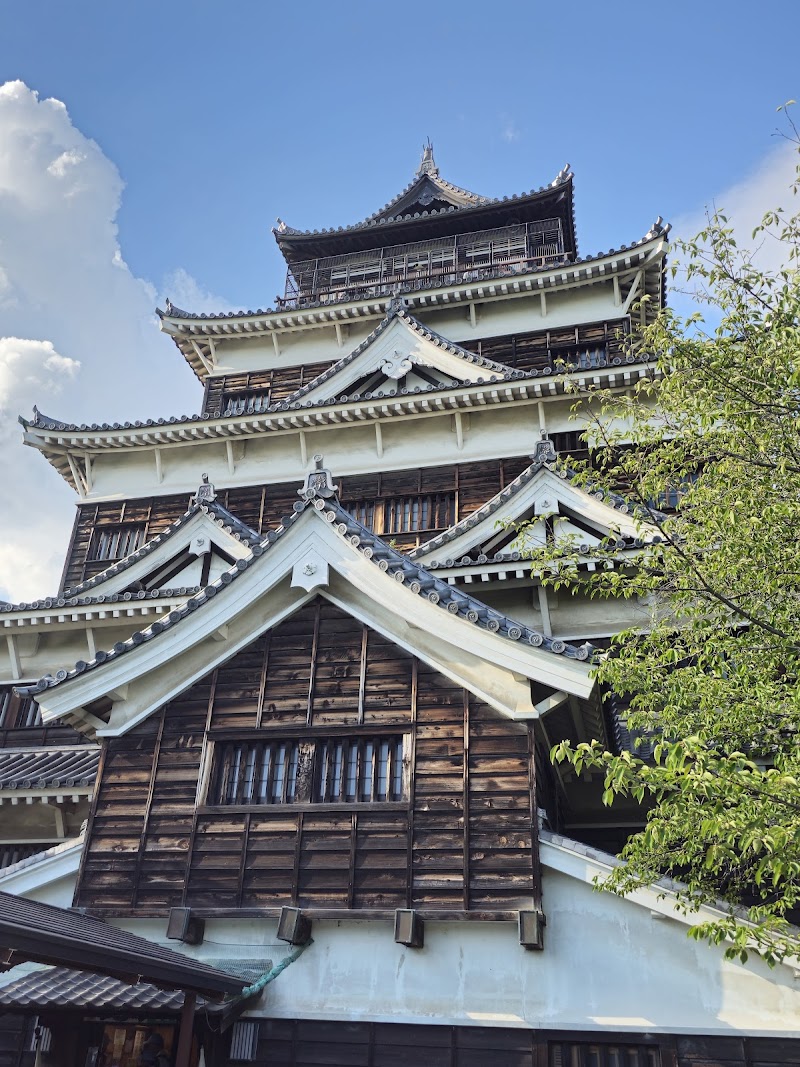
Hiroshima Castle is a reconstructed feudal castle, so go in with the right expectation: this is less about untouched antiquity and more about context, gardens, and a clean city viewpoint from the top. The museum content on samurai history gives the visit shape, while the surrounding greenery keeps it from feeling like a box-ticking indoor stop. It is a short taxi or bus ride from the port and pairs naturally with Shukkeien Garden. Choose it if you want a more classic Japan visual without dedicating the whole day to temple-hopping elsewhere.
Castle plus Shukkeien makes an easy, lower-stress city route.
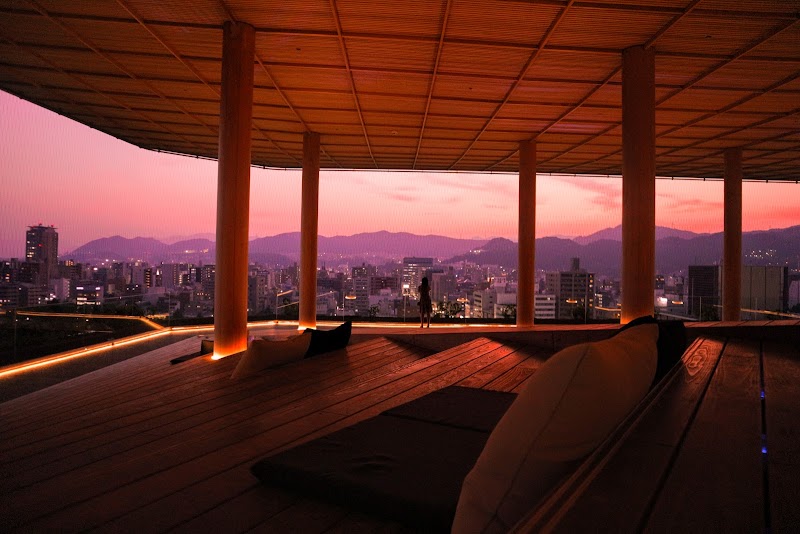
If your day needs a less intense final stop, Hiroshima has options. Orizuru Tower gives panoramic city views and a modern peace symbol through its crane sculptures. The Hiroshima Museum of Art is a quieter alternative with Western and Japanese works, including Chagall. Families already heading toward Miyajima can consider the public aquarium and its Seto Inland Sea marine life. Okunoshima, better known as Rabbit Island, is the quirky outlier: a former poison gas site now associated with wild rabbits, reached by ferry and best saved for travelers who want something unusual.
These are supporting acts; pick one based on your route rather than stacking them all.
Serene Japanese landscape garden with ponds, tea houses, and teahouse for matcha. Perfect for a peaceful stroll. Adjacent to castle.
Observation deck with 1,000 crane sculptures symbolizing peace. Panoramic city views. Modern addition near port.
Marine life from Seto Inland Sea, including dolphins. Family-friendly if near Miyajima.
Features Western and Japanese art, including Chagall works. Less crowded alternative to war sites.