NO
Cruises to Haugesund
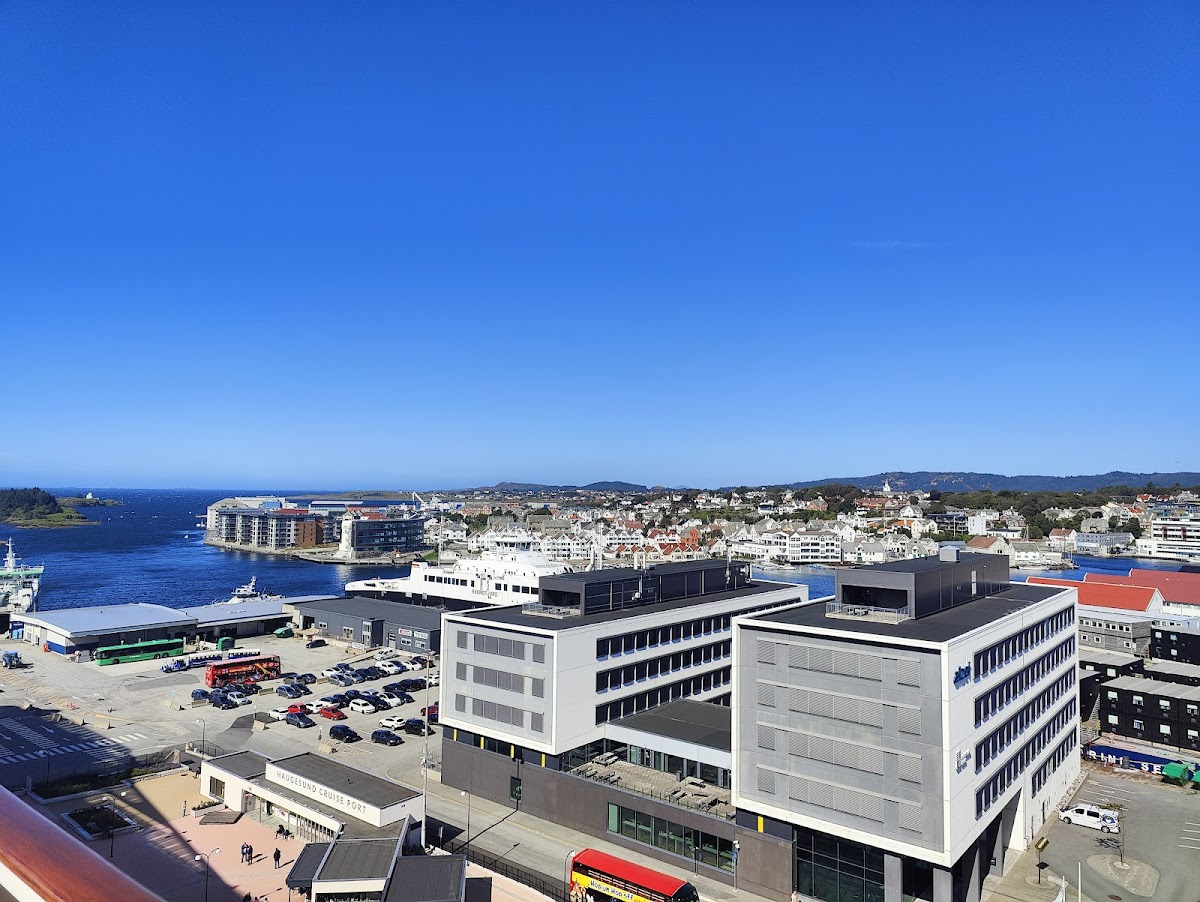
Haugesund is a compact Norway call where Viking memory, coastal viewpoints, and a few quietly strange local stops make the day feel distinct.
Upcoming visits
61
Best fare
$360 per night
Haugesund is a compact Norway call where Viking memory, coastal viewpoints, and a few quietly strange local stops make the day feel distinct.
Find Haugesund on Google Maps before you plan the port day.
Haugesund is not trying to compete with Norway's biggest-name fjord ports, and that is part of the appeal. This is a place to build a sharper, more specific port day around Viking history, stone architecture, coastal air, and smaller sights that do not feel interchangeable with every other stop in Northern Europe. If your cruise has already delivered big scenery, Haugesund works best as a textured reset: less spectacle-chasing, more connecting the region's history to the water and landscape around it.
The smartest plan is to pick one strong anchor, then add a couple of low-friction extras. Haraldshaugen gives the day its most visual, open-air moment. The Viking Village and St. Olav's Church go deeper into the region's medieval and saga-era layers. Risoya Island is the nature move if you want trails and viewpoints instead of indoor stops. Haugesund Town Hall and the Smedasmoen Rune Stone are better as add-ons, especially for travelers who like civic architecture, wartime history, or quick historical details tucked into the town fabric.
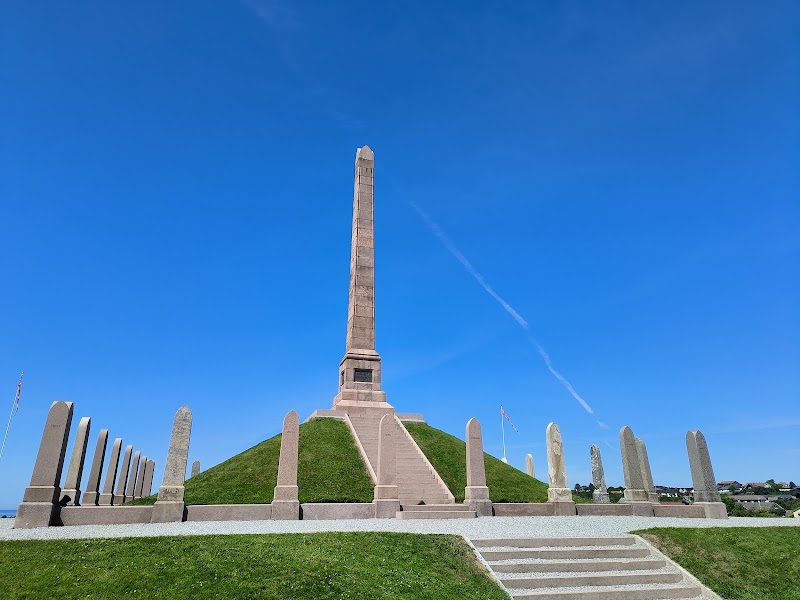
Haraldshaugen is the stop that gives Haugesund its clearest sense of place. The monument honors King Harald and sits in a coastal park, so the visit is as much about the setting as the history. For cruise passengers, that matters: you get a defined sight, fresh air, and a visual payoff without needing to turn the day into a marathon. Prioritize it if you want one essential photo stop with real cultural weight. It also works well for travelers who prefer open landscapes to museum-heavy sightseeing.
Choose Haraldshaugen if you want Haugesund's Viking story and coastal scenery in one clean hit.
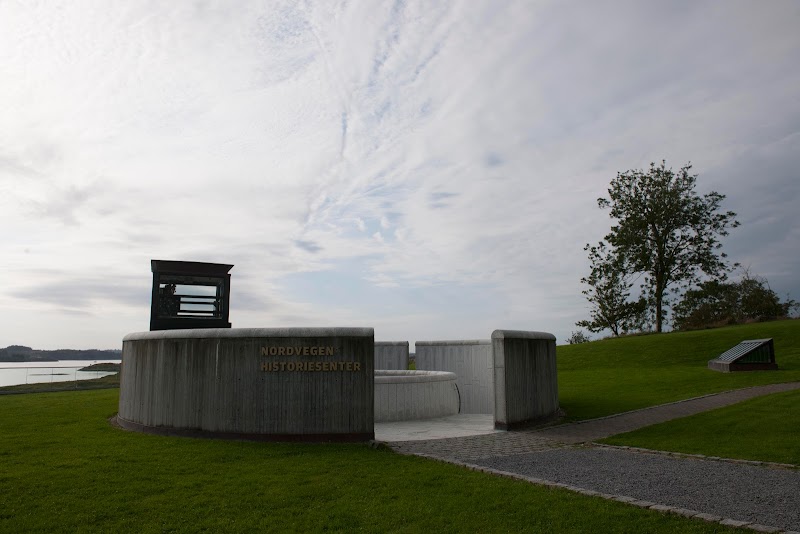
The Viking Village at Nordvegen Historiesenter is the better choice if you want the port day to feel hands-on rather than symbolic. Its living history farm and saga-focused museum turn the region's Viking identity into something more tangible: everyday life, storytelling, and material culture instead of just a monument in the landscape. This is a strong pick for families, history-curious travelers, and anyone who likes interpretive sites that do not feel overly polished. If your time is limited, pair it with Haraldshaugen for a focused Viking-themed day rather than scattering your energy across town.
Norway's largest Viking monument honoring King Harald. Scenic coastal park. National pilgrimage.
Living history farm and sagas museum. Hands-on Viking life. Educational fun.
13th-century stone church, Norway's oldest post-Viking. Frescoes and history. Sacred site.
Short ferry to hiking trails and viewpoints. Fjord panoramas. Nature escape.
Current sailings visiting this port, sorted by the lowest tracked cabin price per night.
Built 2020
Southampton · Haugesund · Ålesund · Nordfjordeid · Bruges
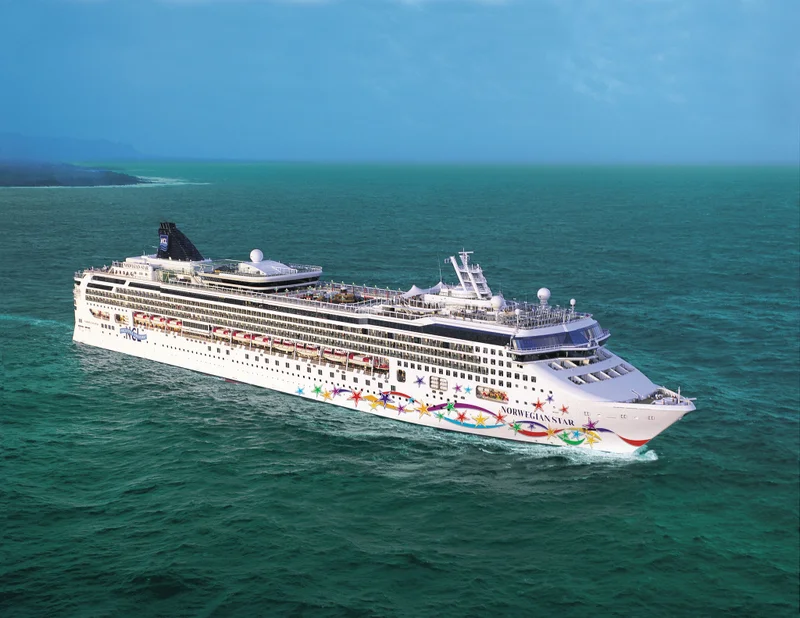
Built 2001
Southampton · Stavanger · Ålesund · Tromsø · Alta · Kristiansund · Bergen · Haugesund
Built 2001
Southampton · Stavanger · Ålesund · Tromsø · Alta · Kristiansund · Bergen · Haugesund
Built 2022
Southampton · Haugesund · Nordfjordeid · Geiranger · Olden · Bergen
Built 2022
Southampton · Flåm · Tromsø · North Cape · Ålesund · Olden · Haugesund
Built 2020
Amsterdam · Stavanger · Geiranger · Flåm · Haugesund
Built 2022
Southampton · Haugesund · Nordfjordeid · Geiranger · Bergen
Built 2022
Southampton · Haugesund · Ålesund · Flåm · Bergen
Built 2021
Rotterdam · Copenhagen · Oslo · Kristiansand · Stavanger · Haugesund · Eidfjord · Bergen · Lerwick
Built 2022
Southampton · Haugesund · Nordfjordeid · Flåm · Bergen · Ålesund · Reykjavik · Isafjordur · Akureyri · Kirkwall
Built 2021
Rotterdam · Haugesund · Eidfjord · Bergen · Lerwick
Built 2020
Southampton · Haugesund · Molde · Trondheim · Olden · Bergen
The living history format makes Viking history easier to grasp without needing a lecture-style day.
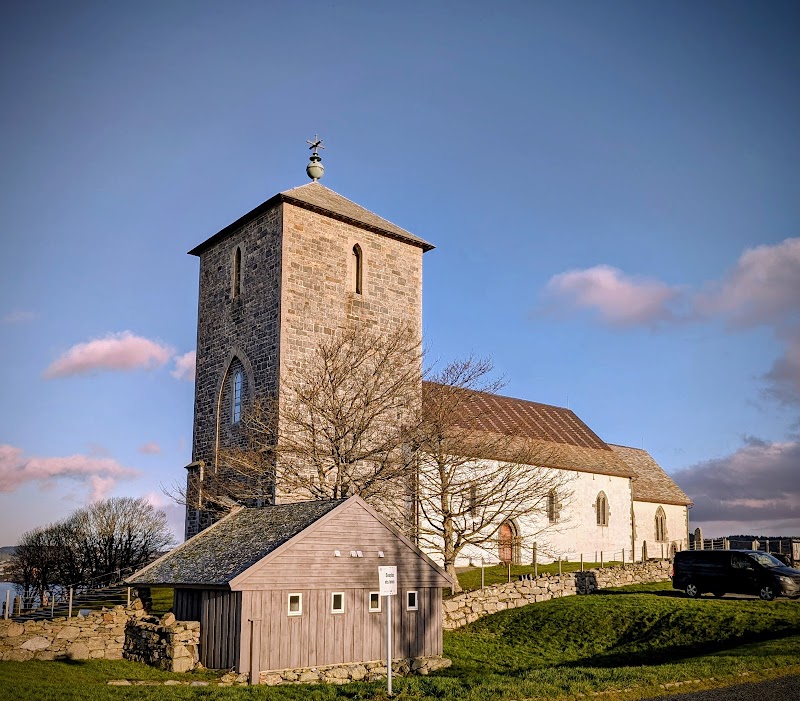
St. Olav's Church shifts the story forward from Viking power to sacred stone and medieval continuity. The 13th-century church is noted as Norway's oldest post-Viking church, with frescoes and a quieter atmosphere than the open-air monuments. It is not the flashiest stop, but that is exactly why it can land well on a cruise day: it offers a pause, a sense of age, and a different kind of visual detail. Prioritize it if you like historic churches, religious sites, or places where the mood matters as much as the checklist value.
Come for stonework, frescoes, and a calmer layer of Haugesund's history.
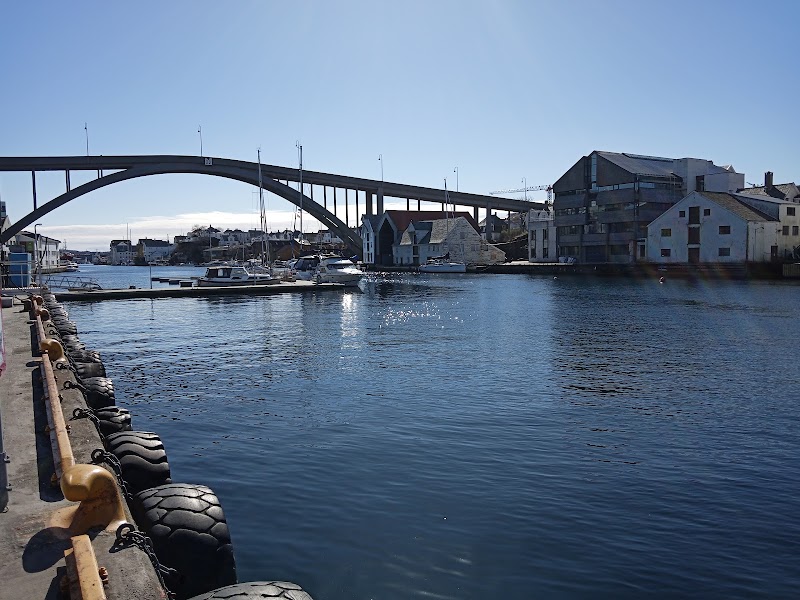
Risoya Island is the option for travelers who would rather trade structured sightseeing for trails and viewpoints. The short ferry element gives the outing a small sense of escape, and the reward is fjord panoramas instead of another interior stop. It is best for active cruisers, photographers, and anyone who gets restless on bus-led port days. Because it depends on ferry timing and your appetite for walking, treat it as a deliberate choice, not an afterthought. If the weather is on your side, this may be the most refreshing way to experience the area.
Risoya is strongest when you have clear enough conditions to appreciate the viewpoints.
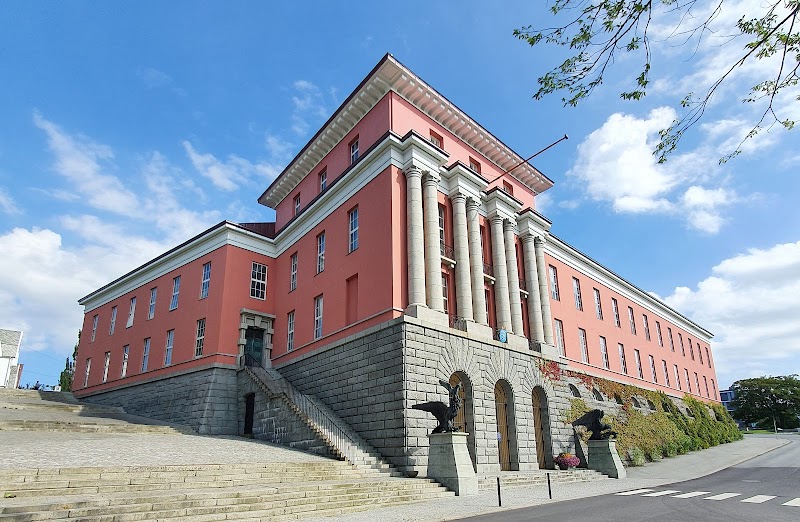
Haugesund Town Hall is the kind of stop that rewards a more observant traveler. Its Art Deco architecture gives the town a civic landmark with a distinct look, while the WWII bunker tours add a sharper historical layer if they fit your timing. This is not the first thing to book your day around unless architecture or wartime history is your niche. As an add-on, though, it works well: a compact counterpoint to Viking sites and coastal viewpoints, and a reminder that Haugesund's story does not end in the saga age.
Keep it in your plan if you like civic architecture or want a non-Viking historical angle.
The Smedasmoen Rune Stone is not a long stop, and that is the point. Set in the town square, this ancient runic inscription gives you a compact encounter with the Viking Age without requiring a full excursion slot. It is ideal for travelers who like small historical objects, street-level discoveries, and the satisfaction of adding context between bigger sights. Do not make it the centerpiece of your day, but do make room for it if you are already moving through town. Haugesund is better when you notice these smaller fragments.
This is a short, worthwhile stop if your route already brings you through the town square.
Art Deco building with WWII bunker tours. Local governance art. Architectural gem.
Ancient runic inscription in town square. Viking Age relic. Quick history hit.