JP
Cruises to Hakata
Hakata is a compact, food-forward Japan call where shrines, temple courtyards, brick lanes, and ramen can fit into one smart shore day.
Upcoming visits
2
Best fare
$380 per night
Hakata is a compact, food-forward Japan call where shrines, temple courtyards, brick lanes, and ramen can fit into one smart shore day.
Find Hakata on Google Maps before you plan the port day.
Hakata is the Fukuoka cruise stop that rewards a tighter plan over a big checklist. The port sits in a city where old merchant culture, polished shopping complexes, and serious street food can all compete for the same few hours. For most cruise passengers, the best day starts with the historic core: Kushida Shrine, Tocho-ji Temple, and the small lanes around old Hakata give you texture fast, without turning the call into a transit project. Add one food or shopping stop after that, and the city feels layered instead of rushed.
This is not the port where you need to chase a single blockbuster sight. Hakata is better as a sequence of close-up moments: a festival float at a shrine, vermillion against garden green, renga brick underfoot, steam rising from ramen, city lights along the river. If your call runs into the evening, the yatai stalls change the whole mood; if it is a daytime-only stop, front-load the temples and save indoor shopping or station food for the end. The win is choosing a route that leaves room to eat.
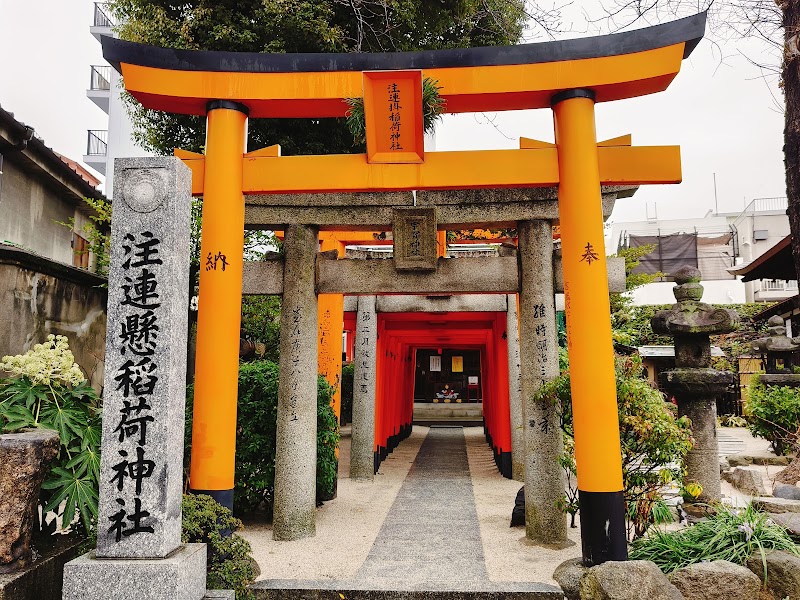
Kushida Shrine is the right anchor for a first Hakata call because it gives you history, ritual, and spectacle without demanding a complicated plan. The shrine is tied to the Hakata Gion Yamakasa festival, and its massive floats make the place feel specific rather than interchangeable with every other shrine stop. It also has the small participatory details that make a short visit stick: praying for luck, drawing an omikuji fortune, watching locals move through the grounds. Because it is central and walkable from the station and port area, prioritize it early, especially if you want one clear cultural hit before lunch.
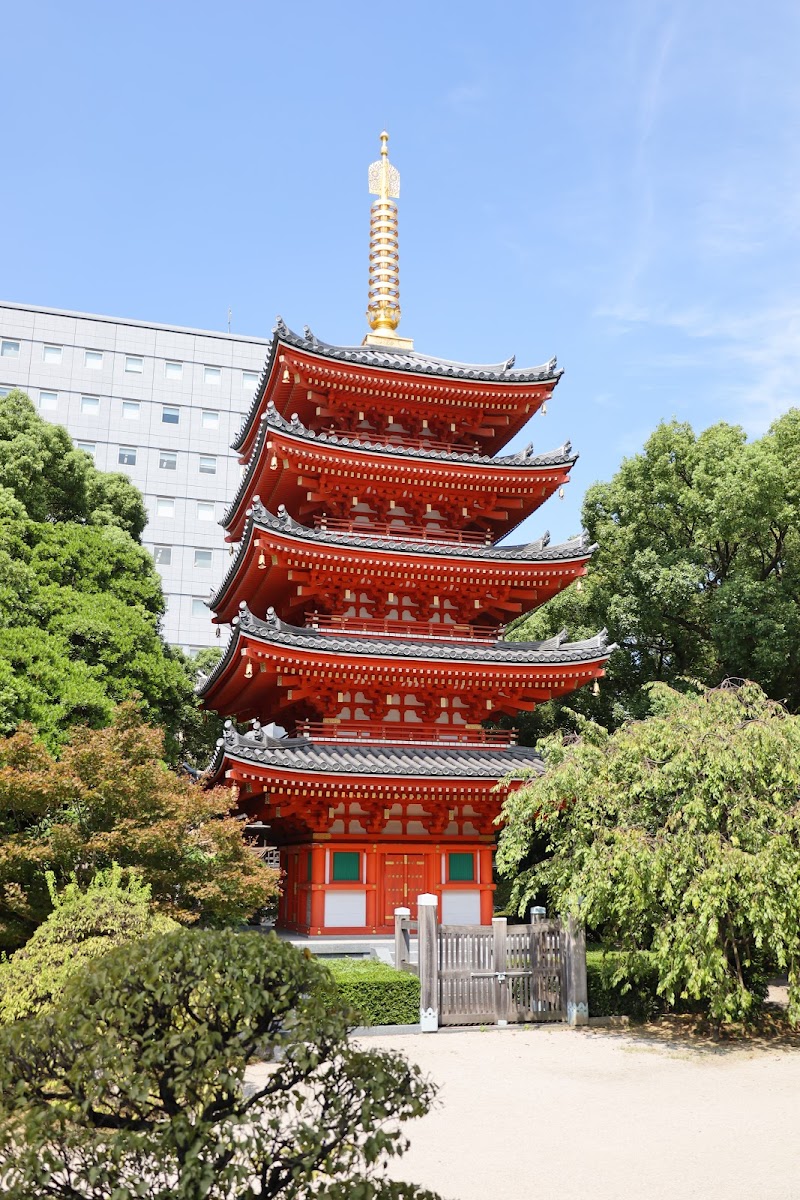
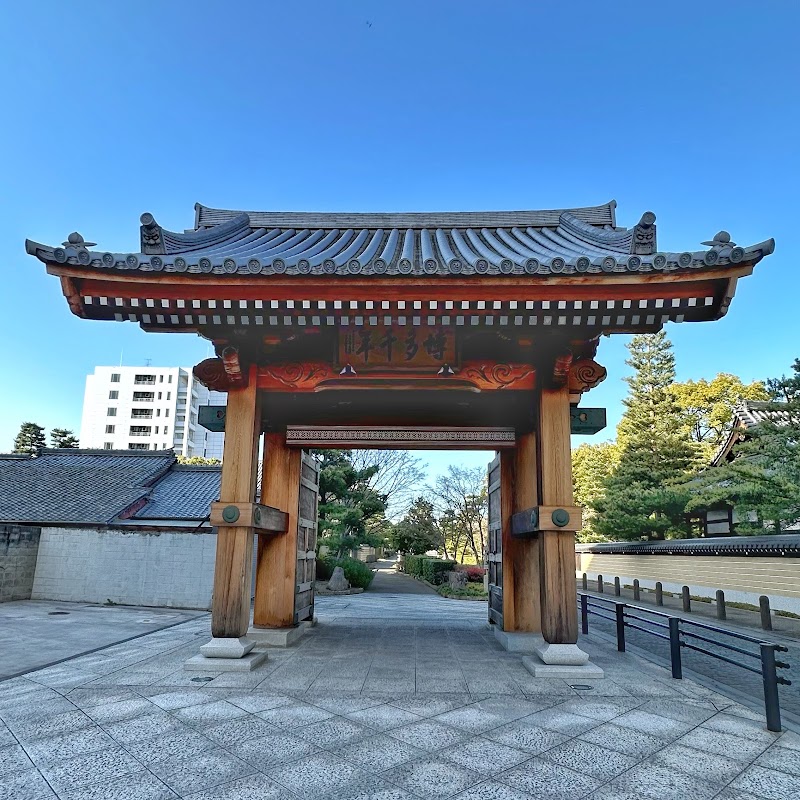
Tocho-ji Temple is where Hakata turns quieter and more architectural. The draw is the 10.8-meter gilt Kannon statue, noted as Japan's largest, but the pleasure of the stop is not only scale. The vermillion pagoda, garden spaces, and older temple setting give you a slower contrast to the city's malls and stations. This is a strong pick for travelers who want a landmark that photographs well but still feels contemplative. Put it near the top of the day if temples are your priority; otherwise, it works as a calm reset between busier stops.
Hakata Gion Yamakasa festival HQ with massive floats and 800-year history. Pray for luck, draw omikuji fortunes. Central, walkable from station/port.
800-year-old temple with 10.8m gilt Kannon statue, Japan's largest. Vermillion pagoda and gardens. Serene landmark.
Traditional merchant warehouses turned cafes; renga brick streets. Photo ops, history walk. Charming lane.
Massive shopping/entertainment complex with fountains, ramen stadium, theater. Shop, dine, shows. Mall heaven.
Current sailings visiting this port, sorted by the lowest tracked cabin price per night.
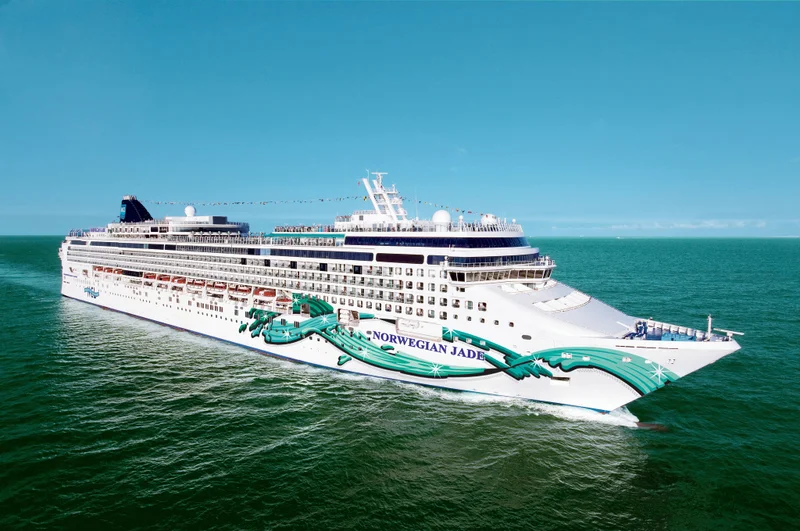
Built 2006
Hong Kong · Kaohsiung · Keelung · Miyakojima · Sasebo · Hakata · Hiroshima · Kochi · Osaka · Mount Fuji · Tokyo
Built 2006
Seoul · Jeju · Nagasaki · Hakata · Hiroshima · Matsuyama · Osaka · Nagoya · Mount Fuji · Tokyo
Hakata Old Town, especially Yanagibashi Renga-dori, is the port stop for people who would rather wander than be herded. The brick lanes and former merchant warehouses turned cafes give the neighborhood a lived-in texture that reads well in photos without feeling like a staged set. It is not a blockbuster attraction, and that is the point: you go for a short history walk, a coffee pause, and the feeling of older Hakata under the modern city. If you like hands-on context, the Hakata Machiya Folk Museum adds demos such as weaving and calligraphy to the same cultural lane of the day.
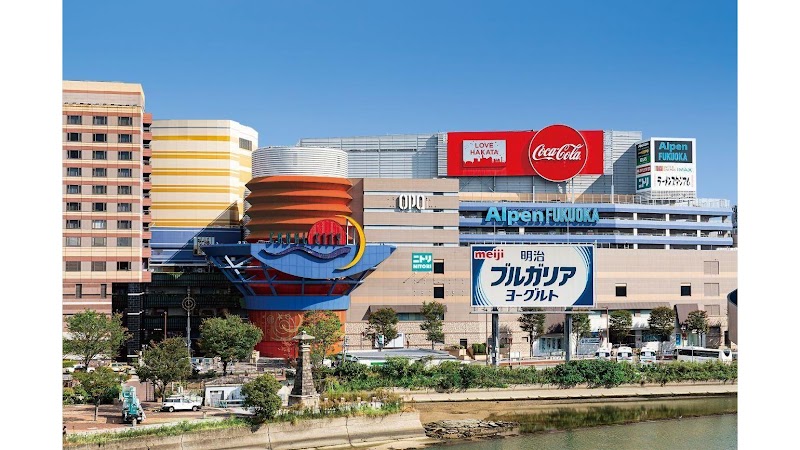
Canal City Hakata is a mall, but in cruise terms it is a very useful one. The complex stacks shopping, fountains, dining, a theater, and a ramen stadium into a single weather-proof block, which makes it a practical pivot when your group cannot agree on one more shrine. It suits families, shoppers, and anyone who wants an easy food stop without committing to a full restaurant hunt. Do not make it the whole day unless that is genuinely your thing; it is better as the second act after the historic core or as a low-friction finale before heading back.
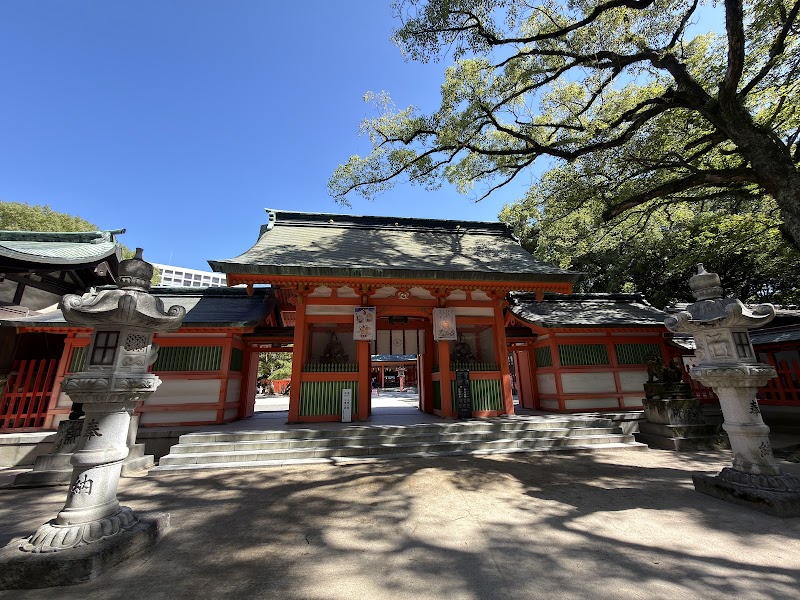
Sumiyoshi Shrine is the softer alternative to the headline stops. Its arched bridge over a pond gives you an immediate visual cue, and seasonal wisteria can add color when timing cooperates. The appeal here is not a packed list of things to see; it is the chance to slow down, make a quiet prayer, and reset after denser streets. This fits repeat visitors, couples, and anyone who gets more out of atmosphere than scale. If you are already visiting Kushida and Tocho-ji, choose Sumiyoshi only if your day has room to breathe.
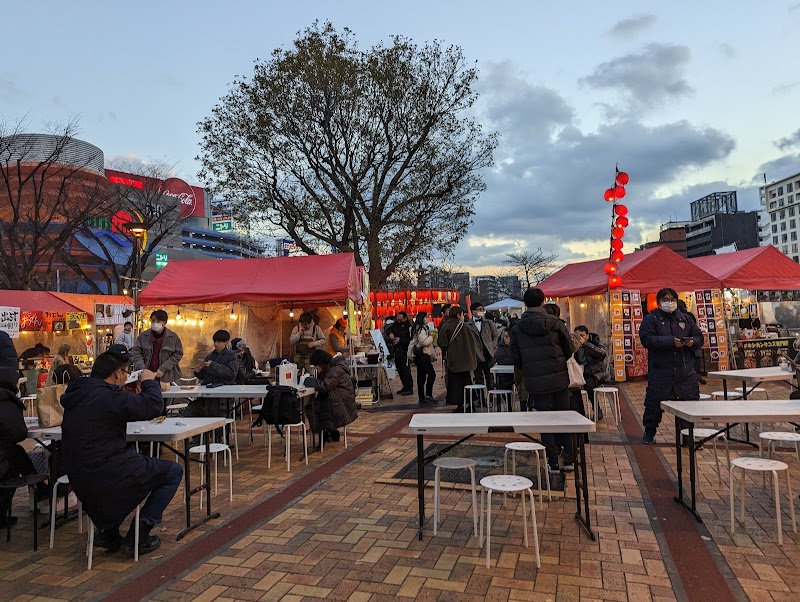
The yatai stalls are Hakata's best reason to care about an evening port stay. Along the Nakasu river, the carts turn dinner into a compact food crawl built around Hakata ramen, gyoza, and the social buzz of eating outdoors. They are not the most sensible choice if your ship leaves early, so keep them conditional rather than forcing the day around them. If the timing works, pair the stalls with a river walk and the Saisei Bridge view, where sunset and city lights give the port call a sharper final image.
Pretty shrine with arched bridge over pond; seasonal wisteria. Quiet prayers. Riverside gem.
Futuristic hub with underground malls, ekiben bento boxes. People-watch at yatai stalls outside. Transport heart.
Edo-period merchant home demos like weaving, calligraphy. Costume try-ons. Cultural hands-on.
Street food carts along Nakasu river with Hakata ramen, gyoza. Night vibe peak. Food crawl.