IE
Cruises to Greencastle
Greencastle is a rugged, low-gloss cruise call where cliffs, ruins, beaches, and hard history do most of the talking.
Upcoming visits
5
Best fare
$533 per night
Greencastle is a rugged, low-gloss cruise call where cliffs, ruins, beaches, and hard history do most of the talking.
Find Greencastle on Google Maps before you plan the port day.
Greencastle is not a greatest-hits city port, and that is the point. A cruise stop here is about edge-of-map Ireland: Norman stone above the water, cliff walks, empty-looking beaches, and museums that make the landscape feel less decorative and more lived in. If your ideal shore day is a quick photo circuit, this port may feel low-key. If you like weather, texture, and places that still have rough edges, Greencastle can be one of the more memorable calls on a Northern Europe itinerary.
The trick is not to scatter your day across every name on the map. Pick a direction: go big on sea cliffs, stay closer to ruins and maritime atmosphere, or make the day about local history. The best stops here reward unhurried attention, especially when wind, rain, or soft light changes the mood completely. Build a plan around one headline sight and one quieter add-on rather than trying to turn the port into a checklist.
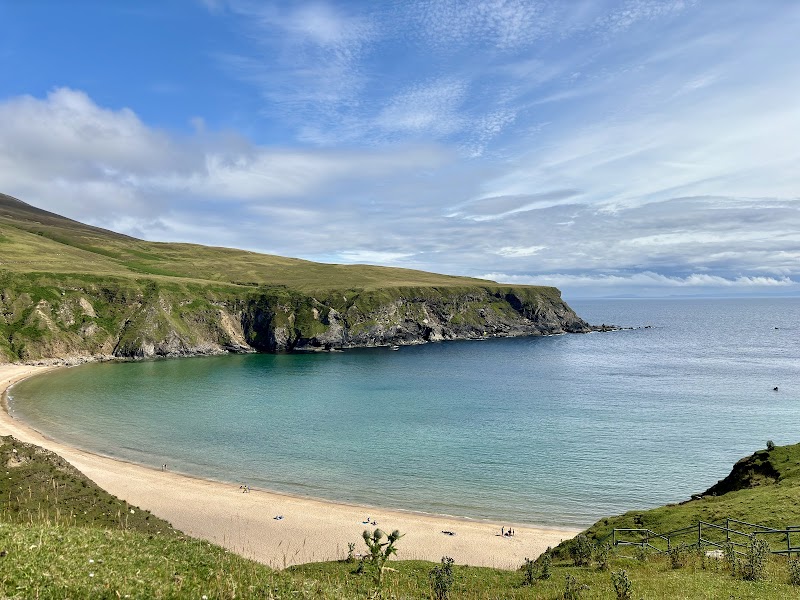
Make Malin Beg the priority if you want the port to feel cinematic without adding a city agenda. The draw is raw scale: Ireland's highest sea cliffs, lighthouse views, and a Wild Atlantic walk that puts you right on the edge of the weather. This is the stop for hikers, photographers, and anyone who would rather stare at a rugged precipice than shop for souvenirs. Because it is the big scenery play, do not bury it under too many secondary plans; give the cliffs room to be the day.
Big coastal drama, walking, and photos that do not need much editing.
Greencastle Fort gives the port its own anchor: 13th-century Norman ruins set by the sea, with towers you can climb and a profile that looks better the more dramatic the sky gets. It has also been used as a filming site for Game of Thrones, which adds a pop-culture hook without needing to be the whole reason you go. This is the right pick for travelers who like ruins, coastal history, and compact sights with a strong silhouette. If you are not doing a big countryside run, start here.
Castle lovers, film fans, and anyone who wants atmosphere without overcomplicating the day.
13th-century Norman castle ruins by sea, towers climb. Moviemaking site (Game of Thrones). Dramatic fort.
Cliff-edge highest sea cliffs Ireland, lighthouse views. Wild Atlantic walk. Rugged precipice.
Folklore village with saint cells, stone huts. Irish ways exhibits. Celtic tales.
Current sailings visiting this port, sorted by the lowest tracked cabin price per night.
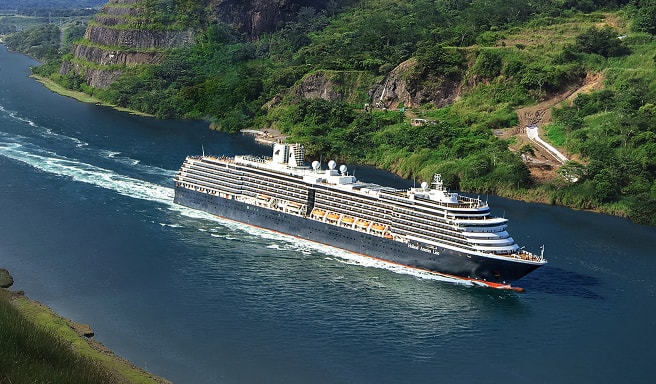
Built 2002
Amsterdam · Stornoway · Belfast · Dún Laoghaire · Greencastle · Killybegs · Galway · Cobh · Plymouth · Invergordon · Seydisfjordur · Akureyri · Isafjordur · Reykjavik
Built 2002
Amsterdam · Nordfjordeid · Ålesund · Trondheim · Skjolden · Eidfjord · Bergen · Stornoway · Belfast · Dún Laoghaire · Greencastle · Killybegs · Galway · Cobh · Plymouth
Built 2002
Amsterdam · Måløy · Trondheim · Nordfjordeid · Skjolden · Eidfjord · Stavanger · Stornoway · Belfast · Dún Laoghaire · Glasgow · Greencastle · Killybegs · Galway · Cobh
Built 2002
Amsterdam · Stornoway · Belfast · Dún Laoghaire · Greencastle · Killybegs · Galway · Cobh · Plymouth
Built 2002
Amsterdam · Stornoway · Belfast · Dún Laoghaire · Glasgow · Greencastle · Killybegs · Galway · Cobh
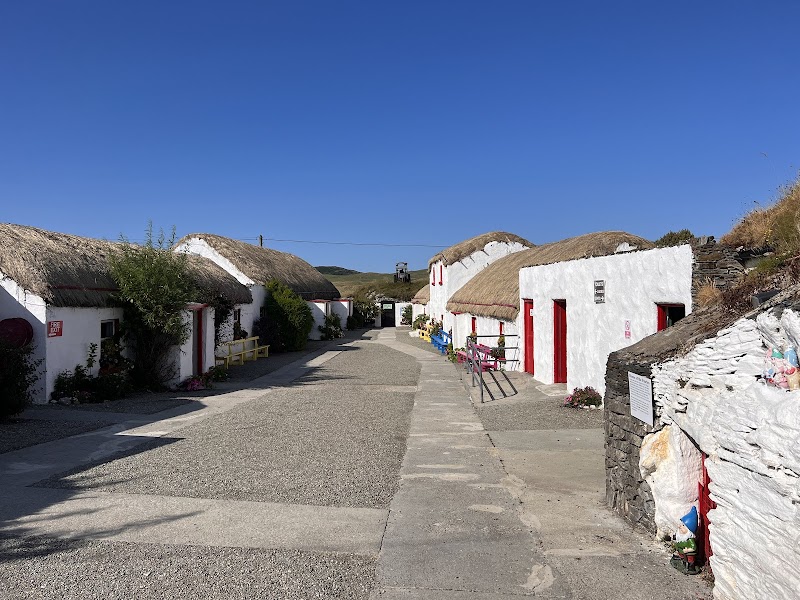
Doagh Famine Village is the stop for travelers who want the landscape to come with context. Its 19th-century cottages and potato-famine history move the day away from pretty coastline and into the harder story of rural Ireland. As a living museum, it works especially well for anyone who prefers a narrative-heavy experience over another viewpoint. It is not the breeziest choice, and that is the value: after cliffs and beaches, this is where the region's past feels close, domestic, and unavoidably human.
You want history with weight, not just a scenic loop.
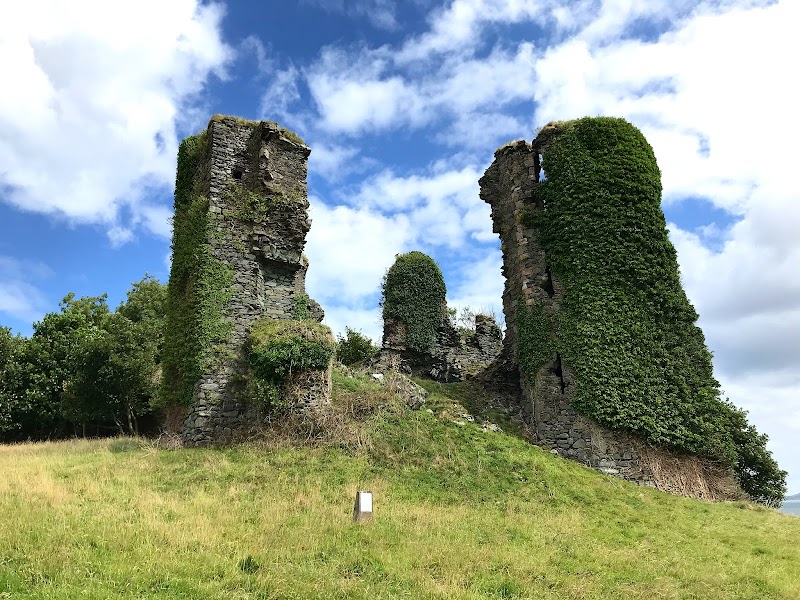
Glencolumbkille leans into folklore rather than spectacle. The appeal is in saint cells, stone huts, exhibits on Irish ways of life, and the sense that myth and daily work sit side by side. Choose it if you like small museums, old religious landscapes, and cultural texture more than one giant photo moment. For a cruise day, it is best treated as a focused cultural stop, not filler between cliffs. Give yourself enough attention for the stories, or skip it and let the coast take over.
Travelers who like myth, village history, and slower cultural stops.
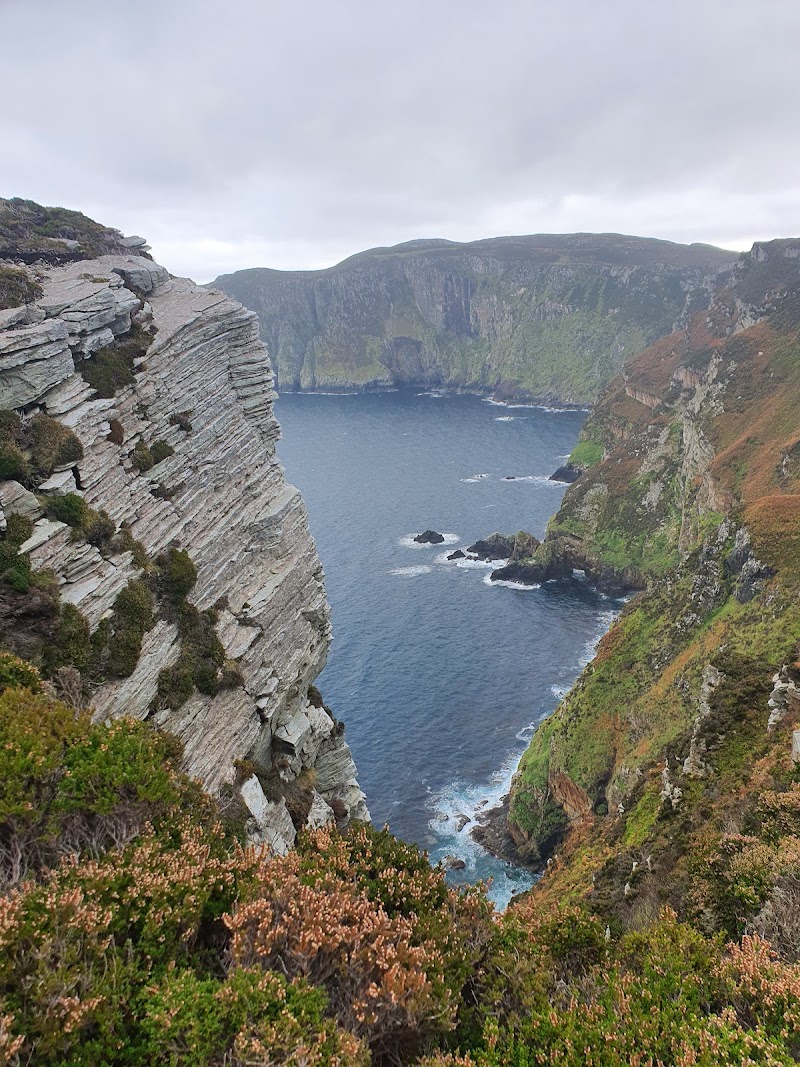
Horn Head is a strong choice when you want coastal movement instead of a single lookout. The peninsula brings together beaches, a loop drive or hike, and the possibility of seeing seals or dolphins, which makes it feel active without needing a packed itinerary. Wildlife is never something to schedule like a museum ticket, so think of it as a bonus rather than the promise. This suits travelers who like flexible scenery: stop, walk, watch the water, move on when the weather shifts.
A coastal route with beaches, walking, and possible wildlife sightings.
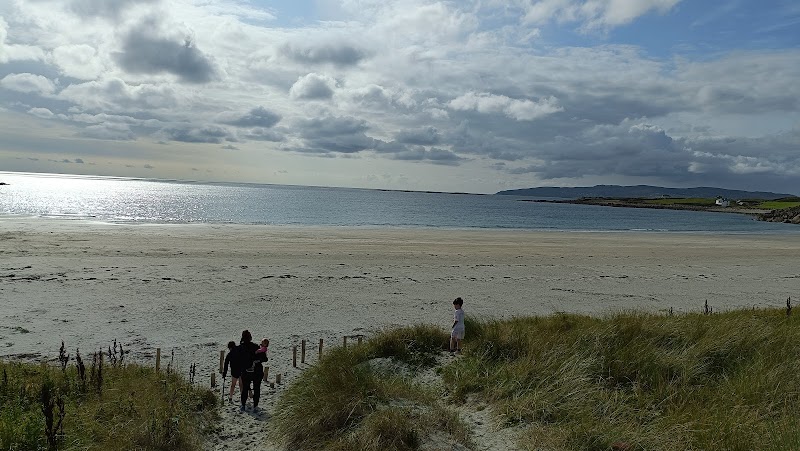
Maghery Beach is for the cruise passenger who hears 'shore excursion' and secretly wants less structure. The ingredients are simple: secluded dunes, dune walks, surf, and sand that feels more spacious than staged. It is a smart counterpoint to heavier history stops, especially if the weather is good enough to linger but not necessarily warm enough for a classic beach day. If your route includes it, the Ghost Ship Ardtra adds a more haunted layer, with a World War II relic framed by beach and memory.
Dune walks, surf atmosphere, and a quieter break from museums.
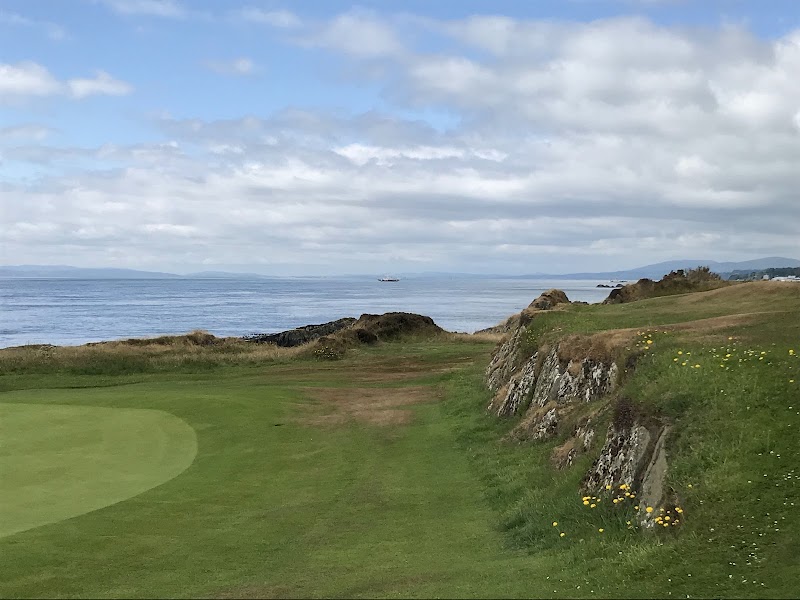
Dunfanaghy Golf Club is a niche priority, which is exactly why it belongs on the shortlist for the right traveler. A clifftop links course with sea views can turn a port call into something more personal than the standard coach stop. Golfers may want to build the day around playing or spectating; non-golfers should be honest about whether scenic fairways are enough of a draw. If the answer is no, put your time toward cliffs, ruins, or village history instead. This one rewards interest, not obligation.
You genuinely want a golf-focused shore day.
19th-century cottages, potato famine history. Living museum. poignant past.
Clifftop links course, sea views. Play or spectate. Scenic fairways.
Secluded dunes, dunes walks, surfing. Empty sands. Wild beach.
Peninsula seals, dolphin spotting, beaches. Loop drive/hike. Coastal peninsula.