NZ
Cruises to Gisborne
Gisborne rewards a focused cruise day: Maori history, serious coastline, wine country, and a few wild-card adventures if you plan tightly.
Upcoming visits
1
Best fare
$520 per night
Gisborne rewards a focused cruise day: Maori history, serious coastline, wine country, and a few wild-card adventures if you plan tightly.
Find Gisborne on Google Maps before you plan the port day.
Gisborne is not a tick-box port where one famous landmark does all the work. Its appeal is more layered: Pacific voyaging history, Maori cultural context, surf-worn beaches, vineyards, and roads that point toward some of New Zealand's most cinematic East Coast scenery. For cruise passengers, the trick is deciding whether you want a compact culture-and-coast day close to town or a bigger outing that trades flexibility for landscapes. Trying to do both is where the day gets messy.
The strongest Gisborne plans usually start with a theme. History travelers can pair the Cook Landing Site with the Tairawhiti Museum for a sharper read on first contact, Polynesian navigation, and local identity. Beach people should look toward Waianuarua Beach, while wine fans can make the region's Chardonnay cellars the main event. More adventurous passengers can consider Rere Rockslide, Tolaga Bay Wharf, or East Cape Lighthouse, but those are better treated as deliberate excursions, not casual add-ons.
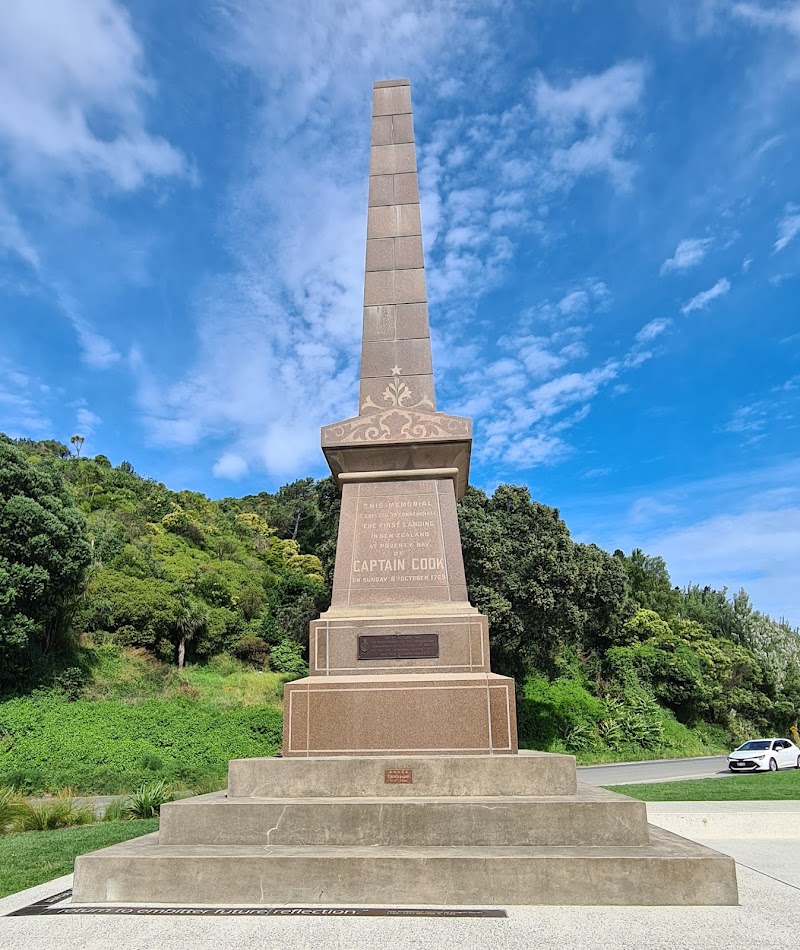
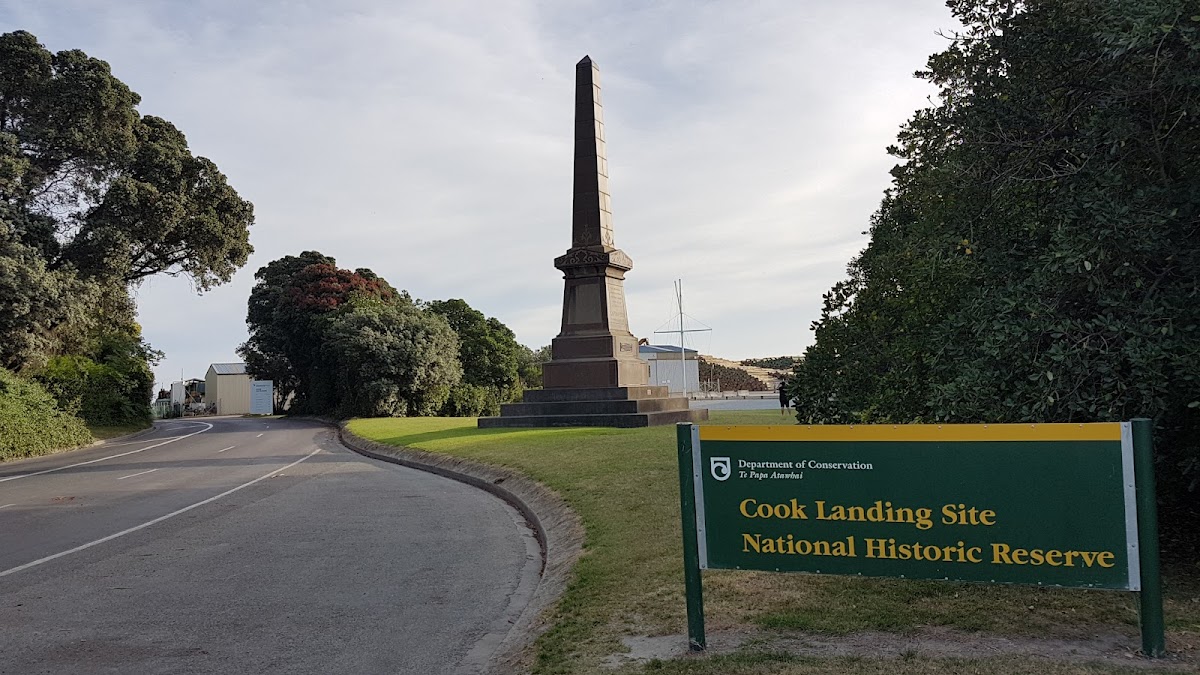
Cook Landing Site is the obvious first stop if you want Gisborne to feel like more than a pretty coastal call. The monument marks Captain Cook's first landing in New Zealand, but the place matters because it also points to Maori welcome, encounter, and perspective. It is a compact stop, with a beach setting, views, and a historical plaque, so it works well at the beginning of a port day before you branch into the museum, wine country, or the coast. Prioritize it if you like your shore days with context, not just scenery.
History-first travelers who want the port's backstory before heading farther out.
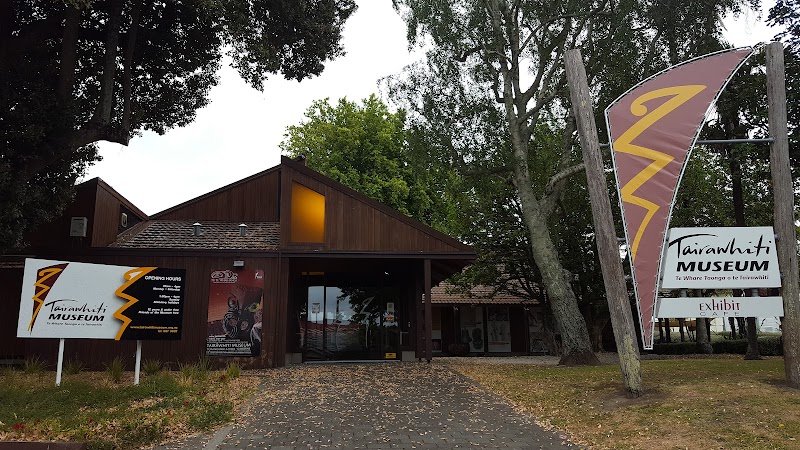
Tairawhiti Museum is the smart indoor anchor for Gisborne, especially if the weather turns or you want a grounded cultural stop before chasing views. Its exhibits cover Polynesian voyaging and local Maori history, and the Cook landing canoe replica gives the wider story a physical point of focus. For cruise passengers, this is a good choice because it adds depth without demanding an all-day commitment. Pair it with Cook Landing Site for the clearest history route, or use it as a reset between outdoor stops if you prefer a less rushed day.
Captain Cook's first NZ landing monument and beach. Historical plaque, views. Maori welcome significance.
NZ's easternmost point scenic drive/hike. Ocean panoramas. Iconic photo spot.
Exhibits on Polynesian voyaging, local Maori history. Cook landing canoe replica. Cultural hub.
Surfing beach with caves, Wagner's holiday home history. Long sands. Coastal playground.
Current sailings visiting this port, sorted by the lowest tracked cabin price per night.
A strong pick when you want culture, context, and a break from pure sightseeing.
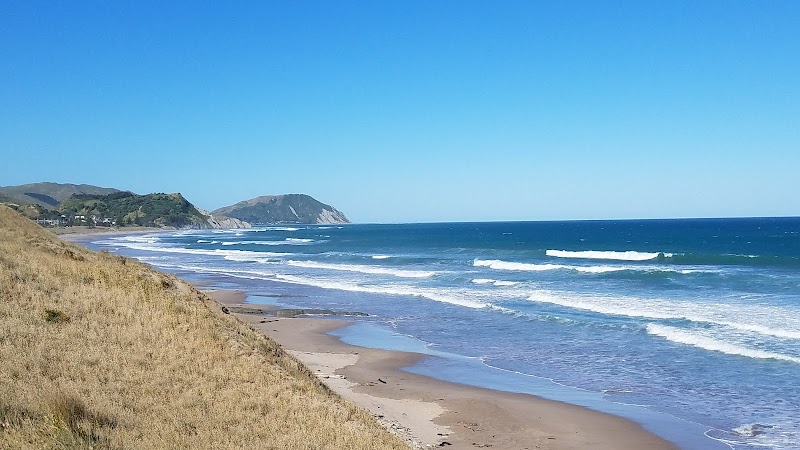
Waianuarua Beach is the move if your ideal Gisborne stop involves sand, surf energy, and a coastline with more texture than a simple swim stop. The beach is known for long sands, caves, and a coastal-playground feel, with a side note of Wagner's holiday home history for travelers who like odd local layers. It fits active beach people better than passengers looking for a highly serviced resort-style day. Think of it as a visual, outdoorsy choice: good for walking, watching the surf, and getting a rawer version of the coast.
Surf-watchers, walkers, and anyone who wants a beach day with caves and edge.

Gisborne Wine Tasting is one of the cleanest ways to give the day structure without overengineering it. The area is associated with Chardonnay, and nearby cellars and vineyard scenery make this a strong fit for travelers who want something slower and more social than a monument circuit. It is also a good compromise for groups: enough local identity to feel specific, relaxed enough not to exhaust everyone before getting back onboard. If your itinerary already has plenty of big landscapes, a wine-focused Gisborne stop can be the smarter contrast.
Pick wine if you want scenery, local flavor, and a less frantic shore day.
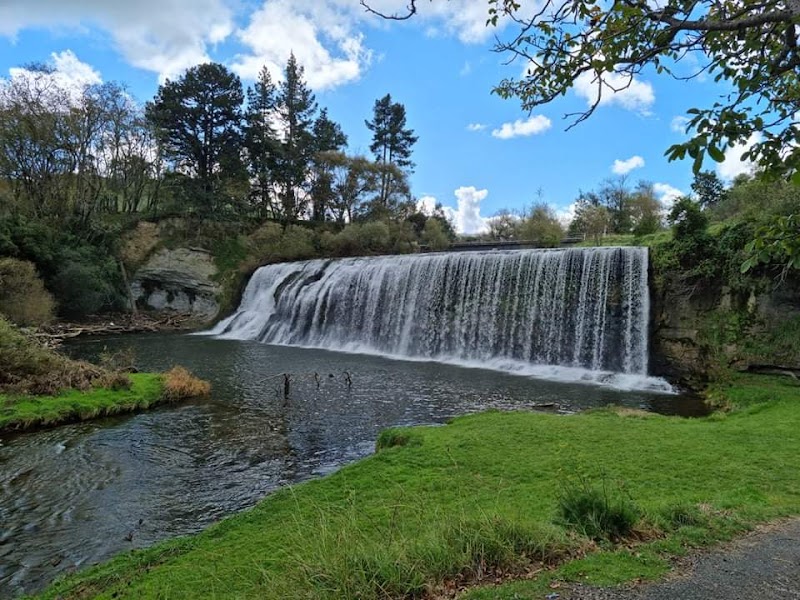
Rere Rockslide is the port's most playful option: a natural waterslide formed on river rock, with a picnic-area setting and a distinctly DIY adventure feel. It is not the right pick if you want a polished cultural overview or a dry, low-effort outing. It is for passengers who like the idea of getting wet, packing a change of clothes, and turning the stop into a story. Because it is a more specific activity, build the day around it rather than squeezing it between unrelated stops. The payoff is novelty, not efficiency.
Best when you are willing to make one oddball outdoor adventure the headline.
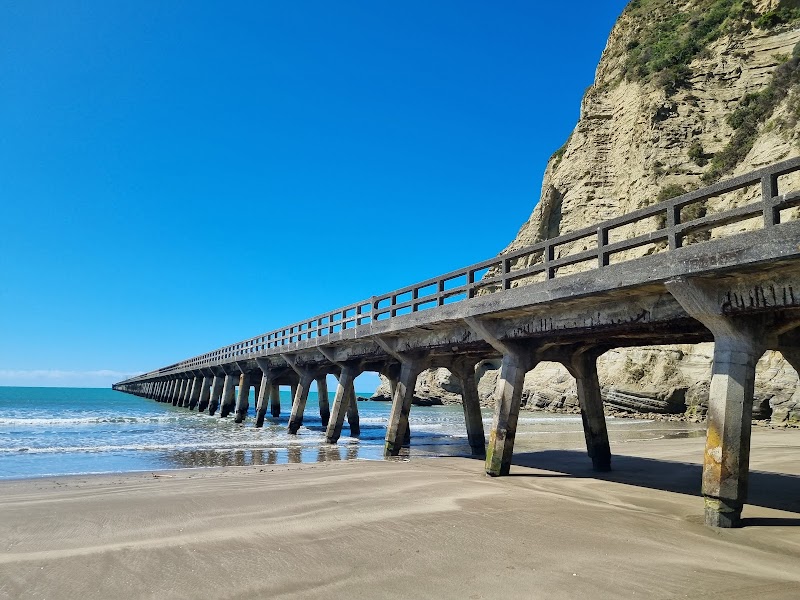
Tolaga Bay Wharf is a photogenic East Coast target: New Zealand's longest wharf, a colonial-era relic made for walking, fishing, and taking in clifftop views. It has the kind of clean visual payoff that can define a port day, but it belongs in a more deliberate coastal itinerary. The same logic applies to bigger East Coast ambitions like East Cape Lighthouse, with its easternmost-point scenery, drive, hike, and ocean panoramas. These are not casual filler stops. Choose them if your priority is landscape and photography over fitting in multiple town-based attractions.
Farther coastal sights can be worth it, but only as the main plan.
Gisborne Chardonnay region cellars nearby. Scenic vineyards. NZ wine intro.
Natural waterslide on river rocks, picnic area. Fun splash. Unique adventure spot.
NZ's longest wharf, colonial relic for fishing/walking. Clifftop views. Historic pier gem.
Traditional Maori meeting house visit with permission. Cultural protocol experience. Authentic welcome.