NO
Cruises to Geiranger
Geiranger is a port where the fjord is the headline, so build the day around height, water, and one weather-proof backup.
Upcoming visits
30
Best fare
$361 per night
Geiranger is a port where the fjord is the headline, so build the day around height, water, and one weather-proof backup.
Find Geiranger on Google Maps before you plan the port day.
Geiranger is not a city stop pretending to be scenic. It is a fjord day, full stop: steep walls, high viewpoints, silver waterfalls, and roads that seem designed to make bus passengers go quiet. For cruise travelers, the appeal is that the main event is visible before you even start planning. You are already in the landscape. The question is how much higher, closer, or more active you want to get once you are ashore.
The smartest Geiranger plan has one clear priority. If the weather is open, chase elevation at Dalsnibba or Eagle's Bend and let the scale of the fjord do the work. If you want the classic water-level drama, focus on Geirangerfjord and the Seven Sisters Waterfall. If clouds roll in or your group needs a lower-effort stop, the Norwegian Fjord Centre gives the day some context without forcing another viewpoint. This is not a port for cramming. It is better when you pick a perspective and commit.
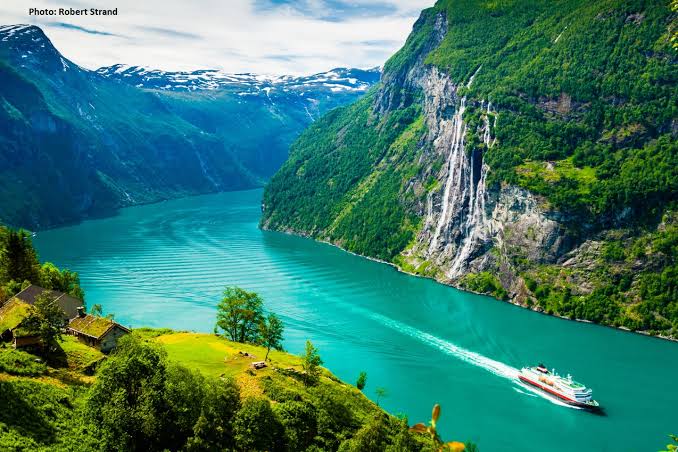
Geirangerfjord is the reason this port makes sense on a cruise itinerary: the approach itself is part of the experience. Sheer cliffs, tight turns, and stacked viewpoints make the landscape feel bigger from the water than it does on a map. If you are choosing a sailing partly for scenery, this is the moment to be outside, not half-watching from behind glass. It fits first-timers, photographers, and anyone who wants Norway at maximum scale without a complicated shore plan.
Treat the sail-in and sail-out as part of the port day, not downtime.
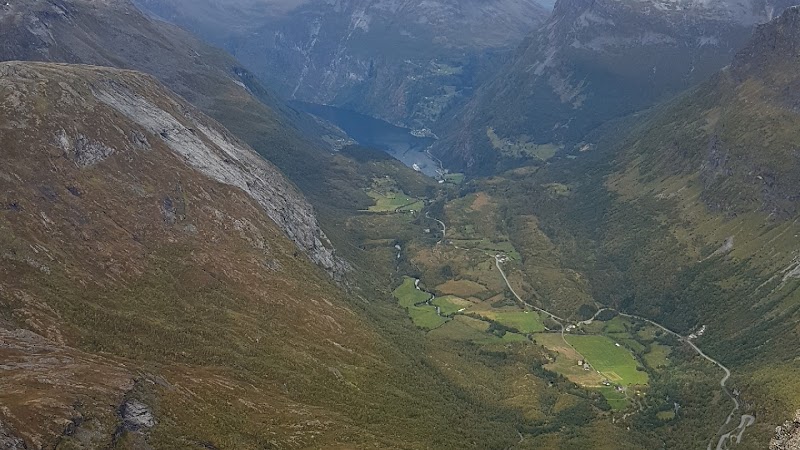
Dalsnibba is the big-view choice: a 1500-meter viewpoint with a 360-degree panorama over the fjord country. For a cruise stop, it is best thought of as a structured bus outing rather than a casual wander, and that is a good thing if you want maximum visual payoff with minimal guesswork. Prioritize it on clear days, especially if your group is more into sweeping landscapes than museums or hikes. If clouds are sitting low, be realistic; the whole point here is the view.
Travelers who want the highest, widest Geiranger perspective in one efficient outing.
360-degree panorama at 1500m, trolls road. Bus tour.
Iconic fjord with sheer cliffs, viewpoints galore. Cruise through it.
183m falls, legend of suitors. View from shore or boat.
Twisty road viewpoint over fjord. Bus stop.
Current sailings visiting this port, sorted by the lowest tracked cabin price per night.
Built 2021
Fort Lauderdale · Dover · Bruges · Rotterdam · Geiranger · Olden · Ålesund · Bergen
Built 2020
Amsterdam · Stavanger · Flåm · Geiranger · Bruges
Built 2022
Southampton · Stavanger · Geiranger · Ålesund · Flåm · Bergen
Built 2022
Southampton · Haugesund · Nordfjordeid · Geiranger · Olden · Bergen
Built 2020
Amsterdam · Stavanger · Geiranger · Flåm · Haugesund
Built 2022
Southampton · Haugesund · Nordfjordeid · Geiranger · Bergen
Built 2022
Southampton · Bruges · Ålesund · Trondheim · Tromsø · North Cape · Geiranger · Rotterdam
Built 2021
Rotterdam · Geiranger · Olden · Ålesund · Bergen · Oslo · Kristiansand · Flåm
Built 2021
Rotterdam · Oslo · Aarhus · Berlin · Helsinki · Tallinn · Stockholm · Visby · Copenhagen · Eidfjord · Olden · Geiranger · Bergen
Built 2021
Rotterdam · Geiranger · Olden · Ålesund · Bergen
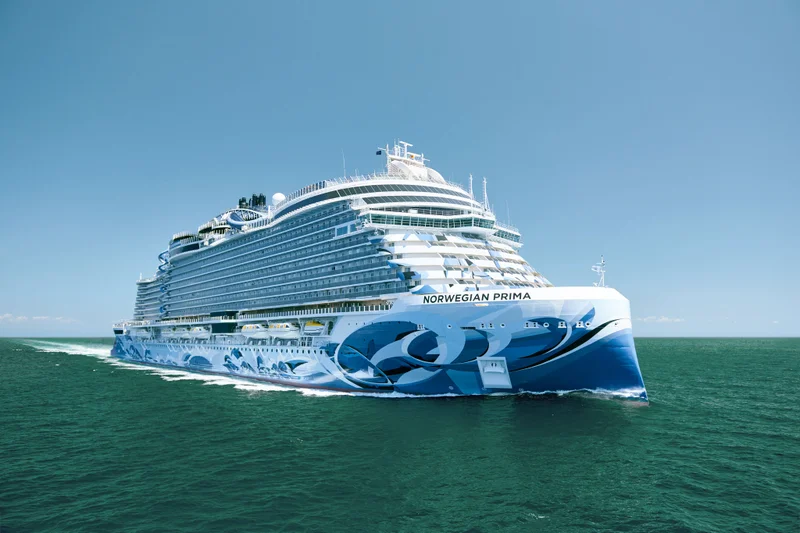
Built 2022
Southampton · Bruges · Amsterdam · Måløy · Geiranger · Ålesund · Isafjordur · Akureyri · Reykjavik
Built 2022
Southampton · Bruges · Amsterdam · Bergen · Geiranger · Ålesund · Akureyri · Isafjordur · Reykjavik
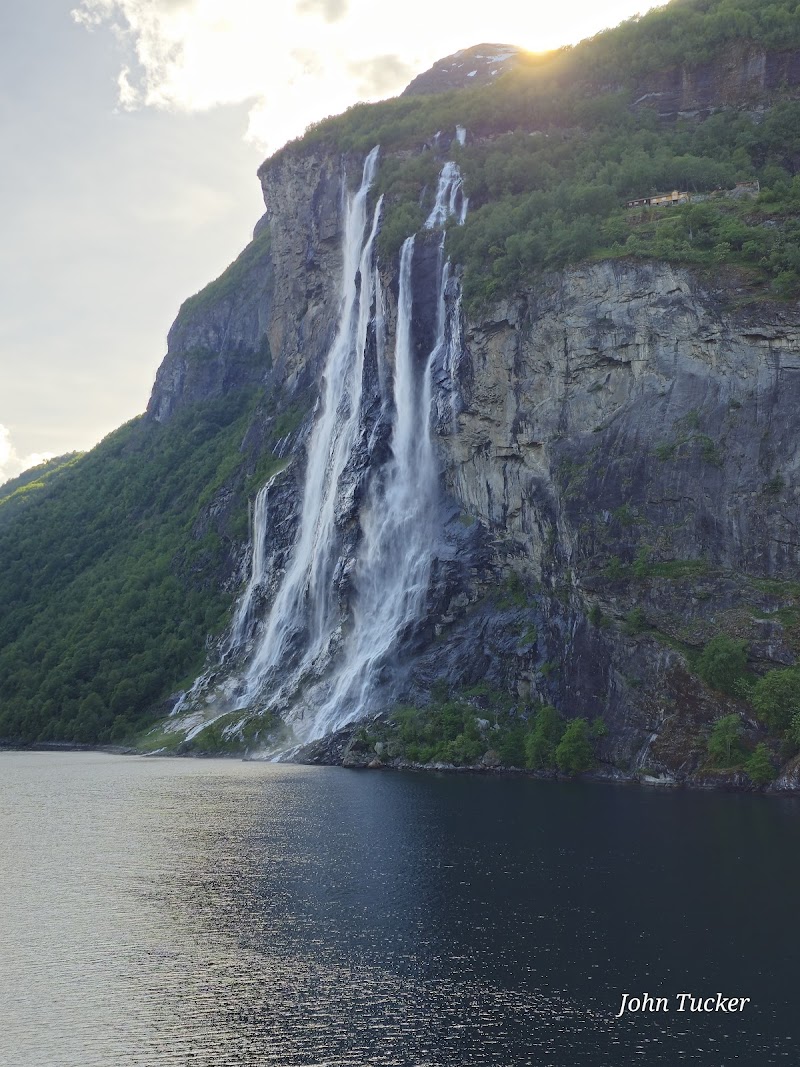
The Seven Sisters Waterfall is the classic Geiranger image: a tall drop, multiple streams, and a local legend about suitors woven into the scenery. At 183 meters, it has enough presence to register even among the fjord's oversized cliffs. The practical win for cruise passengers is flexibility. You can make it part of a boat-focused day or look for it from shore, depending on how much movement you want. It suits travelers who want a signature photo without turning the whole stop into a long excursion.
Waterfalls read best when you give yourself time to actually watch the scale, not just snap and move on.
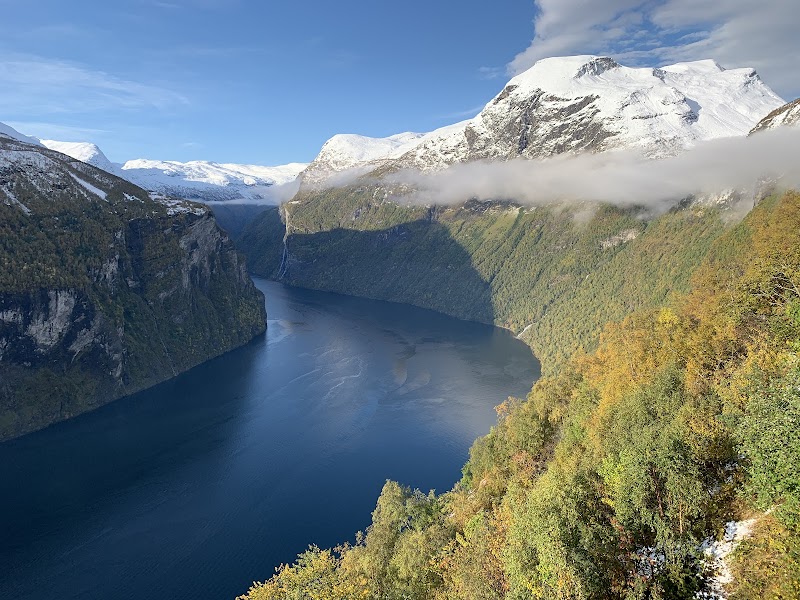
Eagle's Bend, or Ornesvingen, is the viewpoint for travelers who want a dramatic overlook without making the day all about the highest possible altitude. The road itself is part of the story, with sharp bends climbing above the fjord before opening to a broad view back toward Geiranger. Because it works as a bus stop, it can be an efficient add-on to a scenic route. Choose it if you want a strong payoff, limited walking, and a perspective that makes the fjord feel almost architectural.
Groups with mixed energy levels who still want a serious fjord overlook.
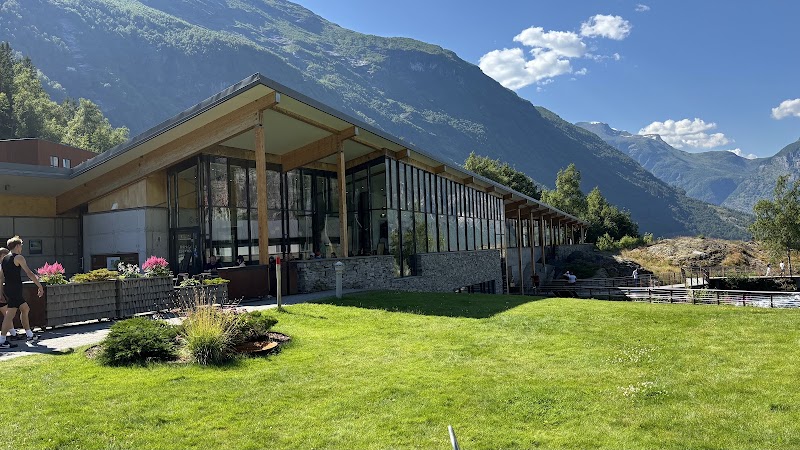
The Norwegian Fjord Centre is the practical counterweight to Geiranger's outdoor drama. Its interactive exhibits cover geology and avalanches, which gives shape to what you are seeing outside rather than treating the fjord as just a backdrop. This is a smart choice for travelers who like context, families who need a slower hour, or anyone dealing with weather that makes viewpoints less rewarding. It should not replace the fjord itself, but it can make the rest of the day feel less like scenery with no subtitles.
If the viewpoints are socked in, this is the most useful indoor pivot.
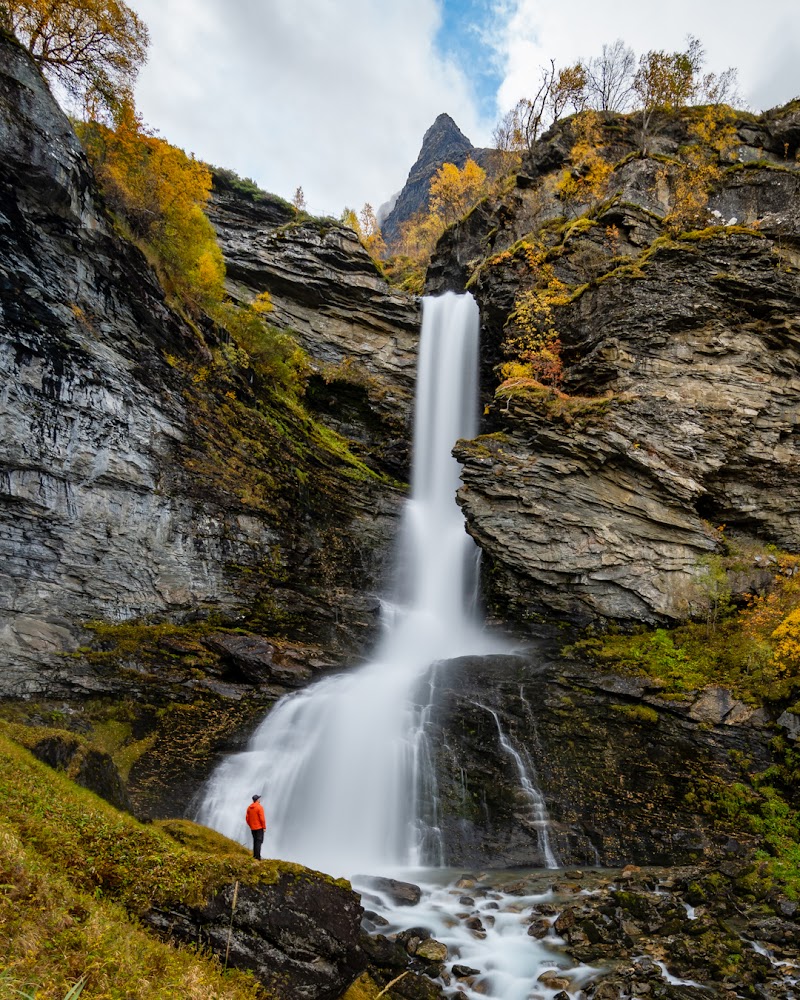
Storseterfossen is the active option, with a 1- to 2-hour roundtrip hike to the base of the waterfall and enough spray to make it feel more physical than scenic. It is best for travelers who would rather move through the landscape than view it from a bus window. Build in buffer time, wear shoes you do not mind getting damp, and do not stack this with every major viewpoint unless your port day is generous. Pick it when you want one memorable, tactile experience over a checklist.
Choose the hike if your ideal fjord day involves wet shoes and a little effort.
Geology and avalanche exhibits. Interactive.
1-2hr roundtrip to base, misty spray. Active option.