PL
Cruises to Gdansk
Gdansk rewards a focused cruise day: pick the Old Town core, add a history hit, or detour for music and gardens.
Upcoming visits
32
Best fare
$380 per night
Gdansk rewards a focused cruise day: pick the Old Town core, add a history hit, or detour for music and gardens.
Find Gdansk on Google Maps before you plan the port day.
Gdynia (Gdansk) is one of those Northern Europe port calls where the best day is not the broadest one. The draw is Gdansk itself: a rebuilt city core with candy-colored facades, Gothic mass, amber storefronts, and maritime history that still feels tied to the waterfront. For cruise passengers, the smart move is to use the port stop with intent. Start with the Old Town sights if this is your first visit, then decide whether you want a museum, a tower climb, or a quieter tram-away escape.
The main risk here is trying to turn a single call into a full survey of the city and its edges. Gdansk is better when you let a few places carry the day. Long Market gives you the postcard version without feeling empty, St. Mary's Church adds scale, Mariacka Street slows the pace, and the European Solidarity Centre brings the port's modern history into focus. If your itinerary has been heavy on capitals and grand museums, this is a good place to choose texture over checklist energy.
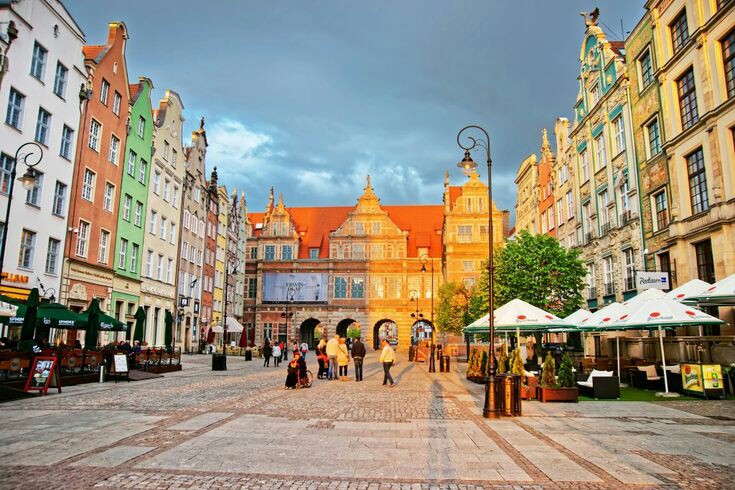
Long Market is the obvious first stop for a reason: it gives you the visual grammar of Gdansk fast. Neptune Fountain, the bright Renaissance facades, and the rebuilt main square make the city feel immediately specific, which matters when your time ashore is limited. Since shuttle access from the port is noted here, it works well as the anchor for a first-time plan. Pair it with a look inside Artus Court if you want the merchants' hall atmosphere, or keep it exterior-focused and save your museum energy for later.
Use Long Market as the day's anchor, then branch to a church climb, amber street, or riverfront walk.
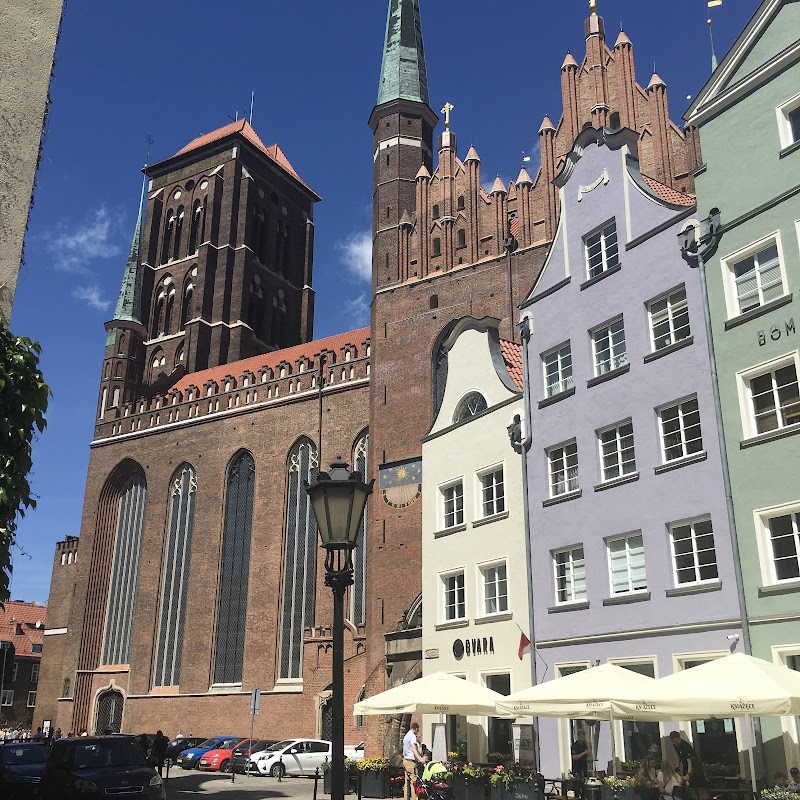
St. Mary's Church is not just another Old Town church to tick off between coffee stops. It is Europe's largest brick church, and the 400-step climb turns it into a real choice rather than a casual add-on. If you like earning a view, prioritize it early while you still have legs and patience. The payoff is Gothic scale from inside and a broader look over the city from above. Skip the tower if mobility, time, or narrow-step fatigue is a concern; the building still works as a major visual stop from the ground.
Admire Neptune Fountain and colorful Renaissance facades in this rebuilt main square. Vibrant heart of Gdansk. Shuttle from port.
Climb 400 steps for Gothic views over the city from Europe's largest brick church. Towering icon. Old Town.
Browse amber shops on this picturesque alley with gothic gates and cafes. Jewelry haven. Charming stroll.
Relive Lech Walesa and shipyard strikes in interactive exhibits. Modern history lesson. Near port.
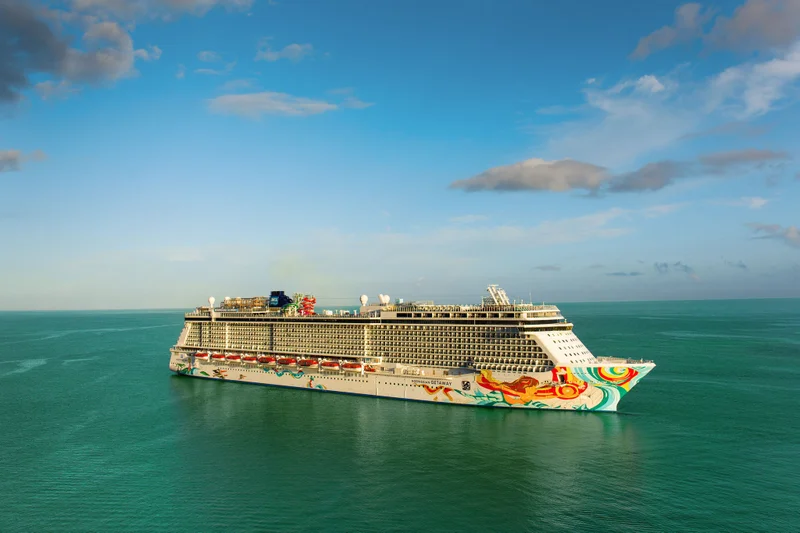
Current sailings visiting this port, sorted by the lowest tracked cabin price per night.
Built 2014
Copenhagen · Oslo · Berlin · Hamburg · Gdansk · Klaipeda · Stockholm · Tallinn · Helsinki
Built 2014
Southampton · Bruges · Amsterdam · Berlin · Gdansk · Klaipeda · Stockholm · Tallinn · Copenhagen
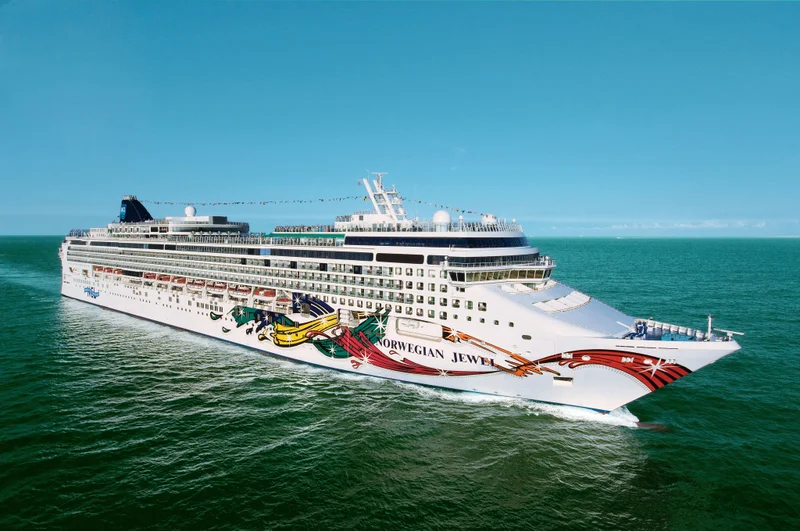
Built 2005
Copenhagen · Hamburg · Berlin · Gdansk · Klaipeda · Riga · Stockholm · Tallinn · Helsinki
Built 2005
Copenhagen · Gdansk · Berlin · Rønne · Klaipeda · Riga · Stockholm · Tallinn · Helsinki
Built 2005
Helsinki · Tallinn · Stockholm · Riga · Visby · Gdansk · Berlin · Hamburg · Copenhagen
Built 2005
Copenhagen · Berlin · Rønne · Gdansk · Riga · Stockholm · Tallinn · Helsinki
Built 2005
Copenhagen · Berlin · Gdansk · Klaipeda · Helsinki · Tallinn · Stockholm
Built 2005
Copenhagen · Kristiansand · Berlin · Gdansk · Klaipeda · Stockholm · Tallinn · Helsinki
Built 2005
Helsinki · Tallinn · Stockholm · Riga · Klaipeda · Gdansk · Berlin · Copenhagen
Built 2005
Copenhagen · Berlin · Gdansk · Klaipeda · Helsinki · Tallinn · Stockholm
Built 2005
Copenhagen · Berlin · Gdansk · Klaipeda · Helsinki · Tallinn · Stockholm
Built 2005
Helsinki · Tallinn · Stockholm · Riga · Klaipeda · Gdansk · Rønne · Berlin · Copenhagen
View seekers, architecture people, and anyone who prefers one memorable climb over several smaller stops.
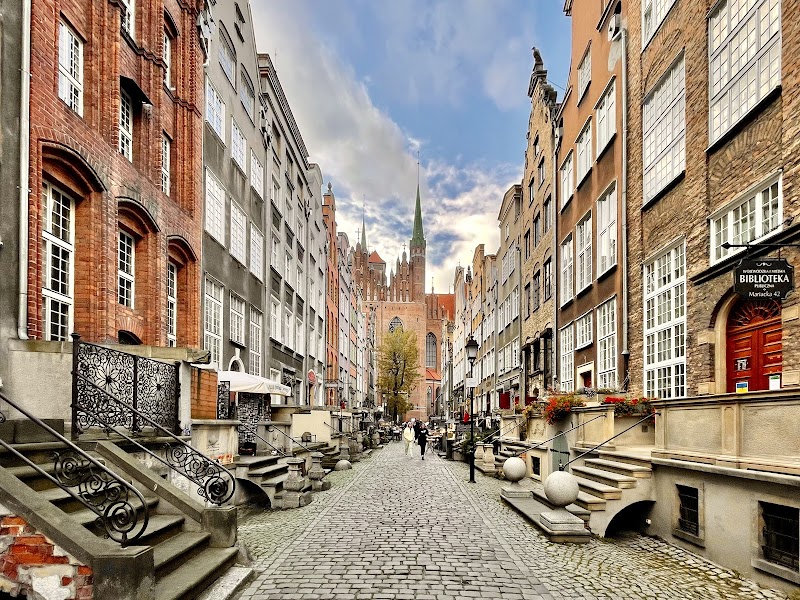
Mariacka Street is the antidote to the overstuffed shore excursion. Its gothic gates, cafes, and amber shops make it a better wander than a box to check, especially if you want something more tactile than another facade photo. This is where Gdansk's amber identity feels easiest to understand without turning the day into a shopping mission. If you want more context, the Museum of Amber in the Old Town adds carvings, craft, and jewelry-focused detail. Otherwise, keep it simple: browse, pause, and let the alley do the work.
This is the stop for travelers who want atmosphere, not another timed entrance.
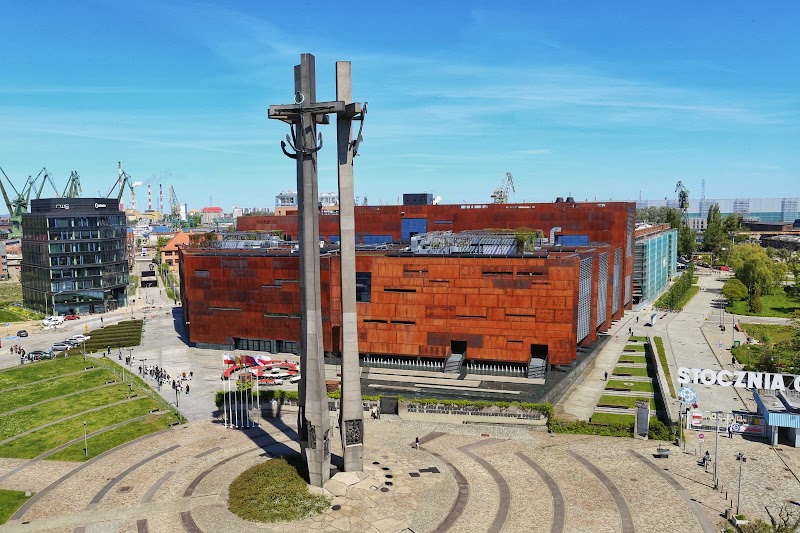
The European Solidarity Centre is the port day's serious counterweight to the Old Town beauty shot. Its interactive exhibits focus on Lech Walesa, the shipyard strikes, and the modern history that reshaped the city and the region. Because it is noted as near the port, it can be a strong opening or closing move depending on your logistics. This is not the stop for someone chasing only medieval lanes and souvenir amber. It is for travelers who want the day to explain more than it photographs.
You want political history, shipyard context, and a museum that connects Gdansk to modern Europe.
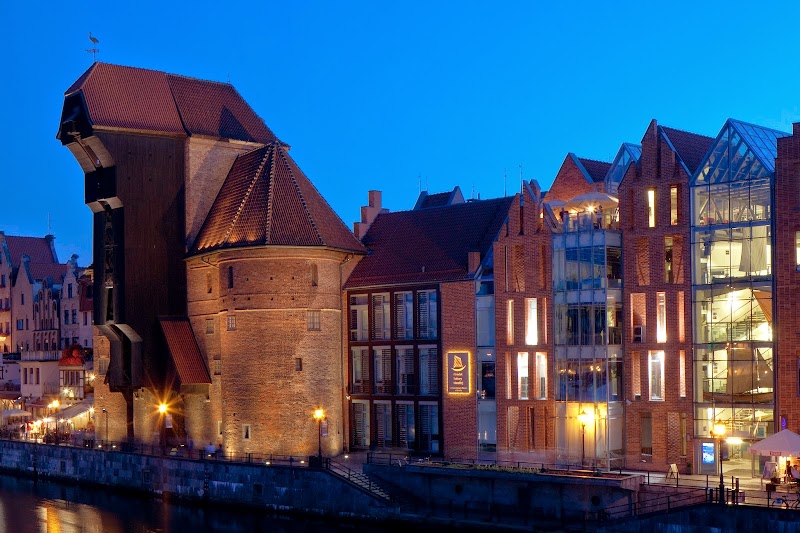
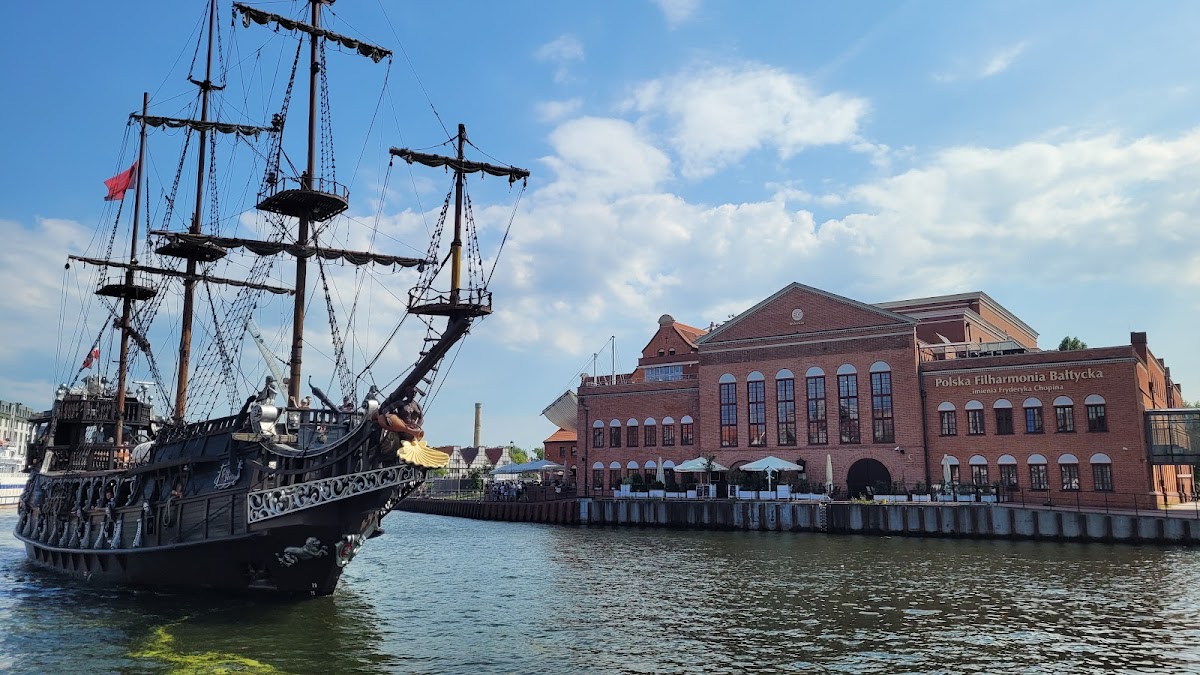
The Crane, or Zuraw, keeps Gdansk from feeling like a purely decorative Old Town. This medieval port crane once handled cargo, and that practical maritime past gives the riverside walk some bite. It is an easy thematic fit for cruise passengers: you have arrived by sea, then you stand beside a relic of an older working waterfront. Build it into a route after Long Market and Mariacka Street rather than treating it as a separate expedition. If gateways are your thing, Dluga Gate and the Prison Tower add a fortified edge near the Old Town entrance.
Go for riverfront texture: brick, water, and a piece of working-port history.
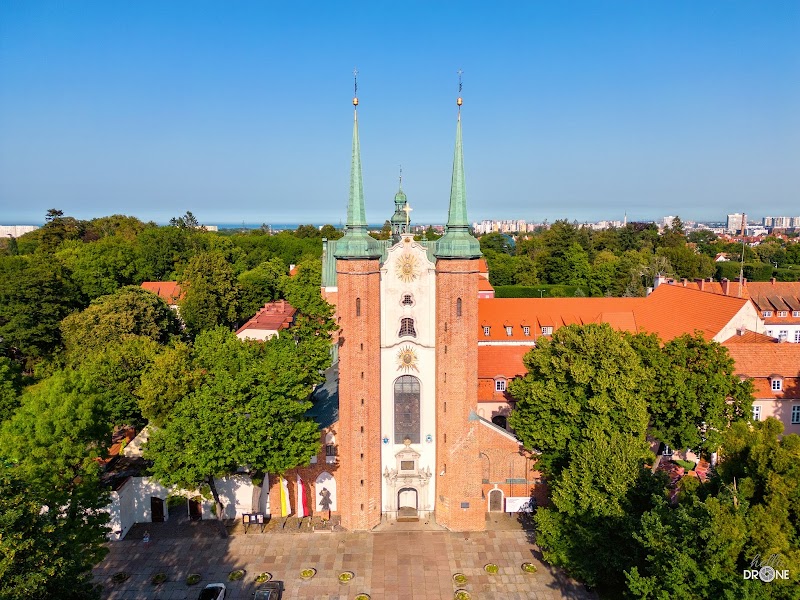
Oliwa Cathedral and Park is the move when you have seen enough facades and want the day to decompress. The cathedral is known for its organ, while the surrounding baroque gardens shift the mood away from dense Old Town sightseeing. Since it is a tram-away stop, do not casually tack it onto an already packed plan. Choose it deliberately if music, gardens, and a quieter rhythm sound better than another interior. For repeat visitors or travelers who dislike crowded central routes, Oliwa can be the smarter, calmer version of Gdansk.
Oliwa works best as a chosen detour, not a last-minute add-on to an Old Town sprint.
See the medieval port crane, once used for loading ships. Maritime relic. Riverside walk.
Tour the opulent merchants' hall with art and history inside. Grand interior. Main square.
Defensive gateways with views and history exhibits. Fortified nook. Entry to Old Town.
Learn about 'Baltic gold' with carvings and jewelry demos. Unique craft. Old Town.