JP
Cruises to Fukuoka
Fukuoka is a cruise day for ramen hunters, temple wanderers, park people, and anyone who likes a city that feels easy without being bland.
Upcoming visits
43
Best fare
$234 per night
Fukuoka is a cruise day for ramen hunters, temple wanderers, park people, and anyone who likes a city that feels easy without being bland.
Find Fukuoka on Google Maps before you plan the port day.
Fukuoka is one of those Japan port calls where the best day is not necessarily the most complicated one. The city gives you a clean mix of food, shrines, green space, shopping, and low-pressure wandering, with Hakata serving as the cultural and appetite-driven center of gravity. For cruise passengers, that matters: you can build a satisfying stop without turning the day into a transit puzzle or a checklist sprint.
The smart move is to choose a mood early. Go urban and food-focused with Canal City Hakata, ramen, and a possible yatai stall if your call runs late. Go calmer with Ohori Park, the castle ruins, and temple lanes. Or thread the two together for a day that feels distinctly Fukuoka: a little polished, a little old-school, and very easy to enjoy if you resist overpacking it.
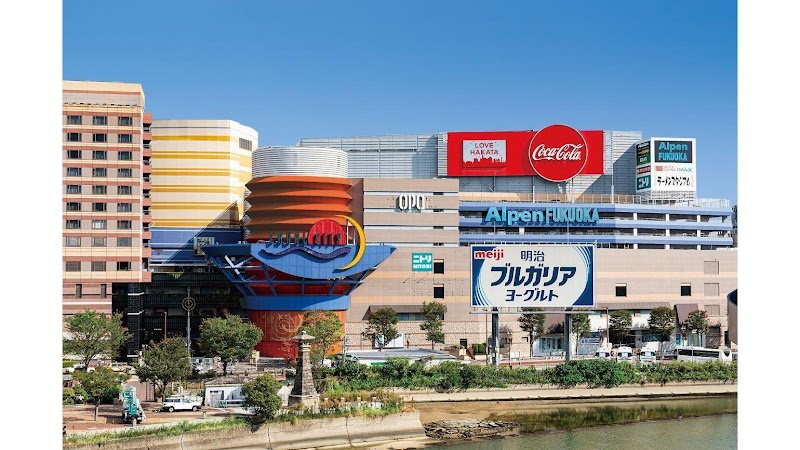
Canal City Hakata is the practical crowd-pleaser: a huge shopping and entertainment complex with canals, fountains, shows, and Ramen Stadium under one roof. It works especially well if the weather is messy, your group has split interests, or you want a low-friction ramen stop without hunting around. It is not the most intimate Fukuoka experience, but for a cruise call it is efficient in the best way. Prioritize it if you want food, shopping, and a very easy urban reset near the port.
First-timers, groups, rainy days, and anyone who wants ramen without overplanning.
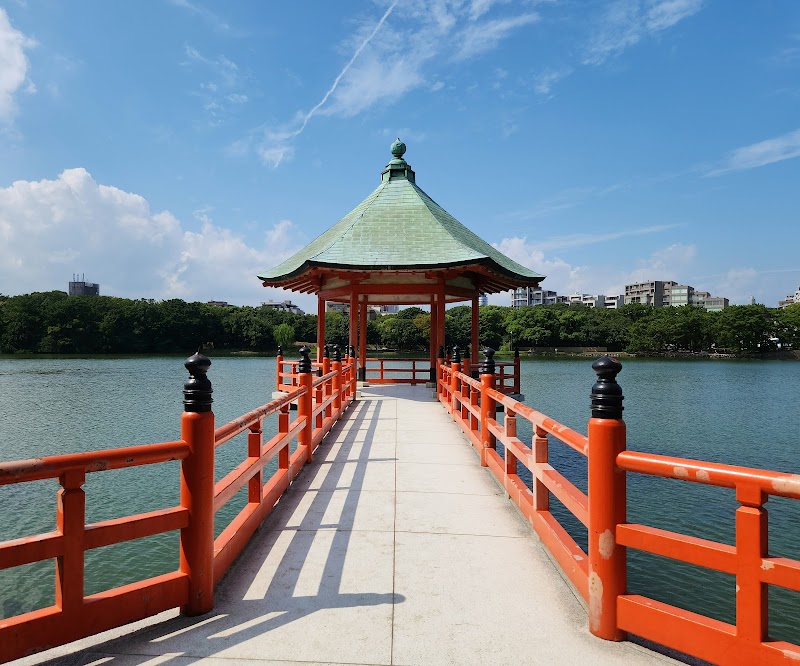
Ohori Park is the opposite of a frantic port-day attraction, which is exactly the point. The lake, tea houses, Japanese garden, jogging paths, and boat rentals make it a strong pick when you need space between temple visits and shopping floors. It suits travelers who like a slower city read: watching locals move through the park, taking an unhurried walk, and letting the day breathe. If your itinerary has been packed with dense sightseeing, make Ohori your anchor rather than an afterthought.
Combine it with the nearby castle ruins for greenery, views, and history in one focused route.
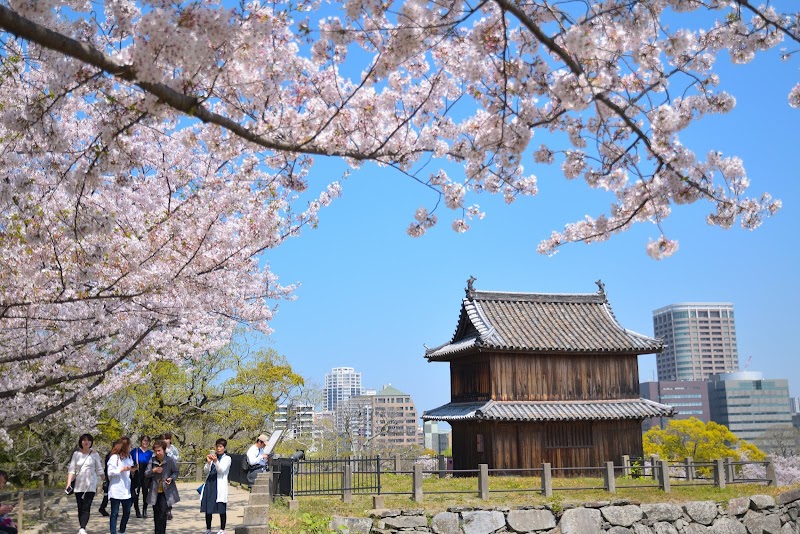
Fukuoka Castle Ruins are not about polished reconstruction; they are about stone walls, open air, and the payoff of a manageable climb. The site sits within Maizuru Park and gives you a clearer sense of the city from above, with cherry blossoms adding extra drama in season. This is a good stop for travelers who want history without spending the whole day indoors. Pair it with Ohori Park if you want a route that feels active but not punishing.
You want views, a light walk, and a history stop that does not eat the whole port day.
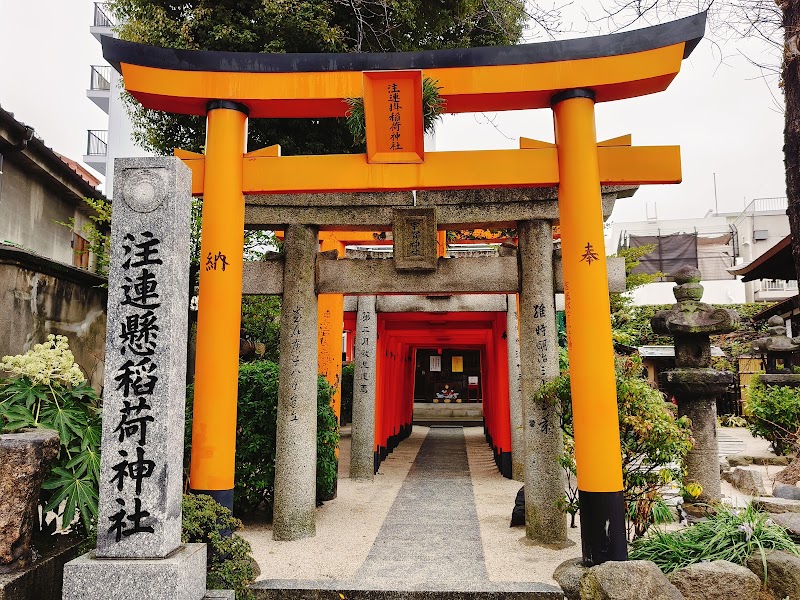
Kushida Shrine is where Fukuoka starts to feel less like a modern city break and more like Hakata with a deep local memory. The shrine is 800 years old and tied to the Hakata Gion Yamakasa festival, with large floats that make the place visually memorable even on a short visit. It is a strong priority for culture-focused passengers because it delivers atmosphere quickly. Do it before or after Hakata Old Town if you want the day to lean traditional without becoming museum-heavy.
A compact cultural stop with festival heritage, shrine architecture, and a real sense of place.
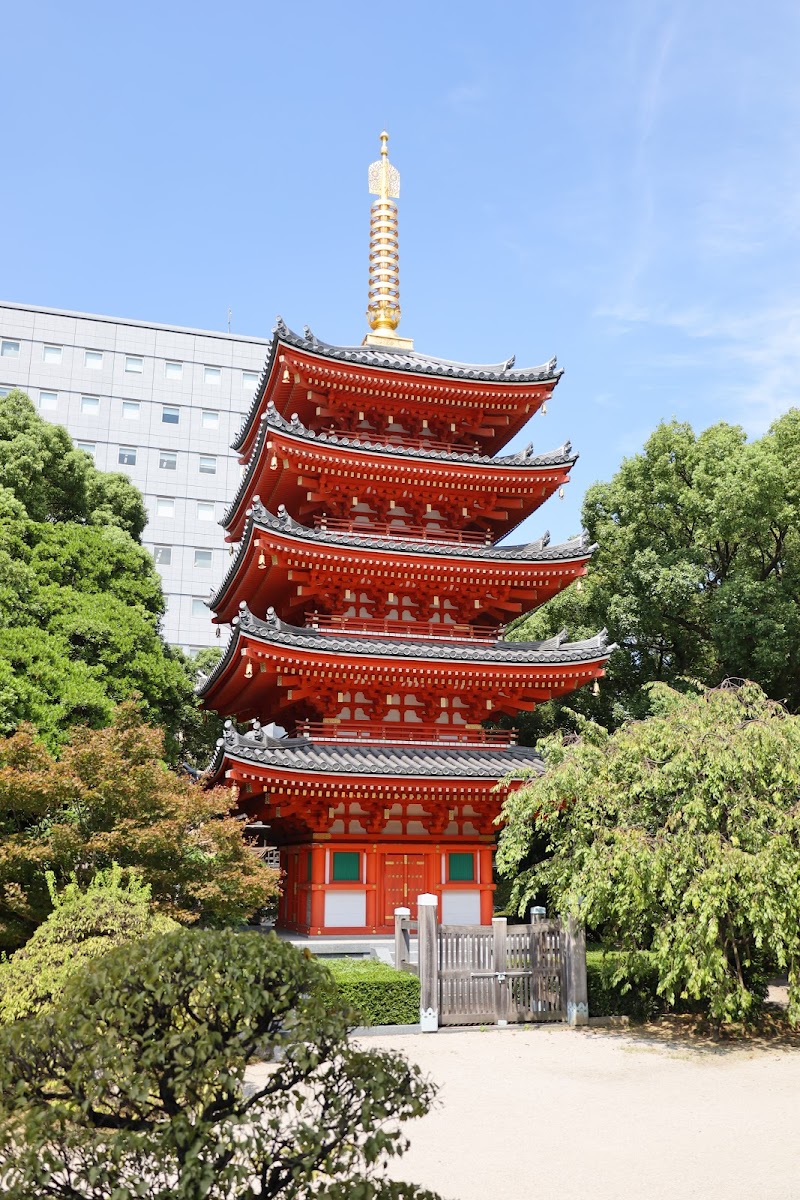
Hakata Old Town is the better choice if you want texture instead of scale. Around Tochoji Temple, the draw is a giant Buddha statue, traditional machiya houses, and a neighborhood feel that rewards walking more than rushing. It fits travelers who like temples, side streets, and cultural details that do not need a big production. This is also a smart counterweight to Canal City: one gives you modern Hakata, the other gives you the older layers that make the city more than a ramen stop.
Keep this part unhurried. The value is in the neighborhood rhythm, not just one photo stop.
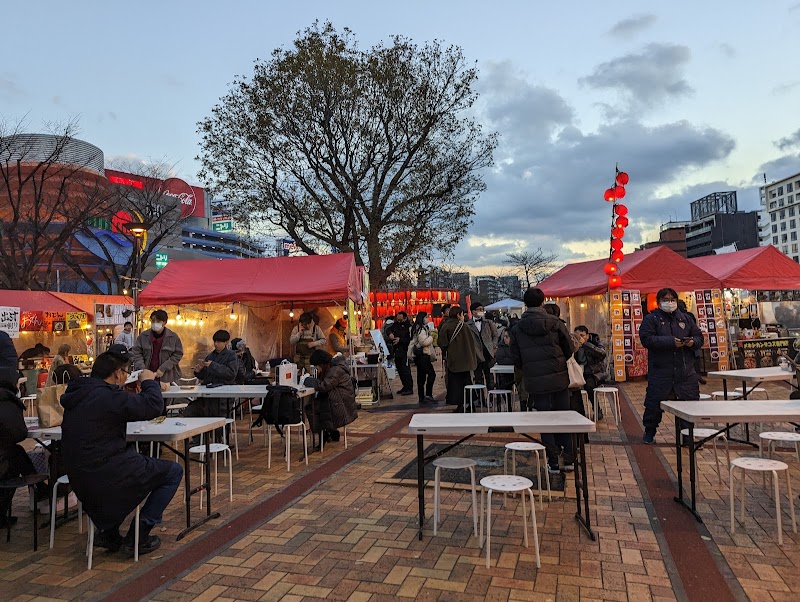
Nakasu Island Yatai Stalls are Fukuoka at its most social: riverside carts, ramen, skewers, and the kind of dinner setup that feels more like joining the city than observing it. The catch for cruise passengers is timing, because the yatai scene is an after-dark experience. If your port call allows it, this can be the food memory of the stop. If not, do not force it; Canal City or a daytime market plan will serve you better than racing the clock.
Yatai are best for late stays. If you sail earlier, build your food plan elsewhere.
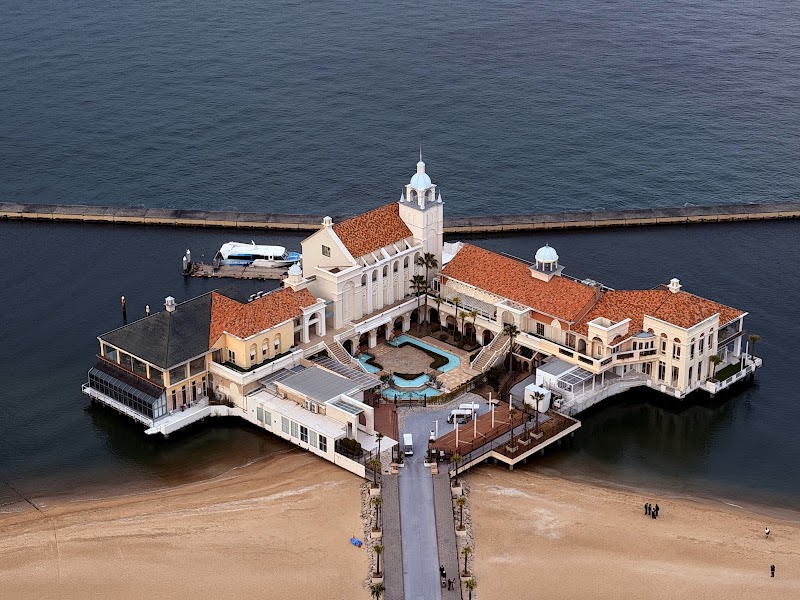
Momochi Seaside Park is the pick when you want modern Fukuoka with a waterfront edge: beach, waves, museums nearby, beach volleyball, and views toward Fukuoka Tower. It is not the most traditional choice, so do not make it your only stop if temples and old Hakata are your priority. But for repeat Japan cruisers, families, or anyone craving a lighter coastal break, it adds a different texture to the day. Think of it as a contemporary pause rather than a must-see checklist item.
Beachy breathing room, skyline views, and travelers who have already done the temple-heavy plan.
Massive shopping and entertainment complex with canals, fountains, and Ramen Stadium. Shop, dine on tonkotsu ramen, watch shows. Ultimate urban fun near port.
Scenic park with lake, tea houses, Japanese garden, and jogging paths. Rent boats or stroll. Serene green escape.
Historic samurai castle site with cherry blossoms, walls, and Maizuru Park views. Easy climb for panoramas. History hike.
800-year-old Shinto shrine center of Hakata Gion Yamakasa festival. See massive floats. Spiritual heart.
Current sailings visiting this port, sorted by the lowest tracked cabin price per night.
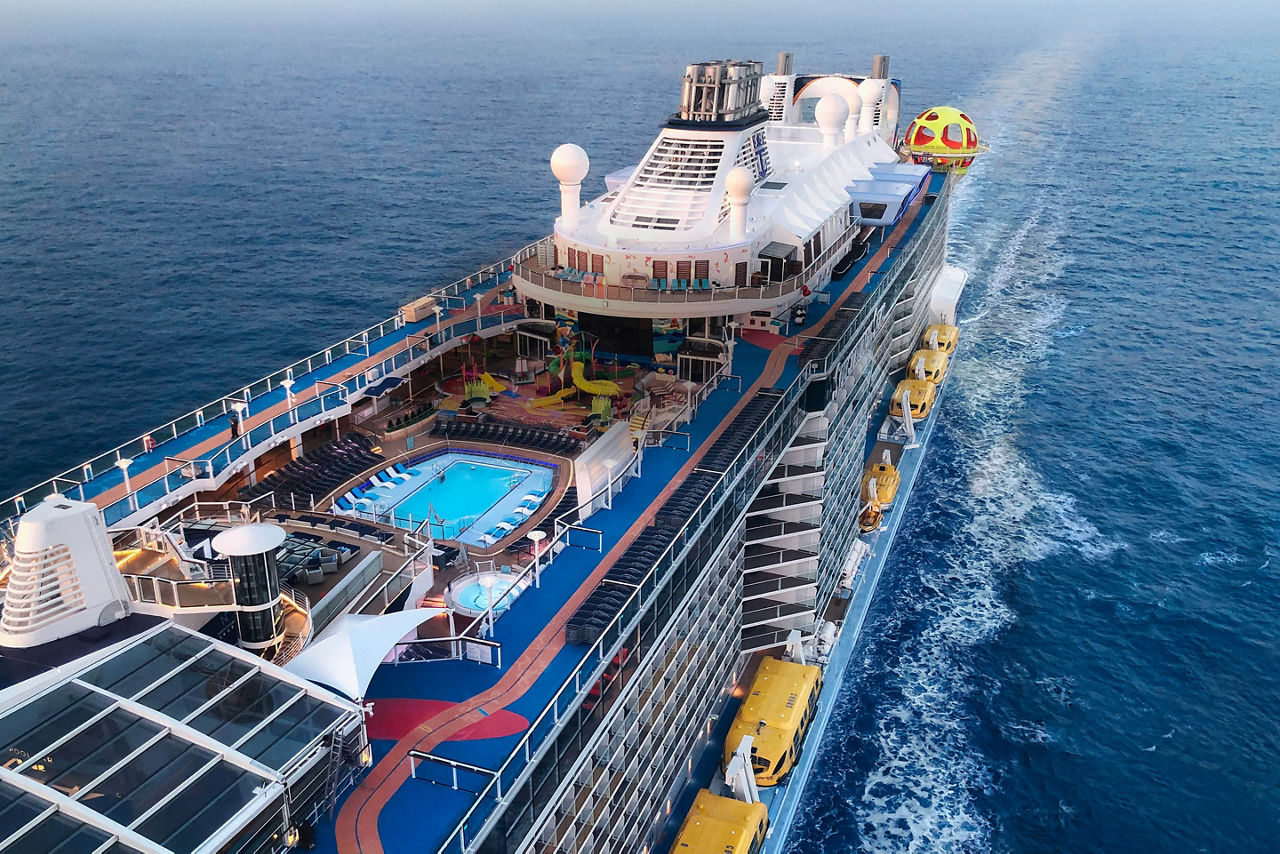
Built 2019
Shanghai · Busan · Fukuoka
Built 2019
Shanghai · Fukuoka · Jeju
Built 2000
Tokyo · Kobe · Hiroshima · Naha · Busan · Fukuoka · Nagasaki · Mount Fuji
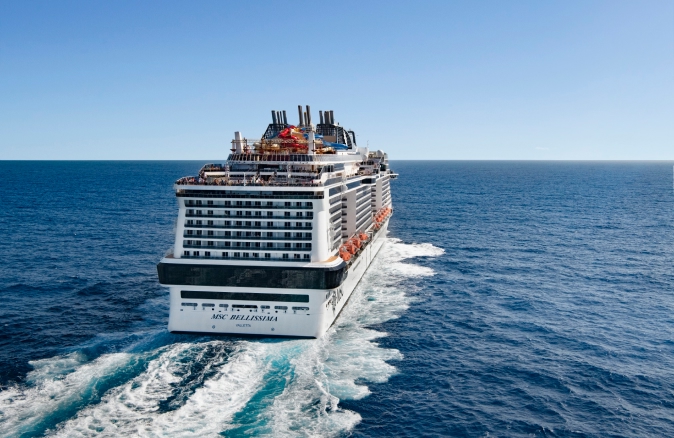
Built 2019
Shanghai · Gangjeong · Busan · Fukuoka
Built 2008
Tokyo · Mount Fuji · Kagoshima · Nagasaki · Busan · Fukuoka · Kobe
Built 2008
Tokyo · Osaka · Naha · Busan · Fukuoka · Nagasaki · Mount Fuji
Built 2008
Tokyo · Osaka · Naha · Busan · Fukuoka · Nagasaki · Mount Fuji
Built 2018
Tokyo · Mount Fuji · Osaka · Fukuoka · Busan · Keelung · Hong Kong · Chan May · Singapore
Built 2000
Tokyo · Mount Fuji · Nagasaki · Busan · Fukuoka · Naha · Kobe
Built 2008
Tokyo · Mount Fuji · Yatsushiro · Busan · Fukuoka · Naha · Kobe
Built 2000
Tokyo · Nagasaki · Yatsushiro · Busan · Fukuoka · Naha · Kobe · Kochi · Mount Fuji
Built 2000
Tokyo · Kochi · Osaka · Fukuoka · Busan · Nagasaki · Kagoshima · Hiroshima · Mount Fuji
Temple with giant Buddha statue and traditional machiya houses. Cultural enclave. Authentic neighborhood.
Riverside street food carts serving ramen, skewers after dark. Iconic Fukuoka eats. Foodie adventure.
Architectural marvel with rooftop gardens and symphony hall. Views from terraces. Green skyscraper.
Modern beachfront with Fukuoka Tower views, museums, and waves. Beach volleyball. Contemporary fun.