US
Cruises to Dutch Harbor
Dutch Harbor is a rugged Alaska call where the best day is part history lesson, part weather-aware wander, and part sharp-eyed coastal scouting.
Upcoming visits
1
Best fare
$609 per night
Dutch Harbor is a rugged Alaska call where the best day is part history lesson, part weather-aware wander, and part sharp-eyed coastal scouting.
Find Dutch Harbor on Google Maps before you plan the port day.
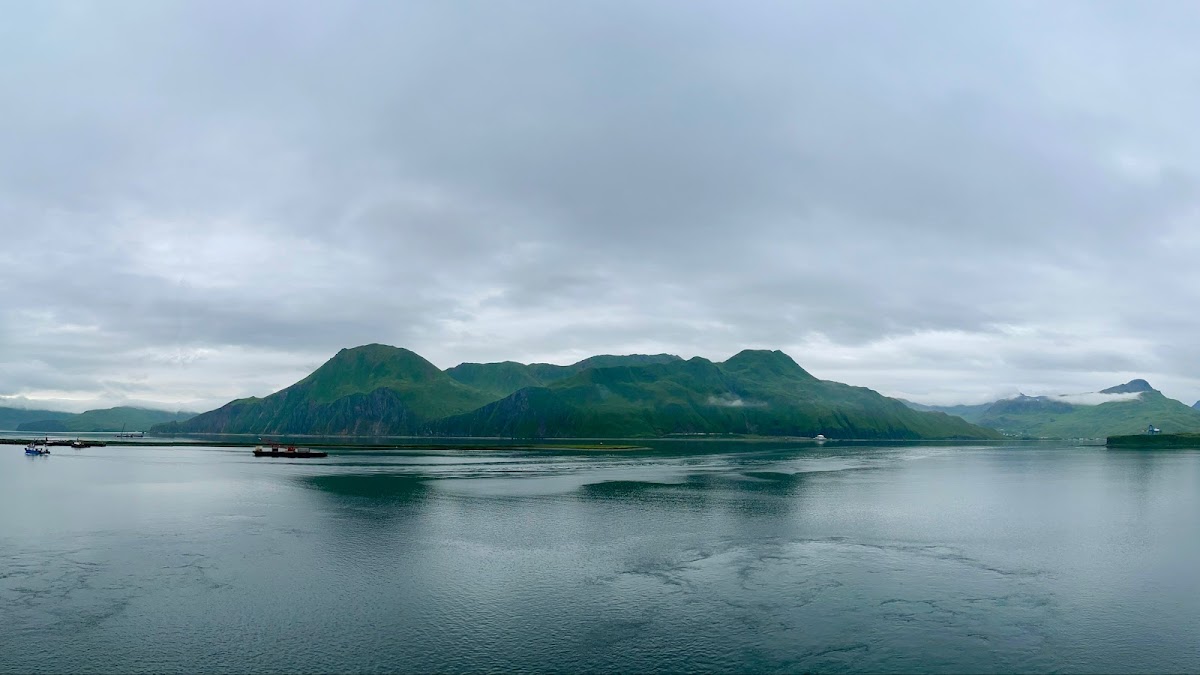
Dutch Harbor is not a polished, checklist-style Alaska port, and that is the point. Set on Unalaska, it rewards travelers who like working harbors, layered history, wind-cut views, and places that feel far from the usual cruise circuit. The strongest port day here is not about packing in a dozen stops. It is about choosing a few that reveal the island clearly: a gold-domed Russian Orthodox church, wartime ruins above the bay, cannery exhibits, and coastal edges where rusted metal, driftwood, and bald eagles become the scenery.
Think of Dutch Harbor as a port for curious travelers rather than passive sightseeing. History people should anchor the day around St. Michael Cathedral and the WWII memorials. Outdoorsy passengers can look toward Mount Ballyhoo, Grassia Point, or beachcombing, with the usual caveat that exposed places are best enjoyed with flexible expectations. Photographers get plenty to work with: icons, bunkers, machinery, low-tide shipwreck remains, and raw shoreline textures. If your ideal port day involves tidy shopping streets, this may not be your match. If you like places with edge, it is memorable.
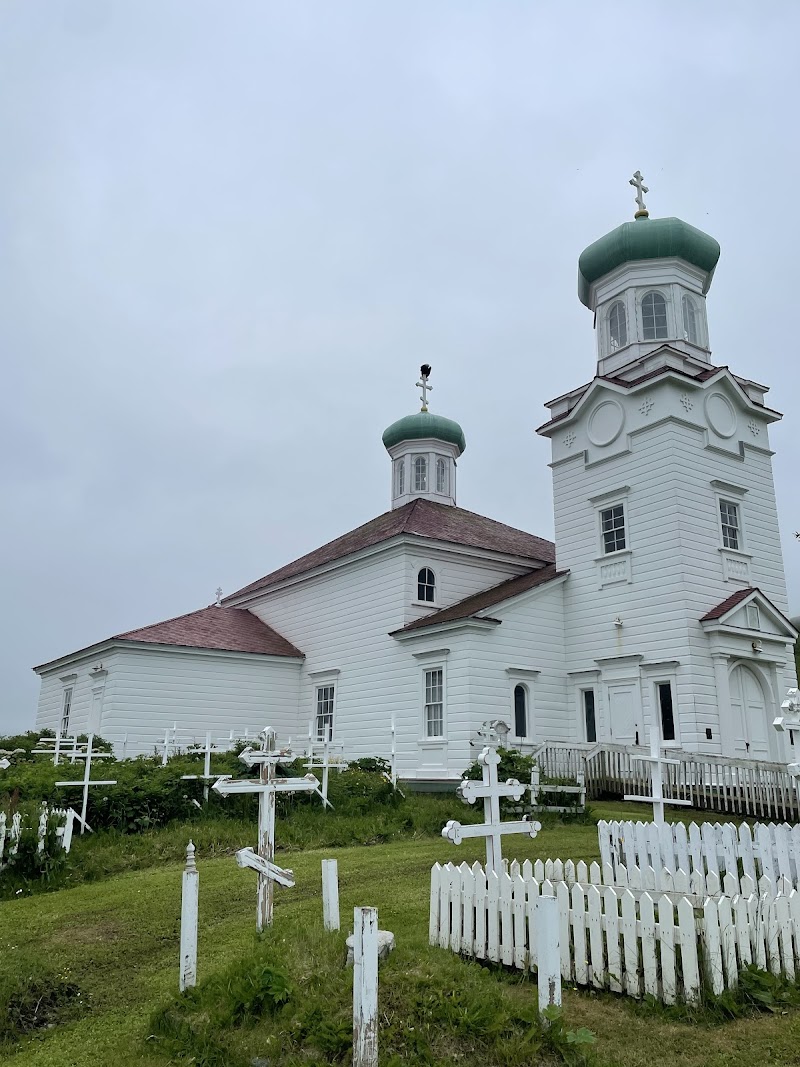
St. Michael Cathedral is the clearest first stop if you want Dutch Harbor to make sense quickly. Its gold domes and icon-filled interior connect the port to Aleut-Russian heritage in a way that feels specific, not decorative. For cruise passengers with limited time, this is a high-value cultural stop: visually distinctive, historically grounded, and different from the glacier-and-totem shorthand that often dominates Alaska planning. Prioritize it if you like architecture, religious art, or places that explain how cultures overlapped here.
Use St. Michael Cathedral as the cultural anchor of the day, then build outward toward harbor history or coastal views.
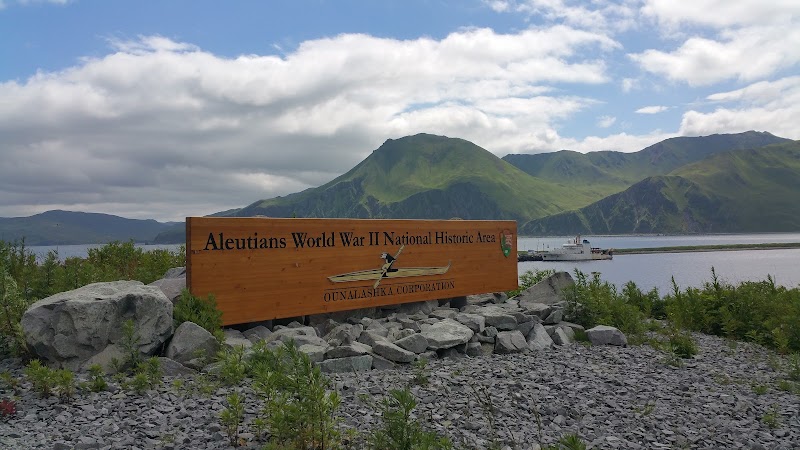
The WWII memorials bring a different kind of weight to the port day. Gun emplacements and bunkers tied to Pacific War history sit with views over the bay, so the stop works on two levels: you get a sense of military geography and a broad look at the harbor itself. This is not a glossy museum-style experience; the appeal is in seeing defensive remains in the landscape. It fits history travelers, photographers who like stark compositions, and anyone who wants context beyond pretty scenery.
Historic St. Michael Cathedral with icons. Aleut-Russian heritage. Gold-domed beauty.
Gun emplacements, bunkers from Battle of Attu. Pacific War history. Overlooks bay.
Fishing industry exhibits, machinery. Aleut life stories. Maritime past.
Trail to alpine views, wildflowers. Birdwatching. Moderate summit.
Current sailings visiting this port, sorted by the lowest tracked cabin price per night.
The bay views are part of the experience, but the real draw is seeing wartime infrastructure still embedded in the landscape.
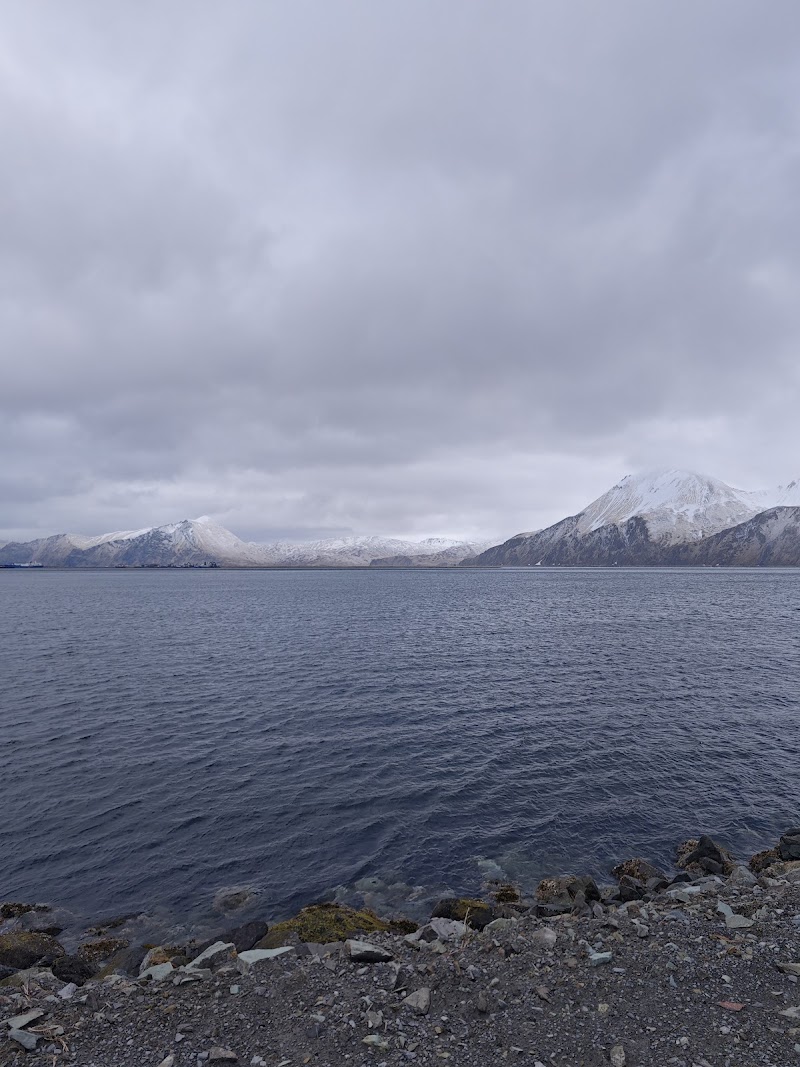
The Salmon Cannery Museum is the port's practical brain. Fishing industry exhibits, old machinery, and Aleut life stories turn Dutch Harbor from a scenic dot on the itinerary into a working maritime place with its own memory. It is especially useful if you do not want your day to depend entirely on outdoor conditions, or if you prefer artifacts and personal stories to big viewpoints. Pair it with the church for a culture-forward route, or with the WWII memorials for a fuller read on how industry, community, and history overlap here.
If the weather makes exposed viewpoints less appealing, the cannery museum keeps the day rooted in local life.
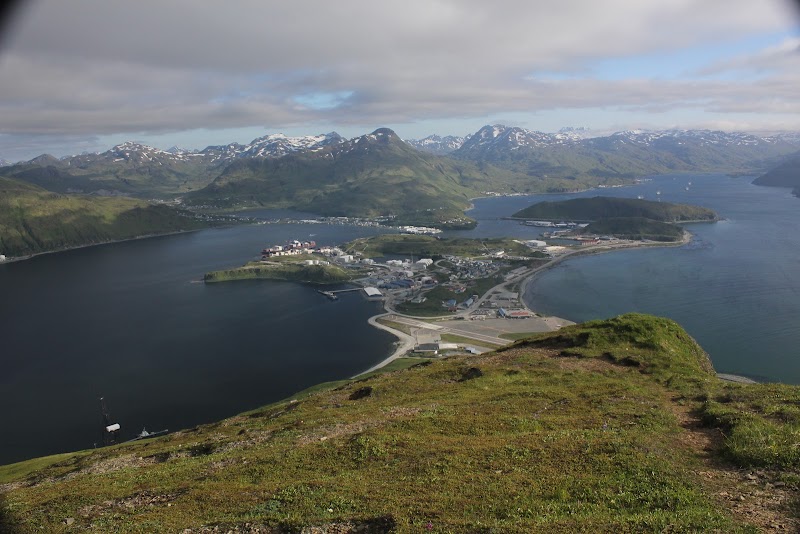
Mount Ballyhoo is the choice for passengers who want a more active Dutch Harbor day. The moderate summit trail brings alpine views, wildflowers, and birdwatching into the mix, making it a strong counterpoint to museums and memorials. Because a hike can absorb a meaningful slice of a port stop, treat it as a headline plan rather than an add-on. It is best for travelers who are comfortable making the outdoors the main event and who do not mind trading some historical stops for elevation, texture, and a wider look at the island.
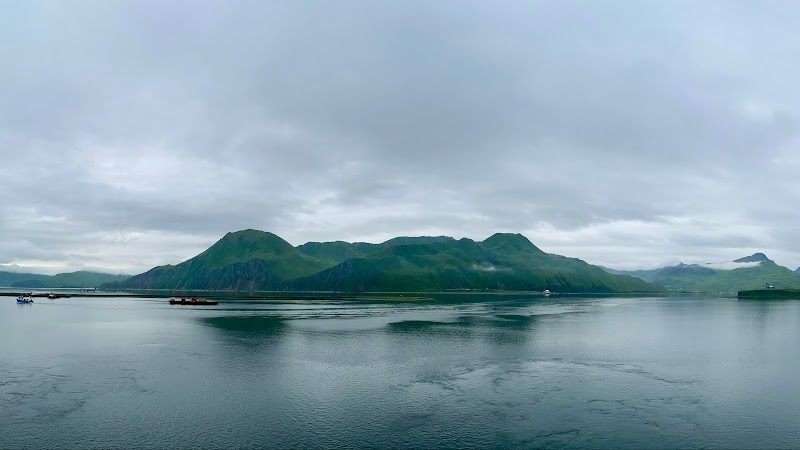
The Unalaska Shipwreck is a moodier stop: rusted iron remains visible at low tide, more relic than attraction in the conventional sense. That makes it appealing for photographers, coastal wanderers, and travelers who like odd, atmospheric details. It should not be your only plan for the day, because the low-tide factor matters and the experience is intentionally simple. Fold it into a shoreline-focused route with beachcombing, or use it as a short visual detour after heavier history stops.
This one is most rewarding when the remains are exposed, so it works best as a flexible add-on.
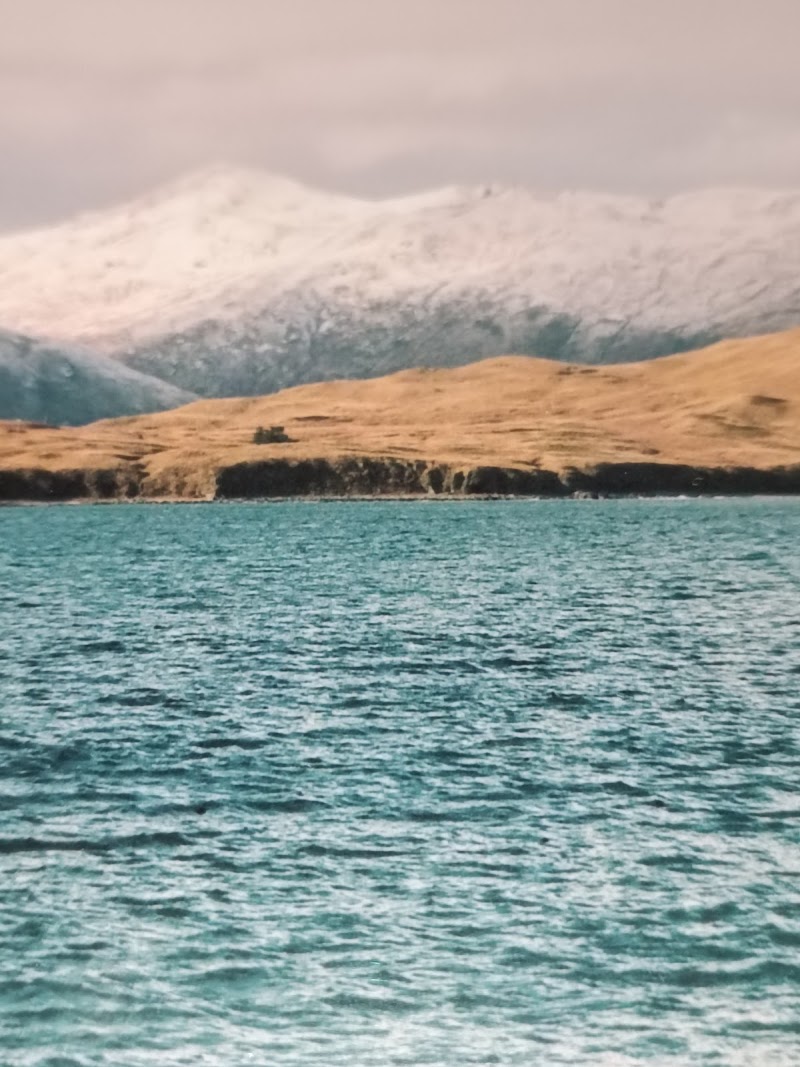
If your favorite port days are less scripted, aim for Grassia Point and the beachcombing sites. Grassia Point is known as a bald eagle viewing spot, while the beaches can turn up driftwood and Japanese glass floats for patient scavengers. These stops are less about a single must-see object and more about slowing down enough to notice what the coast offers. They fit wildlife watchers, collectors of unusual details, and anyone who wants an Alaska day that feels tactile rather than packaged.
Rust iron remains visible at low tide. Photo op. Eerie relic.
Driftwood, Japanese glass floats. Scavenger hunt. Unique finds.