GB
Cruises to Dover
Dover is a port for travelers who want a dramatic coast day, not a checklist: cliffs, castle walls, wartime tunnels, and wind off the Channel.
Upcoming visits
145
Best fare
$107 per night
Dover is a port for travelers who want a dramatic coast day, not a checklist: cliffs, castle walls, wartime tunnels, and wind off the Channel.
Find Dover on Google Maps before you plan the port day.
Dover does not need a long transfer or a complicated plan to feel cinematic. The port sits beside the chalk cliffs that have done centuries of visual branding for Britain, and the best cruise day here leans into that geography. You can walk coastal paths, climb into a fortress, or keep the day gentler with a lighthouse, cove, or country park. The trick is accepting that the weather and the hills are part of the experience, not an inconvenience to edit out.
This is also a stronger port for history than many passengers expect. Dover Castle is the obvious anchor, but the area layers Roman remains, Napoleonic defenses, Second World War tunnels, aviation memorials, and Channel views into a surprisingly tight radius. If your sailing has a run of pretty towns, Dover adds grit and scale. If you only want shopping streets and cafe hopping, it may feel too windswept. Book it for the cliffs, the military history, and the feeling of standing on the edge of the map.
The White Cliffs of Dover are the port's defining image, and they are worth prioritizing over a generic town wander. A country park bus can get you near the paths, but even a shorter viewpoint stop delivers the chalk faces, Channel light, and big-sky photos people expect from this coast. Hikers should give the cliffs the main block of the day; casual visitors can treat them as a focused scenic hit. Either way, wear shoes that can handle uneven ground and assume the wind will be part of the shot.
First-time Dover visitors, photographers, walkers, and anyone who wants the port's most recognizable view.
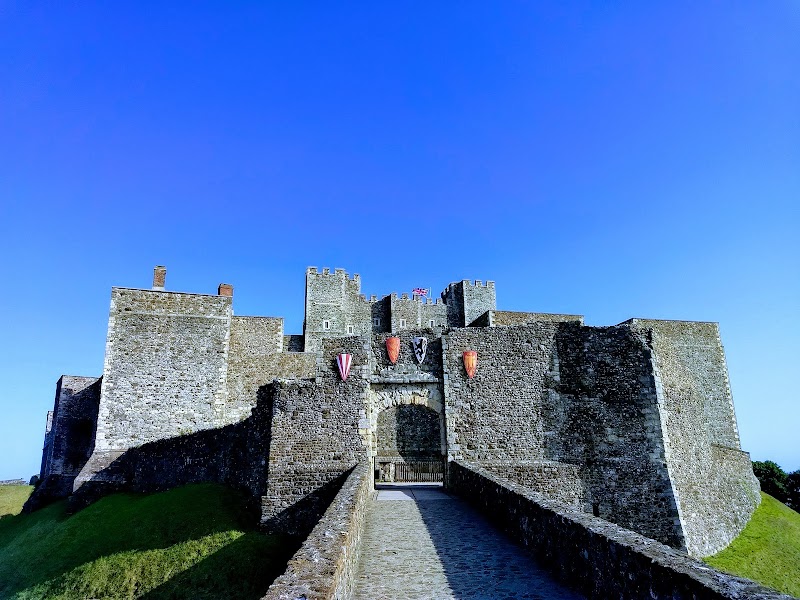
Dover Castle is the easiest way to turn a port call into a proper story. The fortress sits above the town and the Channel, with medieval walls, wartime tunnels, and the kind of views that explain why this spot mattered. It can be reached by shuttle or a steep uphill walk, so build your plan around energy as much as interest. A two-hour visit is realistic and rewarding, especially for travelers who like their scenery with context. Pair it with the cliffs only if you are comfortable keeping the pace tight.
Iconic chalk cliffs symbolizing Britain, with coastal paths and WWII history. Country park bus nearby; hike or viewpoint for photos. Quintessential English scenery.
Massive medieval fortress atop cliffs with wartime tunnels and battle reenactments. Shuttle or 20-minute walk uphill; top UK site with 2-hour tours. Views over Channel unbeatable.
Wings-shaped museum honoring 1940 pilots with Spitfire displays. Taxi 15 minutes; poignant aviation heritage. Quick emotional visit.
Victorian lighthouse with beam demos and tea room; UK's first electric light. Short NT bus from castle; climb for sea vistas. Quirky history spot.
Current sailings visiting this port, sorted by the lowest tracked cabin price per night.
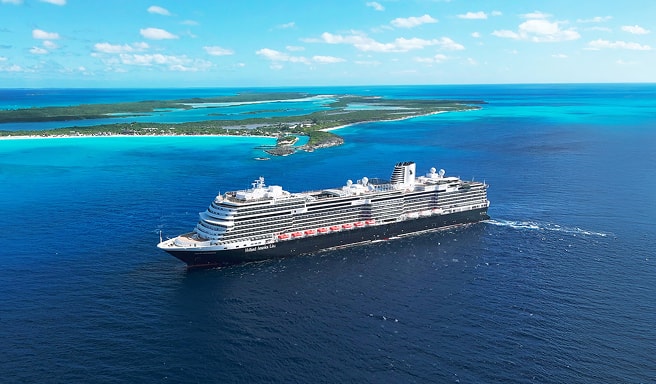
Built 2018
Rotterdam · Bruges · Dover · Cherbourg · Paris · Portland · Fort Lauderdale
Built 2018
Fort Lauderdale · Bermuda · Portland · Dover
Built 2018
Fort Lauderdale · Bermuda · Portland · Dover · Rotterdam
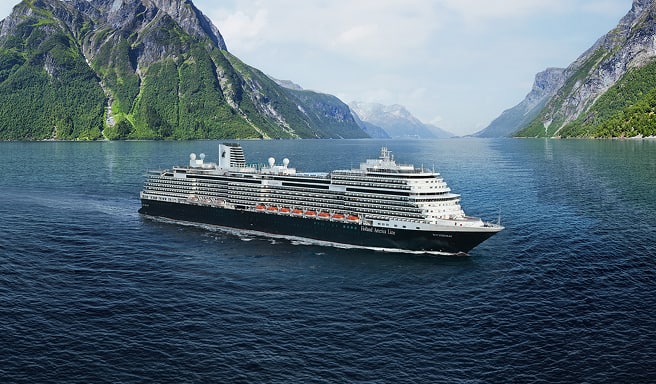
Built 2021
Fort Lauderdale · Dover · Bruges · Rotterdam
Built 2021
Fort Lauderdale · Dover · Bruges · Rotterdam · Geiranger · Olden · Ålesund · Bergen
Built 2018
Dover · Rotterdam · Casablanca · Agadir · Fuerteventura · Gran Canaria · La Palma · Tenerife · Cádiz · Málaga · Barcelona
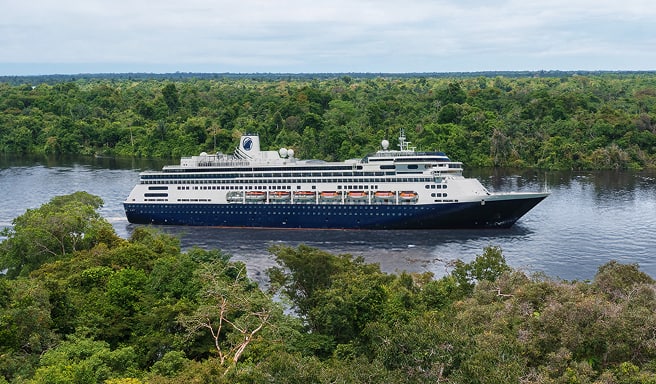
Built 1999
Rotterdam · Oslo · Copenhagen · Aarhus · Dover · San Juan · Fort Lauderdale
Built 2018
Fort Lauderdale · Bermuda · Portland · Dover · Rotterdam · Casablanca · Agadir · Lanzarote · Tenerife · Madeira · Lisbon
Built 2018
Fort Lauderdale · Bermuda · Portland · Dover · Rotterdam · Casablanca · Agadir · Lanzarote · Tenerife · Madeira · Lisbon
Built 2018
Rotterdam · Lisbon · Cádiz · Barcelona · Valencia · Cartagena · Gibraltar · Dover
Built 2018
Athens · Mykonos · Valletta · Mallorca · Alicante · Cartagena · Tangier · Cádiz · Lisbon · Porto · La Coruña · Bilbao · Bordeaux · Cobh · Liverpool · Portland · Dover · Rotterdam
Built 2018
Dover · Rotterdam · Hamburg · Aarhus · Copenhagen · Oslo · Kristiansand · Bergen · Stavanger · Casablanca · Agadir · Fuerteventura · Gran Canaria · La Palma · Tenerife · Cádiz · Málaga · Barcelona
If you choose one paid or guided-feeling experience in Dover, make it the castle.
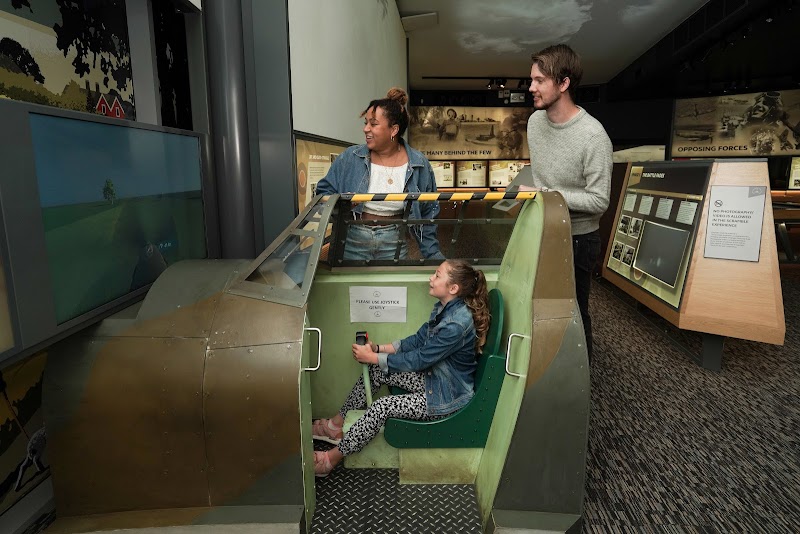
The Battle of Britain Memorial works best as a concise stop rather than a whole-day plan. A short taxi ride from Dover brings you to a wings-shaped museum honoring the pilots of 1940, with Spitfire displays and a tone that is more reflective than theatrical. It fits aviation buffs, family travelers with history-minded teens, and anyone who wants a quieter counterpoint to the castle crowds. Because the visit is emotionally focused and not overly sprawling, it is easy to add after a cliff or fortress morning without overloading the day.
Choose this when you want wartime history without committing your entire port stop to museums.
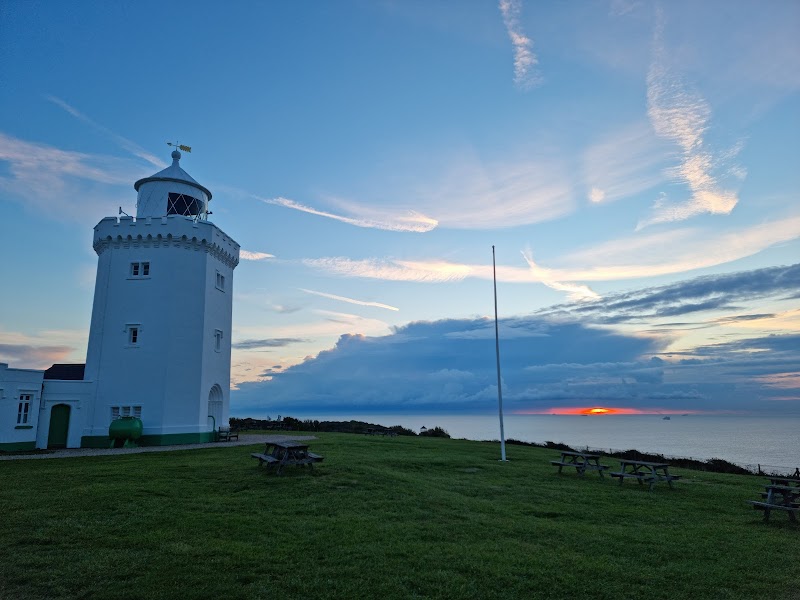
South Foreland Lighthouse is the gentler, quirkier version of a Dover coast day. The Victorian lighthouse has beam demonstrations, a tea room, and a claim to early electric-light history, which gives the stop more texture than a simple photo point. It is especially appealing if you are already near the castle or cliffs and want to keep moving along the coast without adding another heavy historic site. Climbing for sea views is the reward, but the mood is slower: lighthouse, grass, horizon, and a cup of tea if the timing works.
A castle or cliff plan, especially for travelers who want coastal scenery without a long hike.
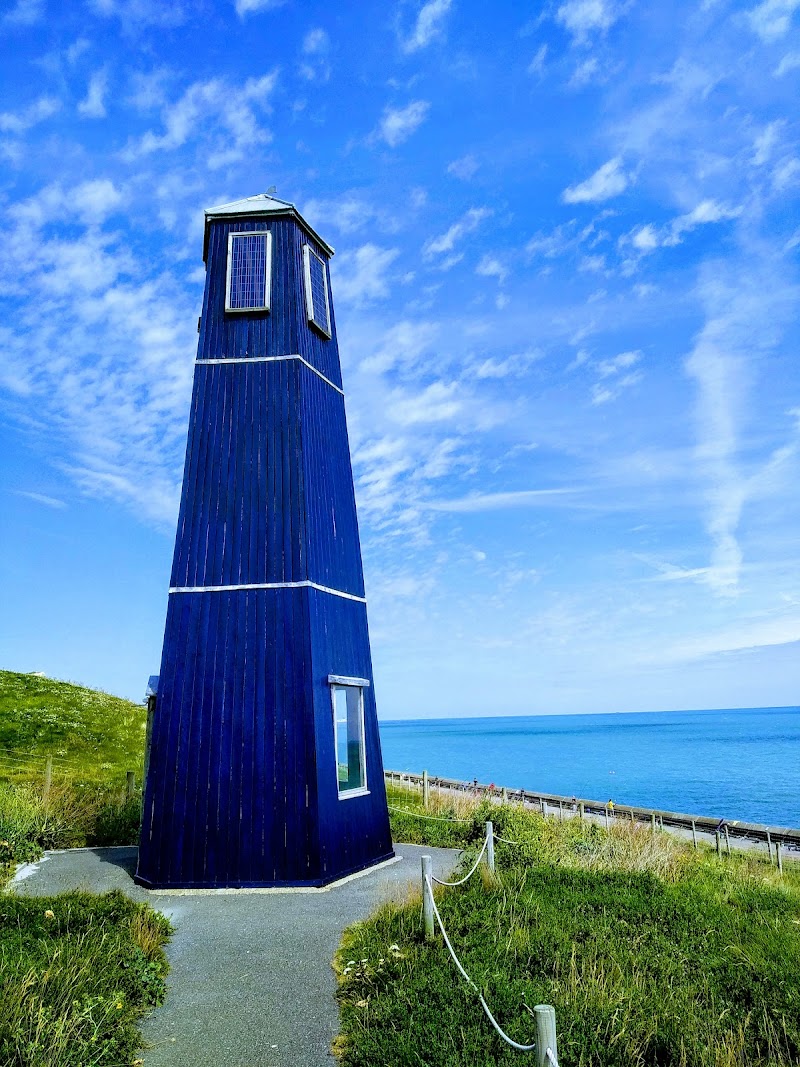
Samphire Hoe Country Park is the left-field choice, and that is its appeal. Built from material excavated during Channel Tunnel construction, it now works as a coastal nature escape with walks, butterflies, possible seal sightings, and a cafe. When a shuttle is running from the port, it can be an easy low-stress option; otherwise, check logistics before committing. This is the pick for travelers who have done castles before, want open air without a strenuous cliff route, or need a softer day after several dense sightseeing ports.
A smart choice for nature time, fresh air, and a break from fortress-and-museum pacing.
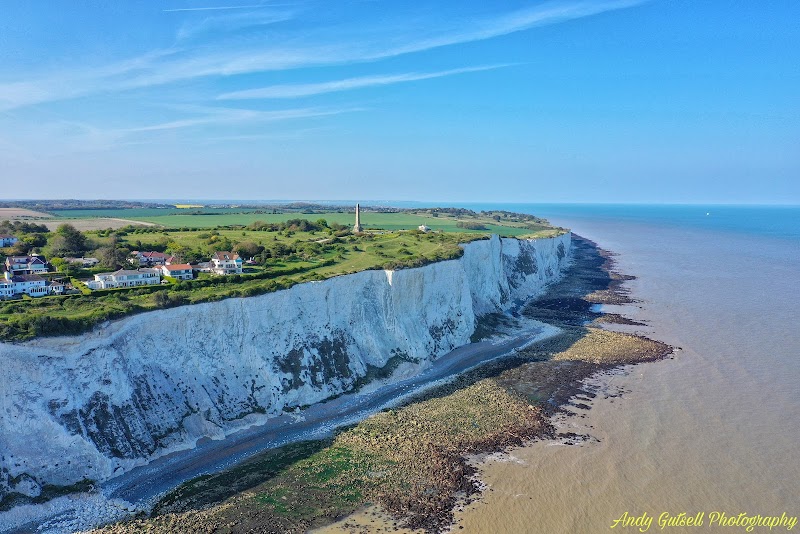
St Margaret's Bay is where Dover starts to feel more local. The small sandy cove sits below cliffs with lighthouse views, reachable by bus or taxi, and it suits passengers who would rather picnic, stare at the water, or dip a toe than join a bigger sightseeing circuit. Do not come expecting a full beach-resort setup; the appeal is the tucked-away scale and the contrast between pale cliffs and open sea. It is best as a half-day escape or a calming second stop after you have already seen the main cliffs from above.
Couples, repeat visitors, and anyone who wants a quieter coastal stop over a packed itinerary.
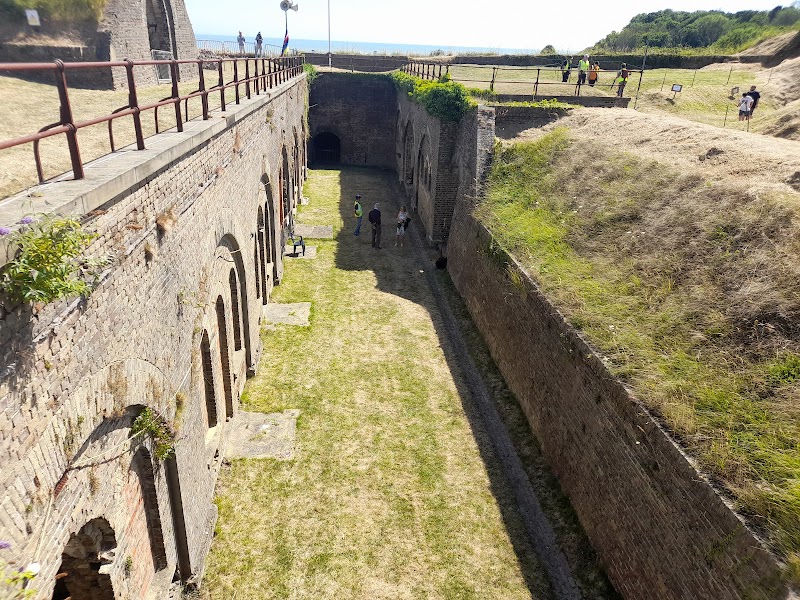
If military architecture is your thing, Western Heights Forts make Dover feel less polished and more exploratory. The Napoleonic and Victorian defenses include tunnels and drop towers, and reaching them may mean a hike or taxi depending on your starting point. They are better for curious, sure-footed travelers than for anyone trying to keep the day effortless. For an easier historic extra, the Roman Painted House offers a brief downtown look at preserved ancient frescoes and mosaics. Together, they show that Dover's story runs much deeper than the famous cliff edge.
Look beyond the castle if you like ruins, tunnels, and compact history stops.
Landscaped from Channel Tunnel spoil; butterflies, seals, walks. Free shuttle often from port; nature haven with cafe. Eco-gem post-tunnel.
Secret sandy cove beach with lighthouse views from cliffs. Bus/taxi 10 minutes; picnic or dip for locals' favorite. Peaceful escape.
Napoleonic and Victorian defenses with tunnels and drop towers. Hike or taxi; explore underground for chills. Underrated military site.
Well-preserved 200 AD villa mosaics and frescoes. Downtown walk; Europe's finest Roman art. Brief but brilliant.