US
Cruises to College Fjord
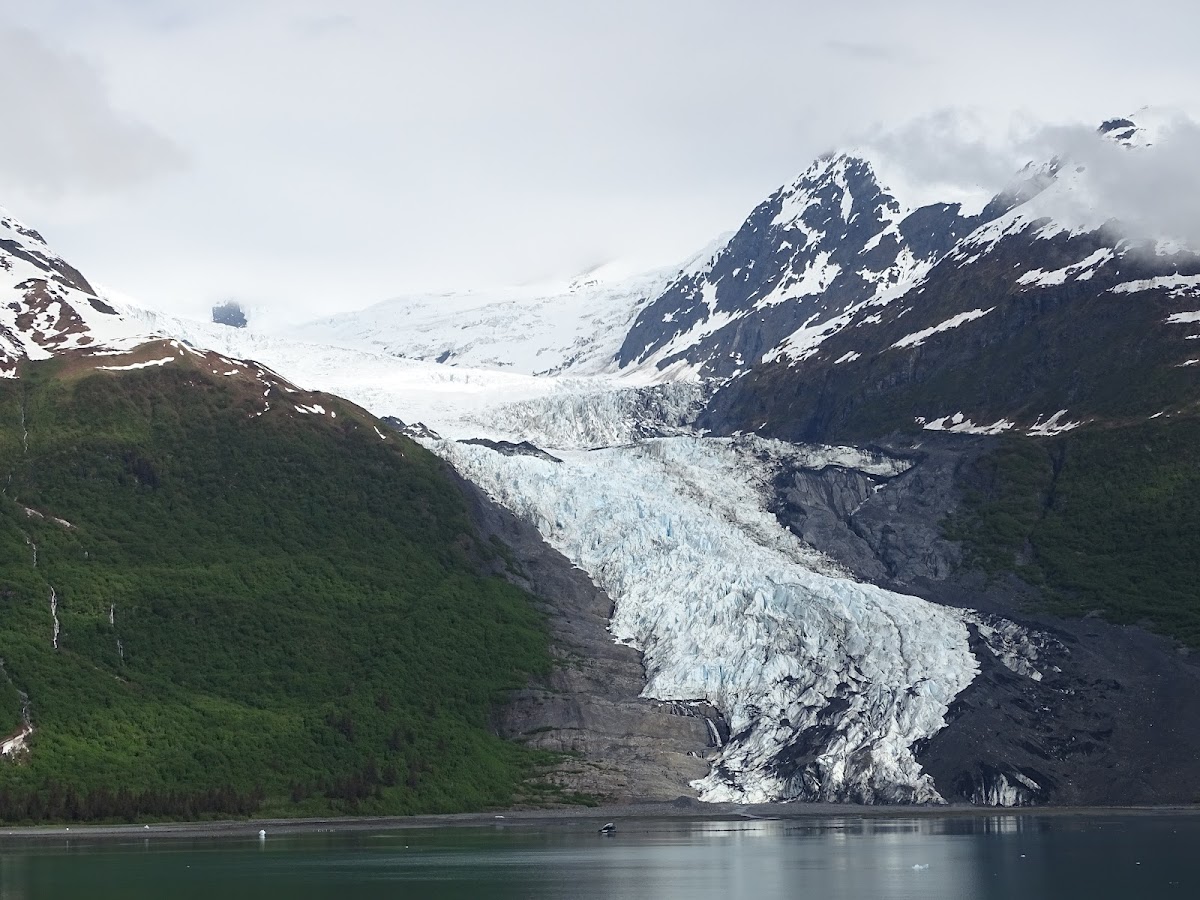
College Fjord is an Alaska cruise day for glacier obsessives: cold air, blue ice, cliffside wildlife, and very little reason to leave the rail.
Upcoming visits
155
Best fare
$360 per night
College Fjord is an Alaska cruise day for glacier obsessives: cold air, blue ice, cliffside wildlife, and very little reason to leave the rail.
Find College Fjord on Google Maps before you plan the port day.
College Fjord is not a port day built around cafes, souvenir runs, or trying to cram in a dozen stops. It is a scenery-first Alaska call where the ship itself becomes the viewpoint, and the payoff is ice: tidewater glaciers, deep fjord walls, waterfalls, and the kind of scale that makes everyone suddenly serious about binoculars. If your idea of a strong cruise day includes quiet time on deck and a camera roll full of blues, whites, and steel-gray water, this is a major reason to book the itinerary.
The best approach is to treat College Fjord like a live, moving landscape rather than a checklist. Conditions, route, and visibility shape what you see, so flexibility matters more than a rigid plan. Prioritize time outside when the ship is near the glaciers, keep a warm layer handy, and move between open decks when the angle changes. Wildlife sightings can happen, but the glaciers are the anchor. Come for the ice walls; let the whales, otters, mountain goats, and waterfalls feel like bonuses instead of obligations.
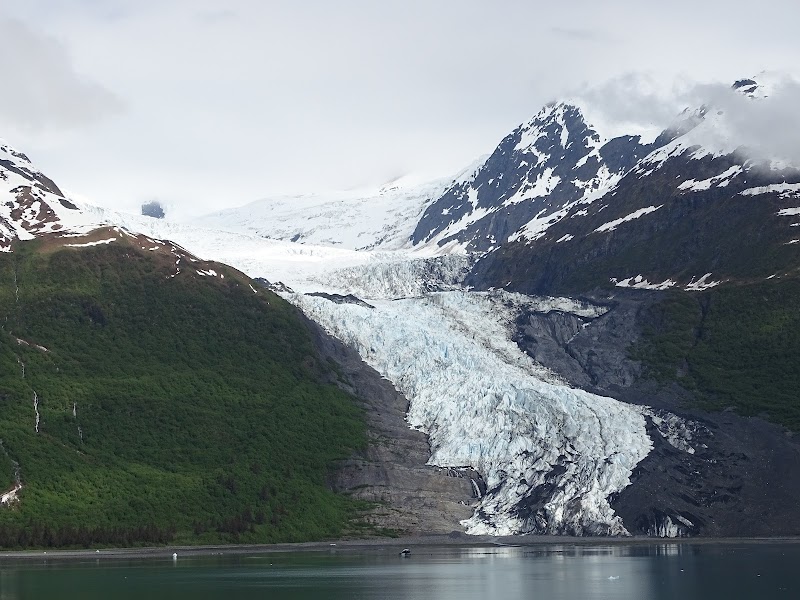
Yale Glacier is the kind of view that justifies the extra layer and the early deck stakeout. The draw is the color and height of the ice, especially when the glacier fills the frame beside the ship. For cruise passengers, it works because you do not need a complicated excursion plan to feel close to the landscape. Watch for chunks of ice breaking away, but do not spend the whole time waiting for one dramatic moment. This is better as a slow-looking stop: textures, cracks, blue shadows, and the silence around the fjord.
Travelers who want the classic Alaska glacier shot without leaving the ship.
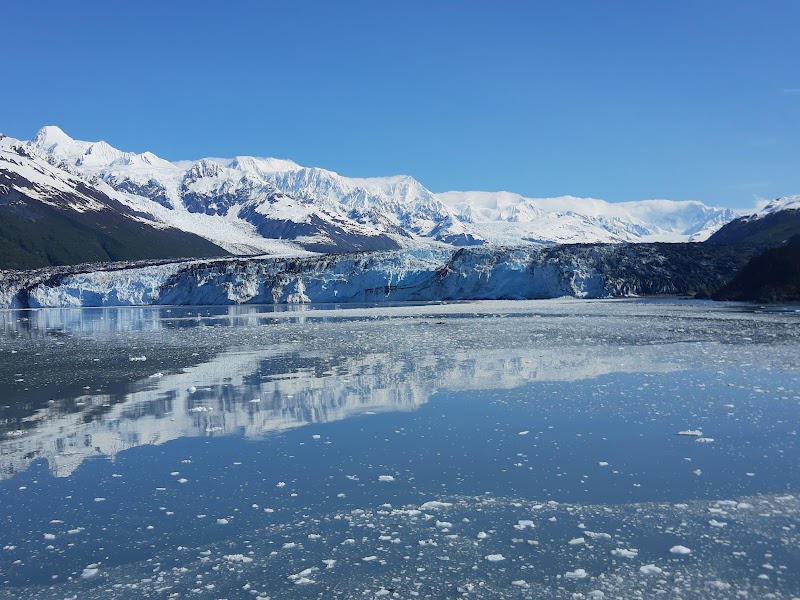
Harvard Glacier is a priority if your cruise day is about scale. This tidewater glacier can feel less like a single viewpoint and more like an entire frozen system moving toward the water. Calving icebergs are part of the drama, and ranger talks from deck can add useful context without turning the moment into a lecture. Bring binoculars even if you usually skip them; the surface detail matters here. This stop fits travelers who like their Alaska scenery big, elemental, and a little humbling, with enough visual action to keep a cold deck worth it.
Stunning blue ice wall towering ship's side. Quiet beauty calving chunks. Pristine wilderness.
Narrow fjord with cascading waterfalls and peaks. Deck wildlife spotting bears, whales. Scenic cruising gem.
Tidewater glacier calving icebergs dramatically; ranger talks from deck. Binoculars essential. Majestic flow.
Humpbacks bubble-net feeding in fjord depths. Narrated sightings. Marine ballet.
Current sailings visiting this port, sorted by the lowest tracked cabin price per night.
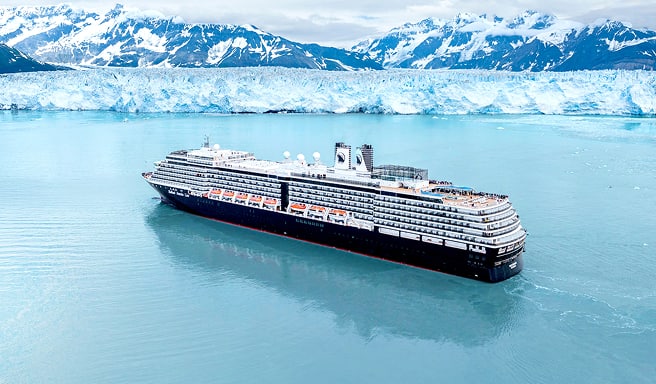
Built 2004
Vancouver · Ketchikan · Juneau · Skagway · Glacier Bay · College Fjord · Whittier
Built 2004
Vancouver · Ketchikan · Juneau · Skagway · Glacier Bay · College Fjord · Whittier · Icy Strait Point
Built 2004
Vancouver · Ketchikan · Juneau · Skagway · Glacier Bay · College Fjord · Whittier
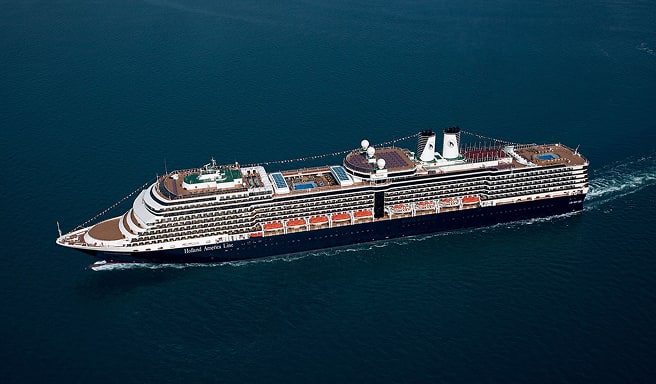
Built 2010
Vancouver · Ketchikan · Juneau · Skagway · College Fjord · Whittier
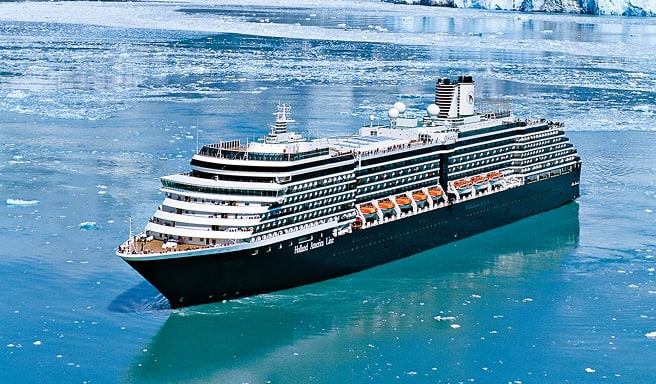
Built 2003
Vancouver · Ketchikan · Juneau · Skagway · Glacier Bay · College Fjord · Whittier
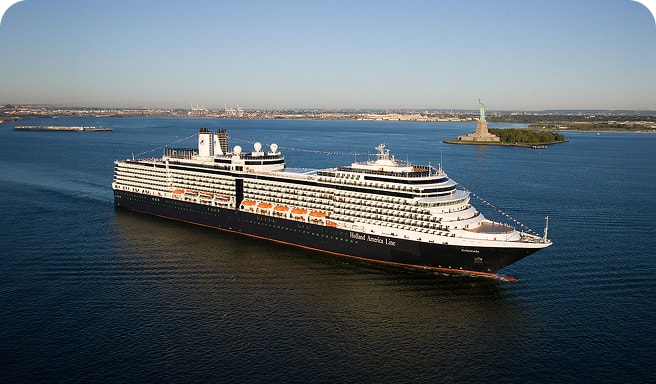
Built 2008
Vancouver · Ketchikan · Juneau · Skagway · Glacier Bay · College Fjord · Whittier
Built 2004
Vancouver · Ketchikan · Juneau · Skagway · Glacier Bay · College Fjord · Whittier
Built 2008
Vancouver · Ketchikan · Juneau · Skagway · Glacier Bay · College Fjord · Whittier
Built 2004
Vancouver · Ketchikan · Juneau · Skagway · Glacier Bay · College Fjord · Whittier
Built 2003
Vancouver · Ketchikan · Juneau · Skagway · Glacier Bay · College Fjord · Whittier
Built 2004
Vancouver · Ketchikan · Juneau · Skagway · Glacier Bay · College Fjord · Whittier
Built 2010
Vancouver · Ketchikan · Juneau · Skagway · Glacier Bay · College Fjord · Whittier
Binoculars. The glacier is impressive without them, but the details are the point.
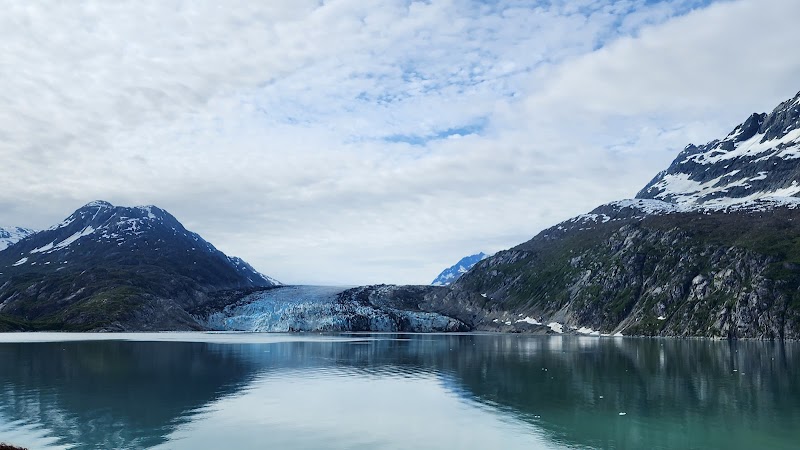
Johns Hopkins Inlet brings a narrower, more enclosed kind of drama: steep walls, falling water, and peaks that make the ship feel temporary in the best possible way. It is a strong pick for passengers who like fjord cruising as much as glacier viewing, because the approach can be as memorable as the endpoint. Keep scanning shorelines and slopes while everyone else is pointed only at the ice; bears and whales are part of the possible scene here. If the weather turns moody, this is one place where the clouds can actually sharpen the atmosphere.
Photographers who prefer layered landscapes over one obvious postcard angle.
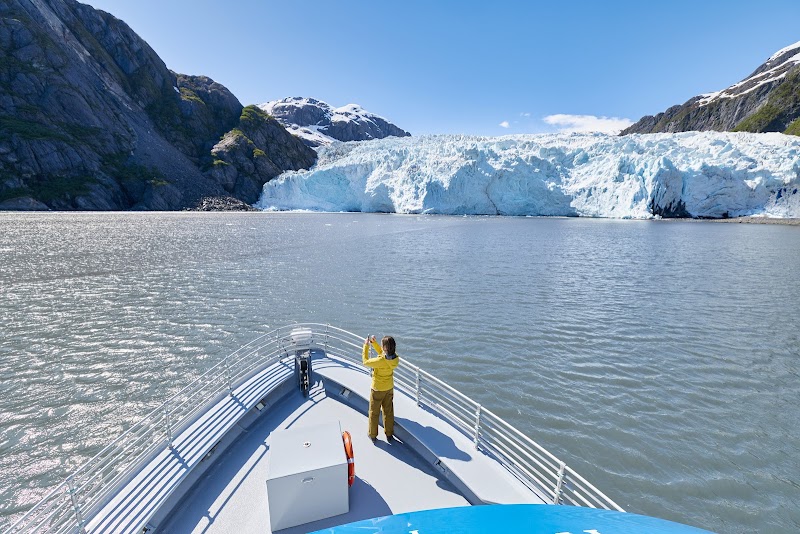
Whale watching in College Fjord can turn a glacier day into something wilder, especially if humpbacks are active in the deeper water. Bubble-net feeding is the headline behavior people hope for, but the smarter move is to watch patiently between glacier viewpoints rather than chase every rumor across the ship. Narration can help identify what is happening, but your own scanning matters too. This is ideal for travelers who are happy with suspense: long stretches of water, sudden blows, a tail, maybe a coordinated feeding moment if timing lines up.
Wildlife is never on command. Build the day around scenery, then celebrate sightings.
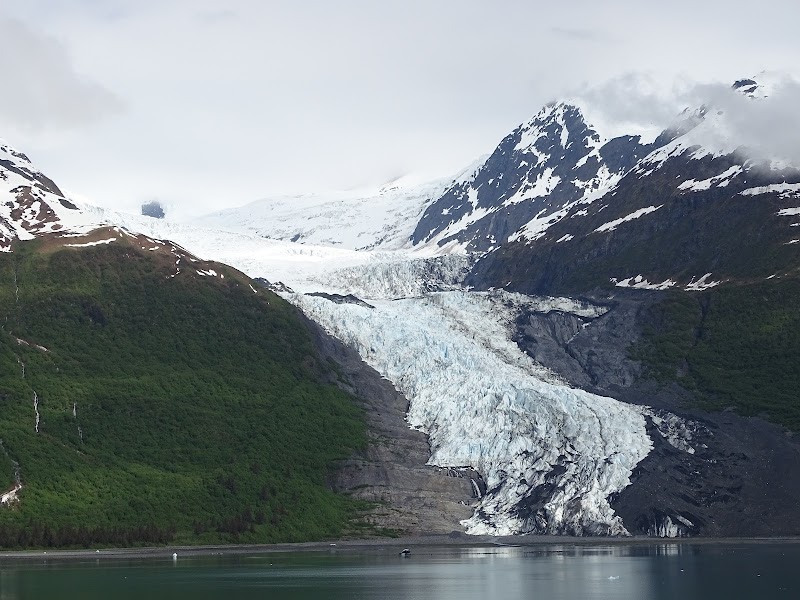
Healy Glacier is worth tracking if you like your glacier viewing with movement. The appeal is the possibility of frequent calving and a more active-feeling ice face, which makes it especially good for passengers who get restless with static scenery. If your sailing offers a tendered or small-craft option, this is the kind of place where a closer perspective could change the entire mood of the day. Otherwise, it still deserves rail time from the ship. Think of it as the ice theater stop: less about posing, more about watching the landscape behave.
Passengers who want the chance of sound, motion, and fresh ice in the water.
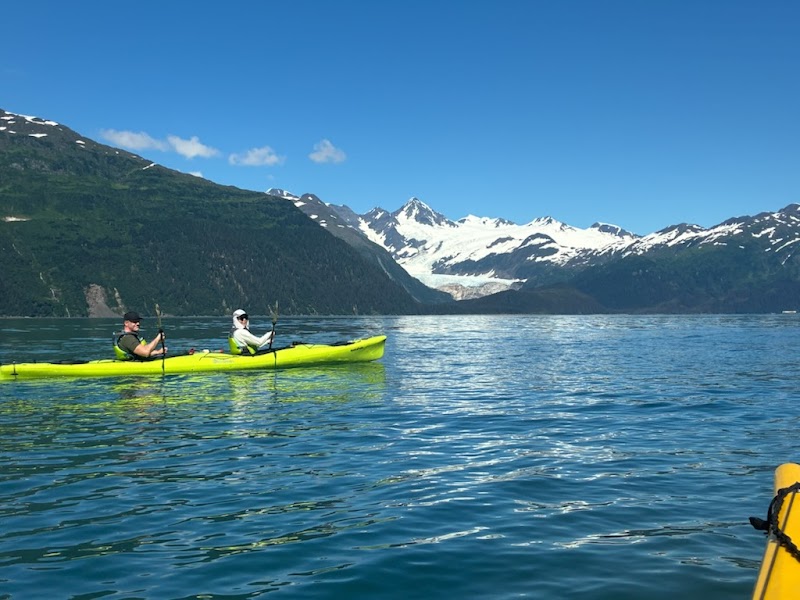
The big glaciers will dominate the day, but College Fjord rewards people who keep looking after the obvious shot is done. Sea otters rafting in icy water can be a highlight, especially with a telephoto lens, and mountain goats may appear as tiny white marks on steep cliff faces before they resolve into animals. These sightings are best for patient observers, not anyone expecting a scheduled wildlife show. If you are traveling with kids, photographers, or nature nerds, this is where the day gets playful without losing its wilderness edge.
A real zoom lens or binoculars. Phone cameras struggle with distant wildlife.
Accessible tidewater with frequent calving shows. Kayak close-ups if tendered. Active ice theatre.
Smaller glacier framing inlet's end; seracs sparkle. Bird cliffs nearby. Intimate view.
Floating groups in icy waters; pups wrapped in moms. Telephoto fun. Cute overload.
Sure-footed climbers on sheer cliffs. Spot via scopes. Alpine thrill.