JP
Cruises to Aomori
Aomori is a northern Japan port where festival color, prehistoric ruins, and calm bay views make a short call feel unusually textured.
Upcoming visits
19
Best fare
$192 per night
Aomori is a northern Japan port where festival color, prehistoric ruins, and calm bay views make a short call feel unusually textured.
Find Aomori on Google Maps before you plan the port day.
Aomori is not trying to out-shout Tokyo or Kyoto, which is exactly why it works as a cruise port. The city gives you a compact-feeling menu of northern Japan: giant illuminated festival floats, Jomon-era history, craft traditions, waterfront pauses, and apple country energy. A good day here is not about checking off every stop. It is about choosing one strong cultural anchor, then adding either bay air, gardens, or a tasting stop depending on your mood and the weather.
The most memorable Aomori plans have contrast. Pair the visual hit of Nebuta Museum WARASSE with the deeper time scale of Sannai-Maruyama Site, or keep the day softer with a harbor cruise and a craft museum. Travelers who want nature can aim for a park, aquarium, or short viewpoint hike, but this is still a port day, so be selective. Aomori rewards people who like regional specificity: drums, lacquer, embroidery, cold-water marine life, reconstructed ancient dwellings, and cider that makes the local fruit reputation tangible.
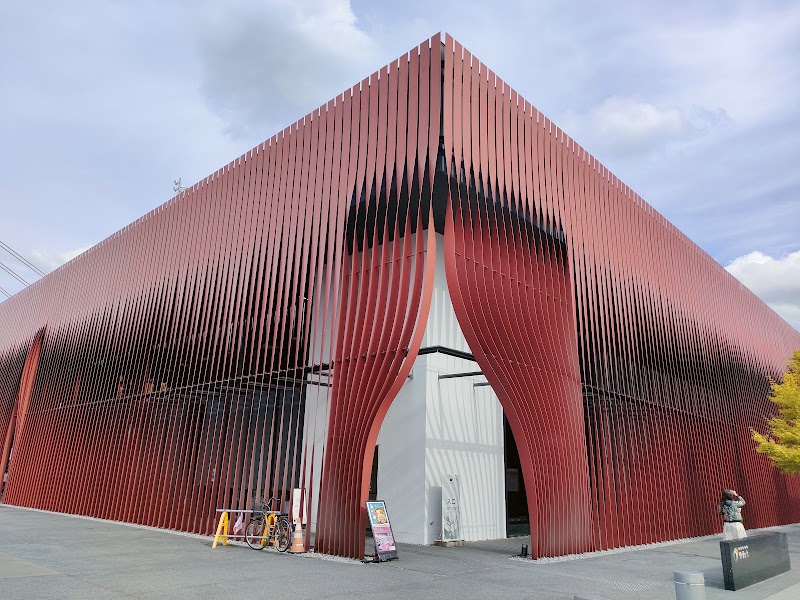
Nebuta Museum WARASSE is the cleanest first pick in Aomori if you want an instant sense of place. The museum centers on huge Nebuta festival floats, with light effects and drums that turn a standard museum stop into something more sensory. It works especially well for cruise passengers because it delivers the energy of Aomori's famous summer festival without needing your sailing to line up with festival season. Prioritize it if you like bold visuals, performance culture, and stops that photograph well without feeling like a staged souvenir set.
Choose WARASSE when you want maximum Aomori identity in one compact cultural hit.
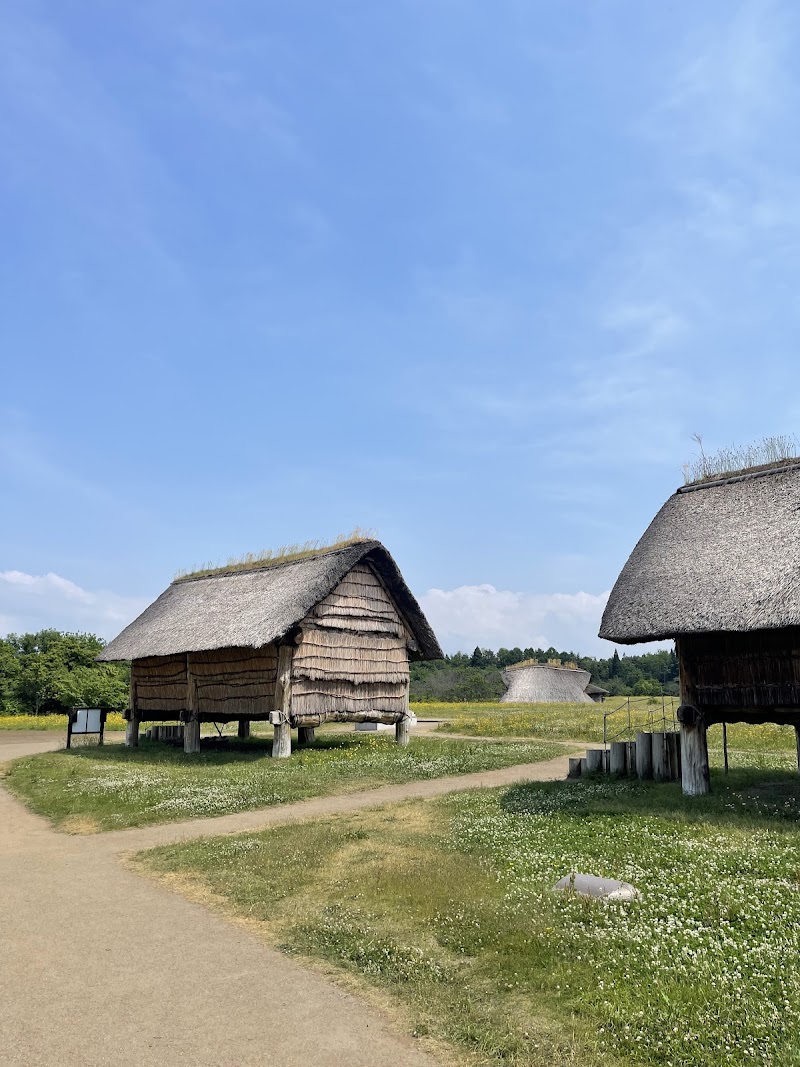
Sannai-Maruyama Site gives Aomori a completely different register: ancient, spacious, and quietly powerful. This UNESCO Jomon site includes reconstructed village areas, so it is easier to grasp than a ruins stop that leaves everything to imagination. For cruise passengers, it is the choice if you want the day to feel substantial rather than decorative. Pairing it with Nebuta Museum WARASSE creates a strong old-to-modern arc, but do not force too many other major stops around it. This is the place for history travelers and anyone who likes a destination with real time depth.
Interactive museum of massive Nebuta festival floats. Light shows and drums. Summer festival vibe year-round.
UNESCO Jomon ruins—largest archaeological site. Reconstructed villages. Ancient Japan portal.
Harbor boat for cityscape and fresh breeze. Possible dolphin sightings. Relaxed port view.
Tsugaru lacquer and embroidery displays. Craft demos. Regional pride.
Current sailings visiting this port, sorted by the lowest tracked cabin price per night.
Built 2000
Tokyo · Aomori · Hakodate · Muroran · Vancouver
Built 2008
Tokyo · Mount Fuji · Osaka · Kochi · Busan · Hakodate · Aomori
Built 2000
Tokyo · Mount Fuji · Osaka · Kochi · Busan · Hakodate · Aomori
Built 2006
Seattle · Ketchikan · Kushiro · Aomori · Tokyo
Built 2004
Tokyo · Miyako · Hakodate · Aomori · Akita · Niigata · Kanazawa · Sakaiminato · Busan · Nagasaki · Mount Fuji · Muroran · Kagoshima
Built 2004
Tokyo · Toba · Wakayama · Kochi · Kagoshima · Yatsushiro · Busan · Kanmon Strait · Hiroshima · Miyako · Hakodate · Aomori · Akita · Niigata · Kanazawa · Sakaiminato · Nagasaki · Mount Fuji
Built 2004
Tokyo · Toba · Nagasaki · Busan · Sakaiminato · Maizuru · Toyama · Sakata · Hakodate · Miyako · Hitachinaka · Aomori · Muroran
Built 2004
Tokyo · Miyako · Hakodate · Aomori · Akita · Niigata · Kanazawa · Sakaiminato · Busan · Nagasaki · Mount Fuji
Built 2006
Seoul · Sakaiminato · Niigata · Akita · Aomori · Hakodate · Nagoya · Osaka · Mount Fuji · Tokyo
Built 2004
Tokyo · Aomori · Sakata · Kanazawa · Sakaiminato · Busan · Nagasaki · Kagoshima · Beppu · Kochi · Osaka · Mount Fuji
Built 2006
Seattle · Ketchikan · Kushiro · Aomori · Tokyo · Mount Fuji · Osaka · Hiroshima · Busan · Sakaiminato · Maizuru · Kanazawa · Hakodate · Miyako · Hitachinaka
Built 2006
Tokyo · Ishinomaki · Hakodate · Aomori · Akita · Niigata · Kanazawa · Busan · Shimonoseki · Hiroshima · Kochi · Osaka · Nagoya · Mount Fuji
Make this your anchor if ancient Japan sounds more compelling than another general city loop.
An Aomori Bay Cruise is not the most ambitious plan, and that is the point. It gives you city views from the harbor, fresh air, and the possibility of seeing dolphins without turning the day into a logistics puzzle. This is a smart add-on when your itinerary has been museum-heavy or when you want a lower-effort port experience that still feels specific to Aomori. It fits travelers who like being outside but do not necessarily want a hike. Think of it as a reset button between culture stops, not a replacement for them.
Use the bay cruise to break up museums and get a calmer view of the city.
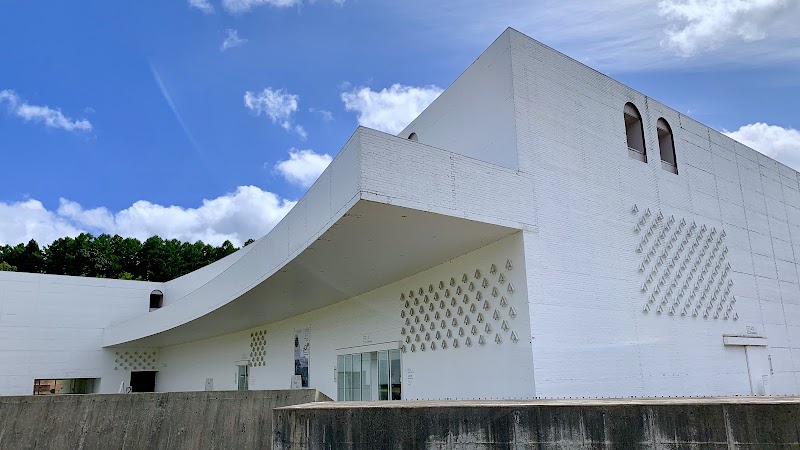
The Aomori Prefectural Folk Art Museum is for travelers who notice texture: lacquer, embroidery, process, and the pride behind regional craft. It is a quieter stop than WARASSE, but that can be its strength, especially if you prefer details over spectacle. Craft demos add a useful layer because they keep the visit from feeling like glass-case browsing. For a cruise day, this is best as a second cultural stop after a bigger anchor, or as the main stop for design-minded passengers who would rather understand how local objects are made than chase a broad sightseeing checklist.
Come here for material culture, not blockbuster energy.
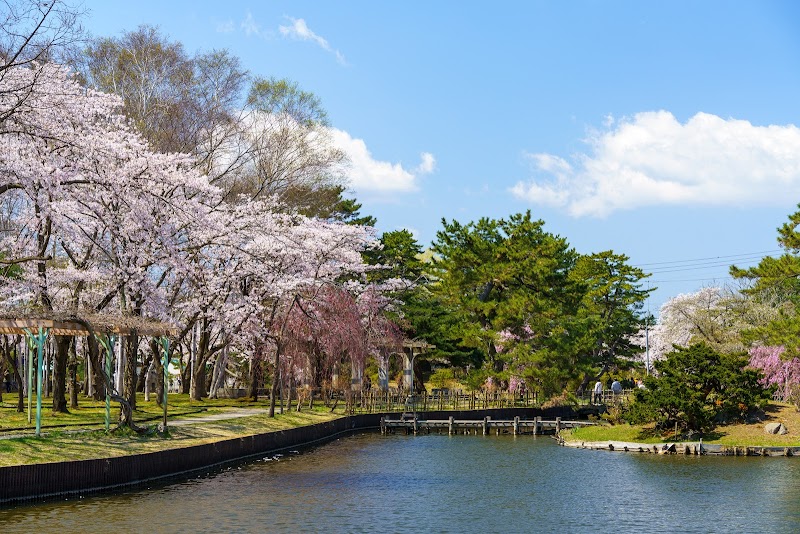
Gappo Park is the port-day antidote to over-planning. With a beach, seasonal flowers, and a winter rose garden, it gives you a softer version of Aomori that is more about atmosphere than must-see status. This is not the stop to choose if you want the biggest cultural payoff of the day; that belongs to Nebuta or the Jomon site. But it is useful if you need an outdoor pause, are traveling with someone who hates packed museum days, or want a peaceful waterfront scene before returning to the ship.
Pick Gappo Park when fresh air matters more than another structured attraction.
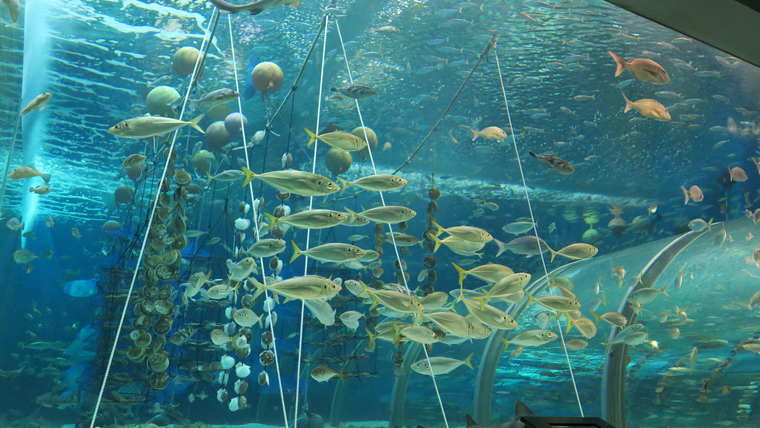
Asamushi Aquarium is the family-friendly curveball in Aomori, with cold-water dolphins, local marine life, shows, and touch pools. It makes the most sense for travelers who want an easy, contained experience rather than a dense cultural itinerary. Because it is more specialized, it should be a deliberate choice, not something you squeeze in after every museum. If you are cruising with kids, marine-life fans, or anyone who needs a break from archaeology and craft displays, this can turn the day into something more relaxed without making it generic.
Choose the aquarium when hands-on marine life beats another history stop.
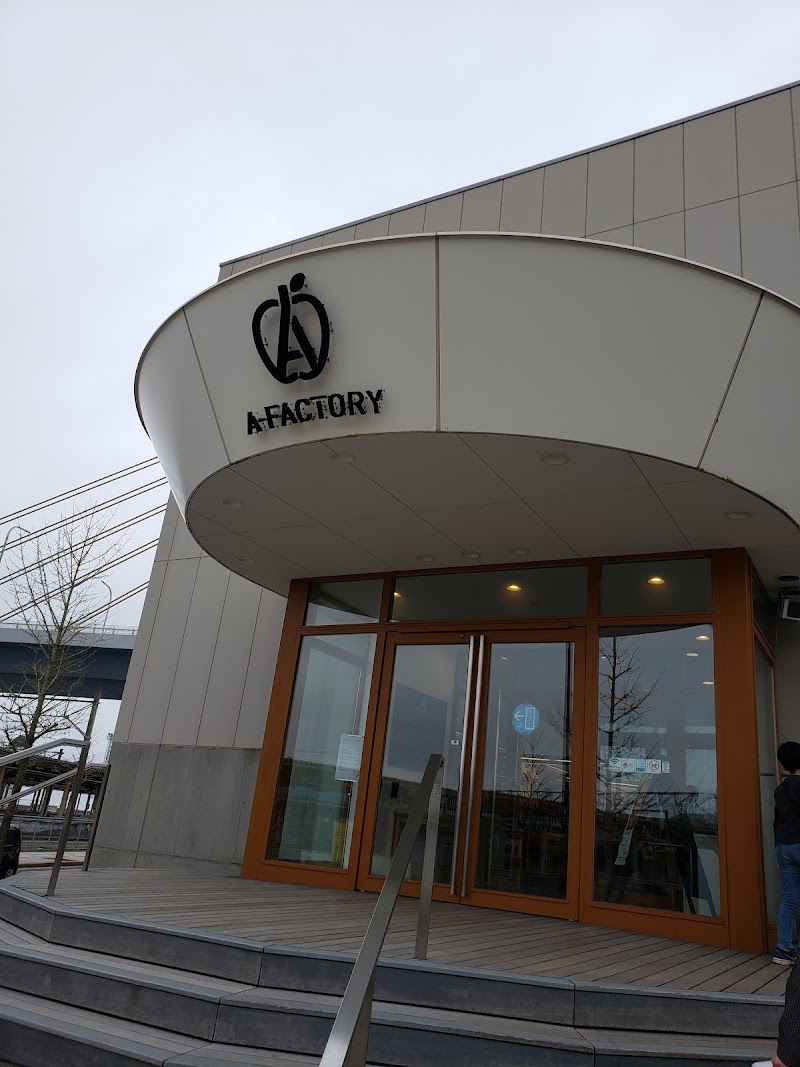
Manggaran Cider Factory taps into one of Aomori's most recognizable food identities: apples. The draw is straightforward - cider tastings and a factory-tour lens on local fruit culture. For cruise passengers, it is best treated as a flavorful add-on rather than the entire day, unless food and drink are your main reason for getting off the ship. It pairs naturally with a softer itinerary, especially after a museum or waterfront stop. Go if you like edible souvenirs and small regional industries; skip it if your priority is ancient history or big visual drama.
A cider visit gives Aomori's apple reputation something you can actually sip.
Winter rose garden and beach. Seasonal flowers. Peaceful waterfront.
Park replica castle with samurai exhibits. Gardens bloom. Historical stroll.
Cold water dolphins and local marine life. Shows and touch pools. Coastal gems.
Apple cider tastings—Aomori's fruit fame. Factory tour. Local buzz.