JP
Cruises to Akita
Akita rewards cruise passengers who trade big-city checklisting for samurai streets, deep-blue lake views, castle parks, and singular local folklore.
Upcoming visits
10
Best fare
$191 per night
Akita rewards cruise passengers who trade big-city checklisting for samurai streets, deep-blue lake views, castle parks, and singular local folklore.
Find Akita on Google Maps before you plan the port day.
Akita is a Japan port that works best when you stop expecting a greatest-hits city sprint. The payoff here is more specific: preserved samurai lanes, gardens behind old residences, a famously deep lake, low-key parks, and folklore that feels rooted rather than packaged. For cruise passengers, the decision is not whether there is enough to do. It is whether you want a day that leans cultural and atmospheric instead of hyper-urban. If your itinerary already includes major Japanese cities, Akita can be the quieter counterpoint that makes the route feel less repetitive.
The smartest Akita plan starts with choosing your radius. If you are willing to spend part of the day in transit, Kakunodate Samurai District or Lake Tazawa can give the stop its strongest visual identity. If you want to keep the day simple, stay closer to the city with Senshu Park, the Akita Museum of Art, and castle ruins or green spaces that do not require an overbuilt excursion. Namahage Museum in Oga is the wildcard: more niche, more memorable, and best for travelers who would rather learn one strange local tradition well than skim three ordinary sights.
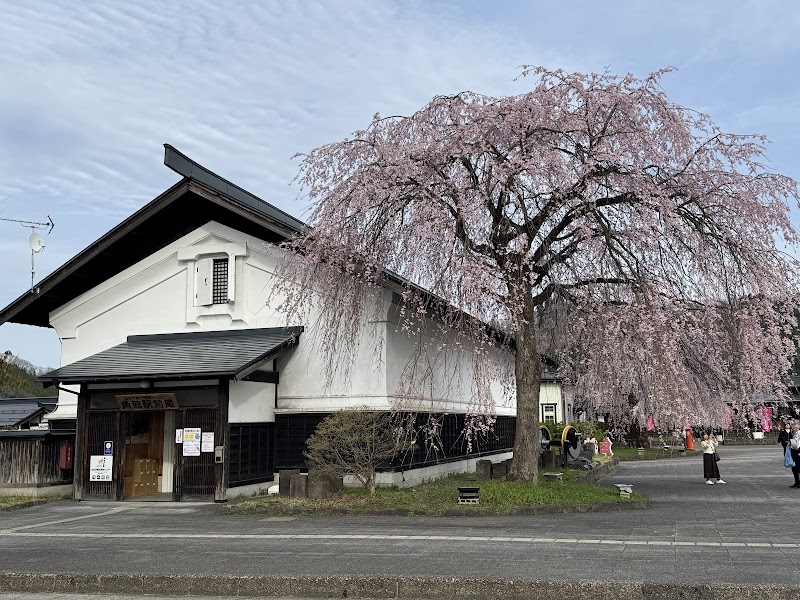
Kakunodate Samurai District is the Akita excursion to prioritize if you want the day to feel distinctly Japanese without turning it into a museum marathon. The preserved Edo-period town is reached by a short bus ride from the port, and its black pine-lined streets give you a clean visual thread for the day. The draw is not spectacle so much as texture: historic samurai residences, gardens open to visitors, and streets that reward slow looking. It fits history fans, photographers, and anyone who wants a half-day cultural outing with a clear sense of place.
Travelers who want one strong cultural excursion instead of several small city stops.
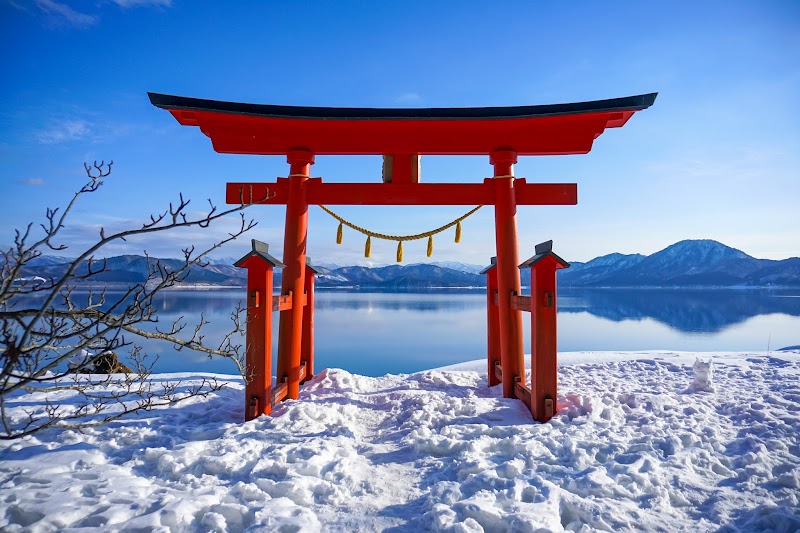
Lake Tazawa is the move when you want Akita to open up beyond streets and parks. Known as Japan's deepest lake, it gives the port day a striking natural centerpiece: blue water, wide views, and the option of a scenic boat ride if timing allows. It is especially strong for travelers who care about photos and atmosphere more than ticking off indoor sights. The lake also carries the legend of Princess Tate, which adds a local story without requiring a heavy history lesson. Pairing it with a nearby temple or quiet shrine keeps the route focused rather than scattered.
A short bus ride from Akita port, this preserved Edo-period samurai town features historic residences with beautiful gardens open to the public. Stroll the black pine-lined streets and imagine life as a samurai. Ideal for a half-day cultural excursion.
Japan's deepest lake offers stunning blue waters and scenic boat rides, perfect for photos during a quick port stop. Legend says Princess Tate loves its beauty eternally. Pair it with a nearby temple visit.
Cherry blossom hotspot in spring with castle ruins and statues. Relaxing walk with seasonal illuminations. Close to port.
This modern museum houses works by Tsuguharu Foujita and immersive art installations. Great for art lovers seeking contemporary Japanese culture. Air-conditioned comfort on hot days.
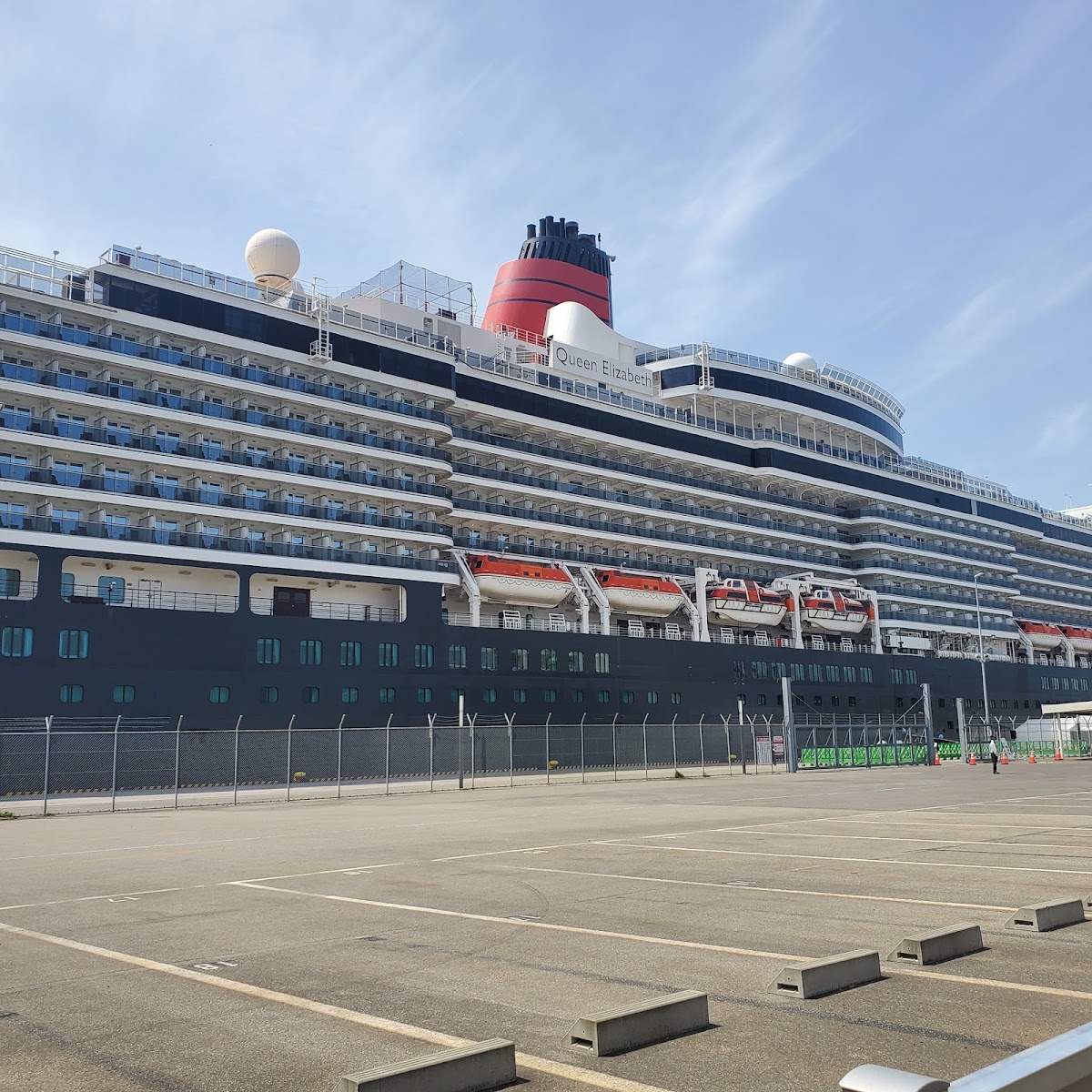
Current sailings visiting this port, sorted by the lowest tracked cabin price per night.
Built 2018
Vancouver · Muroran · Akita · Hakodate · Tokyo
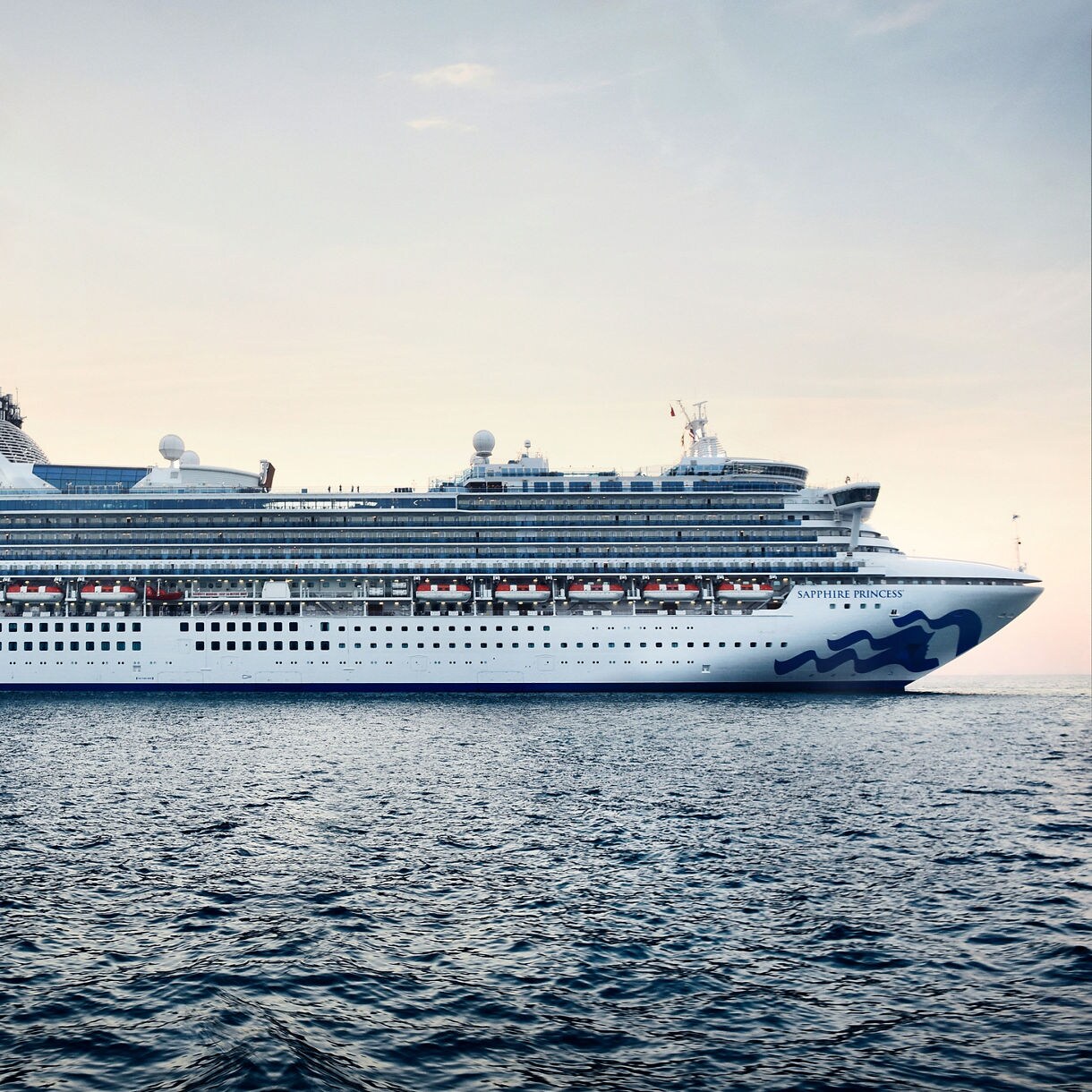
Built 2004
Tokyo · Miyako · Hakodate · Aomori · Akita · Niigata · Kanazawa · Sakaiminato · Busan · Nagasaki · Mount Fuji · Muroran · Kagoshima
Built 2004
Tokyo · Toba · Wakayama · Kochi · Kagoshima · Yatsushiro · Busan · Kanmon Strait · Hiroshima · Miyako · Hakodate · Aomori · Akita · Niigata · Kanazawa · Sakaiminato · Nagasaki · Mount Fuji
Built 2004
Tokyo · Miyako · Hakodate · Aomori · Akita · Niigata · Kanazawa · Sakaiminato · Busan · Nagasaki · Mount Fuji
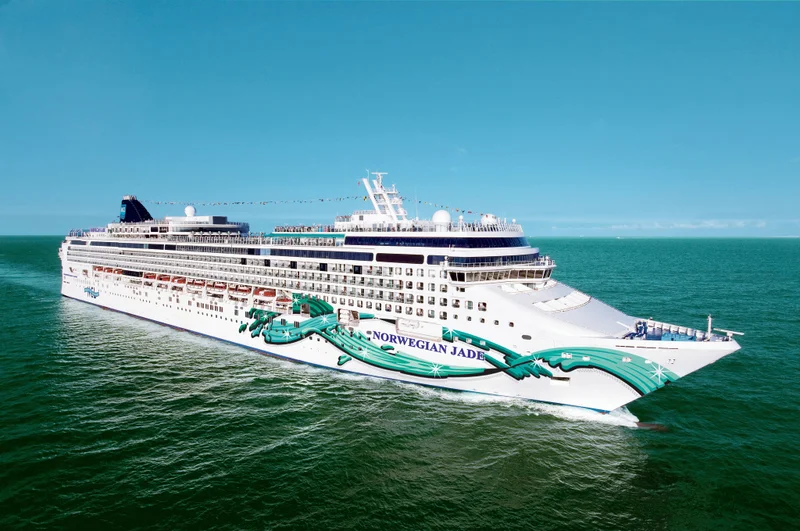
Built 2006
Seoul · Sakaiminato · Niigata · Akita · Aomori · Hakodate · Nagoya · Osaka · Mount Fuji · Tokyo
Built 2006
Tokyo · Mount Fuji · Nagoya · Kobe · Ishinomaki · Hakodate · Akita · Kanazawa · Maizuru · Seoul
Built 2006
Tokyo · Ishinomaki · Hakodate · Aomori · Akita · Niigata · Kanazawa · Busan · Shimonoseki · Hiroshima · Kochi · Osaka · Nagoya · Mount Fuji
Built 2006
Tokyo · Nagoya · Mount Fuji · Osaka · Kochi · Hiroshima · Kagoshima · Nagasaki · Busan · Sakaiminato · Kanazawa · Akita · Hakodate · Ishinomaki
Built 2006
Tokyo · Mount Fuji · Nagoya · Kobe · Beppu · Hiroshima · Kagoshima · Nagasaki · Busan · Kanazawa · Akita · Hakodate · Ishinomaki
Built 2006
Tokyo · Ishinomaki · Hakodate · Aomori · Akita · Sakata · Kanazawa · Busan · Shimonoseki · Hiroshima · Kochi · Osaka · Nagoya · Mount Fuji
You want scenery first and are comfortable spending part of the call away from the city.
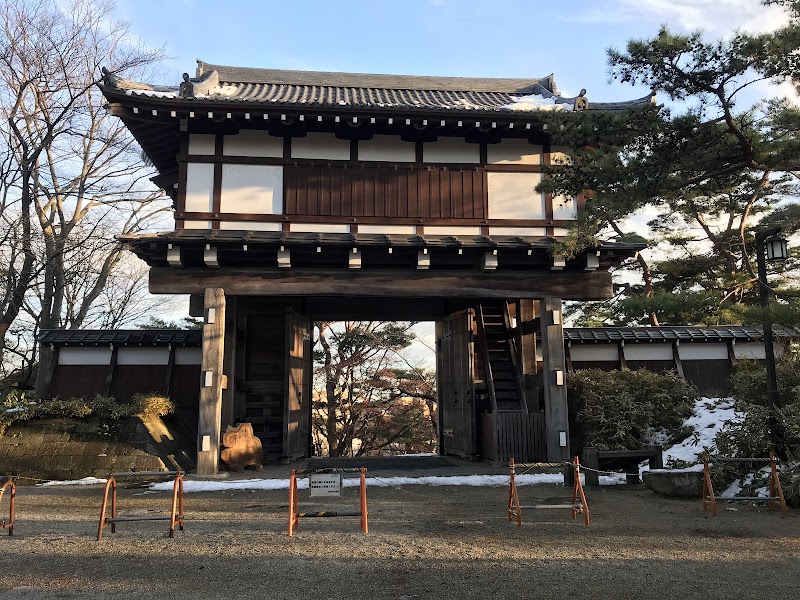
Senshu Park is the right choice when you want a low-friction Akita day that still has a sense of history. Close to the port, it combines castle ruins, statues, and a relaxed walking route that works well between bigger plans or as the backbone of a shorter stop. In spring, cherry blossoms make it especially photogenic, while seasonal illuminations can change the mood if your timing lines up. This is not the place to force a grand narrative. Treat it as a breathable city pause: good for families, casual walkers, and travelers who want beauty without a complicated transfer.
A close-to-port option when weather, energy, or timing makes a longer excursion less appealing.
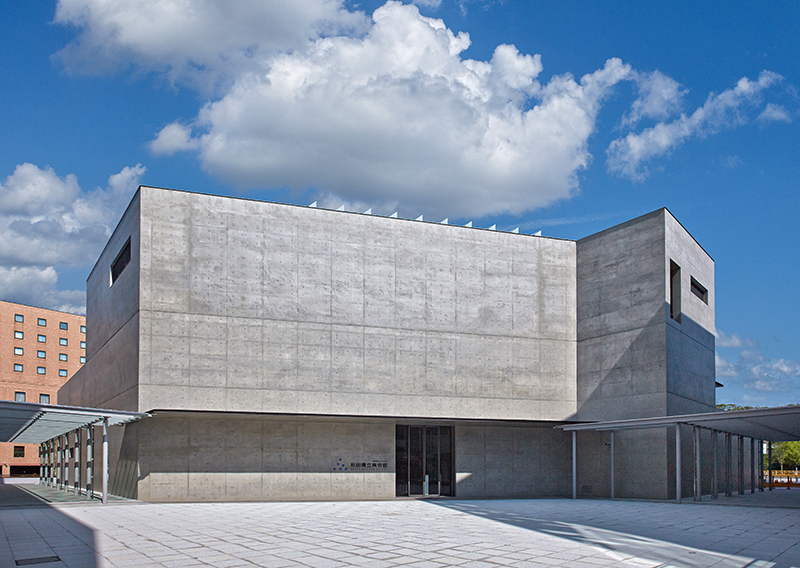
The Akita Museum of Art is a smart pivot for travelers who prefer contemporary culture to another outdoor viewpoint. Its collection includes works by Tsuguharu Foujita, along with immersive installations that give the stop a more modern edge. It is also a practical choice on hot days, when air-conditioned time can save the afternoon. For cruise passengers, the museum works best as part of a compact city plan with nearby parks or ruins, not as a rushed add-on after a long rural excursion. Go if art is genuinely your lane; skip it if you are chasing Akita's landscapes.
A comfortable indoor stop with enough cultural weight to justify the detour.
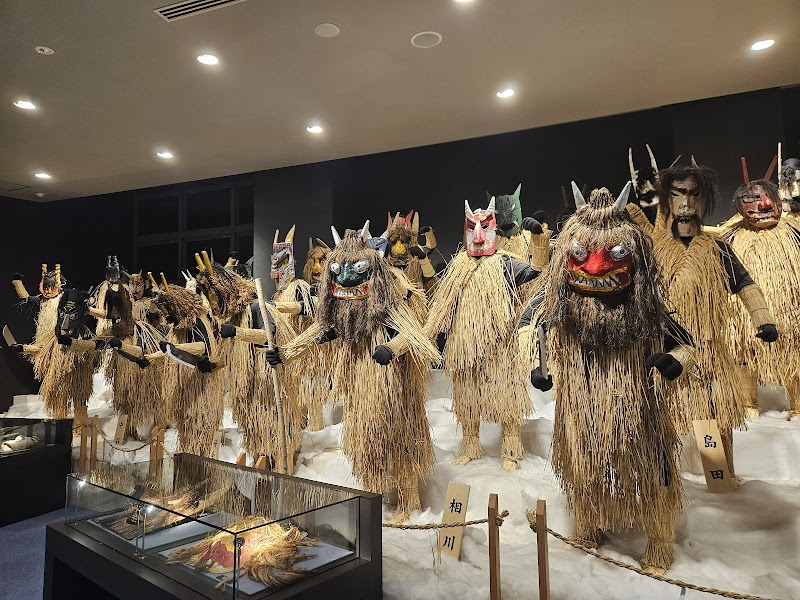
Namahage Museum in Oga is the stop for travelers who want Akita at its most specific. The focus is Namahage folklore, with dramatic demon-like masks and seasonal performances tied to local tradition. It is not the broadest or easiest choice, since a short drive excursion is recommended, but that is also the point: this feels less interchangeable than a generic city loop. Put it high on the list if you like ritual, costume, and regional stories. If you are traveling with kids who enjoy bold visuals, the masks may be more memorable than another scenic overlook.
Choose this when you want a cultural deep cut rather than the safest sightseeing route.
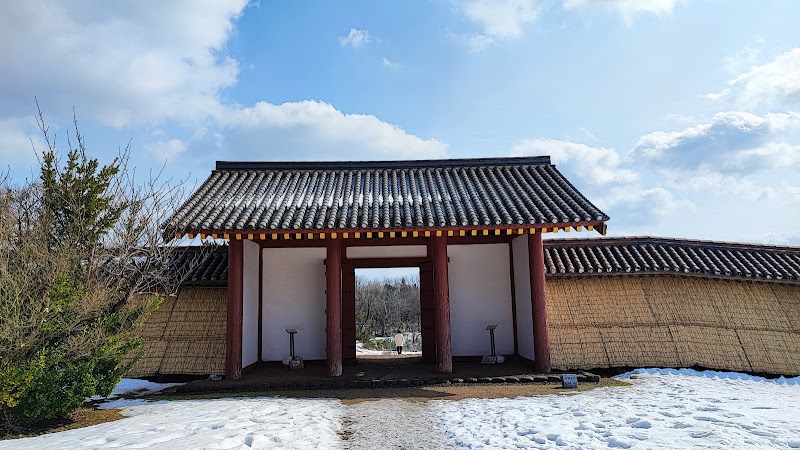
Akita Castle Ruins make sense as part of a close-in, flexible day. Set in the city, the surrounding park gives you cherry blossoms in season and a keep you can climb for wider views over Akita. It is an easy walking-distance option from the port, which matters if you do not want to spend the call managing transfers. Nearby-style green spaces such as Kubota Castle Park add moats, gardens, and traditional architecture remains to the same general mood. This is best for travelers who like history lightly layered into a walk, not anyone expecting a fully intact castle complex.
Cruisers who want history, views, and a simple route without committing to a half-day excursion.
In the heart of Akita city, explore the park surrounding the castle ruins with cherry blossoms in spring. Climb the keep for panoramic city views. Easy walking distance from the port.
Discover the fiery demon folklore of Namahage through masks and performances (seasonal). A unique cultural dive into Akita traditions. Short drive excursion recommended.
Hidden roadside shrines around Lake Tazawa offer peaceful meditation spots with fewer crowds. Locals pray here for good fortune. Combine with lake views.
Historic park with moats and gardens, home to festivals. Spot traditional architecture remains. Family-friendly green space.