CA
Cruises to St. Anthony
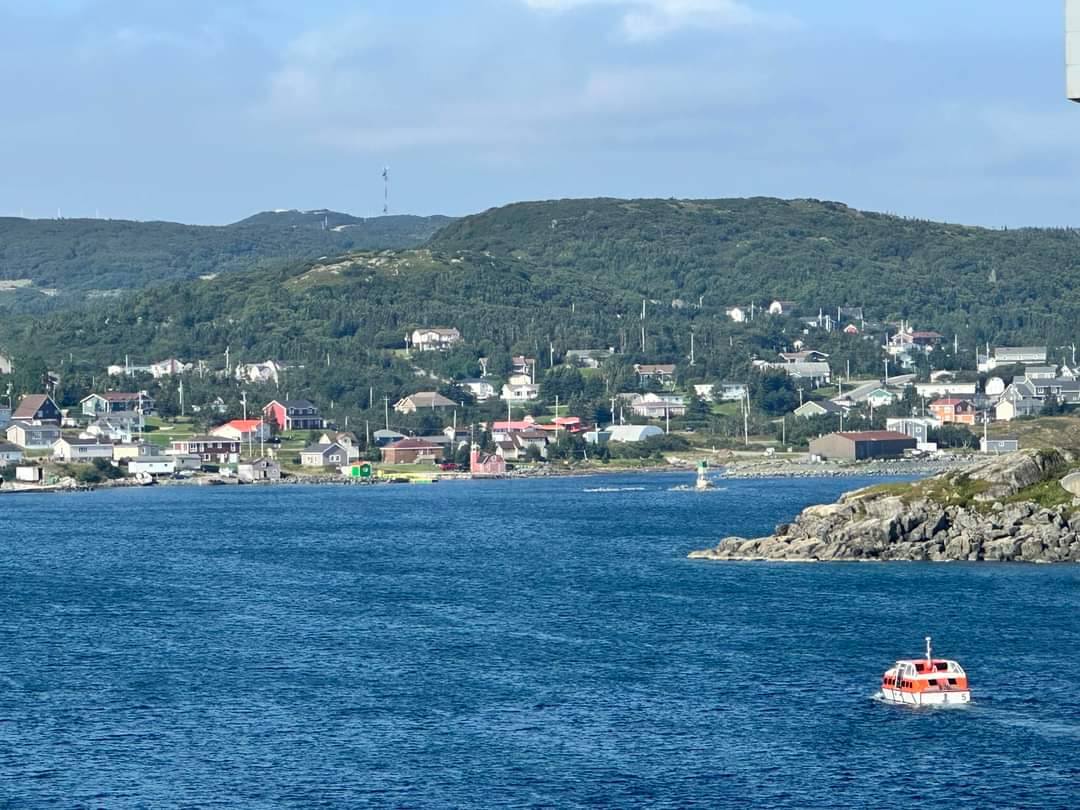
St. Anthony is a raw-edged Newfoundland port where the best cruise day is built around ice, whales, Norse history, or all three if timing is kind.
Upcoming visits
9
Best fare
$539 per night
St. Anthony is a raw-edged Newfoundland port where the best cruise day is built around ice, whales, Norse history, or all three if timing is kind.
Find St. Anthony on Google Maps before you plan the port day.
St. Anthony is not a port built for passive sightseeing from a coach window. The appeal is sharper than that: Arctic-calved icebergs offshore, humpbacks in cold Atlantic water, weathered harbor culture, and history that reaches from missionary work to Norse exploration. For cruise passengers, the trick is choosing the version of the day that matches the conditions. If the icebergs are showing, they deserve top billing. If the water is active, a whale-focused outing can become the memory that outlives the itinerary.
This is also a place where restraint helps. St. Anthony has enough nearby experiences to tempt you into a packed schedule, but the distances, weather, and excursion logistics are part of the story. Pick one major anchor, then add a museum, harbor walk, lighthouse view, or ecological stop if the timing works. Travelers who like polished resort ports may find it quiet; travelers who want northern landscapes with real texture will understand why this call matters.
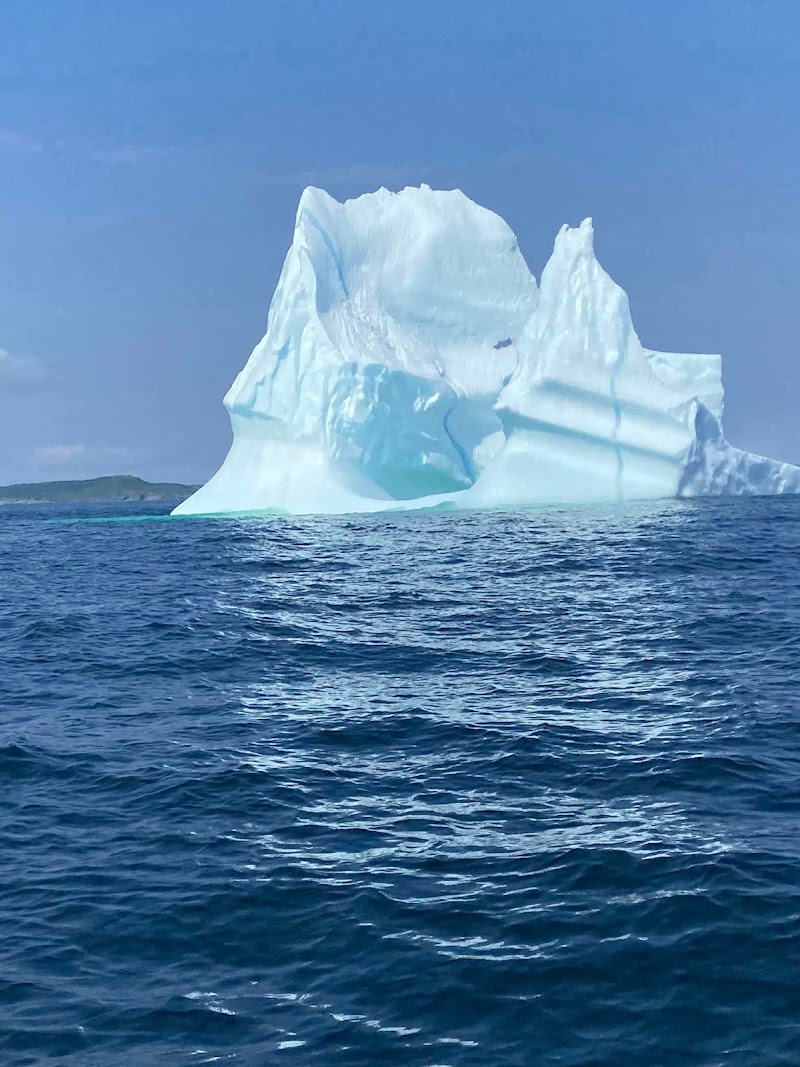
Iceberg Alley Viewing is the reason many travelers pay attention to St. Anthony in the first place. The draw is simple and not remotely subtle: massive icebergs calved from the Arctic moving through northern waters, often best appreciated from a boat tour when the season cooperates. For a cruise stop, this is the highest-drama choice and the one most dependent on timing and weather. If ice is visible during your call, prioritize it over a generic town loop. It fits photographers, cold-water romantics, and anyone who wants their port day to feel specific to Newfoundland.
Travelers who want the most visually memorable version of St. Anthony.
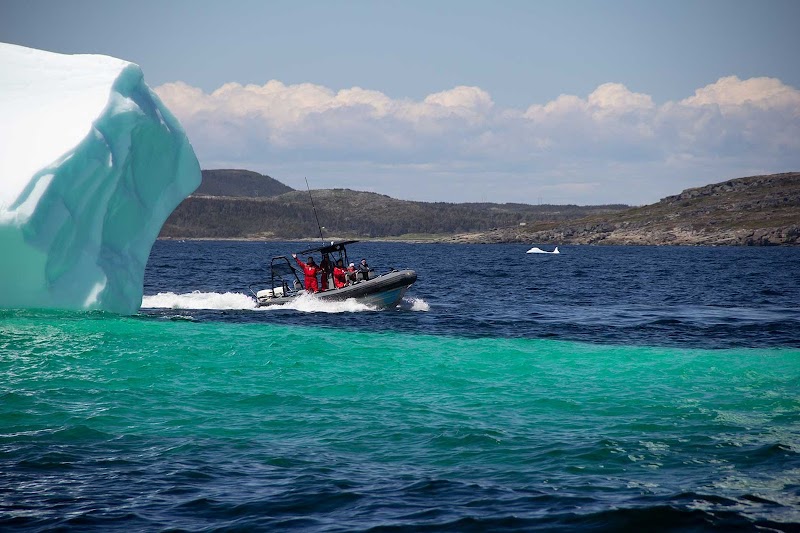
Whale Watching Fjords brings a different kind of energy: humpbacks in St. Vincent Gulf, zodiac safaris, and the possibility of seeing the coast from water level instead of behind glass. It is the more active nature option, better for travelers who would rather bundle up and scan the horizon than spend the day indoors. Because marine wildlife is never on demand, think of this as a high-upside choice rather than a guaranteed checklist item. If your itinerary already includes softer scenic ports, this is where St. Anthony can feel wilder.
Missionary heritage mission house museum. Local history.
Humpbacks breaching in St. Vincent Gulf, zodiac safaris. Marine thrill.
Towering icebergs from Arctic calving, boat tours. Seasonal spectacle.
Viking site nearby, day trip possible. Norse discovery.
Current sailings visiting this port, sorted by the lowest tracked cabin price per night.
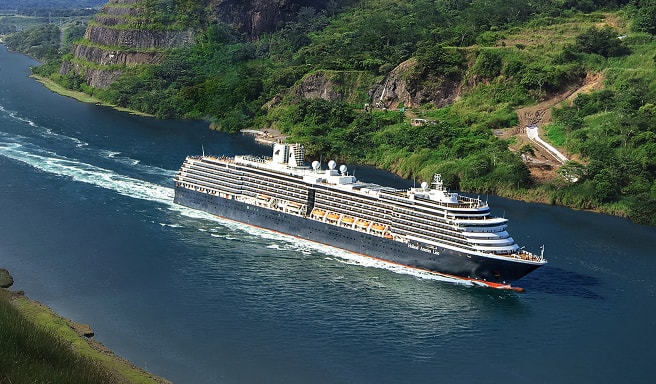
Built 2002
Amsterdam · Aarhus · Berlin · Rønne · Copenhagen · Lerwick · Seydisfjordur · Akureyri · Húsavík · Isafjordur · Grundarfjordur · Reykjavik · Nanortalik · Qaqortoq · St. Anthony · St. John's · Halifax · Portland · Boston
Built 2002
Amsterdam · Oslo · Kristiansand · Haugesund · Skjolden · Lerwick · Seydisfjordur · Akureyri · Isafjordur · Grundarfjordur · Reykjavik · Nanortalik · Qaqortoq · St. Anthony · St. John's · Halifax · Portland · Boston
Built 2002
Amsterdam · Lerwick · Seydisfjordur · Akureyri · Isafjordur · Grundarfjordur · Reykjavik · Nanortalik · Qaqortoq · St. Anthony · St. John's · Halifax · Portland · Boston
Built 2002
Amsterdam · Lerwick · Seydisfjordur · Akureyri · Húsavík · Isafjordur · Grundarfjordur · Reykjavik · Nanortalik · Qaqortoq · St. Anthony · St. John's · Halifax · Portland · Boston
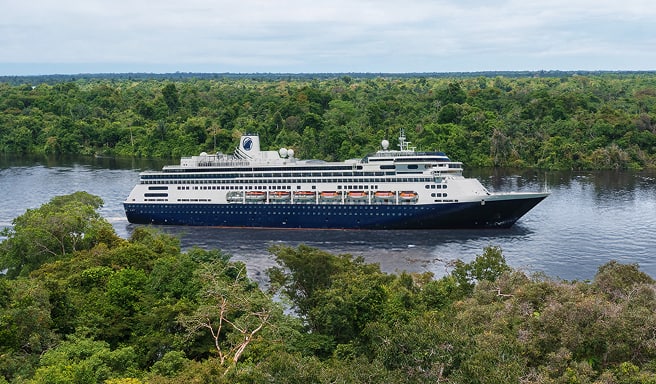
Built 1999
Montreal · Québec City · Saguenay · Baie-Comeau · Havre-Saint-Pierre · Corner Brook · St. Anthony · St. John's · Halifax · Boston
Built 1999
Boston · Eastport · Halifax · St. John's · St. Anthony · Corner Brook · Havre-Saint-Pierre · Baie-Comeau · Saguenay · Québec City · Montreal
Built 1999
Boston · Portland · Halifax · St. John's · St. Anthony · Corner Brook · Saguenay · Québec City · Montreal
Built 1999
Montreal · Québec City · Baie-Comeau · Havre-Saint-Pierre · Corner Brook · St. Anthony · St. John's · Halifax · Portland · Boston
Built 1999
Rotterdam · Dún Laoghaire · Belfast · Stornoway · Reykjavik · Heimaey · Grundarfjordur · Qaqortoq · St. Anthony · St. John's · Halifax · Boston
Sea conditions, weather, and your own tolerance for a cold, bouncy ride.
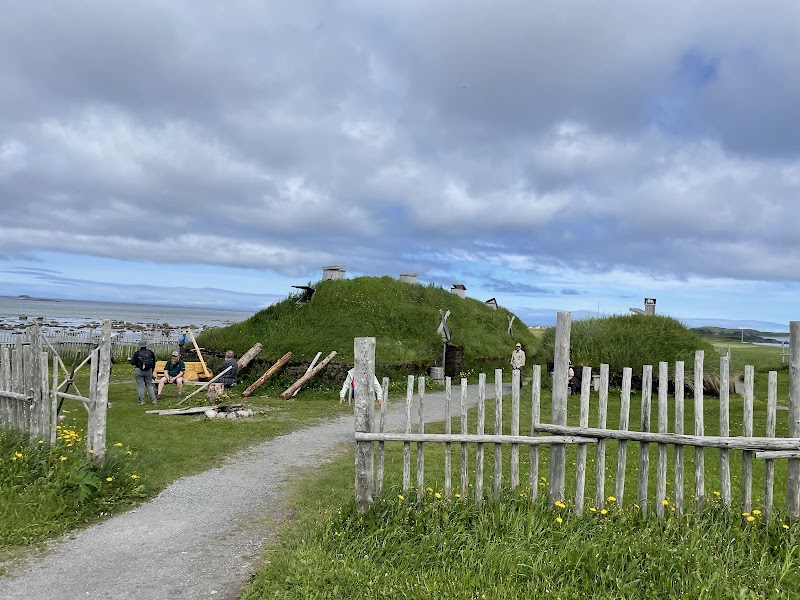
L'Anse aux Meadows is the port's strongest day-trip option for travelers who want the stop to be about discovery rather than scenery alone. The nearby Viking site adds a Norse chapter to a Newfoundland call, which makes it especially satisfying on Atlantic itineraries heavy on coastal views. It is worth prioritizing if you like archaeology, early exploration stories, or places that feel far removed from the usual cruise-port rhythm. Because it is a day-trip style choice, do not treat it as an add-on after a full morning elsewhere. Let it be the anchor.
History-first travelers who would rather go deep on one site than skim several stops.
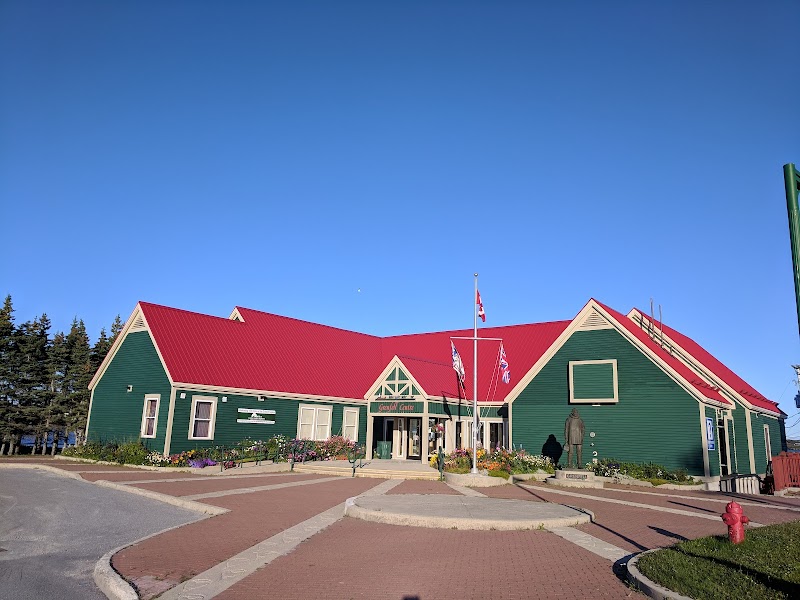
Grenfell Historic Properties gives St. Anthony context beyond the shoreline. Centered on missionary heritage and a mission house museum, it is the stop to choose when you want local history without committing the whole day to an excursion. For cruise passengers, it works well as a smart second act after a shorter outdoor tour or as a calmer main plan if the weather shuts down the water. It fits travelers who like small museums, regional stories, and a sense of how remote communities built their identity. It is not flashy, which is exactly the point.
Add it after a short scenic stop when you want the port to feel more grounded.
Fishing Stage Interpretive is the antidote to a port day that feels too abstract. Traditional cod drying demonstrations and a harbor walk make the local economy and food culture visible in a way that a viewpoint cannot. This is a strong choice for travelers who like practical, place-specific experiences rather than another overlook. It is also a useful lower-impact option if you do not want a zodiac ride or longer history excursion. Prioritize it when you want texture: boats, stages, salt air, and a clearer sense of how Newfoundland's coastal communities have worked.
Culture seekers who prefer lived-in harbor details over polished attractions.
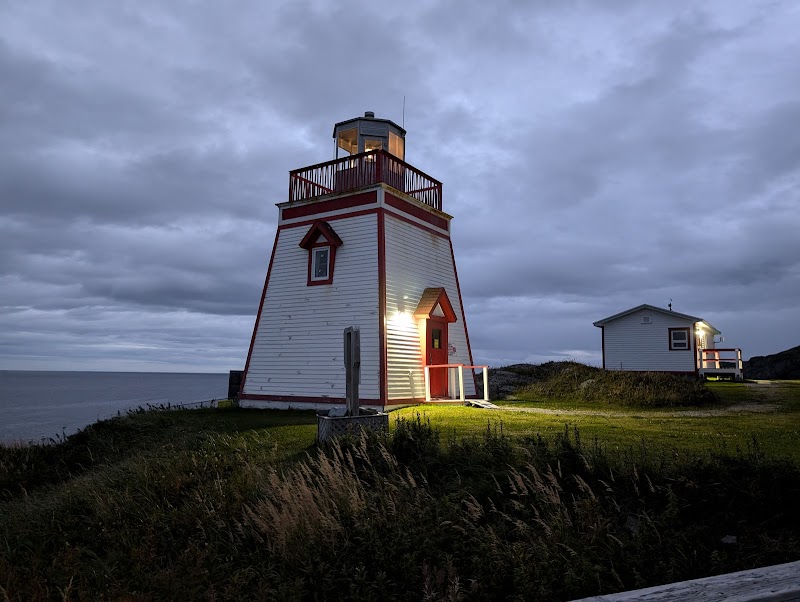
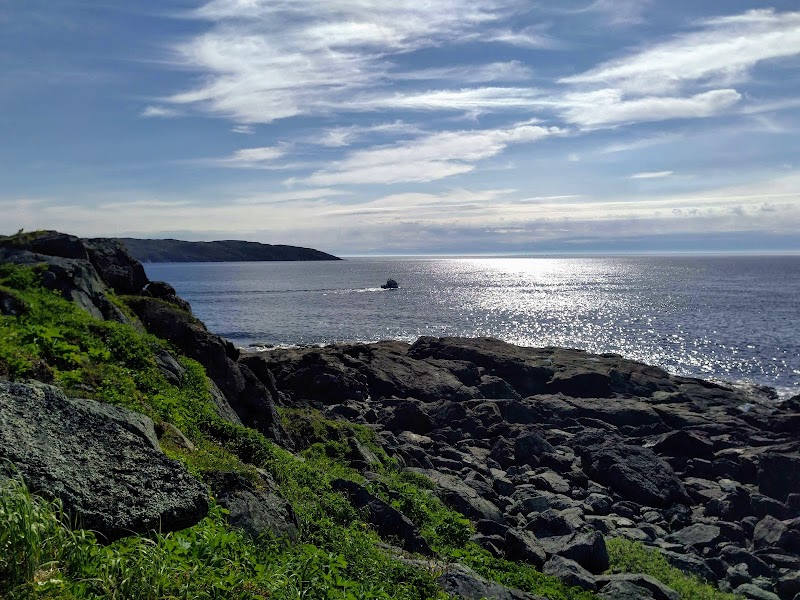
St. Anthony Basin Lighthouse is the kind of stop that earns its place by being focused. You go for the clifftop beacon, the nautical atmosphere, and a quick blast of coastal perspective. It is not the deepest experience in port, but it is a strong visual punctuation mark, especially if your main plan is museum-heavy or centered on town. For cruise passengers, this is best treated as a short scenic add-on rather than the entire day. It fits photographers, lighthouse people, and anyone who wants one more Newfoundland edge before heading back.
A compact scenic stop, not a replacement for icebergs, whales, or Norse history.
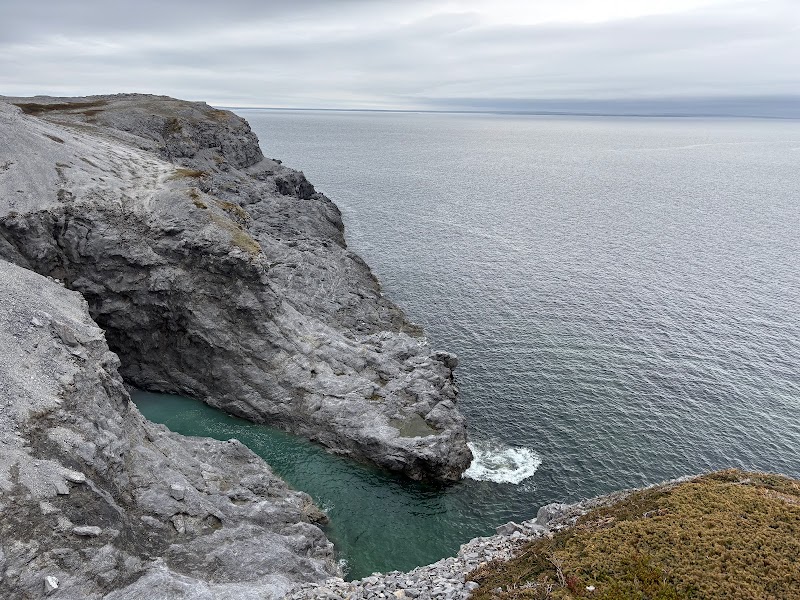
Burnt Cape Ecological Reserve is for travelers who notice the ground as much as the skyline. Its Arctic plants and tundra setting make it a quieter, more specialized counterpoint to the port's big-ticket ice and whale experiences. A guided walk is the right frame here, because the appeal is in the fragile details that are easy to miss if you rush through. For a cruise day, choose it if you are a nature nerd, a repeat visitor, or someone who prefers rare landscapes over marquee sights. It is subtle, but not secondary.
Botany-minded travelers and anyone who likes nature stops with a guide.
Traditional cod drying demos, harbor walk. Cultural staple.
Clifftop beacon views, quick visit. Nautical charm.
Remote fishing community feel. Authentic outpost.
Arctic plants and tundra, guided walk. Flora gem.