FR
Cruises to Saint-Pierre
Saint-Pierre is best for travelers who like their port days moody, historic, and a little volcanic, with beach time as the reset button.
Upcoming visits
2
Best fare
$706 per night
Saint-Pierre is best for travelers who like their port days moody, historic, and a little volcanic, with beach time as the reset button.
Find Saint-Pierre on Google Maps before you plan the port day.
Saint-Pierre is not the kind of cruise stop you should flatten into a generic island day. The strongest version is built around its drama: the 1902 Mt Pelee disaster, the ruins it left behind, and museums that turn the story into something you can actually understand in a few hours. Add a rhum agricole estate, a black-sand beach, and a handful of small cultural stops, and the port has enough range to feel distinct without demanding a frantic checklist.
The smart move is to pick a theme before you get off the ship. History people should pair the Musée Franck A. Perret with the Saint-Pierre Ruins. Travelers who want a softer day can mix one cultural stop with Plage de la Galère or a distillery visit. Families can look at the zoo or aquarium, but those are better treated as chosen outings, not quick add-ons. Saint-Pierre rewards a tight plan more than a maximal one.
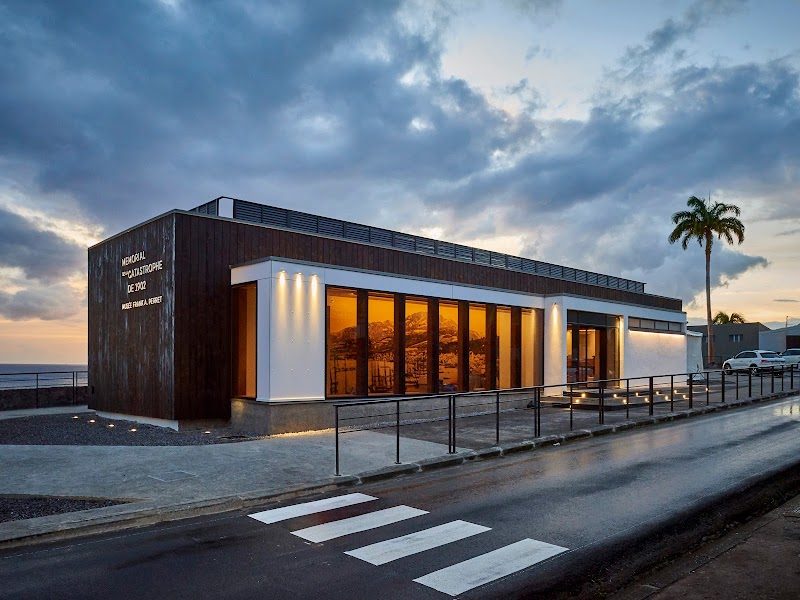
Musée Franck A. Perret is the port's cleanest entry point into Saint-Pierre's defining history. The focus is the 1902 eruption, with pyroclastic models and survivor accounts that make the disaster feel less like a footnote and more like the reason the town looks and feels the way it does. For cruise passengers, this is the attraction that gives context to everything else you might see afterward. Prioritize it if you like museums with a real narrative, or if you want the ruins to land as more than atmospheric stonework.
Do the museum before the ruins if you want the destroyed streets and buildings to make sense.
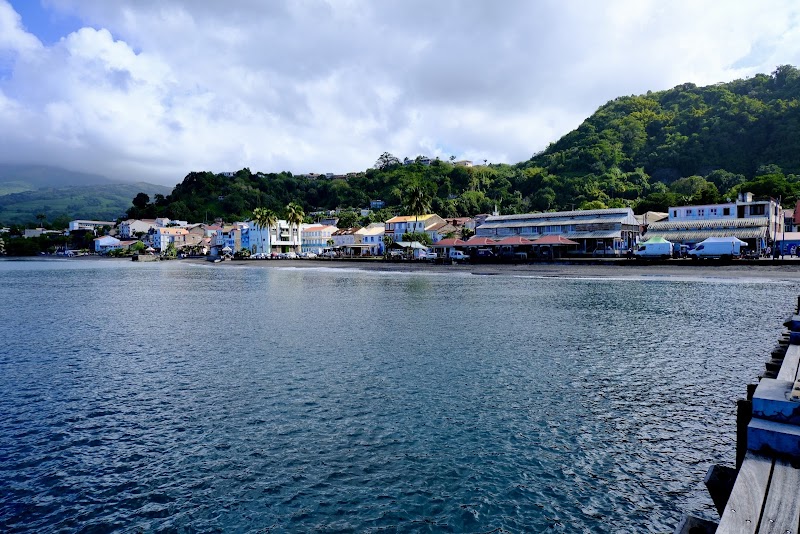
The Saint-Pierre Ruins are the visual punch of the day: remnants of homes, a theatre, and other structures marked by the Mt Pelee blast. This is not a polished monument experience, and that is the point. The appeal is in wandering through the evidence of a city interrupted, where the mood does a lot of the storytelling. It fits photographers, history-minded travelers, and anyone who prefers texture over tidy sightseeing. Pair it with the volcano museum for the most complete port plan, especially if this is your one serious culture stop.
Volcano eruption museum with pyroclastic models, survivor stories. 1902 disaster epicenter. Dramatic history.
Explore charred theatre, homes from Mt Pelée blast. Eerie wander. Ghost town remnants.
Rhum agricole tour, tastings, historic estate. Cane to bottle.
Carib artifacts, pottery, gold. Indigenous past. Cultural trove.
Current sailings visiting this port, sorted by the lowest tracked cabin price per night.
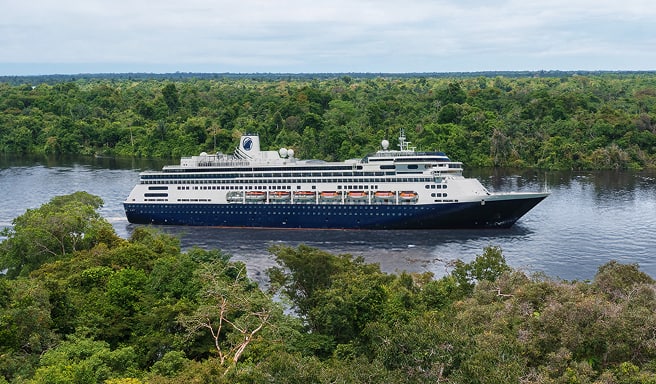
Built 1999
Montreal · Québec City · Saguenay · St. John's · Saint-Pierre · Cap-aux-Meules · Charlottetown
Built 1999
Montreal · Québec City · Saguenay · St. John's · Saint-Pierre · Cap-aux-Meules · Charlottetown
Expect atmosphere over gloss: charred remains, broken structures, and a heavy sense of place.
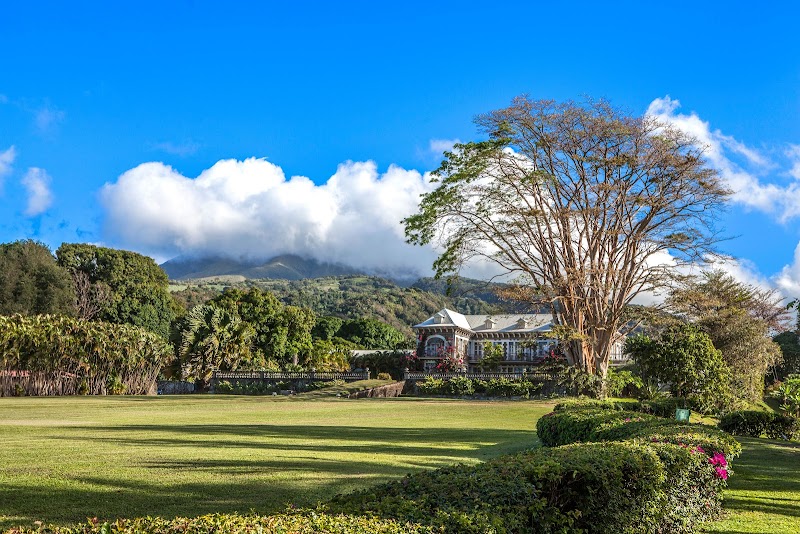
Distillerie Depaz gives the day a different rhythm: cane, estate history, and rhum agricole tastings instead of disaster narratives. It is the best fit if your ideal port stop includes a sense of place but not another museum wall. For couples, friend groups, or repeat Caribbean cruisers who have already done enough beaches, this is an easy way to make Saint-Pierre feel specific. Treat it as a main stop rather than something squeezed between too many other plans, especially if you want time to actually follow the cane-to-bottle story.
Travelers who want local flavor without turning the day into a full beach or history itinerary.
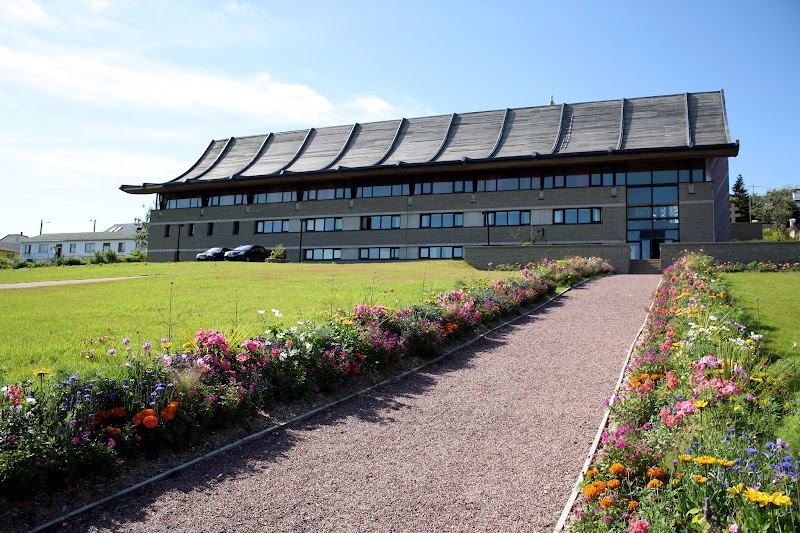
Musée d'Archéologie Précolombienne is the quieter cultural play, focused on Carib artifacts, pottery, and gold. It is worth considering if you want the port's story to stretch beyond the eruption, or if you prefer compact museums with objects that reward close looking. This is not the stop to choose if you are chasing the most dramatic visuals of the day; the ruins win there. But for travelers who like layered history, it adds an Indigenous past to a port day that can otherwise be dominated by volcanic memory.
Best paired with one larger stop, not stacked into an overstuffed museum marathon.
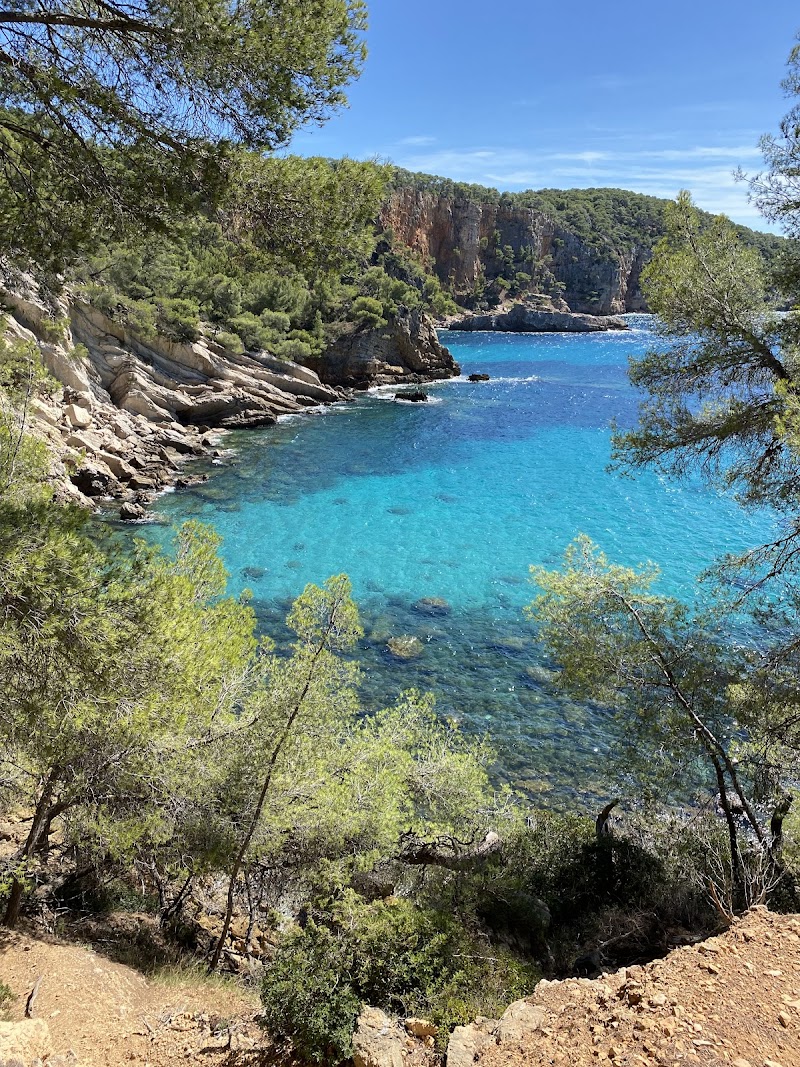
Plage de la Galère is the port's low-pressure beach option, with black sand, palm shade, and the kind of rum-punch pause that makes sense after a heavy history morning. It is not the move if you want your entire call to be active and educational; it is the move if you want contrast. The black sand also gives it a more distinctive look than a standard pale-beach cruise stop. Prioritize it after the museum or ruins if your day needs air, shade, and a slower finish.
Pair one serious history stop with beach time instead of trying to turn Saint-Pierre into a checklist.
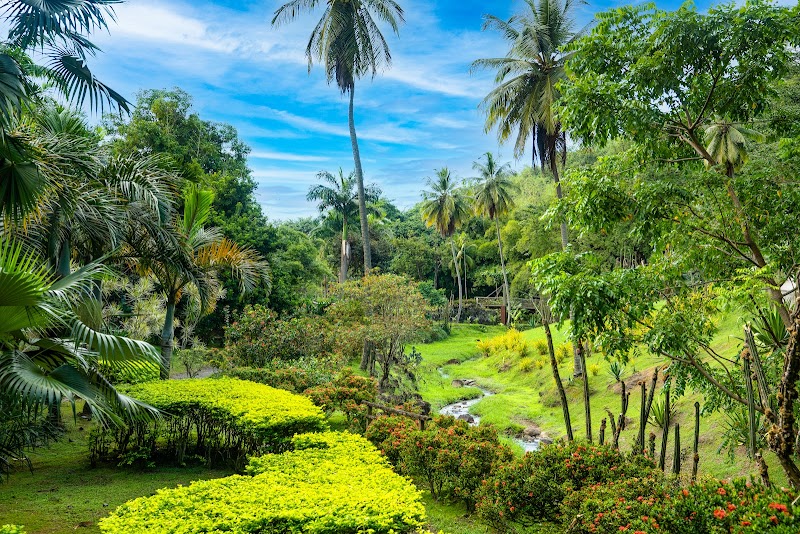
Zoo de Martinique and Aquarium de Martinique are the most family-friendly alternatives in the mix. The zoo leans into tropical birds, aviaries, garden paths, and parrot feedings, while the aquarium offers reef fish, sharks, and touch pools. For cruise passengers with kids, either can be easier to sell than a full day of ruins and museums. The key is to choose one and build the day around it. If your group is mostly adults and first-timers, the volcano-focused stops are more essential to what makes Saint-Pierre memorable.
Choose the zoo for birds and garden paths, or the aquarium for a compact marine-life stop.
Black sand beach, palm shade, rum punch. Caribbean chill.
Parrot feedings, aviaries, garden paths. Tropical birds.
Reef fish, sharks, touch pools. Marine mini-world.