MX
Cruises to Puerto Chiapas
Puerto Chiapas is a choose-your-lane port: ruins, cacao, black sand, river borders, and mangroves all compete for one cruise day.
Upcoming visits
17
Best fare
$125 per night
Puerto Chiapas is a choose-your-lane port: ruins, cacao, black sand, river borders, and mangroves all compete for one cruise day.
Find Puerto Chiapas on Google Maps before you plan the port day.
Puerto Chiapas is not the polished, over-scheduled version of Mexico that some cruise ports sell. Its appeal is more specific: pre-Olmec ruins, black sand, cacao, river-border detours, mangroves, and market food that actually feels tied to the region. For a port call, that range is the point. You do not need to force a greatest-hits itinerary here; the smarter day is built around one strong anchor and maybe one lighter add-on. If your cruise needs a stop that feels less like a resort circuit and more like southern Pacific Coast texture, Puerto Chiapas earns a look.
The main decision is whether you want history, food, nature, or a simple beach reset. Izapa is the clearest cultural headliner, especially because the drive is manageable for a cruise day. A cacao tour gives you a more hands-on version of the region, while Playa El Chiapas keeps things low-lift with black sand and seafood. More adventurous travelers can look at the Suchiate River or mangroves, but those deserve a tighter plan. Puerto Chiapas rewards people who pick intentionally, not passengers trying to collect every stop before all-aboard.
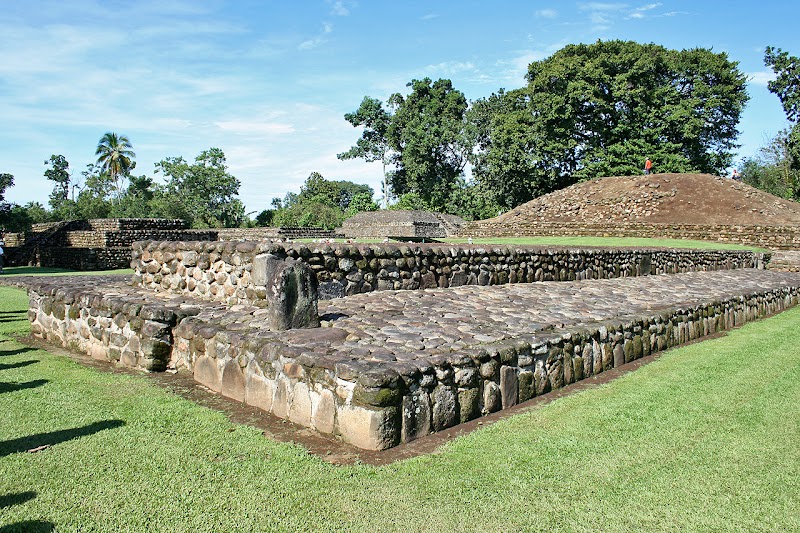
Izapa Archaeological Zone is the obvious first pick if you want the port stop to feel specific to Chiapas rather than interchangeable with any beach day. The site has stelae and pyramids tied to ancient Mesoamerican history, with guided tours adding context that would be easy to miss on your own. The roughly 30-minute drive makes it a practical cruise-day anchor, not an overreach. Prioritize it if you like ruins, archaeology, or a stop with a real sense of timeline. Pairing it with too much else can dilute the best part: slowing down enough to actually read the place.
History-focused passengers who want one meaningful shore excursion instead of a scattershot day.
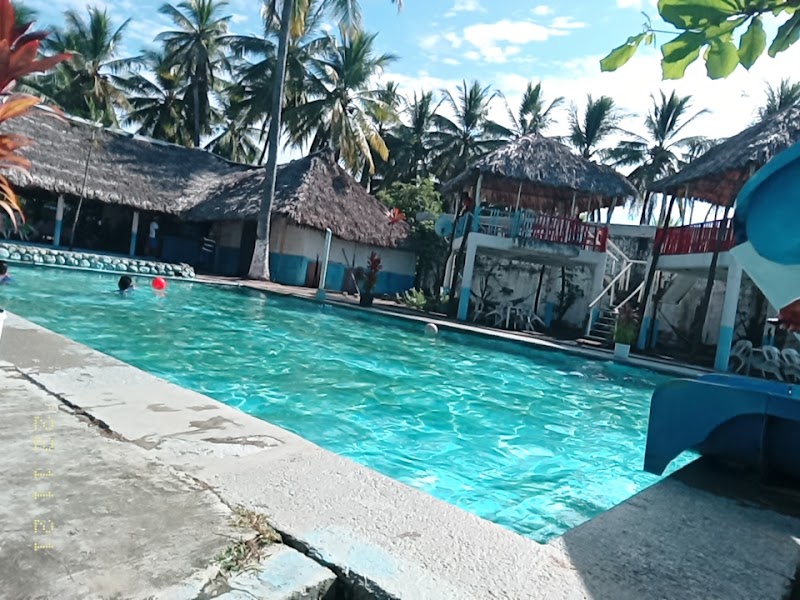
Playa El Chiapas is the beach option for travelers who want their port day to breathe. The draw is simple but not generic: dark volcanic-looking sand, swimming, fresh seafood, and a local beach feel. It is not the most ambitious use of the stop, but that can be the point, especially on a longer itinerary where every port cannot be a full cultural sprint. Choose this if you want sun, saltwater, and lunch without turning the day into logistics. If this is your only call in the region, consider whether you would regret skipping Izapa or cacao first.
Explore ancient Mesoamerican ruins with stelae and pyramids predating Olmecs. Guided tours explain history. Key cultural site, 30min drive.
Black sand beach for swimming and relaxation. Fresh seafood. Local beach vibe.
Learn chocolate making from bean to bar on organic farm. Taste samples. Tasty excursion.
Cross into Guatemala by boat on the river border. Markets and villages. Unique bi-national adventure.
Current sailings visiting this port, sorted by the lowest tracked cabin price per night.
Built 2004
Fort Lauderdale · Aruba · Panama Canal · Panama City · Puntarenas · Puerto Chiapas · Huatulco · Puerto Vallarta · Los Angeles
Built 2003
Fort Lauderdale · Aruba · Panama Canal · Panama City · Puntarenas · Puerto Chiapas · Huatulco · Puerto Vallarta · Los Angeles
Built 2006
Los Angeles · Puerto Vallarta · Huatulco · Puerto Chiapas · Puntarenas · Panama City · Panama Canal · Curaçao · Fort Lauderdale
Built 2006
Fort Lauderdale · Cartagena · Panama Canal · Panama City · Puntarenas · Puerto Chiapas · Huatulco · Puerto Vallarta · Los Angeles
Built 2003
Fort Lauderdale · Aruba · Panama Canal · Panama City · Puntarenas · Puerto Chiapas · Huatulco · Ensenada · Los Angeles
Built 2003
Los Angeles · Puerto Vallarta · Huatulco · Puerto Chiapas · Puntarenas · Panama City · Panama Canal · Aruba · Fort Lauderdale
Built 2003
Los Angeles · Puerto Vallarta · Huatulco · Puerto Chiapas · Puntarenas · Panama City · Panama Canal · Aruba · Fort Lauderdale
Built 2003
Los Angeles · Puerto Vallarta · Huatulco · Puerto Chiapas · Puntarenas · Panama City · Panama Canal · Aruba · Fort Lauderdale
Built 2003
Fort Lauderdale · Aruba · Panama Canal · Panama City · Puntarenas · Puerto Chiapas · Huatulco · Puerto Vallarta · San Diego
Built 2003
San Diego · Puerto Vallarta · Huatulco · Puerto Chiapas · Puntarenas · Panama City · Panama Canal · Aruba · Fort Lauderdale
Built 2002
Fort Lauderdale · Cartagena · Panama Canal · Panama City · Puntarenas · Puerto Chiapas · Huatulco · Puerto Vallarta · Los Angeles · Hilo · Maui · Honolulu
Built 2002
Fort Lauderdale · Cartagena · Panama Canal · Panama City · Puntarenas · Puerto Chiapas · Huatulco · Puerto Vallarta · Los Angeles · Hilo · Maui · Honolulu · Kauai · Pago Pago · Fiji · Dravuni Island · Port Vila · Luganville · Rabaul · Kiriwina Island · Alotau · Cairns · Airlie Beach · Brisbane · Sydney · Auckland · Tauranga · Christchurch · Dunedin · Hobart · Adelaide · Perth · Darwin · Bali · Lembar · Singapore · Phuket · Langkawi · Penang · Kuala Lumpur · Ho Chi Minh City · Cam Ranh · Ha Long Bay · Hong Kong · Keelung · Miyakojima · Kagoshima · Kochi · Osaka · Tokyo · Miyako · Kushiro · Anchorage · Sitka · Juneau · Ketchikan · Vancouver
A relaxed beach day with a more local texture than a polished resort scene.
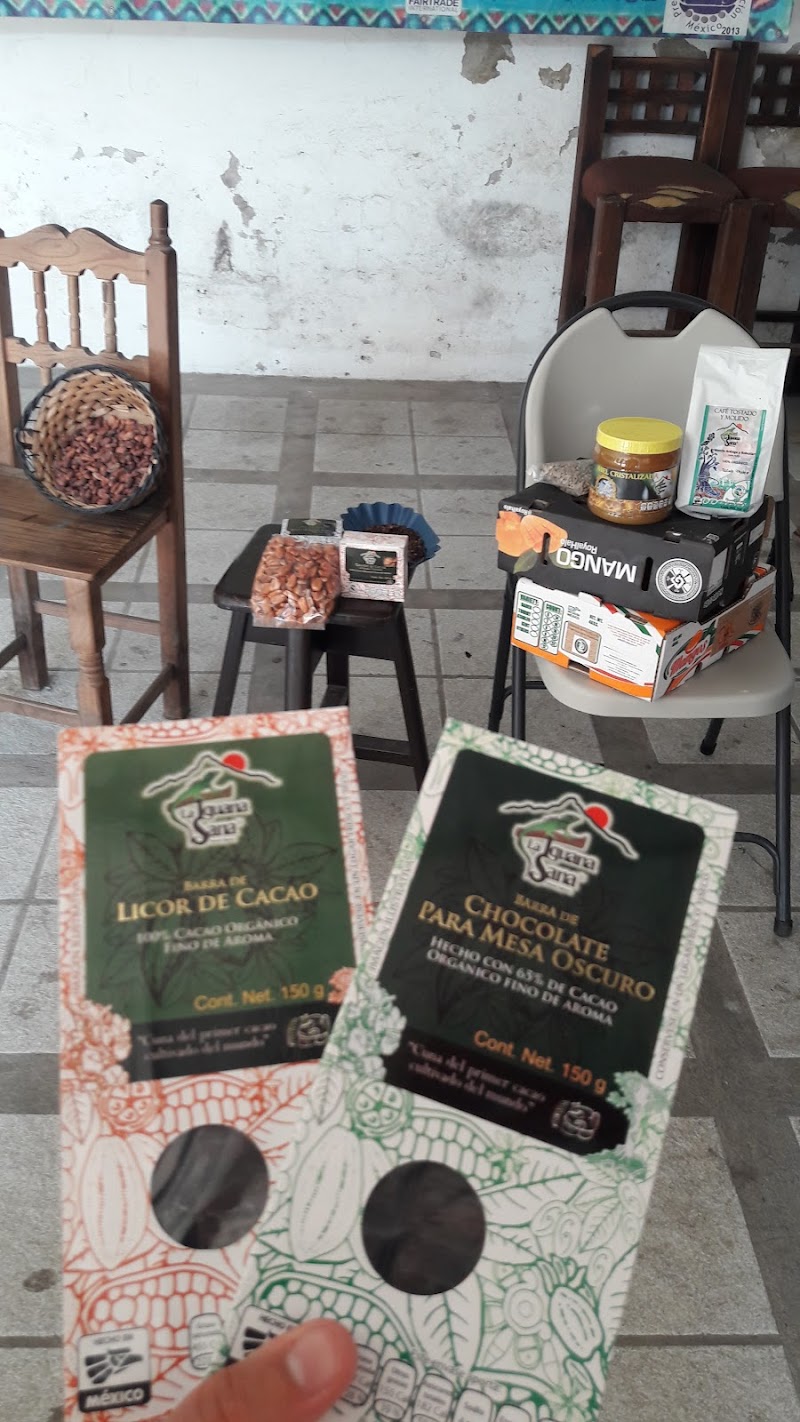
A cacao plantation tour is the food-focused shore plan that still feels like you learned something. Instead of just buying chocolate, you see how cacao moves from bean to bar on an organic farm, with tastings built into the experience. It is a strong choice for couples, friend groups, and anyone who prefers sensory travel over passive sightseeing. As a cruise excursion, it works best when you give it room rather than trying to stack it after a major ruins day. Go for this if your ideal souvenir is flavor, not a keychain.
Food travelers, low-key learners, and anyone who wants a hands-on local experience.
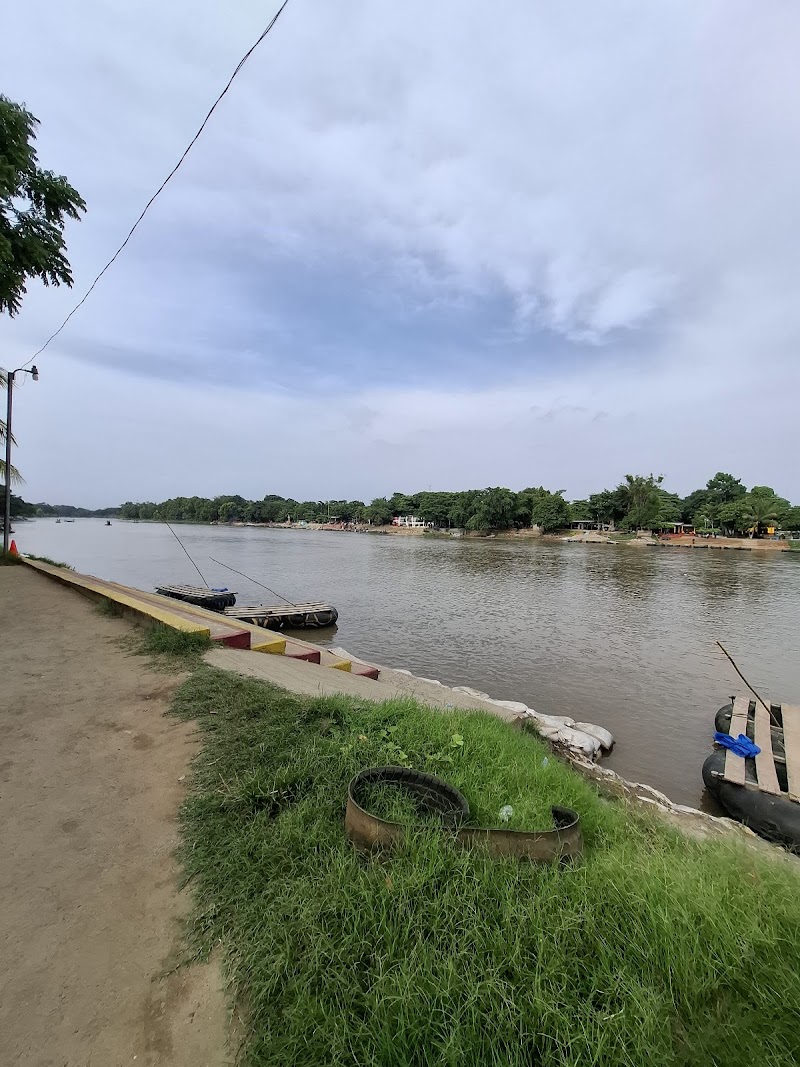
The Suchiate River Boat Trip is the most unusual option in the mix because the river forms a border and the experience can include a boat crossing into Guatemala, markets, and villages. That gives the day a sharper narrative than a standard scenic ride. It is best for travelers who like movement, local texture, and a bit of unpredictability in their port plans. Because it is more involved than a beach stop or museum visit, this is not the place to improvise casually. Treat it as the main event and leave breathing room around it.
Curious travelers who want a less common shore excursion with a cross-border angle.
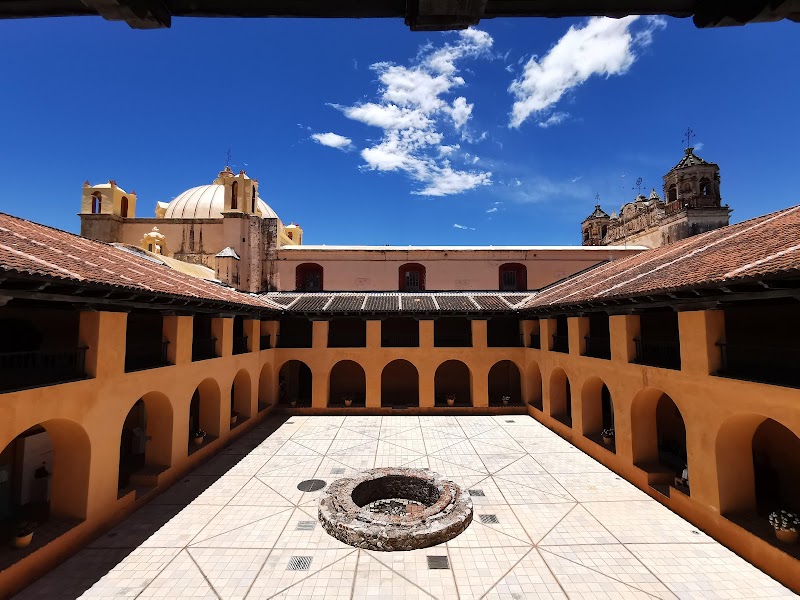
Mundo Maya Museum is the choice for travelers who want context without committing the entire day to an archaeological site. Its exhibits focus on Maya culture and local history, making it a useful counterpoint to a ruins-focused excursion or a smart fallback for passengers who prefer indoor pacing. Do not expect a massive museum day; the appeal is that it is smaller and more focused. It fits travelers who like to understand where they are before they shop, eat, or wander. If Izapa feels too active, this gives the port a cultural spine without the same time commitment.
Culture without a marathon excursion.
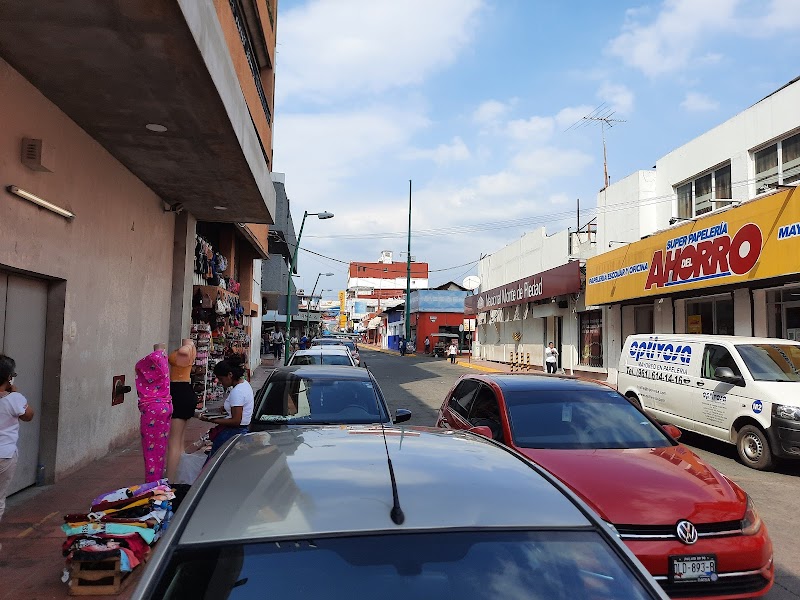
Tapachula Central Market is for passengers who would rather read a destination through food, produce, crafts, and daily routines than through a curated viewpoint. It can be busy, direct, and more rewarding if you enjoy markets as living places rather than shopping lists. Street food and local flavors are the headline, but the real value is the contrast with the ship: noise, color, negotiation, and ordinary life moving at land speed. Prioritize it if you are comfortable with sensory overload. Skip it if you want a polished, low-effort afternoon.
Travelers who want local food energy over a staged sightseeing loop.
Mangrove kayaking gives Puerto Chiapas a quieter eco-tour angle. The experience is about paddling through coastal mangroves, watching for birds, and possibly spotting crocodiles, so it suits travelers who are happier in a kayak than on a bus. It is also a good match for passengers who want an active excursion without making the day feel competitive. The tradeoff is that nature outings depend on patience; wildlife is not a checklist. Choose this if still water, shade, and slow observation sound better than ruins or market crowds.
Active nature travelers who like a slower, watchful kind of excursion.
Paddle through coastal mangroves spotting birds and crocs. Eco-tour. Serene nature.
Exhibits on Maya culture and local history. Small but informative. Off-beat museum.
Vibrant market with street food, crafts, and produce. Authentic flavors. Cultural immersion.