FJ
Cruises to Lautoka
Lautoka is a Fiji port where the best day is focused: culture in town, rainforest and mud pools near Nadi, or a clean break for island water.
Upcoming visits
34
Best fare
$199 per night
Lautoka is a Fiji port where the best day is focused: culture in town, rainforest and mud pools near Nadi, or a clean break for island water.
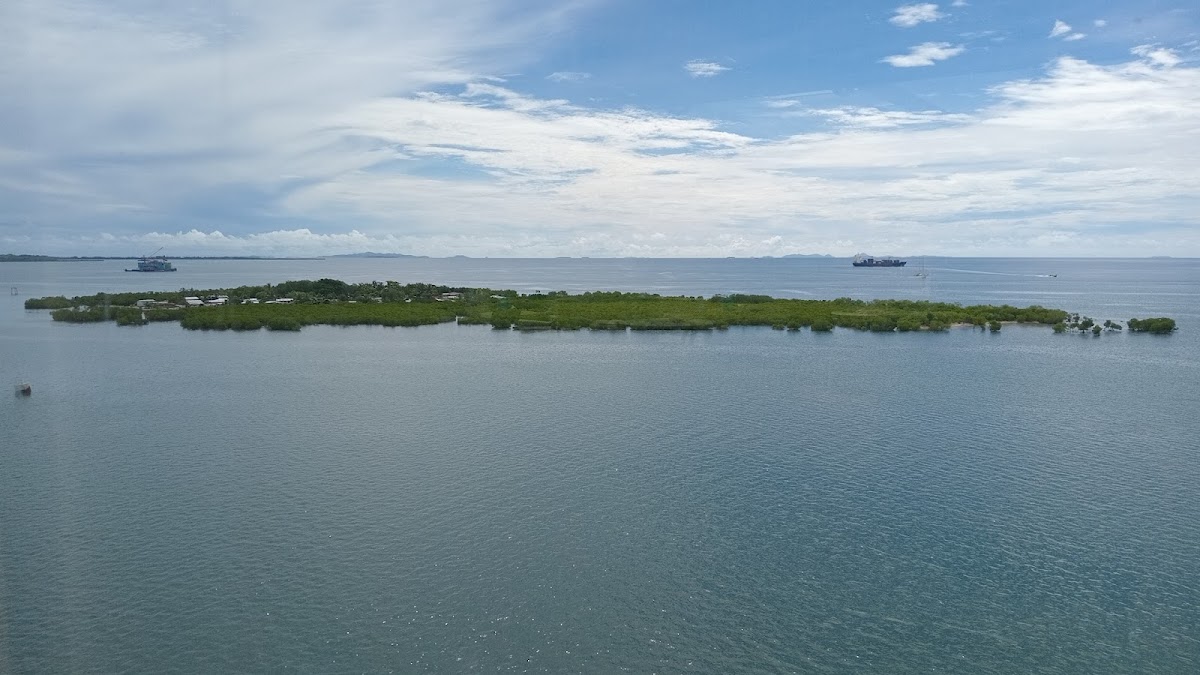
Find Lautoka on Google Maps before you plan the port day.
Lautoka does not behave like a one-note beach port, which is exactly why it works on a cruise itinerary. The day can stay local with market stalls, fresh fruit, kava, and a major Hindu temple, or stretch toward Nadi for orchids, rainforest paths, and mud pools. There is also the classic Fiji temptation: leave the mainland for a resort-island day of sand and snorkel time. The catch is choice. Trying to force culture, nature, spa time, and an island hop into one stop turns the day into logistics instead of travel.
The smartest Lautoka plan starts with your mood, not a checklist. If you want a grounded sense of Fiji beyond the beach, pair Lautoka Market with Sri Siva Subramaniya Temple. If you need greenery and decompression, make the Garden of the Sleeping Giant and Sabeto Mud Pool the core. If the whole point of booking Fiji was clear water and white sand, Beachcomber Island is the cleaner play, as long as you are comfortable letting the boat transfer define the day. Lautoka rewards passengers who pick one strong lane and leave room to actually enjoy it.
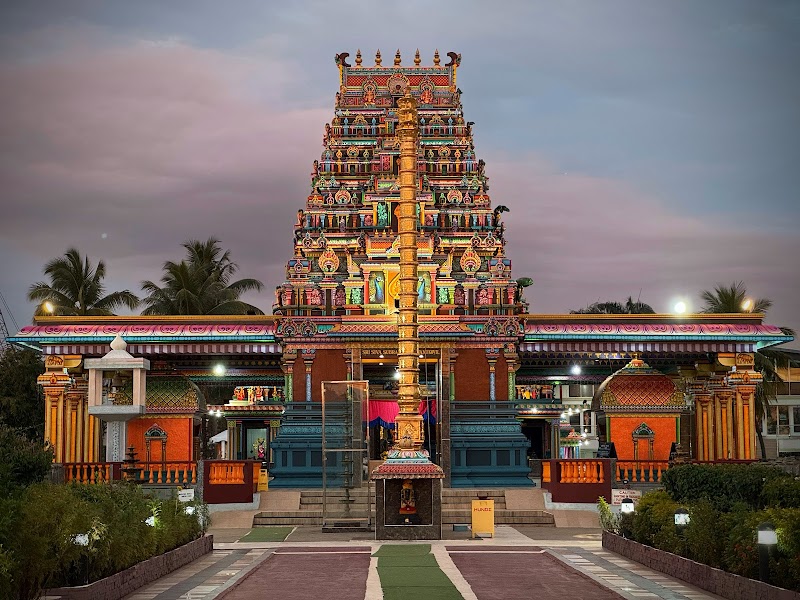
Sri Siva Subramaniya Temple is the obvious cultural anchor for a Lautoka shore day. As Fiji's largest Hindu temple, it brings a different visual language to the stop: stacked towers, saturated color, and an active place of worship rather than a static photo backdrop. It fits travelers who want their Fiji day to include Indo-Fijian culture, not just palms and water. Prioritize it early in a town-focused route, then keep your pace respectful. This is a place to observe, not barge through with a camera-first mindset.
Travelers who want one memorable cultural stop without building an overstuffed excursion.
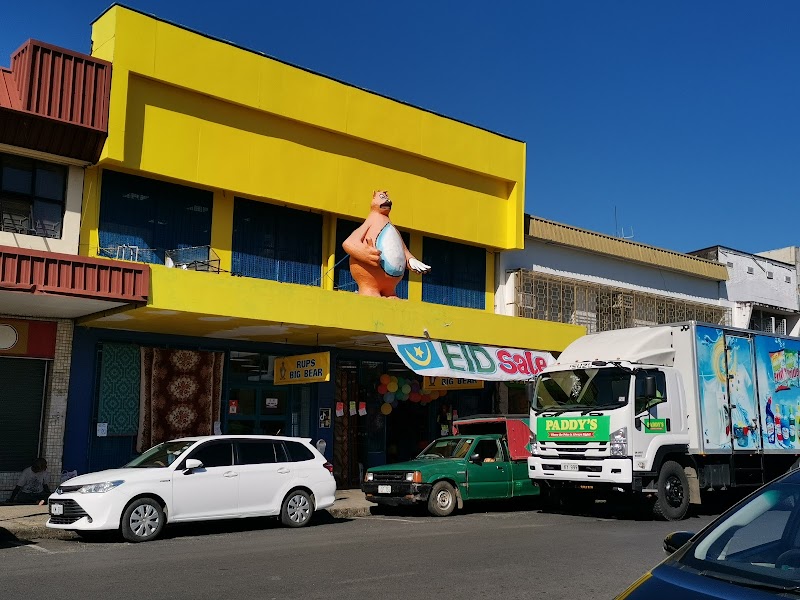
Lautoka Market is the stop for passengers who like a port to feel lived-in. The pull here is not a polished attraction loop; it is produce, kava, local conversation, and the chance to taste fruit that did not arrive in a cruise buffet crate. It pairs naturally with the temple because both keep you grounded in the city rather than chasing a full-day transfer. This is also the better choice for travelers who get bored by resort compounds. Go for texture, small purchases, and people-watching, not for a staged experience.
Largest Hindu temple in Fiji with colorful towers. Active rituals and photo ops. Cultural welcome.
Orchid garden and rainforest trails near Nadi. Walk to river swim. Lush paradise.
Vibrant produce and kava market. Interact with locals. Fresh fruits taste.
Hot mud baths and waterfall showers. Relaxing spa day. Giggling group activity.
Current sailings visiting this port, sorted by the lowest tracked cabin price per night.
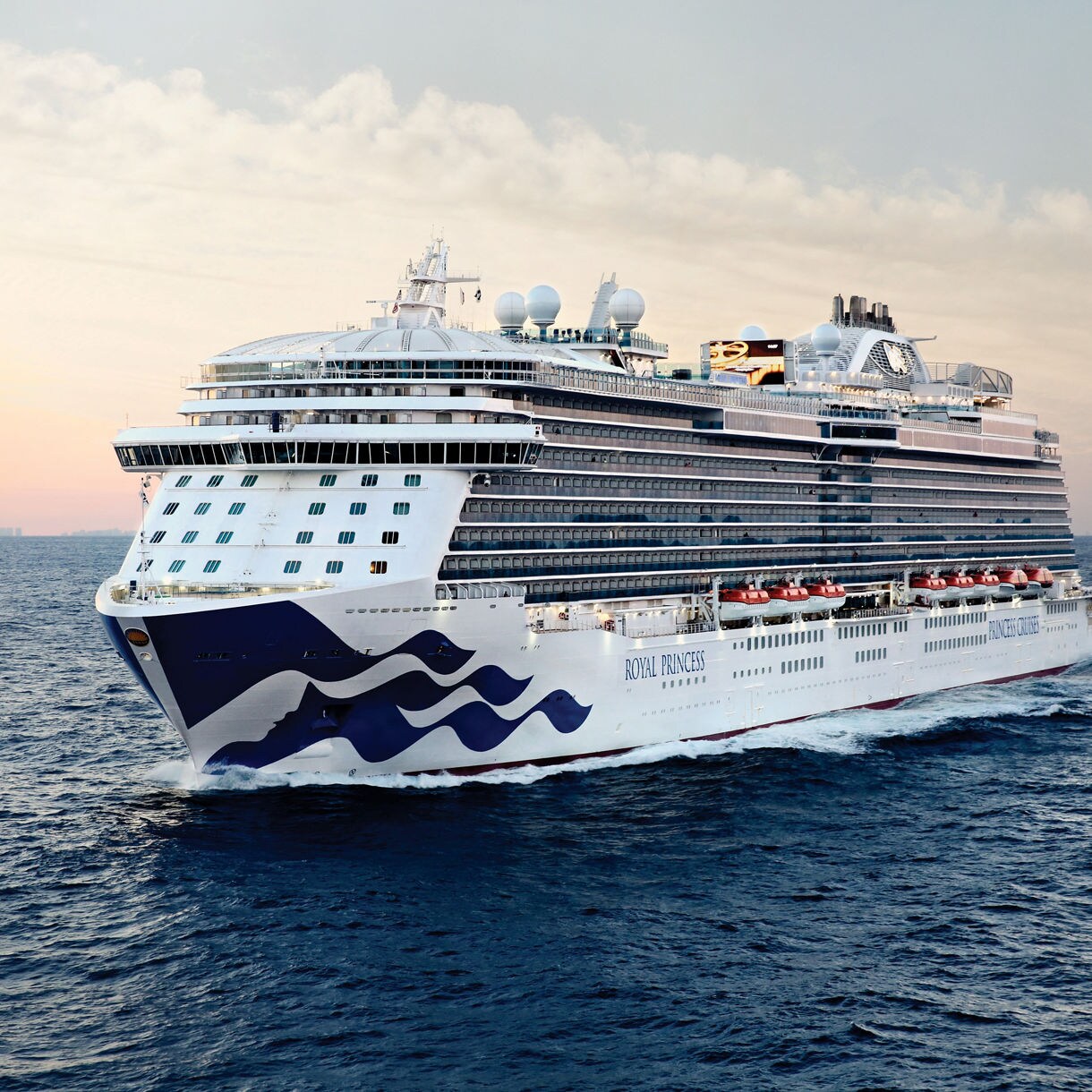
Built 2013
Sydney · Fiji · Lautoka · Dravuni Island
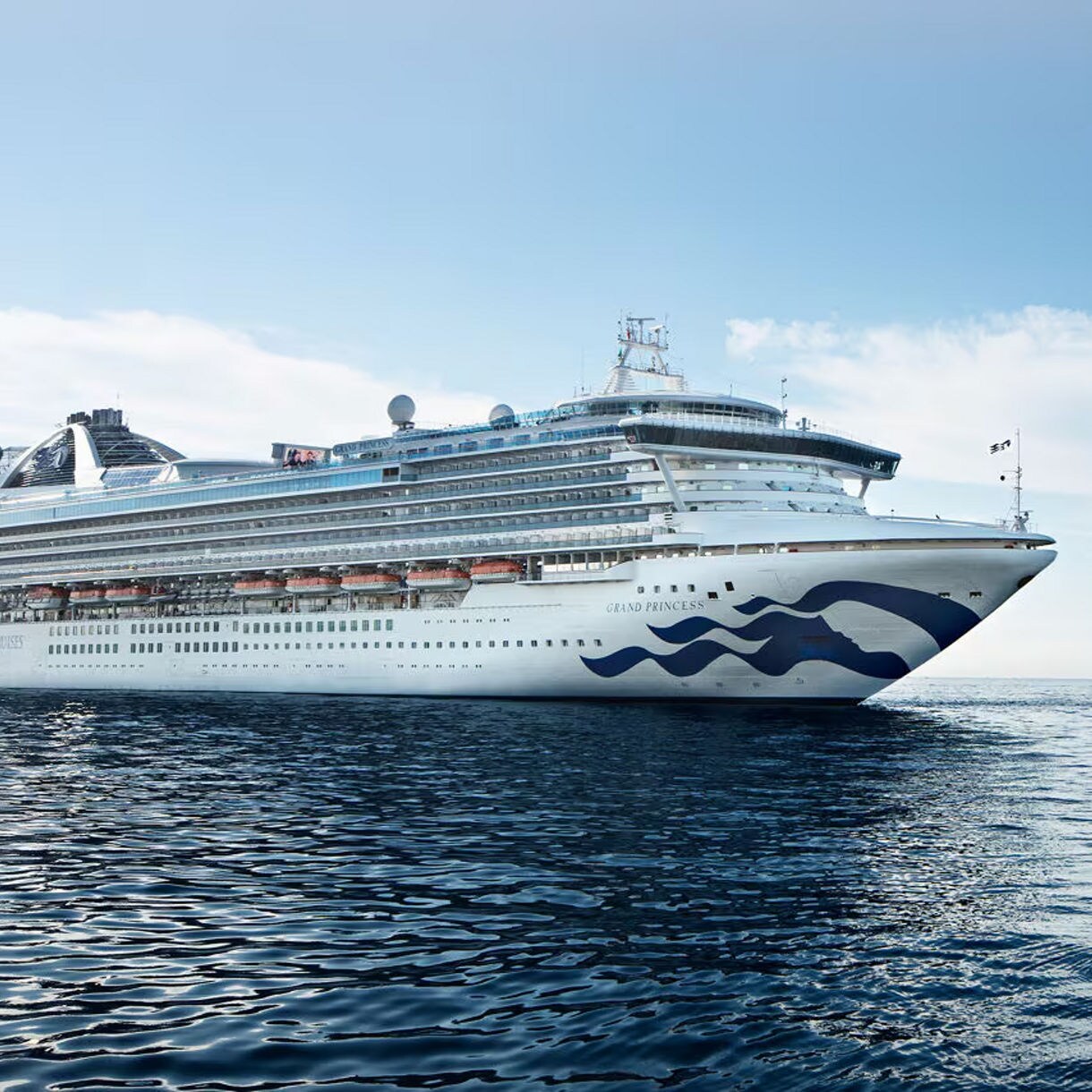
Built 1998
Sydney · Lautoka · Fiji · Dravuni Island · Mystery Island · Nouméa
Built 2008
Sydney · Nouméa · Fiji · Lautoka · Lelepa · Lifou
Built 1998
Brisbane · Lautoka · Fiji · Dravuni Island · Mystery Island · Nouméa · Lifou
Built 2018
Sydney · Nouméa · Mystery Island · Lautoka · Fiji · Apia · Honolulu
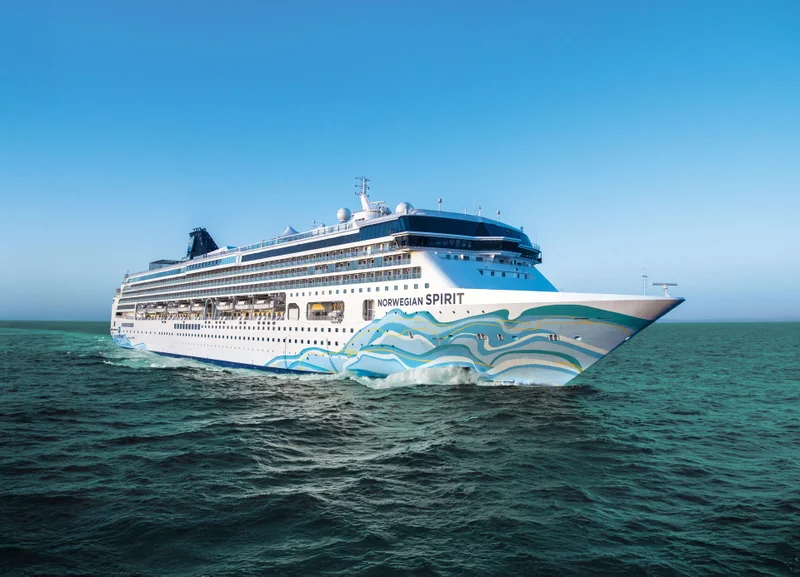
Built 1998
Tahiti · Moorea · Bora Bora · Raiatea · Cook Islands · Pago Pago · Fiji · Dravuni Island · Lautoka
Built 1998
Sydney · Nouméa · Lifou · Port Vila · Mystery Island · Fiji · Savusavu · Lautoka
Built 1998
Sydney · Nouméa · Lifou · Port Vila · Mystery Island · Dravuni Island · Savusavu · Fiji · Lautoka
Built 1998
Lautoka · Denarau · Savusavu · Dravuni Island · Port Vila · Mystery Island · Sydney
Built 1998
Tahiti · Moorea · Raiatea · Bora Bora · Apia · Fiji · Lautoka
Built 1998
Tahiti · Moorea · Raiatea · Bora Bora · Apia · Fiji · Lautoka
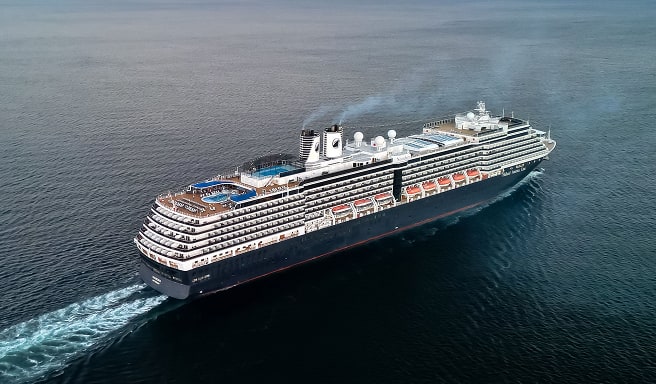
Built 2006
Sydney · Brisbane · Nouméa · Lifou · Lautoka · Fiji · Savusavu · Pago Pago · Honolulu · Kauai · Kona · Seattle
Pair the market with the temple for a compact Lautoka culture route.
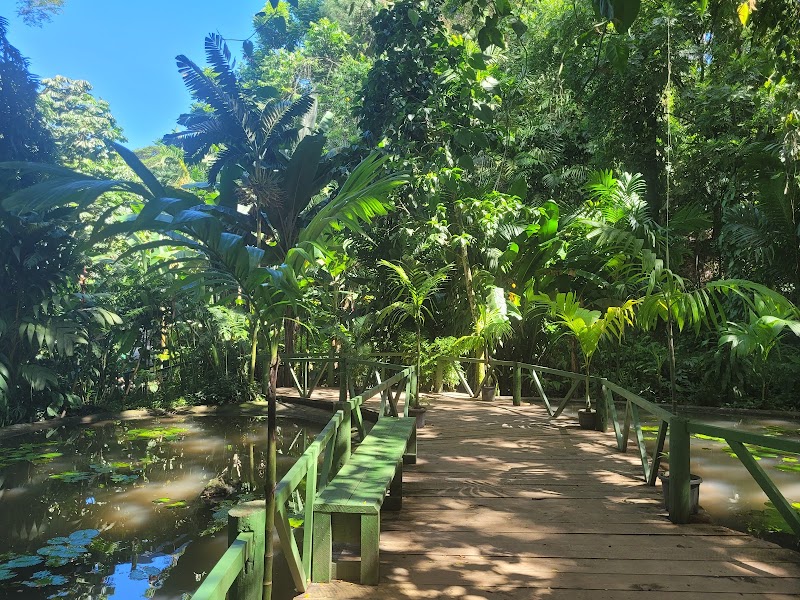
Garden of the Sleeping Giant is the nature pick when you want Fiji to feel lush, shaded, and a little slower. Near Nadi, it is known for orchids and rainforest trails, with the option to walk toward a river swim. That makes it a strong middle ground: more atmospheric than a quick viewpoint, less demanding than a full hiking day. It suits couples, photographers, and anyone who wants greenery without turning the port call into an endurance test. If you are choosing between this and the mud pool, this is the prettier, quieter half of the plan.
Orchid lovers, casual walkers, and anyone craving shade and rainforest texture.
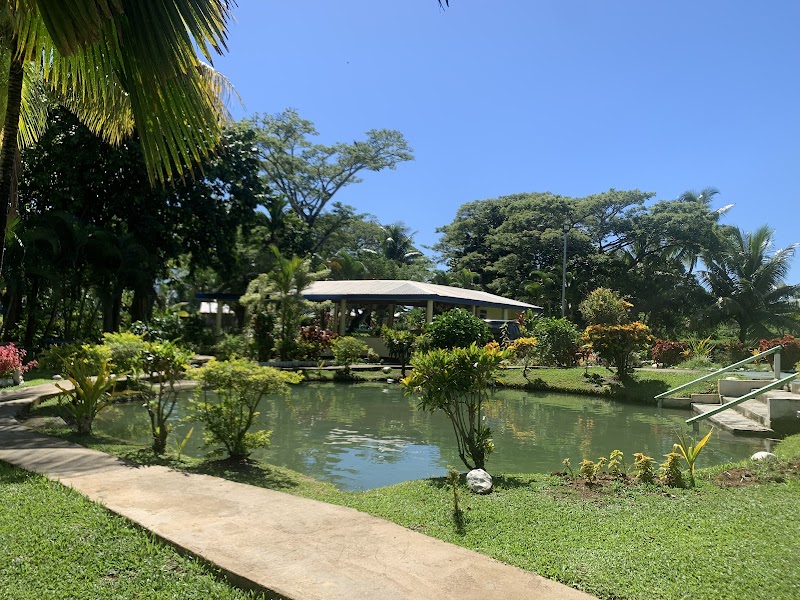
Sabeto Mud Pool is not subtle, and that is the point. Hot mud baths followed by rinsing off under waterfall showers make it one of Lautoka's easiest group-memory makers. It is a good fit for friends, families, and anyone who wants a spa-adjacent day that does not take itself too seriously. Pair it with Garden of the Sleeping Giant if your plan is centered around the Nadi area. Skip it if you hate getting messy or want a polished wellness experience; this is more laughter, minerals, and rinse-off energy than quiet luxury.
This is the playful choice, not the pristine spa choice.
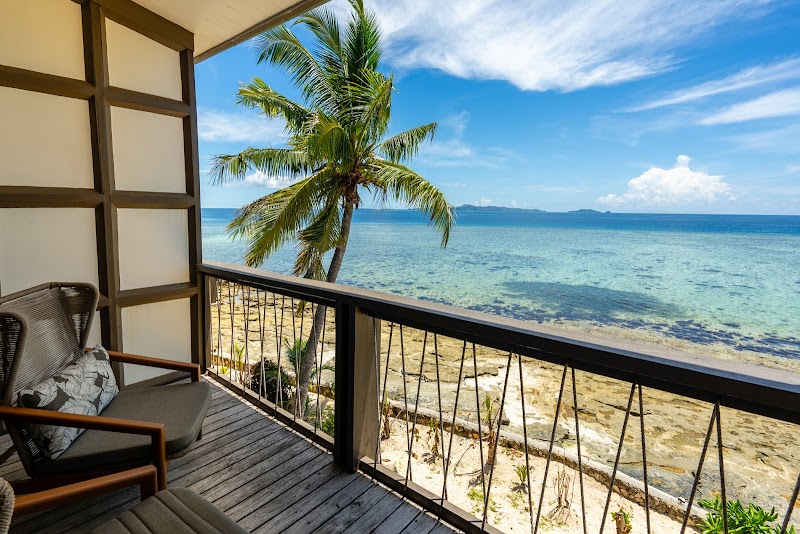
Beachcomber Island is the move for passengers who came to Fiji with one clear objective: get off the mainland and into the water. The appeal is straightforward: white sand, snorkeling, sailing, and a resort-island setting reached by boat. Because the transfer is part of the day, treat this as a single-lane plan rather than something to tack onto a busy city route. It fits beach-first travelers, social groups, and anyone who would rather wear a swimsuit than museum shoes. If culture matters more, stay in Lautoka instead.
A focused island day built around sand, snorkeling, and boat time.
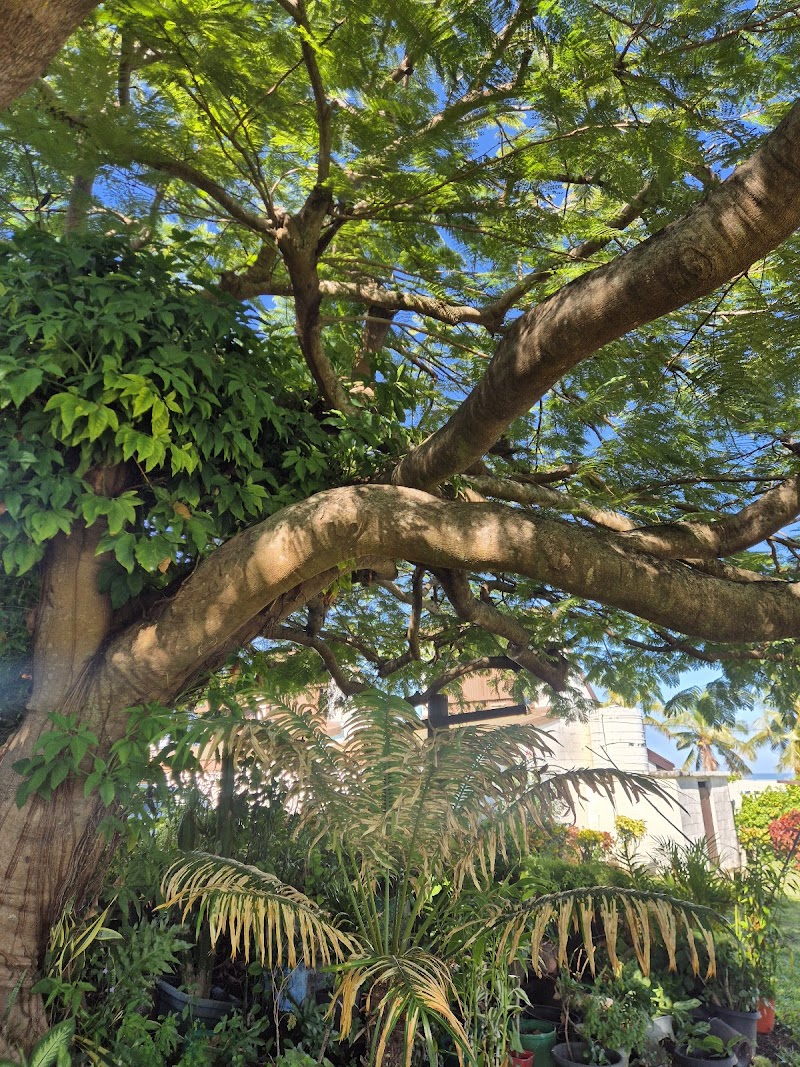
Vuda Lookout is best treated as a scenic punctuation mark, not the entire plot. The draw is a hilltop view toward the Yasawa horizon, which gives your Lautoka day that wide Pacific scale you cannot get from a market aisle or garden path. It works well for travelers who like a drive with a payoff and for photographers chasing a clean island panorama. Do not prioritize it over your main interest, whether that is culture, mud pools, or beach time. Use it when your route naturally allows a view stop.
Make it an add-on viewpoint, not the reason for the whole day.
Day trip to resort isle for snorkel, sail. White sand fun. Quick boat.
Hill view over Yasawa horizon. Scenic drive stop. Island panorama.
Artifacts from 3,000yrs Fijian history. Compact exhibits. Cultural depth.
National park hikes and villages. Bird and orchid spotting. Nature immersion.