PG
Cruises to Kiriwina Island
Kiriwina rewards cruise passengers who trade the standard port checklist for villages, canoes, coral, and culture you cannot fake.
Upcoming visits
10
Best fare
$315 per night
Kiriwina rewards cruise passengers who trade the standard port checklist for villages, canoes, coral, and culture you cannot fake.
Find Kiriwina Island on Google Maps before you plan the port day.
Kiriwina Island is not a polished cruise-port machine, and that is the point. A stop here is less about ticking off monuments and more about choosing a close-up experience: a Trobriand village, a lagoon canoe, a reef, a cricket match with ceremony built into the action. The island's strongest moments are specific and human-scale, so the best plan is not to overpack the day. Pick one cultural anchor, then add either water time or a short history thread if your schedule allows.
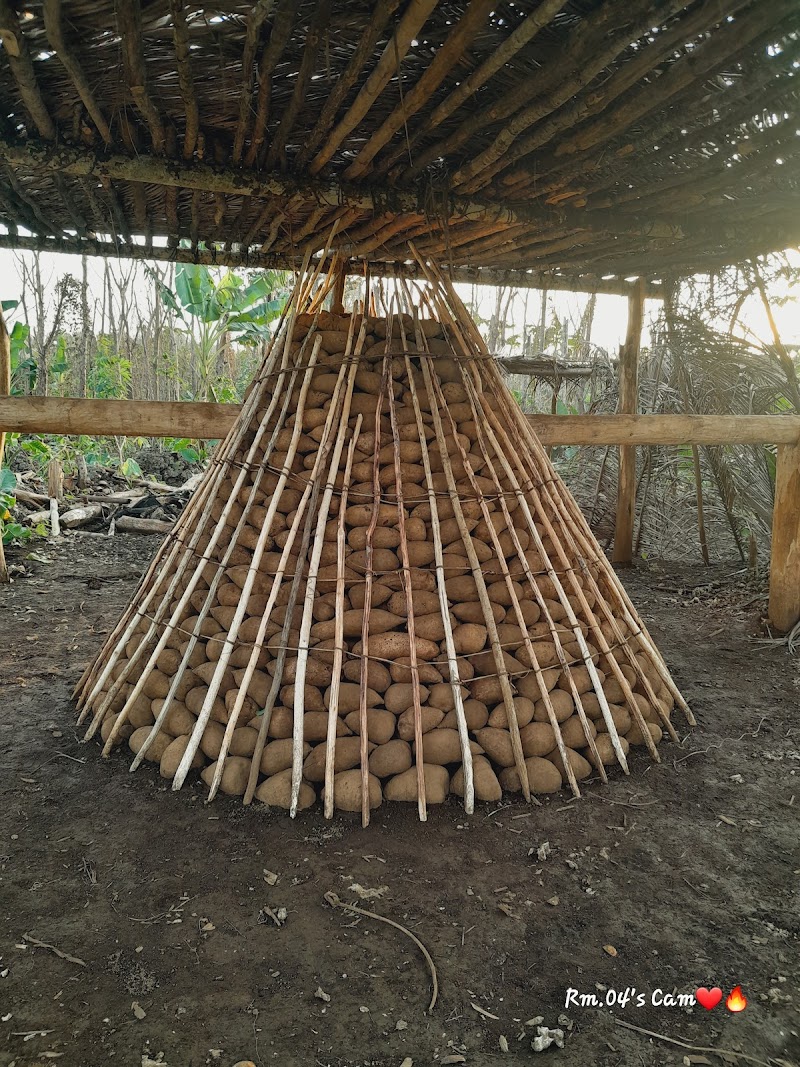
This is also a port where context matters. The Trobriand Islands are known here through yam houses, Kula ring culture, traditional craft, and community performances, not through a single blockbuster sight. Beach and snorkel plans can be beautiful, but they are most rewarding when you do not treat the island as interchangeable sand. If your ideal shore day is independent shopping and a long cafe crawl, Kiriwina may feel sparse. If you want a Pacific Islands call that feels genuinely different from the ship, it earns its place.
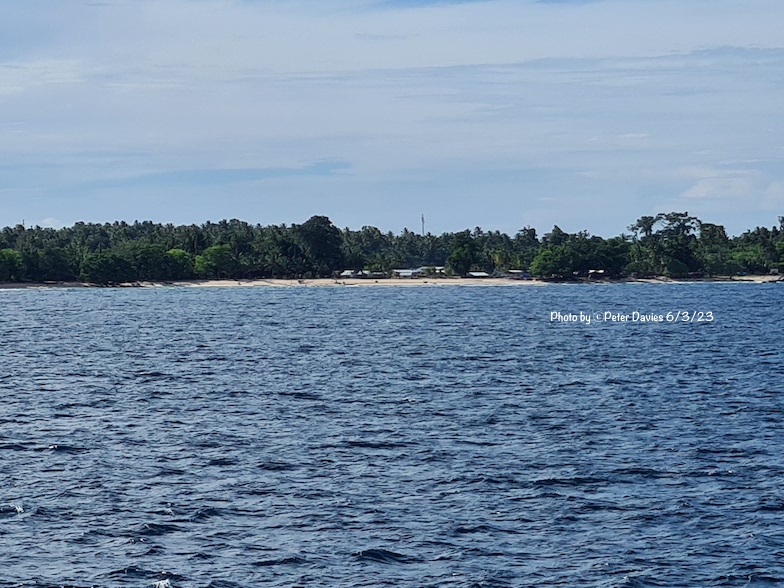
Make a Trobriand village visit the cultural center of the day if this is your first time in this part of Papua New Guinea. The appeal is the texture of daily life: yam house villages, farmers working around the crop that shapes local identity, and the wider Kula ring culture behind the island's craft and exchange traditions. For cruise passengers, this is the stop that separates Kiriwina from a beach-only itinerary. Prioritize it over a generic scenic wander if you want to come back with a clearer sense of where you actually landed.
Culture-first travelers who want the port day to feel specific to Kiriwina.
The WWII relics give Kiriwina a harder edge than its shoreline suggests. Crashed planes and Pacific War bunkers turn the stop into a small-scale history hunt, with battle damage visible in the landscape rather than sealed behind glass. This is the pick for travelers who like their port days layered: culture in one direction, wartime remains in another. Do not treat it as a substitute for a full military museum. Its strength is immediacy, the feeling of standing near remnants that still interrupt the island's tropical surface.
Explore crashed planes, bunkers from Pacific War. History hunt. Battle scars.
Enter yam house villages, meet yam farmers. Kula ring culture. Traditional life.
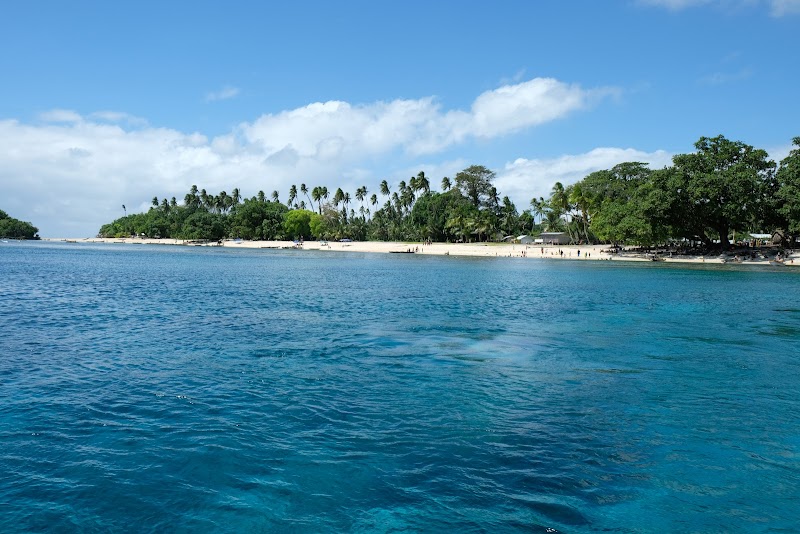
Pristine white sands, snorkel coral gardens. Paradise cove. Island bliss.
Paddle traditional outriggers, island hopping. Local guides. Oceanic voyage.
Current sailings visiting this port, sorted by the lowest tracked cabin price per night.
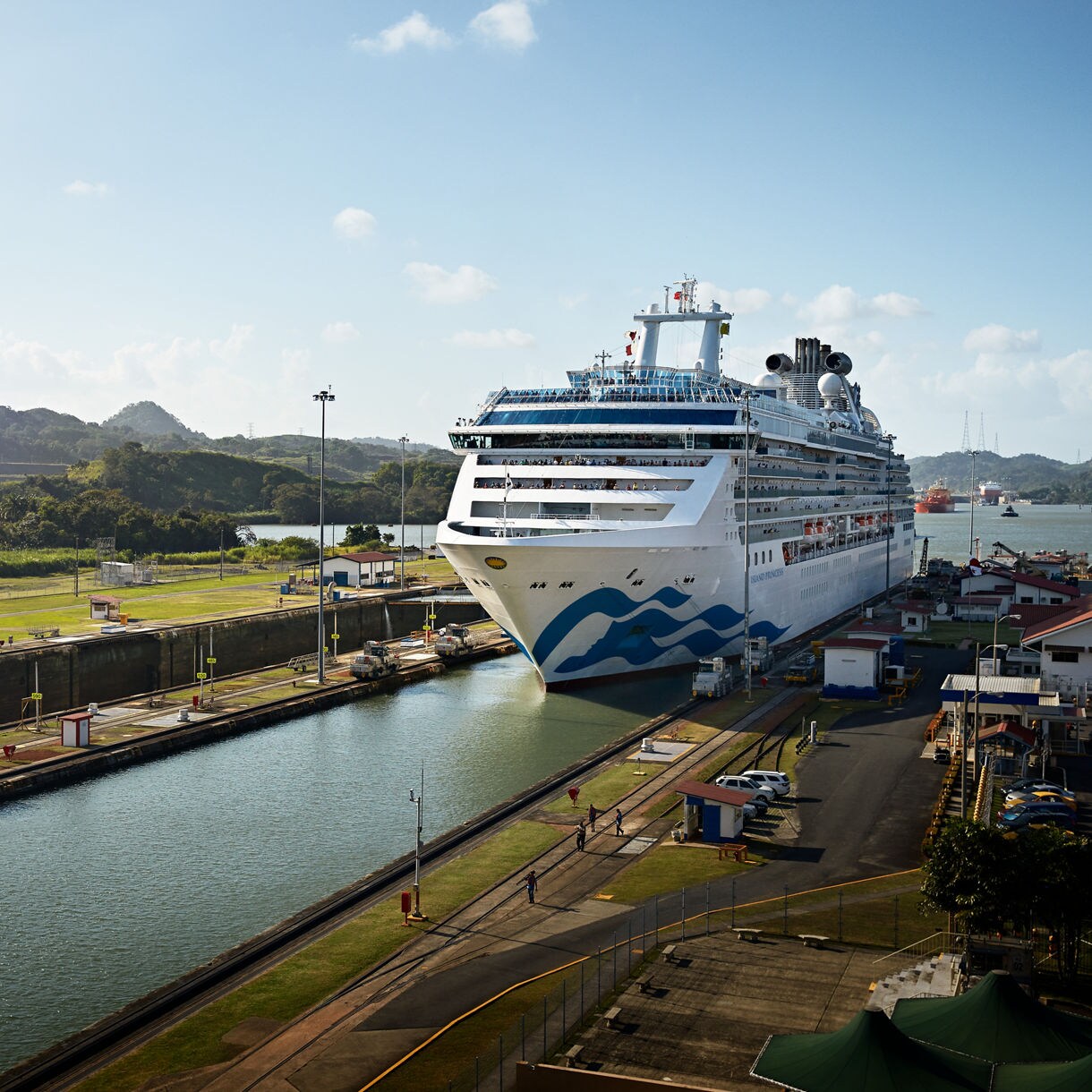
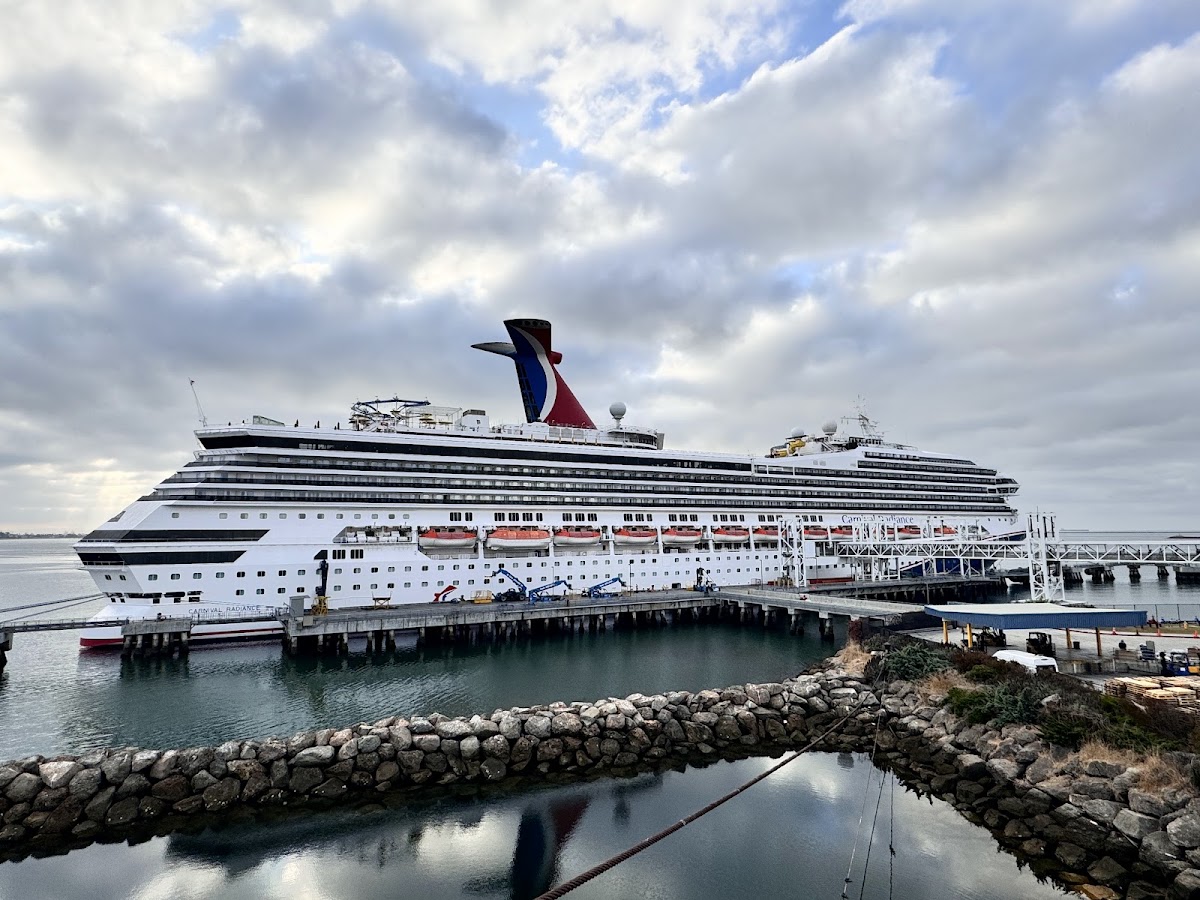
Built 2002
Fort Lauderdale · Cartagena · Panama Canal · Panama City · Puntarenas · Puerto Chiapas · Huatulco · Puerto Vallarta · Los Angeles · Hilo · Maui · Honolulu · Kauai · Pago Pago · Fiji · Dravuni Island · Port Vila · Luganville · Rabaul · Kiriwina Island · Alotau · Cairns · Airlie Beach · Brisbane · Sydney · Auckland · Tauranga · Christchurch · Dunedin · Hobart · Adelaide · Perth · Darwin · Bali · Lembar · Singapore · Phuket · Langkawi · Penang · Kuala Lumpur · Ho Chi Minh City · Cam Ranh · Ha Long Bay · Hong Kong · Keelung · Miyakojima · Kagoshima · Kochi · Osaka · Tokyo · Miyako · Kushiro · Anchorage · Sitka · Juneau · Ketchikan · Vancouver
Built 2002
Los Angeles · Hilo · Maui · Honolulu · Kauai · Pago Pago · Fiji · Dravuni Island · Port Vila · Luganville · Rabaul · Kiriwina Island · Alotau · Cairns · Airlie Beach · Brisbane · Sydney · Auckland · Tauranga · Christchurch · Dunedin · Hobart · Adelaide · Perth · Darwin · Bali · Lembar · Singapore · Phuket · Langkawi · Penang · Kuala Lumpur · Ho Chi Minh City · Cam Ranh · Ha Long Bay · Hong Kong · Keelung · Miyakojima · Kagoshima · Kochi · Osaka · Tokyo · Miyako · Kushiro · Anchorage · Sitka · Juneau · Ketchikan · Vancouver
Built 2002
Los Angeles · Hilo · Maui · Honolulu · Kauai · Pago Pago · Fiji · Dravuni Island · Port Vila · Luganville · Rabaul · Kiriwina Island · Alotau · Cairns · Airlie Beach · Brisbane · Sydney · Auckland
Built 2002
Los Angeles · Hilo · Maui · Honolulu · Kauai · Pago Pago · Fiji · Dravuni Island · Port Vila · Luganville · Rabaul · Kiriwina Island · Alotau · Cairns · Airlie Beach · Brisbane · Sydney
Built 2002
Los Angeles · Hilo · Maui · Honolulu · Kauai · Pago Pago · Fiji · Dravuni Island · Port Vila · Luganville · Rabaul · Kiriwina Island · Alotau · Cairns · Airlie Beach · Brisbane · Sydney · Auckland · Tauranga · Christchurch · Dunedin · Hobart · Adelaide · Perth · Darwin · Bali · Lembar · Singapore
Built 2002
Los Angeles · Hilo · Maui · Honolulu · Kauai · Pago Pago · Fiji · Dravuni Island · Port Vila · Luganville · Rabaul · Kiriwina Island · Alotau · Cairns · Airlie Beach · Brisbane · Sydney · Auckland · Tauranga · Christchurch · Dunedin · Hobart · Adelaide · Perth · Darwin · Bali · Lembar · Singapore · Phuket · Langkawi · Penang · Kuala Lumpur · Ho Chi Minh City · Cam Ranh · Ha Long Bay · Hong Kong · Keelung · Miyakojima · Kagoshima · Kochi · Osaka · Tokyo · Miyako · Kushiro · Anchorage · Sitka · Juneau · Ketchikan · Vancouver
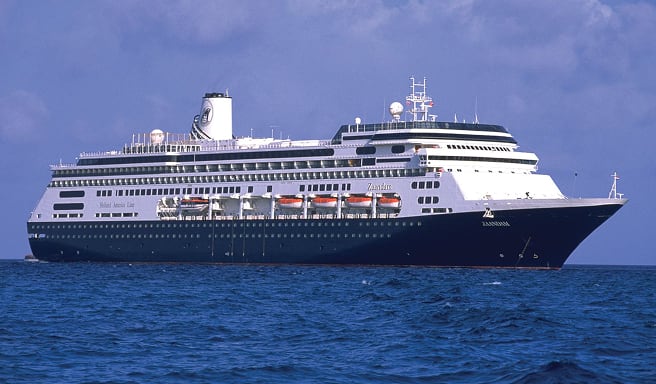
Built 2000
San Diego · Maui · Kona · Honolulu · Pago Pago · Apia · Fiji · Lautoka · Lifou · Nouméa · Mystery Island · Port Vila · Honiara · Rabaul · Alotau · Kiriwina Island · Cairns · Ribbon Reef · Darwin · Broome · Exmouth · Perth · Albany · Adelaide · Kangaroo Island · Melbourne · Hobart · Port Arthur · Sydney · Milford Sound · Dunedin · Timaru · Wellington · Tauranga · Auckland · Bay of Islands · Nuku'alofa · Bora Bora · Raiatea · Moorea · Tahiti · Fakarava · Nuku Hiva
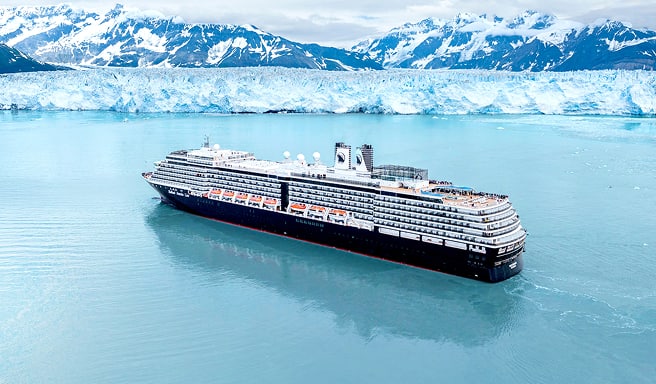
Built 2004
Sydney · Tangalooma · Townsville · Cairns · Alotau · Kiriwina Island · Rabaul · Honiara · Santo · Port Vila · Mystery Island · Lautoka · Fiji · Nuku'alofa · Bay of Islands · Auckland · Tauranga · Napier · Wellington · Picton · Christchurch · Dunedin · Hobart · Melbourne
Built 2004
Sydney · Tangalooma · Townsville · Cairns · Alotau · Kiriwina Island · Rabaul · Honiara · Santo · Port Vila · Mystery Island · Lautoka · Fiji · Nuku'alofa · Bay of Islands · Auckland
Built 2002
Honolulu · Kauai · Pago Pago · Fiji · Dravuni Island · Port Vila · Luganville · Rabaul · Kiriwina Island · Alotau · Cairns · Airlie Beach · Brisbane · Sydney
History travelers who prefer tangible remains over a polished exhibit.
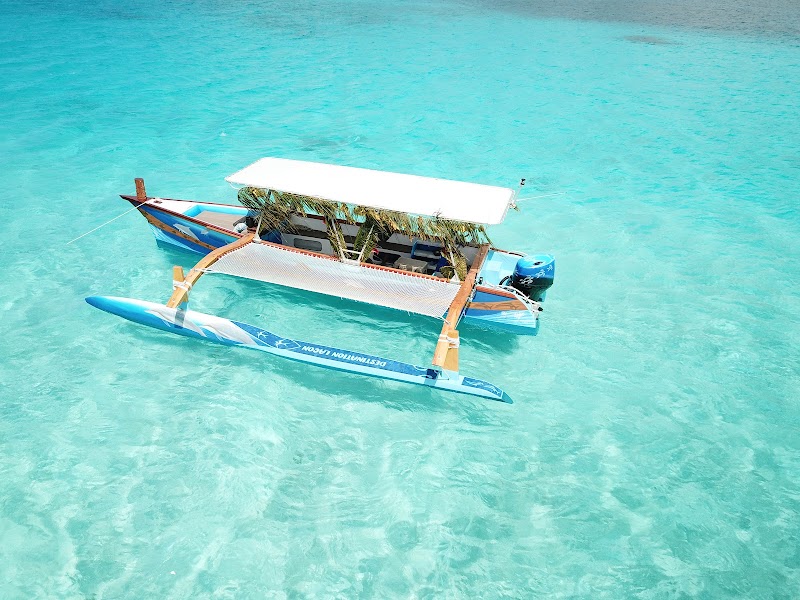
Lagoon canoe trips are the active way to see Kiriwina from the water without turning the day into a standard snorkel transfer. Paddling traditional outriggers with local guides gives the shoreline, lagoon, and nearby islands a slower rhythm than a motorized loop. It fits travelers who want movement but still want the day to feel rooted in local practice. If you are choosing between this and a village visit, ask what you need more after ship time: conversation and context on land, or a physical reset on the water.
A canoe trip works well with one focused cultural stop, not a packed checklist.
A Trobriand cricket match is the kind of port experience that makes no sense as a box to tick and complete sense once you are watching it. The local version is ceremonial and performative, with dances built into the sport, so it lands closer to cultural event than casual game. Choose it if you want movement, sound, and social energy rather than another overlook. Because this is an event-style experience, it is best thought of as a priority when it is part of the day's local program, not as filler between larger stops.
You want a cultural performance with real local personality and motion.
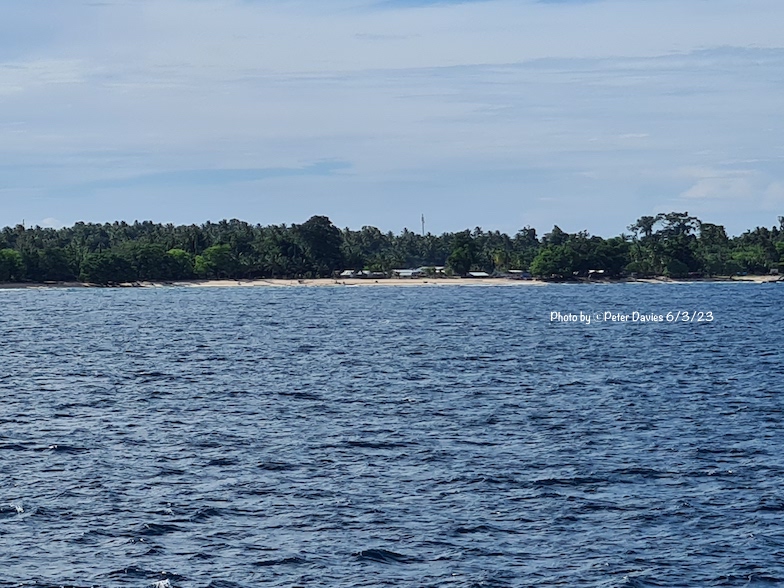
Remote Atoll Snorkel is the cleanest argument for making Kiriwina a water day. The draw is reef time in a setting described for lively marine life and a more untouched feel, which is exactly what many Pacific Islands itineraries promise but not every port can deliver. This suits confident water people, photographers chasing color, and anyone who wants the island to be more sensory than scheduled. If you also want cultural context, keep the snorkel plan focused rather than stacking every beach and lagoon option into one rushed circuit.
Travelers who would rather spend the stop in the water than moving between land sights.
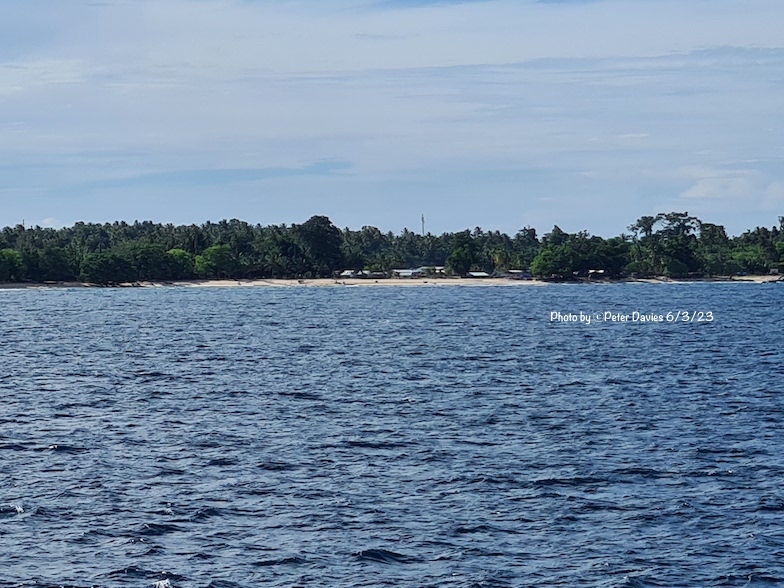
Kavataria Mission works as a gentler cultural stop, especially if you want a community setting without making the whole day a deep dive into one tradition. The old church, cultural center, and dance elements give the visit clear focal points, which helps on a cruise call where attention and time are limited. It is a strong fit for travelers who prefer hosted encounters over self-directed wandering. Pair it with a craft session or village visit if culture is the point of the day; pair it with water only if you are keeping the schedule lean.
A manageable culture stop when you want structure but not a full-day deep dive.
Watch elaborate ceremonial cricket with dances. Unique sport. Tribal spectacle.
Old church, cultural center with dances. Community welcome. Melanesian heritage.
Craft Kula valuables with locals. Beaded treasures. Artisan bond.
Guided to private plots, learn rituals. Agricultural mystery. Earth rituals.