JP
Cruises to Kanmon Strait
Kanmon Strait is a compact Japan call with industrial water views, retro streets, castle history, and one genuinely odd undersea walk.
Upcoming visits
7
Best fare
$347 per night
Kanmon Strait is a compact Japan call with industrial water views, retro streets, castle history, and one genuinely odd undersea walk.
Find Kanmon Strait on Google Maps before you plan the port day.
Kanmon Strait is not a big-ticket city stop, and that is the point. The appeal is the compressed geography: Honshu and Kyushu facing each other across busy water, with Kitakyushu and Shimonoseki giving you a mix of old port architecture, castle history, shrines, aquariums, and bridge views. If your itinerary only marks this as scenic cruising, stay on deck and treat the strait itself as the event. If you have time ashore, do not overbuild the day. The strongest plan is a tight loop with one visual anchor and one easy add-on.
The best choices depend on your travel style. Photographers should aim for Moji-ko's preserved streets or the Kanmon Kaikyo Bridge. History people get more from Kokura Castle and Akama Jingu Shrine than from a generic city wander. Families can make the aquarium the low-stress centerpiece. For the traveler who likes a story, the Kanmon Pedestrian Tunnel is the flex: a short walk under the sea between Japan's main islands. This is a port where novelty beats checklist tourism, so choose the experience you will still describe at dinner.
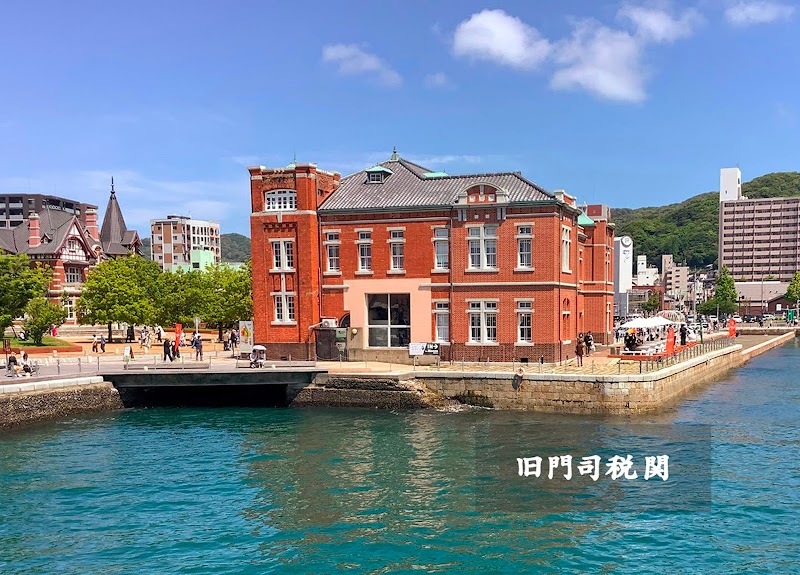
Moji-ko Retro District is the easiest win if you want a cruise day with atmosphere rather than logistics. Its preserved Taisho-era buildings, cafes, and old-port facades give you a strong visual hit without needing a complicated plan. Because it is a short train ride from port, it works well as a first stop or as the whole point of a lighter day ashore. Come for photos, a coffee break, and that specific old-Japan-meets-harbor texture that feels different from larger Japanese city calls.
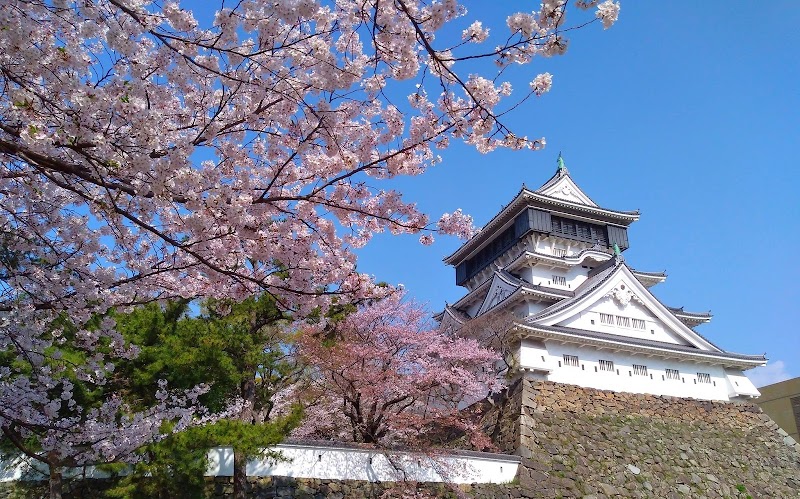
Kokura Castle is the pick for travelers who want a clear cultural centerpiece, not just a pretty walk. The reconstructed samurai castle, gardens, and museum give the area a historical spine, and the climb adds city views to the itinerary. It fits especially well if your Japan cruise has been heavy on coastal scenery and you want something more structured ashore. Prioritize it over a loose wander if you like context, architecture, and a contained stop that feels complete without eating up the entire day.
Preserved Taisho-era buildings in Kitakyushu with retro architecture and cafes. Photos and atmosphere evoke old Japan. Short train from port.
Reconstructed samurai castle in Kitakyushu with gardens and museum. Climb for city views. Historical heart of the area.
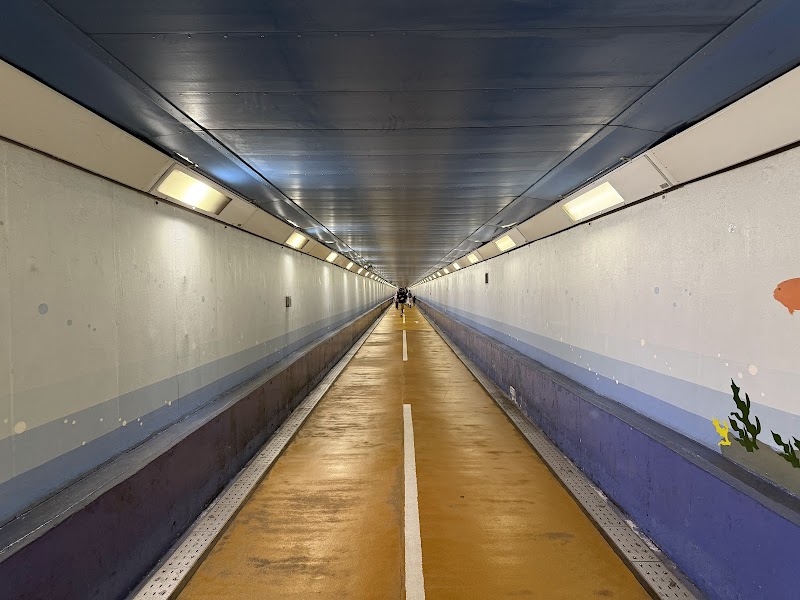
World's first undersea walking tunnel connecting Honshu and Kyushu. Stroll 780m for the thrill—15-min walk each way. Unique cross-strait experience from Shimonoseki side.
Penguin exhibits and whale shark tank focused on Kanmon sea life. Interactive and family-friendly. Marine highlight.
Current sailings visiting this port, sorted by the lowest tracked cabin price per night.
Built 2004
Tokyo · Nagoya · Toba · Tokushima · Kochi · Nagasaki · Busan · Kanmon Strait · Hiroshima · Beppu
Built 2004
Tokyo · Nagoya · Toba · Tokushima · Kochi · Nagasaki · Busan · Kanmon Strait · Hiroshima · Beppu · Wakayama · Kagoshima · Yatsushiro
Built 2004
Tokyo · Toba · Wakayama · Kochi · Kagoshima · Yatsushiro · Busan · Kanmon Strait · Hiroshima
Built 2004
Tokyo · Toba · Kochi · Busan · Nagasaki · Kagoshima · Matsuyama · Aburatsu · Kobe · Nagoya · Tokushima · Kanmon Strait · Hiroshima · Beppu
Built 2004
Tokyo · Toba · Wakayama · Kochi · Kagoshima · Yatsushiro · Busan · Kanmon Strait · Hiroshima · Miyako · Hakodate · Aomori · Akita · Niigata · Kanazawa · Sakaiminato · Nagasaki · Mount Fuji
Built 2004
Tokyo · Beppu · Hiroshima · Kanmon Strait · Busan · Nagasaki · Aburatsu · Kochi · Kobe · Yatsushiro · Kagoshima · Matsuyama · Osaka · Tokushima · Mount Fuji
Built 2004
Tokyo · Beppu · Hiroshima · Kanmon Strait · Busan · Nagasaki · Aburatsu · Kochi · Kobe
The Kanmon Pedestrian Tunnel is the strait's best oddball experience: the world's first undersea walking tunnel, linking Honshu and Kyushu below the water. The walk is 780 meters, about 15 minutes each way, so it is manageable if your plan is already centered on the Shimonoseki side. This is not the prettiest stop, but it may be the most memorable. Choose it if you like infrastructure, border-crossing bragging rights, or travel moments that sound slightly unreal when you explain them later.
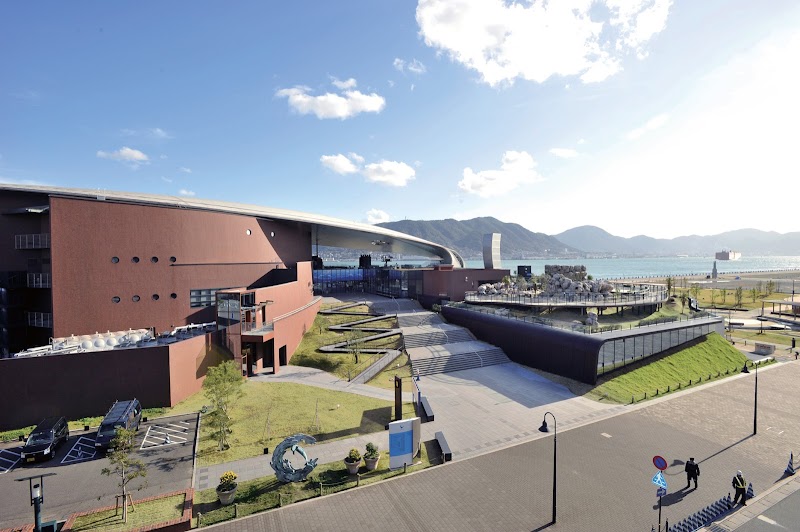
Shimonoseki Aquarium Kaikyokan is the practical choice when you need a day that works for mixed ages and mixed energy levels. The focus on Kanmon sea life keeps it tied to the place, while penguin exhibits and a whale shark tank give it enough spectacle for passengers who are not museum people. It is a smart priority for families, rainy-day planners, or anyone who wants an indoor-heavy stop instead of stacking transit and outdoor sightseeing.
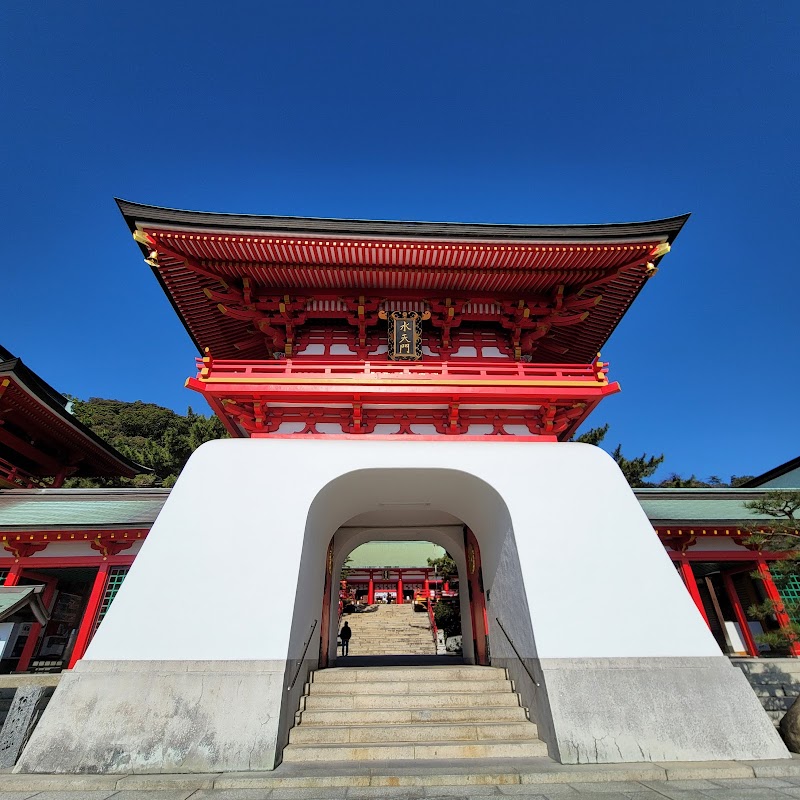
Akama Jingu Shrine gives the Shimonoseki side a quieter cultural layer. Dedicated to Emperor Antoku, the shrine is best approached as a pause rather than a box to check: grounds, lanterns, and enough historical weight to reward a slower walk. It fits well after a more active stop, especially if you are already nearby for the pedestrian tunnel or aquarium. Prioritize it if you want calm, photos with detail, and a cultural stop that does not require a full history lecture to appreciate.
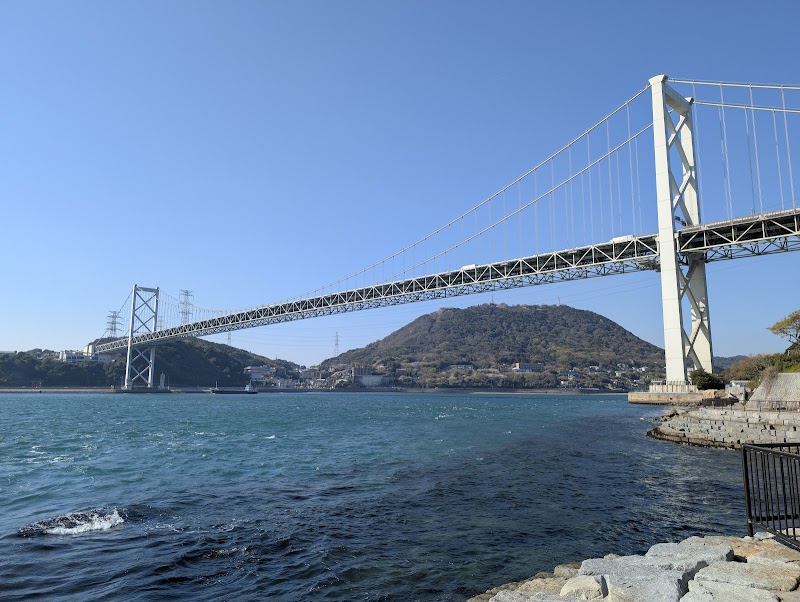
Kanmon Kaikyo Bridge is the image that makes the geography click: a suspension bridge over a strait busy with movement. It is not an attraction you need to overplan as a standalone mission unless you are chasing photos, but it works beautifully as the visual punctuation to a day around the water. Look for viewpoints rather than trying to turn it into a long detour. For travelers who care about engineering, shipping lanes, and big-scale port scenery, this is the shot to get.
Historic shrine honoring Emperor Antoku with beautiful grounds. Peaceful stroll and lanterns. Cultural stop in Shimonoseki.
Iconic suspension bridge views—best from Tsunoshima or viewpoints. Photo ops of strait traffic. Engineering wonder.
Park at strait tip with shrine and tide views. Sunset spot. Relaxed green space.
Modern market hall with street food and local crafts. Try fugu sashimi safely. Culinary adventure.