PT
Cruises to Horta
Horta rewards cruise travelers who trade checklist sightseeing for marina culture, crater views, and one sharp island plan.
Upcoming visits
1
Best fare
$153 per night
Horta rewards cruise travelers who trade checklist sightseeing for marina culture, crater views, and one sharp island plan.
Find Horta on Google Maps before you plan the port day.
Horta is not a big-city cruise call, and that is the appeal. The port puts you into an Atlantic island mood fast: painted marina walls, yacht traffic, volcanic backdrops, and cafes that feel built for people who arrived by sea. A good day here is less about racing between landmarks and more about choosing the version of Faial that fits your energy. Stay low-key around the harbor, go hard on a volcanic landscape, or commit to the water if wildlife is the reason you booked an Azores itinerary.
The main decision is whether to keep the day centered on Horta itself or use your port time for Faial's bigger scenery. The marina and Peter Cafe Sport make an easy cultural pairing, with scrimshaw, sailor lore, and the kind of visual detail that actually sticks after the cruise. Capelinhos Volcano and the Caldeira hike are the dramatic moves, but they deserve a plan and a weather check. Whale watching can be brilliant for ocean-minded travelers, as long as you are comfortable building the day around a single timed outing.
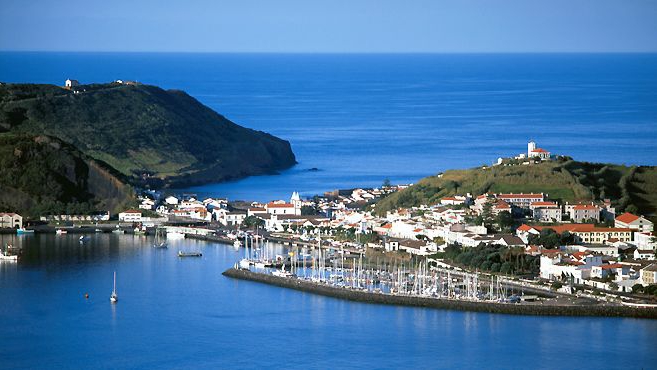
Horta Marina is the obvious first read on the port. If you only give Horta an unfocused hour, spend it here rather than burying yourself indoors. The painted harbor walls turn the marina into an open-air logbook, with boat murals, names, routes, and small acts of sailor identity layered across the concrete. It fits travelers who like ports with working-waterfront texture, not just tidy viewpoints. Use it as your anchor before a cafe stop or island drive, because it gives Horta its identity in minutes: arrivals, departures, and the Atlantic in between.
The marina explains Horta faster than any formal introduction.
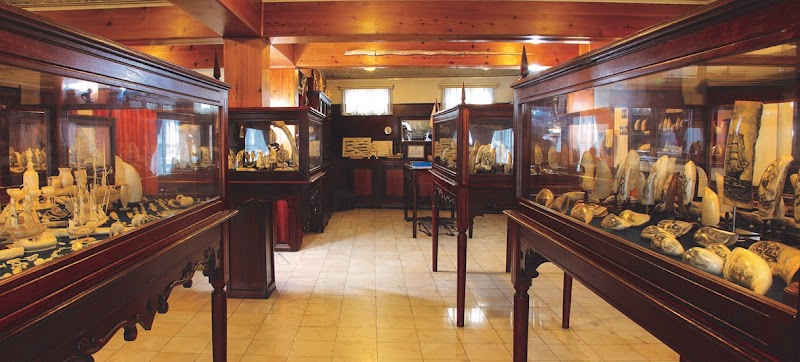
Peter Cafe Sport is not just a famous drink stop; it is a compact piece of Horta's ocean mythology. The draw is the mix: a bar with yachtie lore and a scrimshaw museum focused on whalebone carvings. That combination makes it useful for cruise passengers who want culture without committing the whole day to a museum circuit. Go when you want a social, nautical pause after the marina, or when weather makes the wilder island plans less attractive. It is best treated as a character stop, not as your only Horta experience.
Scrimshaw museum/bar with whalebone carvings; yachtie legend. Porto Santo souvenir. Nautical icon.
World-famous harbor painted with boat murals; watch arrivals. Sailor art gallery. Vessel haven.
1957 eruption site with buried lighthouse; jeep/walk trails. Moonscape drama. Volcanic wonder.
Azorean endemics, hydrangea hedges; peaceful paths. Floral rainbow. Endemic blooms.
Current sailings visiting this port, sorted by the lowest tracked cabin price per night.
Pair it with Horta Marina for an easy sea-culture loop.
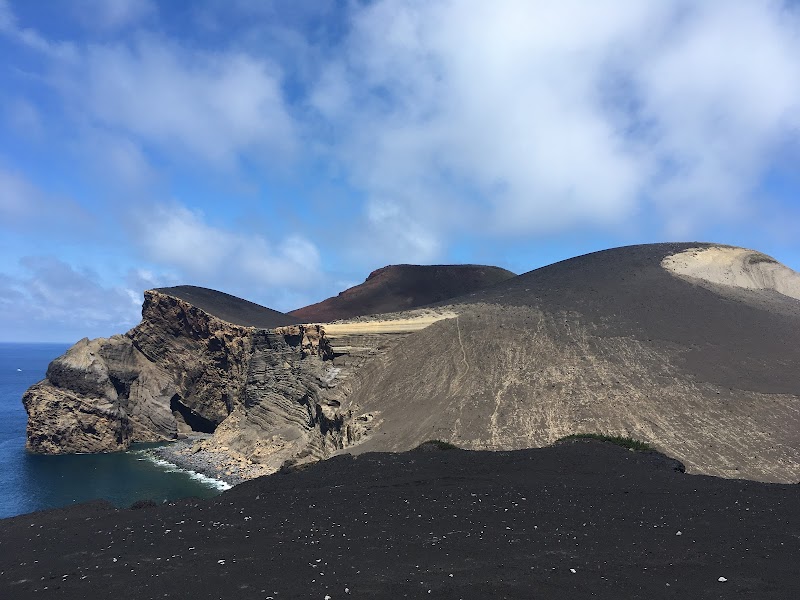
Capelinhos Volcano is the port's most cinematic move. This is the choice for travelers who want the Azores to look unlike anywhere else on the itinerary. The 1957 eruption left a stark volcanic landscape and a buried lighthouse, so the payoff is texture: ash-colored ground, exposed geology, and a sense of a coast that was recently remade. Jeep and walking options make it flexible, but it is still a bigger commitment than staying around the harbor. Prioritize it if you are choosing one headline excursion from Horta, especially over softer sightseeing.
If you want one bold visual memory from Horta, make it Capelinhos.
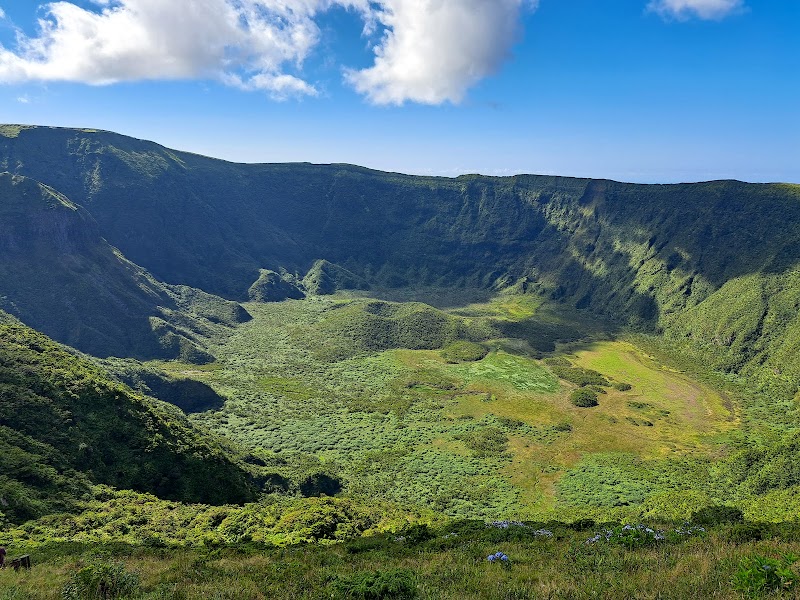
The Caldeira hike is for the port-day crowd that packs real shoes. It is less about a single monument and more about being on the edge of the island's volcanic scale. The rim walk brings crater viewpoints, and on the right day the cloud layers become part of the view rather than a problem. For cruise passengers, this is worth prioritizing only if you actually want to walk and are comfortable letting weather influence the payoff. Pairing it with another major outing can turn the day into logistics; let it be the main event if landscape is your goal.
Caldeira is spectacular when the views cooperate, but it should not be an afterthought.
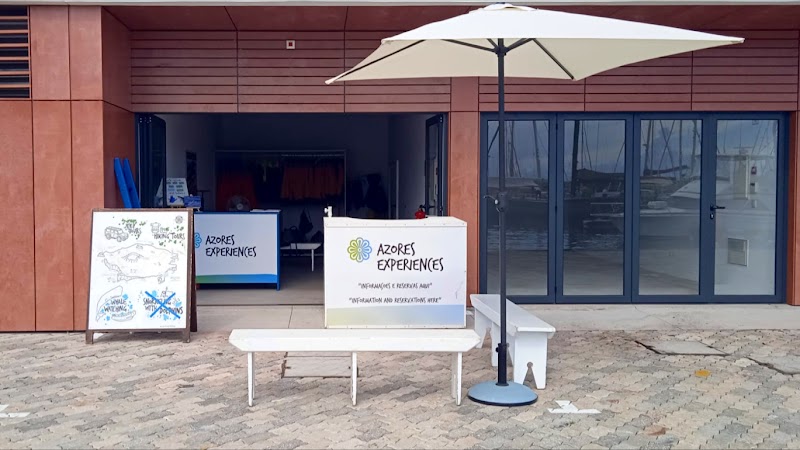
Whale watching is the highest-variance choice in Horta, which is exactly why some travelers should put it first. The possibility of sperm whales and dolphins gives the day a real Atlantic edge, but sightings and sea conditions are never a checklist item. Choose an ethical operator and treat the tour as the main structure of your port call, not something to squeeze between three land stops. It fits wildlife people, photographers, and anyone who would rather remember one open-ocean moment than a tidy sampler of town sights.
A whale watching tour works best when the rest of the day stays flexible.
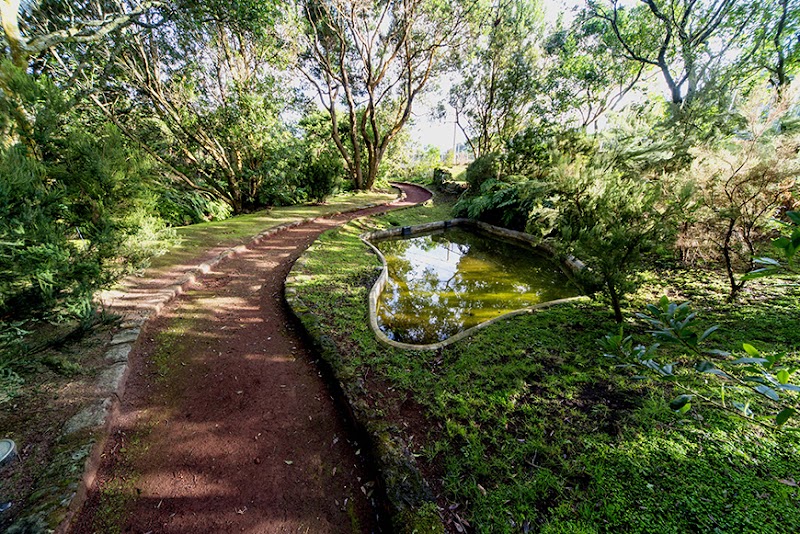
Faial Botanical Garden is the reset button. It is a strong pick for travelers who want island nature without turning the stop into a crater hike or full-day excursion. The appeal is smaller scale: Azorean endemic plants, hydrangea hedges, and paths that let you slow down after several busy ports. It will not out-drama Capelinhos, and that is the point. Use it as a gentler nature plan, a weather-flexible alternative, or a second stop if your day is already built around Horta rather than the farthest volcanic scenery.
Choose the garden when you want Azorean nature without a big excursion feel.
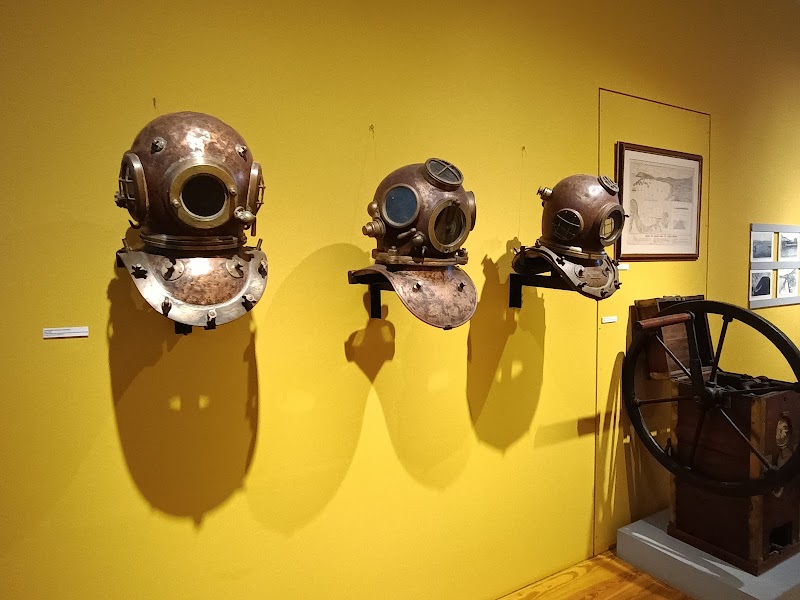
Horta Regional Museum works best as the port day's indoor layer. Its mix of scrimshaw, volcanic geology, and ex-convent setting connects the two big Horta themes: sea culture and restless land. This is not the stop to choose if you only want big views, but it is useful when weather cuts into outdoor plans or when you want context before seeing Capelinhos. For curious travelers, it gives the island's details a place to land, especially after the marina has already supplied the visual hook.
Use the museum when weather or timing pushes you toward an indoor stop.
Spot sperm whales, dolphins from Pico; ethical operators. Oceanic giants. Marine quest.
17th-c baroque with blue tiles; Imperio festivals. Sacred art. Historic faith.
Scrimshaw, volcanic geology; ex-convent. Island tales. Curio trove.
Rim walk crater viewpoints; clouds below. Epic panorama. Caldera edge.