
PG
Cruises to Honiara
Honiara rewards cruise passengers who pick a focused lane: market life, WWII history, reef time, or a low-key nature escape.
Upcoming visits
3
Best fare
$459 per night
Honiara rewards cruise passengers who pick a focused lane: market life, WWII history, reef time, or a low-key nature escape.
Find Honiara on Google Maps before you plan the port day.
Honiara is not a polished resort port, and that is the point. A day here feels more immediate: waterfront market stalls, shell jewelry from outer islands, political landmarks, wartime traces, and lagoon water that can turn a short taxi ride into the best part of the call. The port works best for travelers who like texture over a packaged promenade. Do not try to force it into a shopping-and-beach template unless that is genuinely what you want; the stronger plan is to choose one main experience and let the city stay a little rough around the edges.
For a cruise stop, Honiara is manageable if you keep the geography tight. Central sights can be handled on foot or with short rides, while beaches, snorkel spots, gardens, wildlife, and waterfall stops need taxis or organized transport. The priority decision is simple: stay close for market culture and compact history, or head out for water and greenery. If you are drawn to WWII history, local craft, and places that still feel lived-in, Honiara can be a memorable call. If you need a fully choreographed port day, book an excursion and keep expectations grounded.

Central Market is the easiest way to understand Honiara quickly. It sits by the water and moves at port-city speed: produce, fish, shell jewelry, carved pieces from outer islands, and the kind of bargaining that makes souvenir shopping feel less like a transaction and more like a small negotiation. This is best for travelers who want local color without committing the whole day to transport. Go early if you want energy, browse with small purchases in mind, and leave room for local fish BBQ if eating ashore is part of your plan.
Use the market as your orientation point before deciding whether the rest of the day is culture, coast, or a quick landmark loop.

Bonegi Beach is the clearest pick if your Honiara day needs saltwater. The appeal is not just a pretty shoreline; the beach is known for WWII shipwreck snorkeling and calm lagoon conditions, which gives the stop more character than a generic swim break. It is a taxi ride south of town, so treat it as a main event rather than a quick add-on. This works for snorkelers, couples, and anyone coming off several sea days who wants a picnic-style beach stop with some history under the surface.
Vibrant waterfront market with fresh produce, shell jewelry, and carvings from outer islands. Haggle for souvenirs; eat local fish BBQ. Bustling port hub.
Pristine WWII shipwreck beach for snorkeling and picnics; calm lagoon waters. Taxi 20 mins south; classic cruise excursion spot.
Modern government building with free tours explaining Solomon Islands politics; great views over Iron Bottom Sound. Symbolic of post-WWII independence, near port. Quick landmark visit.
Artifacts from 30,000 years of history including Lapita pottery and shell money. Compact exhibits with English labels. 10-min walk.
Current sailings visiting this port, sorted by the lowest tracked cabin price per night.
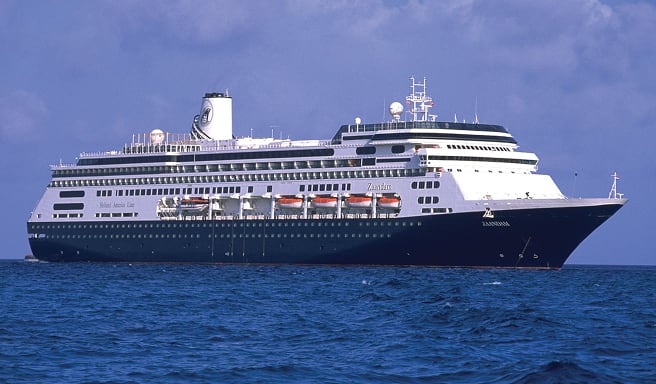
Built 2000
San Diego · Maui · Kona · Honolulu · Pago Pago · Apia · Fiji · Lautoka · Lifou · Nouméa · Mystery Island · Port Vila · Honiara · Rabaul · Alotau · Kiriwina Island · Cairns · Ribbon Reef · Darwin · Broome · Exmouth · Perth · Albany · Adelaide · Kangaroo Island · Melbourne · Hobart · Port Arthur · Sydney · Milford Sound · Dunedin · Timaru · Wellington · Tauranga · Auckland · Bay of Islands · Nuku'alofa · Bora Bora · Raiatea · Moorea · Tahiti · Fakarava · Nuku Hiva
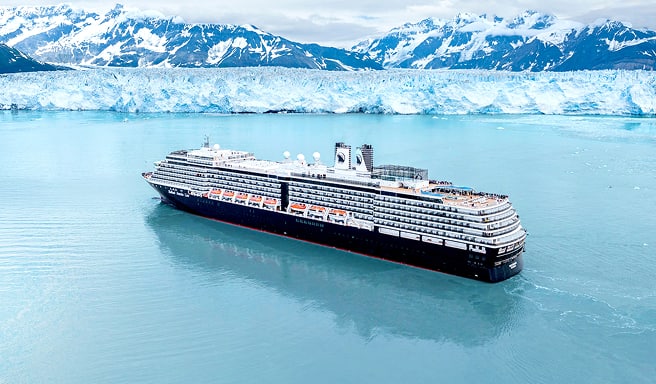
Built 2004
Sydney · Tangalooma · Townsville · Cairns · Alotau · Kiriwina Island · Rabaul · Honiara · Santo · Port Vila · Mystery Island · Lautoka · Fiji · Nuku'alofa · Bay of Islands · Auckland · Tauranga · Napier · Wellington · Picton · Christchurch · Dunedin · Hobart · Melbourne
Built 2004
Sydney · Tangalooma · Townsville · Cairns · Alotau · Kiriwina Island · Rabaul · Honiara · Santo · Port Vila · Mystery Island · Lautoka · Fiji · Nuku'alofa · Bay of Islands · Auckland
Build the day around Bonegi rather than trying to squeeze it between too many central sights.

The National Museum is a smart stop because it does not demand a huge time investment. Its compact exhibits cover a long sweep of Solomon Islands history, including Lapita pottery and shell money, with English labels that make it practical for cruise passengers moving independently. Since it is close enough for a short walk from the port area, it pairs well with Central Market or a central church stop. Choose it if you prefer your port day to have a little grounding before the beach photos and souvenir bags take over.
If the weather turns or you want shade, the museum gives the day structure without locking you into a long tour.

National Parliament is a quick landmark that makes sense when you want more than a market loop but less than an all-day excursion. The building is tied to the Solomon Islands' post-WWII independence story, and tours explain the country's politics in a way that adds context to the port call. The bonus is the view over Iron Bottom Sound, which gives the stop a visual payoff. Prioritize it if you like civic landmarks, viewpoints, and history that connects the island setting to the country you are visiting now.
Pair it with the museum if you want a compact, context-heavy Honiara day.

St. Barnabas Cathedral is not the flashiest stop on the map, but it is useful for exactly that reason. The Anglican cathedral offers colorful stained glass, a central location, and views toward Guadalcanal, making it an easy reset between busier stops. It fits travelers who like quiet interiors, architecture, or a moment of stillness without leaving town. If your group is splitting interests, this is also a low-friction add-on: one person can photograph the glass while another simply takes a breather before heading back into the city.

If Honiara's traffic and market noise are not your lane, look inland. The Botanical Gardens offer a small-scale intro to tropical plants, birdwatching trails, and WWII relics, with a quieter feel than the waterfront. Mataniko Falls is the more active version: a taxi ride out, a short hike, and a swimming hole at the end. These are better for nature-minded travelers who are comfortable leaving the immediate port zone. Choose one, not both, unless you have a solid transport plan and plenty of buffer before all-aboard.
Pick the gardens for an easier walk, or Mataniko Falls if you want the day to feel more active.
Anglican cathedral with colorful stained glass and Guadalcanal views. Quiet reflection spot. Central location.
Small gardens with tropical plants and WWII relics; birdwatching trails. Peaceful walk, taxi from port. Local flora intro.
Nearby resort with pools and cultural shows; day pass for cruise passengers. Beach BBQ lunch option. Relaxed vibe.
Mini-zoo with cassowaries, fruit bats, and crocs; conservation focus. Family-friendly, 20 mins out. Unique fauna.