CL
Cruises to Easter Island
Hanga Roa makes a cruise stop feel like an actual expedition: moai by the water, crater-rim ritual sites, red quarry rock, and raw Pacific edges.
Upcoming visits
6
Best fare
$348 per night
Hanga Roa makes a cruise stop feel like an actual expedition: moai by the water, crater-rim ritual sites, red quarry rock, and raw Pacific edges.
Find Easter Island on Google Maps before you plan the port day.
Hanga Roa is the rare cruise port where the headline sight is not an excursion gimmick; it is the reason to cross the Pacific. Rapa Nui rewards travelers who care about place, texture, and stories that do not fit into a quick postcard read. The moai are the obvious draw, but the best stop also includes crater-rim ceremony sites, red volcanic quarry rock, sea caves, and a small town seafood pause. If your ideal port day is beach-chair simple, this may not be your easiest win. If you want a call that feels genuinely singular, it is hard to beat.
The trick is to keep the day focused. Hanga Roa gives you a walkable moai option near port, but the island's deeper context sits farther out at places like Orongo, Puna Pau, Ahu Akivi, and Vinapu. A guided plan matters most for the ceremonial and archaeological sites, where the details change what you are looking at. Do not try to turn the stop into a checklist of every statue and stone wall. Pick one major cultural route, leave room for the waterfront, and let the landscape breathe a little.
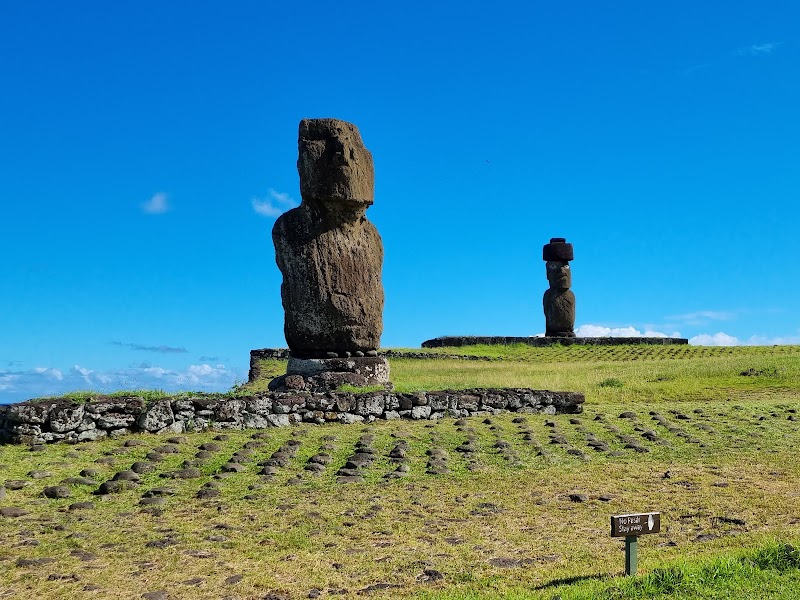
Ahu Tahai is the low-friction, high-impact choice for cruise passengers: a waterfront row of five moai, some with restored Pukao hats, and it is walkable from port. That matters on an island where the biggest rewards can involve moving around carefully. If your call timing lines up with late light, this is the place to linger, because the ocean setting gives the statues real scale. First-timers should treat it as a priority, especially if they want a meaningful Rapa Nui moment without committing the whole stop to a longer excursion.
Walkable moai views make Ahu Tahai the safest first move for a short or flexible port day.
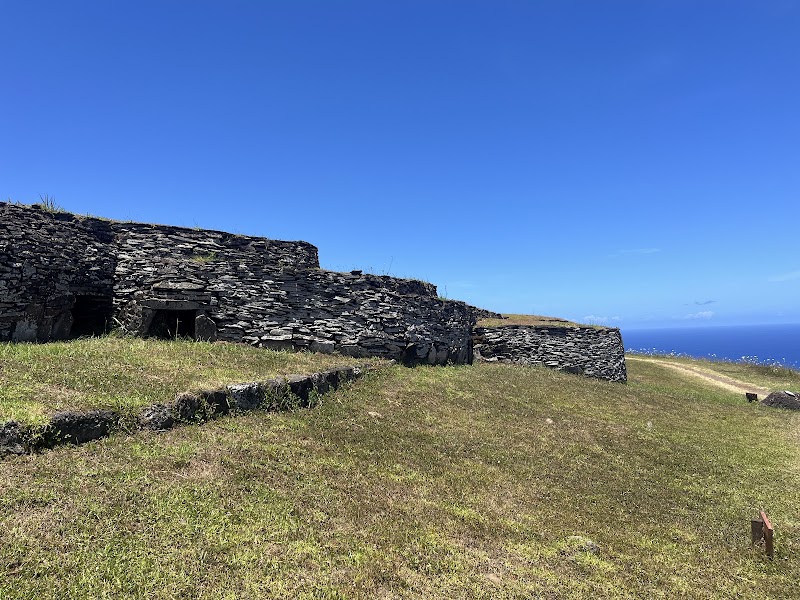
Orongo Ceremonial Village is where the day stops being only about statues. Set on the rim of Rano Kau crater, this UNESCO site brings in birdman houses and petroglyphs, so the visual hit comes with a sharper cultural frame. This is not the place to wander through half-informed and hope it clicks; it is best with a guide who can connect the carvings, village remains, and landscape. Choose Orongo if you want Rapa Nui to feel less like a photo stop and more like a living historical puzzle.
Iconic row of five moai statues with restored Pukao hats at sunset. Waterfront sunset ceremony views. Walkable from port.
UNESCO site with birdman houses on Rano Kau crater rim. Petroglyphs tell ancient stories. Guided must.
Panoramic moai cluster overlooking ocean. Best photo spot. Easy access.
Red scoria rock source for moai topknots. Hike to crater quarry. Geological insight.
Current sailings visiting this port, sorted by the lowest tracked cabin price per night.
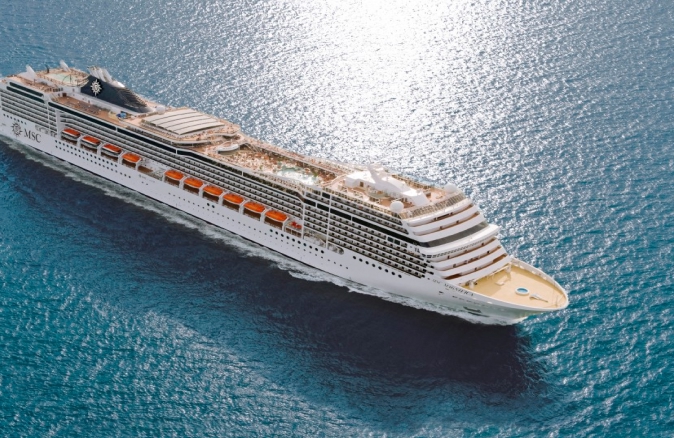
Built 2010
Santiago · Easter Island · Bounty Bay · Tahiti · Moorea · Aitutaki · Cook Islands · Bay of Islands · Auckland · Tauranga · Christchurch · Dunedin · Hobart · Sydney · Nouméa · Santo · Apia · Pago Pago · Honolulu · Los Angeles · Cabo · Puntarenas · Balboa · La Romana · Tortola · St. Maarten · Gran Canaria · Ibiza · Naples · Rome · Genoa · Marseille · Tarragona
Built 2010
Barcelona · Gibraltar · Casablanca · Mindelo · Salvador · Rio · Buenos Aires · Puerto Madryn · Port Stanley · Ushuaia · Puerto Montt · Santiago · Easter Island · Bounty Bay · Tahiti · Moorea · Aitutaki · Cook Islands · Bay of Islands · Auckland · Tauranga · Christchurch · Dunedin · Hobart · Sydney · Nouméa · Santo · Apia · Pago Pago · Honolulu · Los Angeles · Cabo · Puntarenas · Balboa · La Romana · Tortola · St. Maarten · Gran Canaria · Ibiza · Naples · Rome · Genoa · Marseille · Tarragona
Built 2010
Marseille · Barcelona · Gibraltar · Casablanca · Mindelo · Salvador · Rio · Buenos Aires · Puerto Madryn · Port Stanley · Ushuaia · Puerto Montt · Santiago · Easter Island · Bounty Bay · Tahiti · Moorea · Aitutaki · Cook Islands · Bay of Islands · Auckland · Tauranga · Christchurch · Dunedin · Hobart · Sydney · Nouméa · Santo · Apia · Pago Pago · Honolulu · Los Angeles · Cabo · Puntarenas · Balboa · La Romana · Tortola · St. Maarten · Gran Canaria · Ibiza · Naples · Rome · Genoa
Built 2010
Rome · Genoa · Marseille · Barcelona · Gibraltar · Casablanca · Mindelo · Salvador · Rio · Buenos Aires · Puerto Madryn · Port Stanley · Ushuaia · Puerto Montt · Santiago · Easter Island · Bounty Bay · Tahiti · Moorea · Aitutaki · Cook Islands · Bay of Islands · Auckland · Tauranga · Christchurch · Dunedin · Hobart · Sydney
Built 2010
Marseille · Barcelona · Gibraltar · Casablanca · Mindelo · Salvador · Rio · Buenos Aires · Puerto Madryn · Port Stanley · Ushuaia · Puerto Montt · Santiago · Easter Island · Bounty Bay · Tahiti · Moorea · Aitutaki · Cook Islands · Bay of Islands · Auckland · Tauranga · Christchurch · Dunedin · Hobart · Sydney · Nouméa · Santo · Apia · Pago Pago · Honolulu · Los Angeles
Built 2010
Genoa · Marseille · Barcelona · Gibraltar · Casablanca · Mindelo · Salvador · Rio · Buenos Aires · Puerto Madryn · Port Stanley · Ushuaia · Puerto Montt · Santiago · Easter Island · Bounty Bay · Tahiti · Moorea · Aitutaki · Cook Islands · Bay of Islands · Auckland · Tauranga · Christchurch · Dunedin · Hobart · Sydney · Nouméa · Santo · Apia · Pago Pago · Honolulu · Los Angeles · Cabo · Puntarenas · Balboa · La Romana · Tortola · St. Maarten · Gran Canaria · Ibiza · Naples · Rome
Orongo's petroglyphs and birdman context are much more valuable when someone can decode them.
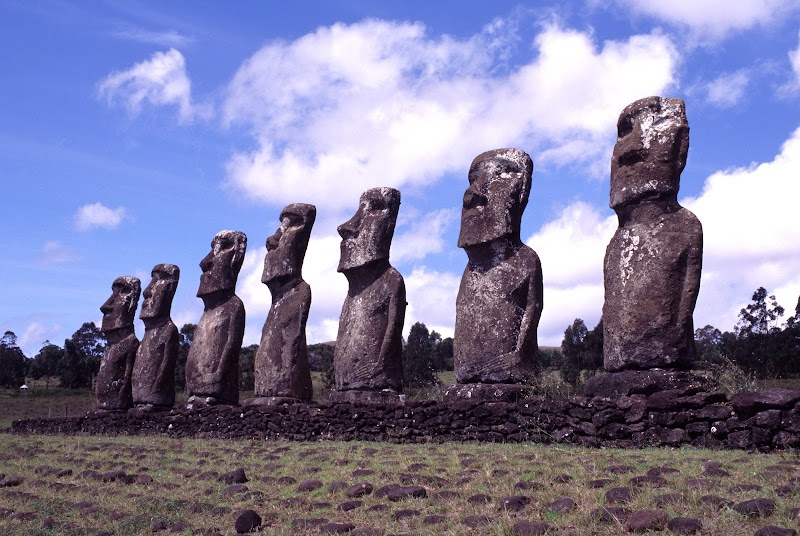
Ahu Akivi changes the usual Rapa Nui composition. Instead of moai framed directly against the waterfront, this site places seven figures inland, with an astronomical alignment that gives the stop a more enigmatic feel. It works well as a short excursion for travelers who want to move beyond the most obvious coastal views without spending the whole day in transit between sites. Photographers get symmetry; history-minded passengers get a clean, memorable site with enough specificity to stand apart from Ahu Tahai.
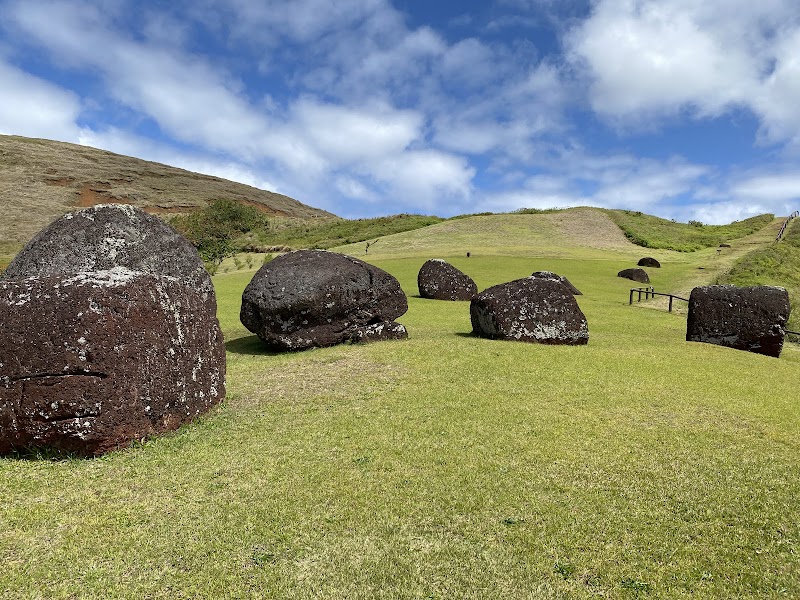
Puna Pau Quarry is not just another viewpoint; it explains part of the moai look. The red scoria from this crater quarry was the source for the topknots, so a stop here makes the restored Pukao hats elsewhere feel less decorative and more engineered. There is a hike element, which suits travelers who want some geology and movement built into the day. Prioritize it after you have seen at least one moai platform, because the quarry is most satisfying when you can connect the raw material to the finished monuments.
See a moai platform first, then Puna Pau adds the material backstory.
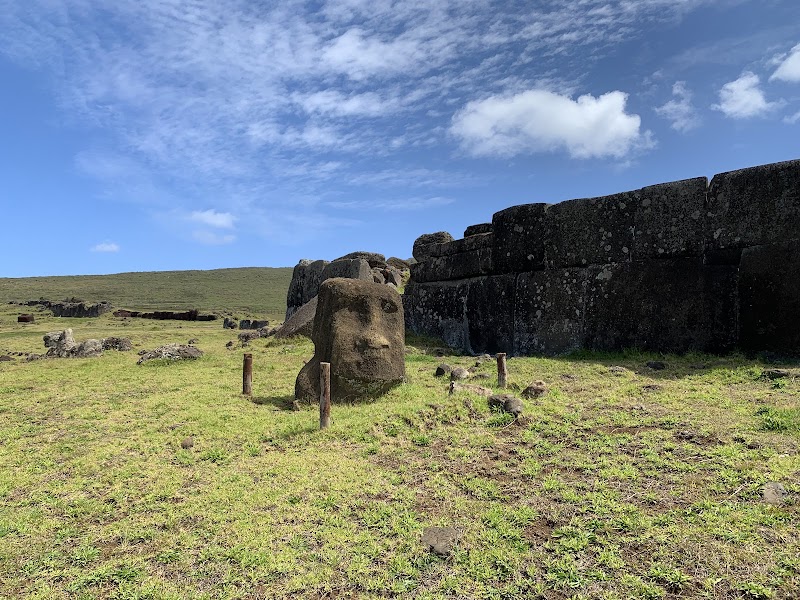
Vinapu Platform is for travelers who notice stonework before they notice souvenir stands. Its precise, Incan-like masonry is the hook, and the appeal is quieter than standing in front of a dramatic moai row. That makes it a smart second-layer stop: not necessarily the first place to send a casual visitor, but a strong choice if you are drawn to archaeological mysteries and construction detail. In a cruise-day hierarchy, pair it with a better-known site rather than letting it replace the island's more iconic visuals.
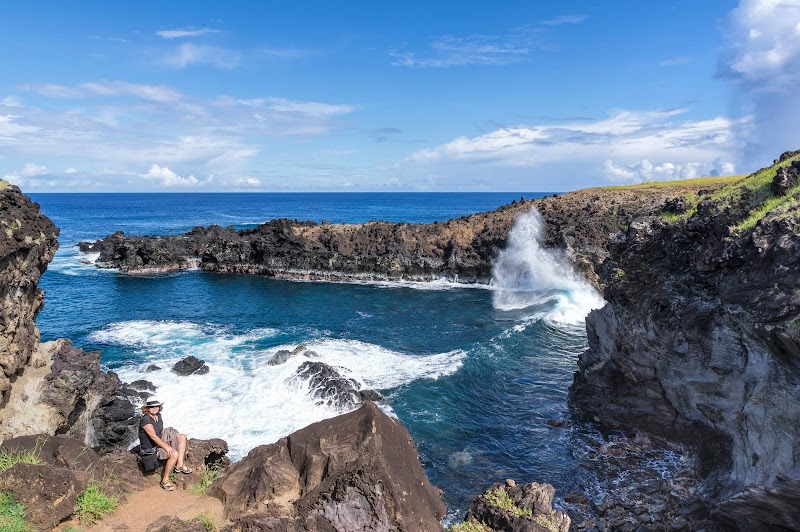
Ana Kai Tangata Cave brings the birdman theme down to eye level with cave paintings and a natural-feeling coastal setting. It is a good counterpoint to the exposed platforms and crater-rim sites, especially if you want the day to include something enclosed, textured, and close-up. The swimming pool detail also gives it a refreshing edge, though the real value is cultural rather than just scenic. Fit it in if your main route already covers the big moai moment and you want one more compact stop with a different atmosphere.
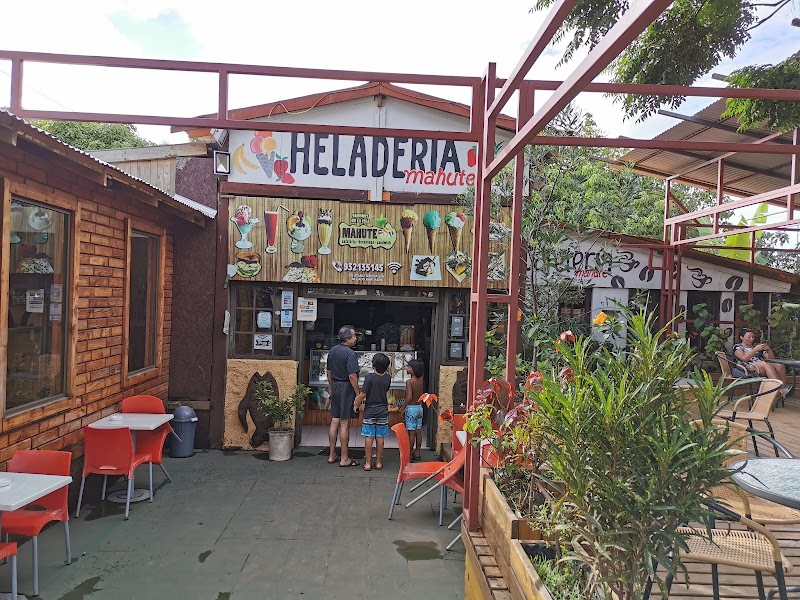
Hanga Roa's seafood restaurants are the right kind of port-day reset: fresh ceviche, tuna, and a chance to sit with local flavors after a run of archaeological sites. Do not make lunch the main event if this is your only Rapa Nui stop, but do protect time for it if your itinerary gives you enough breathing room. It is especially useful at the end of the day, when you have done the big cultural lifting and want something grounded near port instead of one more rushed photo stop.
Ceviche and tuna near port make more sense after the major sites, not instead of them.
Seven moai facing inland, astronomical alignment site. Mystical inland trek. Short excursion.
Fresh ceviche and tuna at port eateries. Local flavors. Dinner recommendation.
Incan-like stone walls mystery. Precise masonry puzzle. Archaeological gem.
Cave with birdman paintings and swimming pool. Cultural art up close. Refreshing.