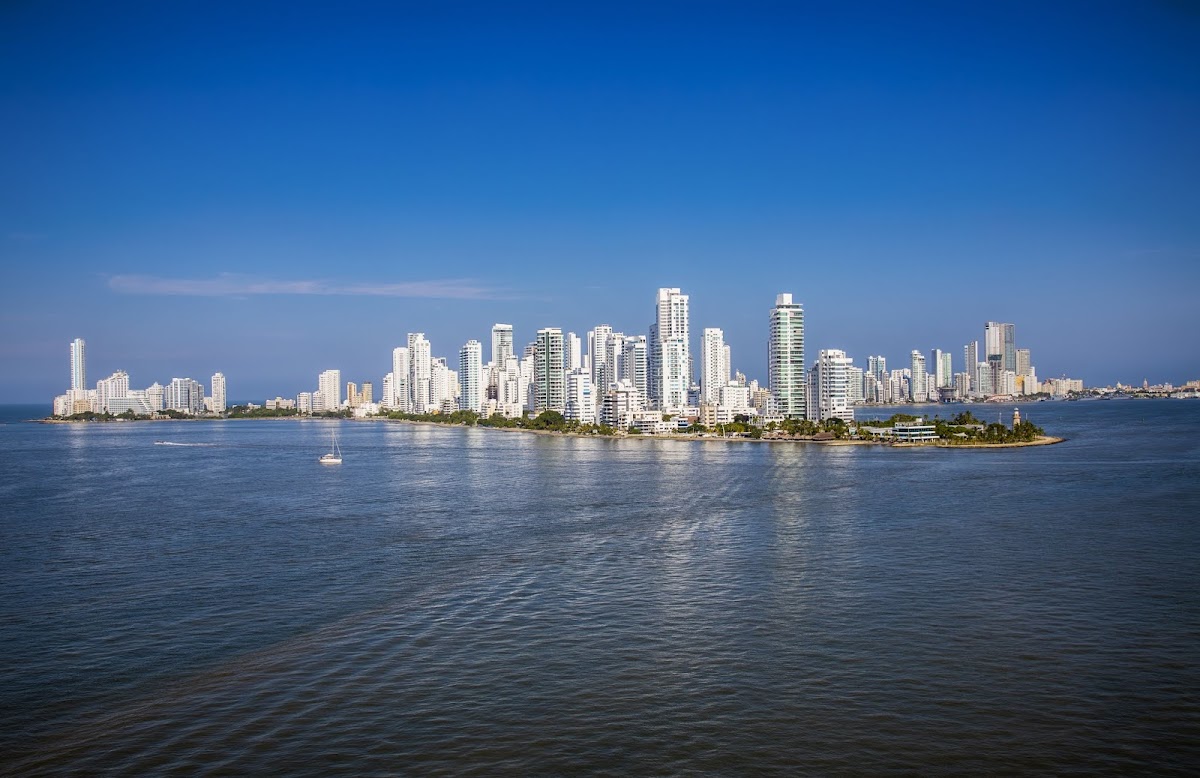
CO
Cruises to Cartagena
Cartagena is a high-impact cruise call if you trade the checklist for a tight loop of walls, plazas, murals, and one big viewpoint.
Upcoming visits
154
Best fare
$113 per night
Cartagena is a high-impact cruise call if you trade the checklist for a tight loop of walls, plazas, murals, and one big viewpoint.
Find Cartagena on Google Maps before you plan the port day.
Cartagena feels built for a port day, but not in a bland, prepackaged way. The best stops sit close enough to string together a strong few hours: the Walled City for balconies and plazas, Getsemani for murals and local edge, and Castillo San Felipe de Barajas for the kind of stone-and-cannon drama that actually looks different from every other Caribbean fort. It is a city of heat, color, and heavy history, so the move is not to sprint. Pick a route that gives you time to look up, step inside, and pause in the shade.
For cruise passengers, Cartagena is worth booking because the payoff starts quickly. You do not need a far-flung excursion to feel like you have landed somewhere distinct, though a hilltop taxi run to La Popa can add a sweeping city view if your schedule allows. First-timers should anchor the day in the Walled City and the fortress, then layer in Getsemani or a museum depending on energy. This is a port for walkers, history people, photographers, and anyone tired of interchangeable beach stops.
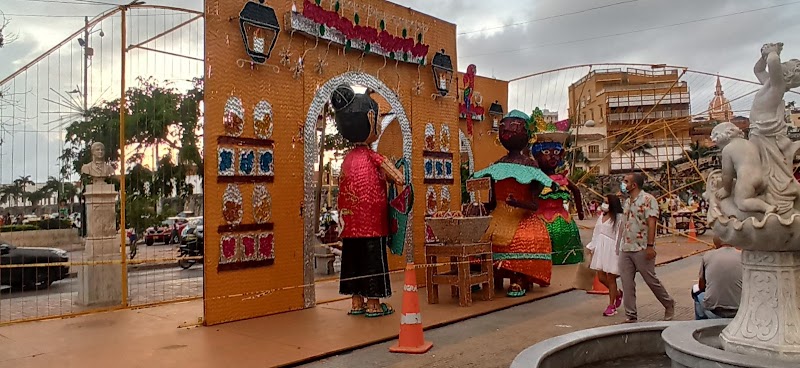
The Walled City is the easiest place to understand why Cartagena matters on a cruise itinerary. Its UNESCO old town packs colonial streets, bright balconies, plazas, and defensive walls into a walkable core from the port. This is the stop for travelers who want texture without spending the day in transit: doorways, churches, fortifications, cafes, and street life all layered together. Prioritize it early, before heat and crowds make wandering feel like work. If you only do one thing in Cartagena, make it a slow loop here rather than a rushed survey of the whole city.
Start in the Walled City, then add one nearby neighborhood or historic site instead of trying to cover everything.
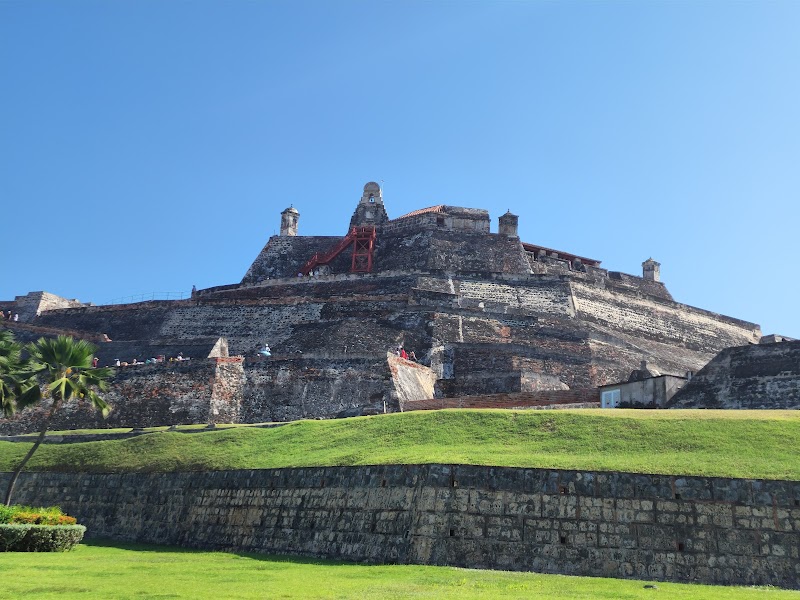
Castillo San Felipe de Barajas gives the day its muscle. The 17th-century fortress is massive, with tunnels to explore and cannon views that make the harbor defenses feel less like a history caption and more like a physical experience. It sits uphill, so this is where a shuttle or organized transfer makes sense, especially if you want to save your walking energy for the old town. Go if you like military history, big stone architecture, or panoramic photo angles. Skip the deepest tunnel wandering if you are short on time, but do not skip the exterior scale.
Climb tunnels of the massive 17th-century fortress for cannon views. Impregnable icon. Shuttle up hill.
Explore colonial streets with balconies, plazas, and forts in UNESCO old town. Vibrant history. Walk from port.
Street art, murals, and local bars in this edgy artist quarter. Authentic contrast to tourist zone. Nearby walled city.
Pirate and naval artifacts in a 1700s fort. Swashbuckling fun. Harborfront.
Current sailings visiting this port, sorted by the lowest tracked cabin price per night.
Built 2001
Mobile · Cartagena · Panama Canal · Puntarenas · Cabo · Seattle
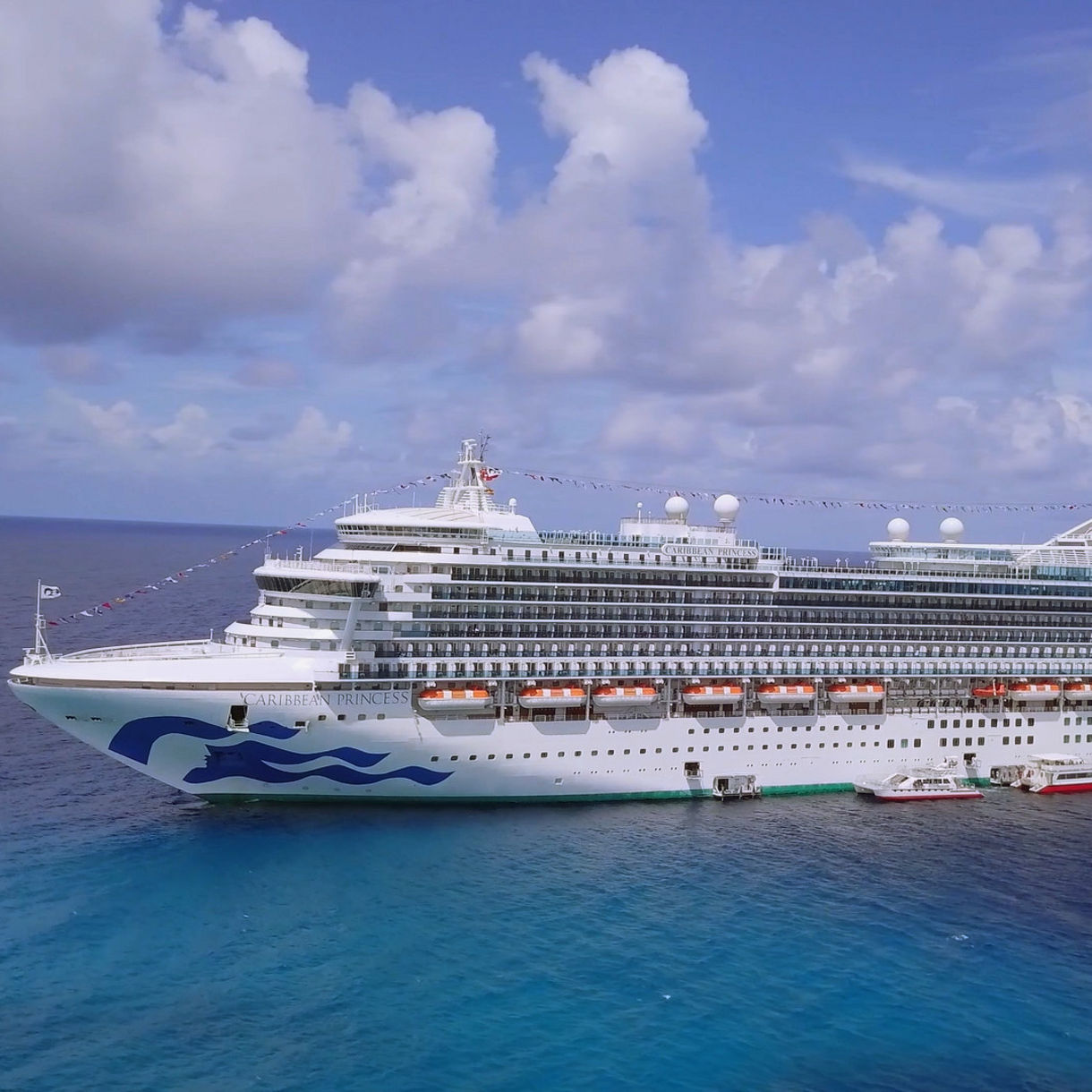
Built 2004
Fort Lauderdale · Curaçao · Cartagena · Panama Canal · Colón · Limón · Celebration Key
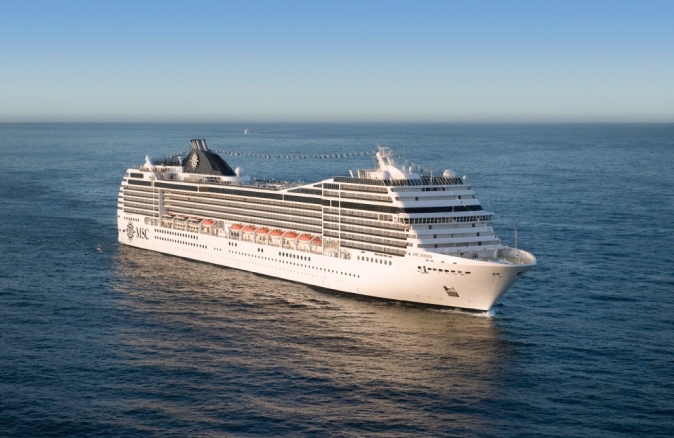
Built 2008
Miami · Ocho Rios · Cartagena · Colón · Limón · Roatán · Belize City
Built 2004
Fort Lauderdale · Aruba · Cartagena · Panama Canal · Colón · Limón · Celebration Key
Built 2002
Tampa · Santa Marta · Cartagena · Panama Canal · Acapulco · Cabo · Seattle
Built 2001
Los Angeles · Puerto Vallarta · Puerto Quetzal · Puntarenas · Cartagena · Grand Turk · Boston
Built 2008
Miami · Ocho Rios · Cartagena · Colón · Limón · Roatán · Belize City
Built 2004
Fort Lauderdale · Aruba · Cartagena · Panama Canal · Colón · Limón · Grand Cayman
Built 2008
Miami · Montego Bay · Cartagena · Colón · Limón · Roatán · Belize City
Built 2004
Fort Lauderdale · Grand Cayman · Falmouth · Cartagena · Panama Canal · Colón · Limón · Celebration Key
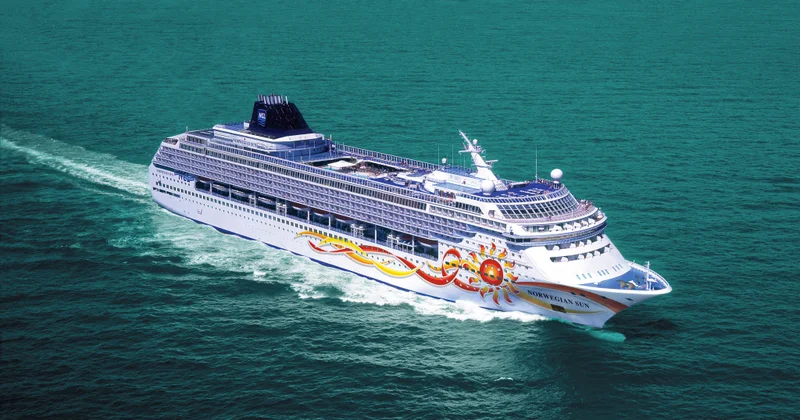
Built 2001
Miami · Great Stirrup Cay · Cartagena · Panama Canal · Limón · Falmouth · Grand Cayman
Built 2001
Miami · Great Stirrup Cay · Cartagena · Panama Canal · Limón · Falmouth · Grand Cayman
Use a shuttle or transfer for the uphill fortress, then spend your walking time inside the old city.
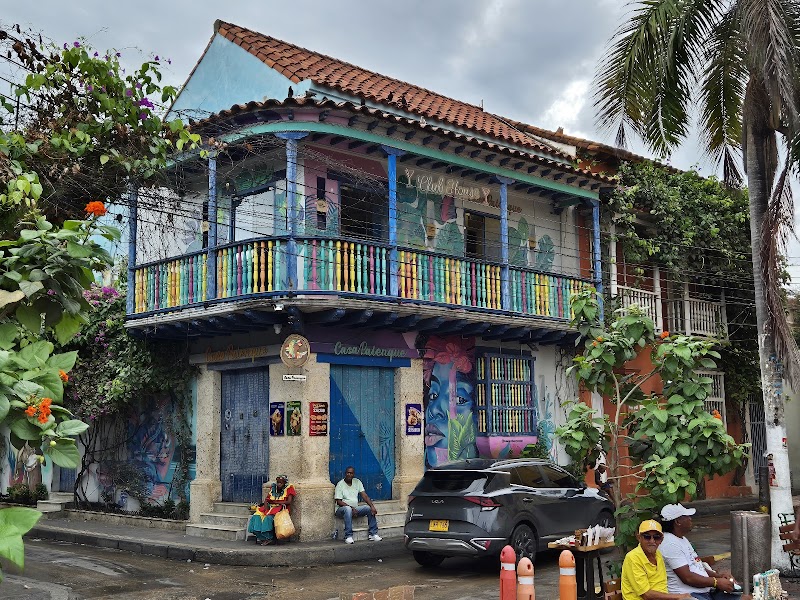
Getsemani is the right counterweight to Cartagena's polished postcard side. Near the Walled City, the neighborhood is known for street art, murals, and local bars, with a more artist-quarter feel than the main tourist zone. It fits travelers who would rather photograph walls, doors, and everyday street scenes than spend the whole day inside formal landmarks. Treat it as an add-on after the old city, not a replacement on a first visit. If your port call runs later, the bar energy becomes more relevant, but even by day the murals make it visually memorable.
Add Getsemani after the Walled City when you want murals, sharper street style, and a less polished mood.
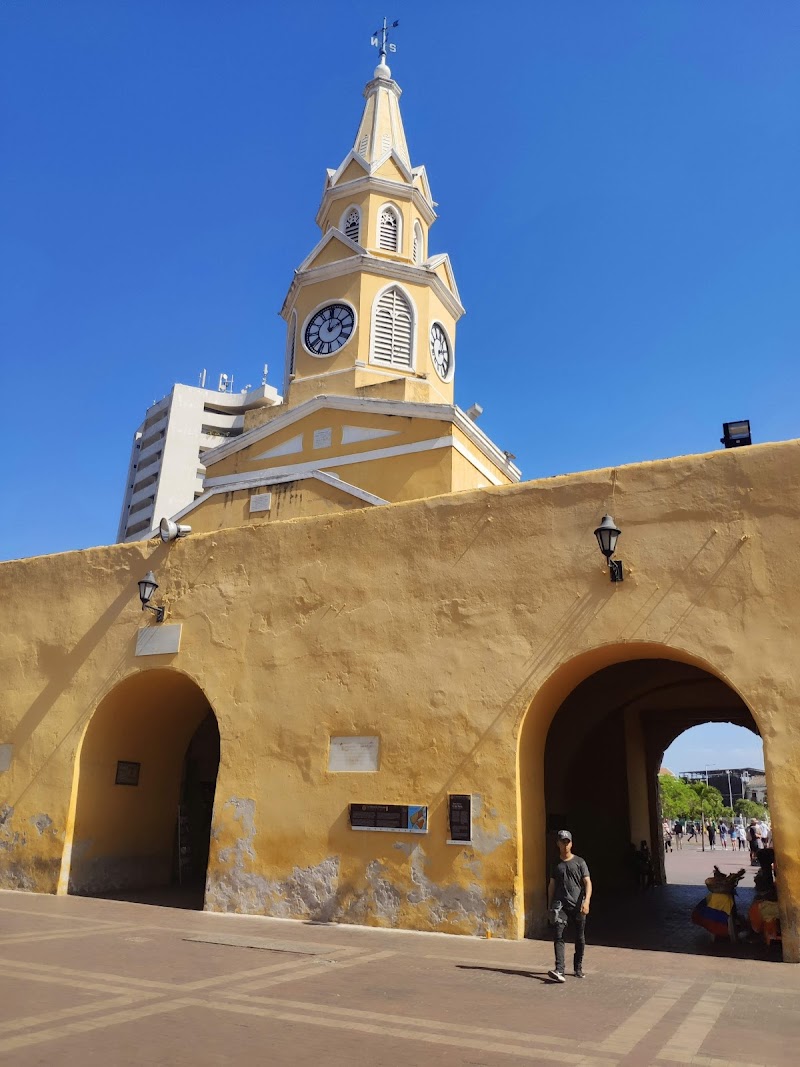
Boca del Puente and the Clock Tower work because they turn arrival into a scene. Passing through the guarded gate into the old city gives Cartagena a proper threshold, and the tower is one of the cleanest photo stops of the day. This is not a long attraction on its own; it is a way to frame the route. Use it as your entry point, meeting point, or reset between the Walled City and nearby plazas. It suits travelers who want iconic visuals without committing an hour, especially when the day is already packed with walking.
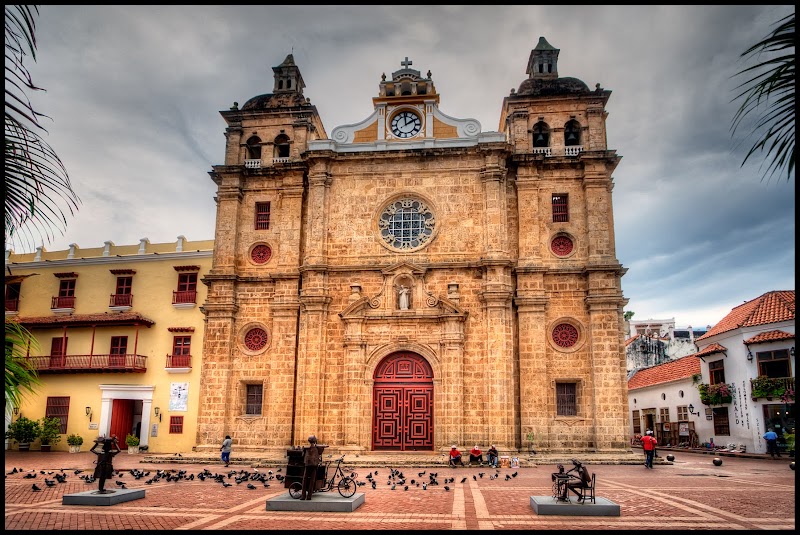
San Pedro Claver Church adds gravity to a Cartagena day that can otherwise become all balconies and photos. The baroque church holds saint's relics and connects to the city's slave history through its museum, making it a more reflective stop inside the old town. It is best for travelers who want context, not just scenery, and for anyone comfortable slowing the pace for a harder historical layer. Because it sits in the old town, it is easy to fold into a walking route. Pair it with nearby plazas rather than treating it as a separate excursion.
Cartagena is beautiful, but its history is not light. Build in at least one stop that gives the city context.
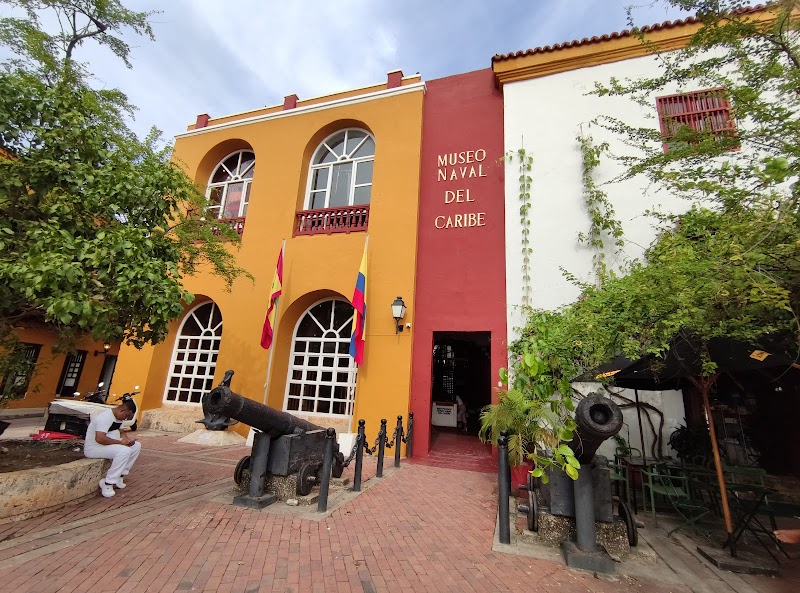
The Naval Museum of the Caribbean is the stop to choose when you want Cartagena's fortress-and-pirate narrative with a roof over your head. Set in a 1700s fort by the harborfront, it brings together naval artifacts and pirate-era material in a way that fits the city around it. This is a good pick for families, history completists, or anyone who needs a break from sun-exposed walking without abandoning the theme of the day. It is not as instantly cinematic as Castillo San Felipe, but it can make the rest of the old defenses feel more legible.
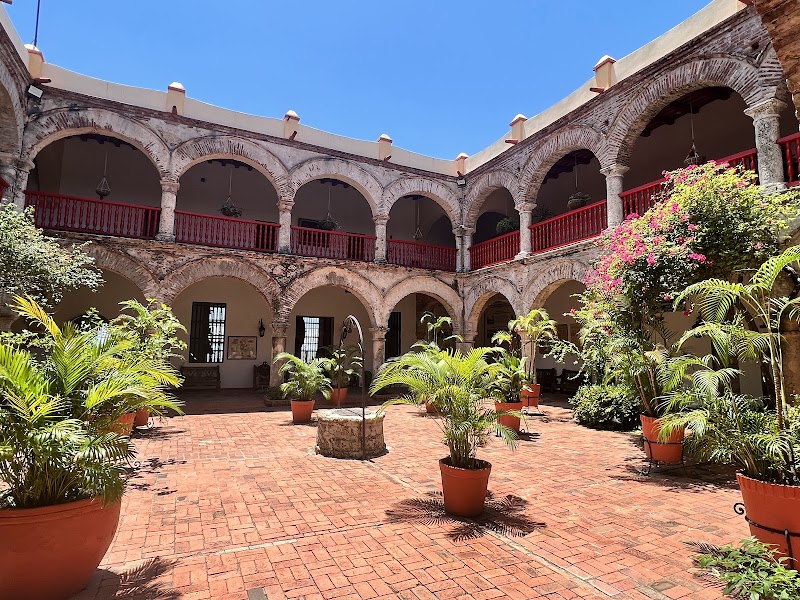
The Convent of La Popa is a different kind of Cartagena stop: less street-level texture, more big-picture payoff. The hilltop monastery has city panoramas and a gold altar, and it requires a taxi excursion rather than a casual wander. That makes it a strong choice for travelers who care about viewpoints, photography, or spiritual sites, but a weaker fit if your main goal is to absorb the Walled City on foot. Think of La Popa as a strategic upgrade when you have enough time, not a mandatory box. On a tight call, stay lower and go deeper.
La Popa is best when your schedule can absorb a taxi excursion without cutting the old town too thin.
Baroque church with saint's relics and slave history museum. Poignant colonial tale. Old town.
Pass the guarded gate into the old city with nightlife. Dramatic entry. Iconic photo.
Hilltop monastery with city panoramas and gold altar. Spiritual viewpoint. Taxi excursion.
Colonial square with slave market history and cafes. Colorful balconies. Central.