BQ
Cruises to Bonaire
Bonaire is the rare cruise stop where the smartest plan is either mostly underwater or sharply focused on one wild island landscape.
Upcoming visits
131
Best fare
$118 per night
Sailing window
October 2026 to April 2028
Cruise lines
Carnival Cruise Line, Celebrity Cruises, Disney Cruise Line, and 7 more
Port location
Find Bonaire on Google Maps before you plan the port day.
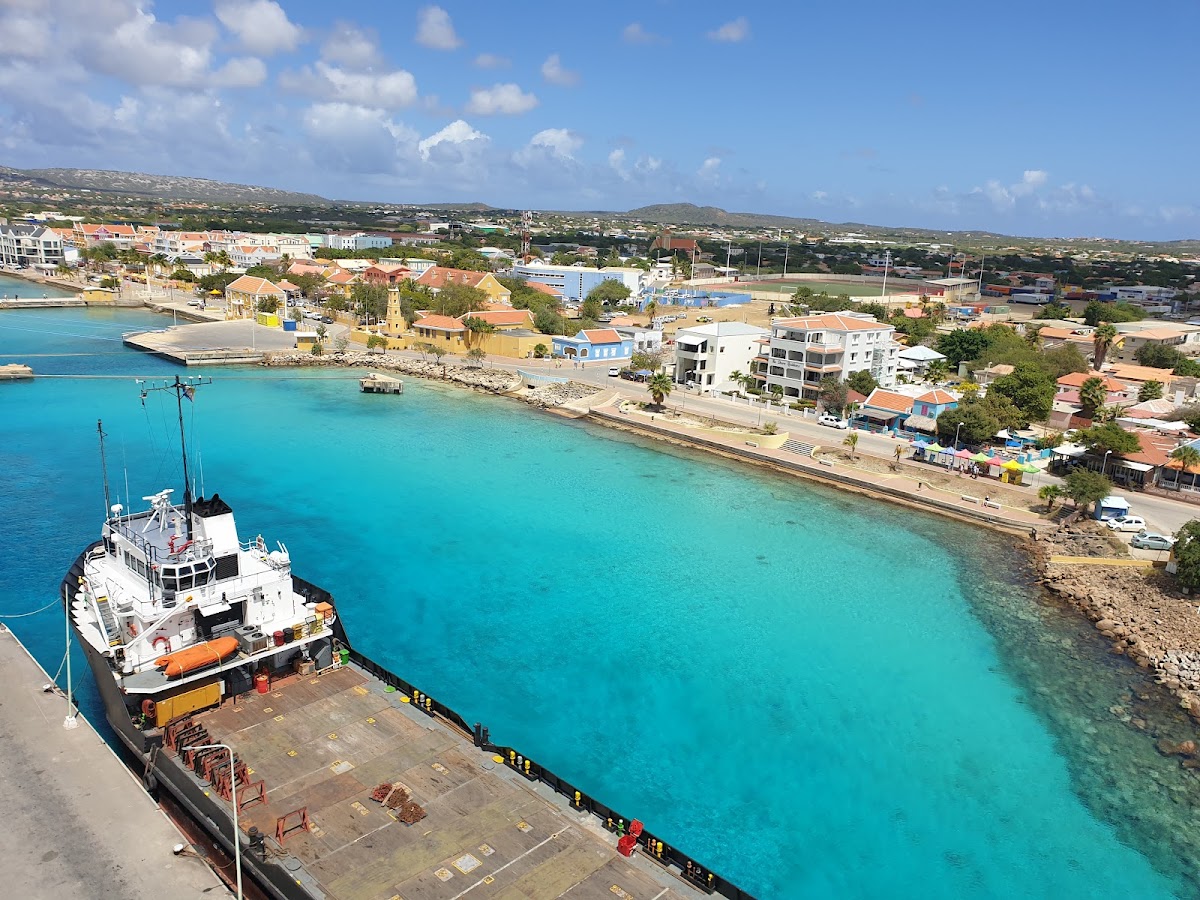
Bonaire is not trying to be the loudest port in the Caribbean, which is exactly the point. A cruise day here is built around clear water, protected reefs, salt-bright landscapes, and a compact capital that lets you keep things low-stress if you want. The island rewards travelers who choose a lane early: snorkel or dive, take a rugged inland loop, chase flamingo views, or stay close to Kralendijk for a slower waterfront day.
The main mistake is treating Bonaire like a checklist port. The best stops are specific, and many are better when you give them room instead of rushing between photo ops. If you are a water person, prioritize the marine park or 1000 Steps and make that the day. If you want something more terrestrial, the salt flats, slave huts, cactus landscapes, and wind-blown beaches give the island a look that feels completely different from the standard Caribbean beach script.
Port stop guide
Make the reefs the main event
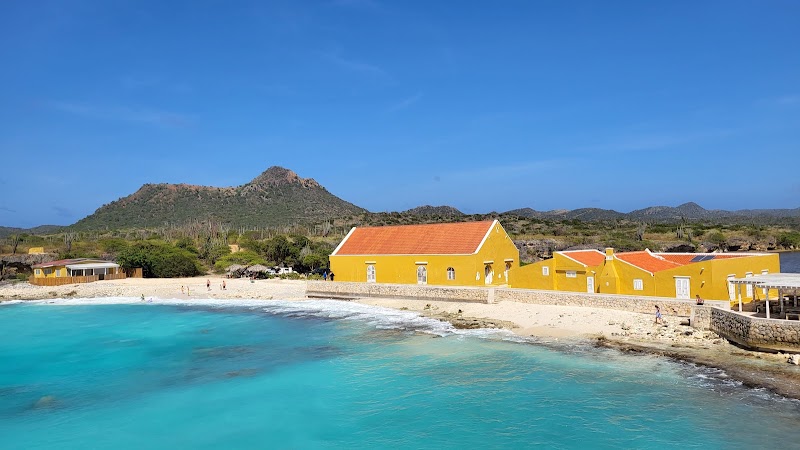
Bonaire National Marine Park is the reason many travelers get serious about this port. The island's protected reefs make shore snorkeling and diving feel less like an excursion add-on and more like the core experience. For cruise passengers, that matters because you do not need to build an overstuffed day to make the stop worthwhile. Pick a reef-focused plan, respect the protected setting, and let the underwater visibility, coral, and fish life carry the day. This is the top priority for divers, snorkelers, and anyone who would rather spend the call in the water than in a van.
Best for
Snorkelers, divers, and travelers who want Bonaire at its most distinctive.
Port stop guide
Go classic at 1000 Steps
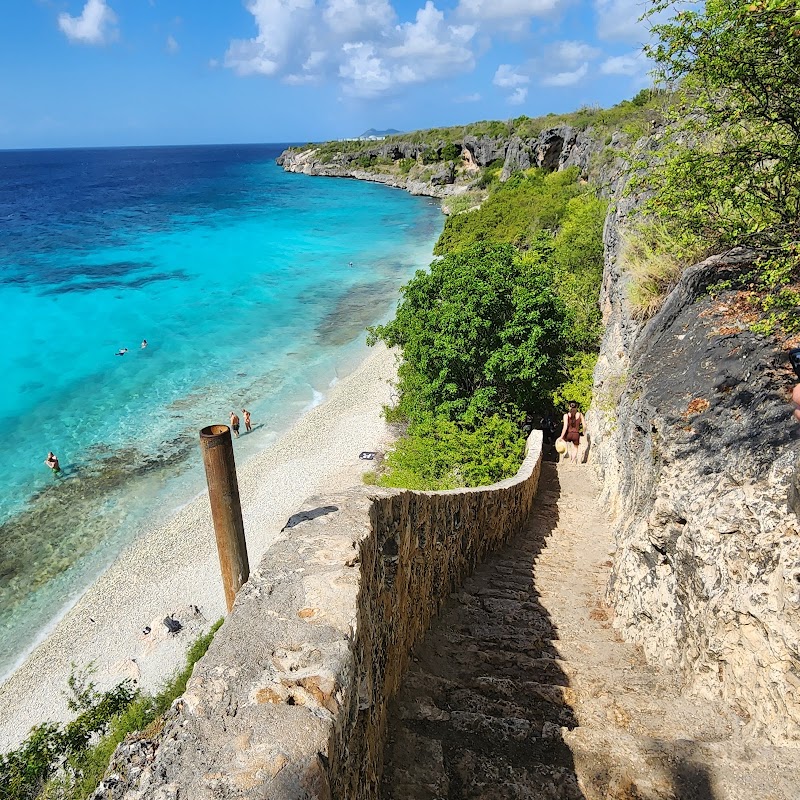
1000 Steps is Bonaire's iconic shore-snorkel stop, with stairs leading down to pale sand, reef, and a dramatic drop-off. It is a strong choice if you want a single, memorable water stop instead of hopping around the island. The appeal is visual before you even get in: the coast, the steps, and the water all set up that satisfying port-day photo without needing a manufactured attraction. It fits confident snorkelers, shore divers, and travelers who are happy with a simple setup as long as the reef is the headline.
Prioritize if
You want one signature Bonaire water stop rather than a broad island sampler.
Port stop guide
Use Kralendijk as your easy reset
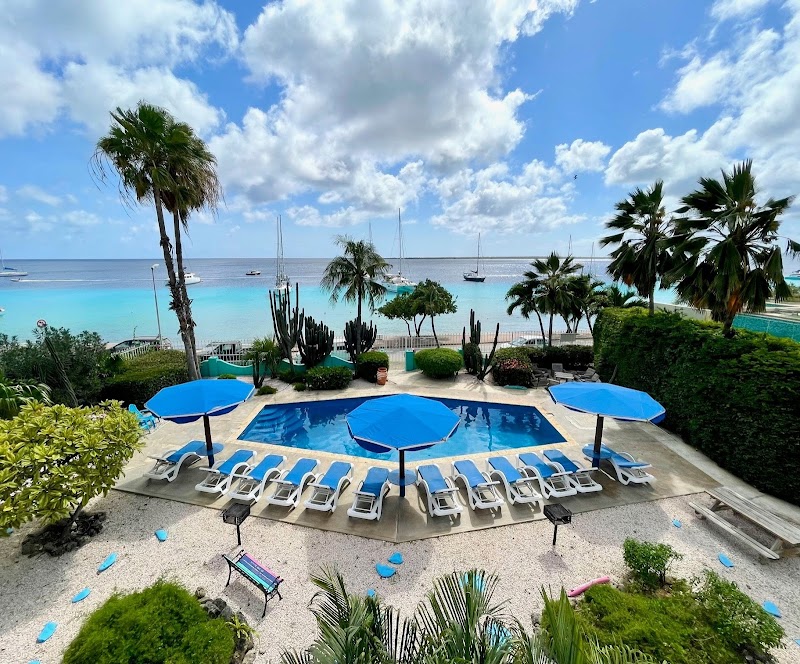
Kralendijk Waterfront is the low-friction version of Bonaire, and that is not a criticism. The colorful Dutch-Caribbean capital sits around the cruise hub, with shops, forts, seafood, and views toward the salt pier shaping an easy walk. It is best for passengers who do not want to commit the whole day to a tour, or who want a soft landing before or after a reef trip. Do not expect a huge city experience. The value is in the scale: a compact waterfront, a few local stops, and enough texture to feel like you left the ship.
Best for
A lighter day, mixed groups, or a pre- or post-excursion wander.
Port stop guide
Read the landscape at the salt flats
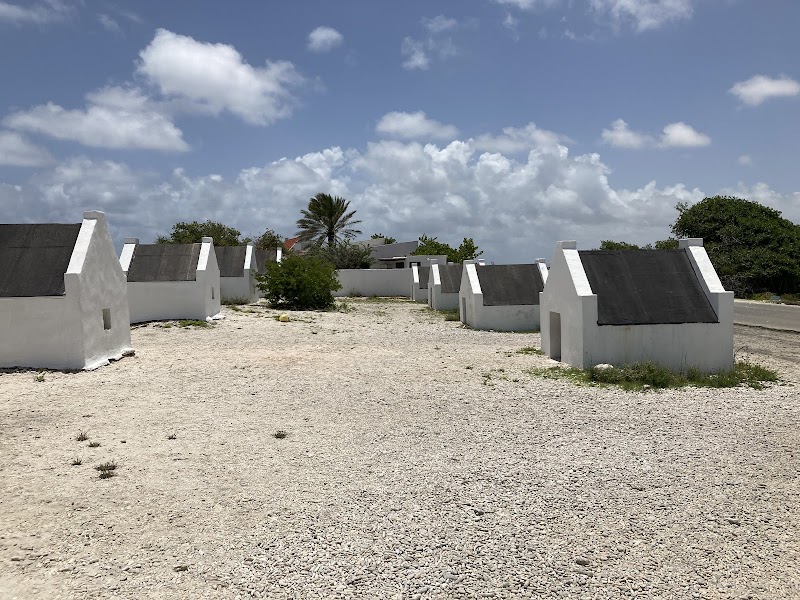
The Salt Flats and Slave Huts are where Bonaire gets more complicated, and more memorable. Pink salt ponds, low historic huts, and possible flamingo sightings create a landscape that is both striking and tied to a hard chapter of island history. This stop works well by bike or drive, especially for travelers who want more than beach time but still want the day to feel visual. Treat it as a cultural landscape, not just a photo background. If you only have room for one land-based outing, this is one of the clearest ways to understand Bonaire beyond the reef.
Worth it for
Travelers who want history, color, and a landscape that feels specific to Bonaire.
Port stop guide
Choose Washington Slagbaai for the wild interior
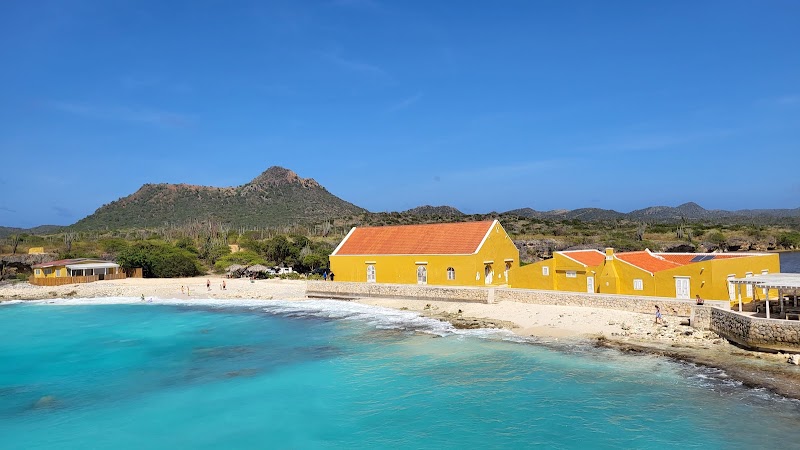
Washington Slagbaai National Park is the choice for travelers who want Bonaire to feel rugged. The park trades the waterfront ease of Kralendijk for cactus terrain, beaches, hiking trails, flamingos, wild donkeys, and the kind of island interior scenery you do not see from the pier. Because 4x4 jeep tours are part of the experience, this is not the casual add-on you squeeze between errands. Make it the structure of the day. It suits active travelers, photographers, and repeat Caribbean cruisers who are bored by another generic beach stop.
Plan around it
This is a bigger land adventure, not a quick side quest.
Port stop guide
Catch the wind at Sorobon Beach
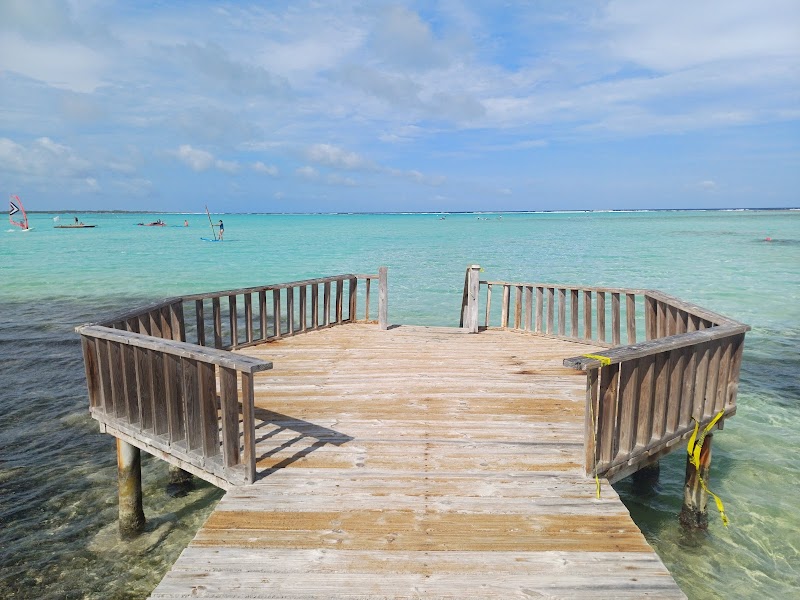
Sorobon Beach is for passengers who want their beach day with movement. The windward setting, white sand, and steady trades make it a natural fit for windsurfing lessons and kiteboarding energy rather than total stillness. If your ideal port day is learning something, getting salty, and coming back tired in a good way, this should outrank a standard lounge chair plan. It is less about passive beach perfection and more about action on the water, so it fits sporty travelers and groups who want a more kinetic Bonaire stop.
Best for
Windsurfing lessons, board-sport energy, and travelers who dislike sleepy beach days.
Port stop guide
Add a local pour at Cadushy Distillery
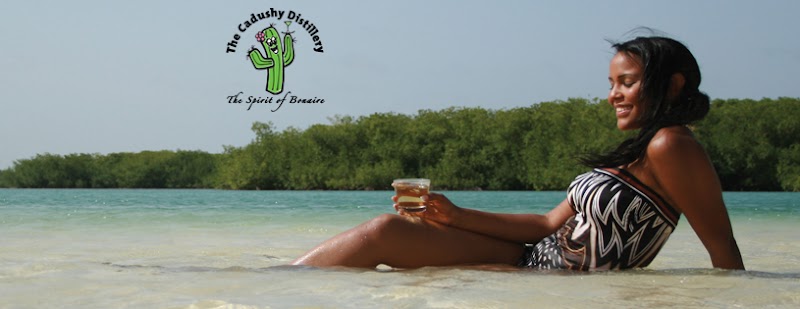
Cadushy Distillery is a smart change of pace if your group has already done the reef thing or wants something more social than scenic. The draw is cactus liqueur made from the local liqueur cactus plant, with tours, tastings, and cocktails giving the stop a distinctly Bonairean angle. It is not the island's headline experience, but it can round out a land tour nicely. Put it after a salt-flat or interior route rather than letting it replace the reef if this is your first visit and you care about why Bonaire is famous.
Good add-on
A local tasting stop for non-divers or mixed-interest groups.
Things to do in Bonaire
1000 Steps
Iconic snorkel site with easy stairs to powder sands and reefs. Shore dive heaven; truck parking nearby. Stunning drop-off.
4.7 from 1,407 reviewsOpen details
Bonaire National Marine Park
Protected reefs for shore snorkeling anywhere along the coast. World-class diving; moorings provided. Pristine corals.
4.6 from 1,151 reviewsOpen details
Kralendijk Waterfront
Colorful Dutch-Caribbean capital with shops, forts, and salt pier views. Stroll for souvenirs and seafood. Cruise pier hub.
4.4 from 39 reviewsOpen details
Washington Slagbaai National Park
Rugged park with cacti, flamingos, wild donkeys, and beaches. 4x4 jeep tours; hiking trails. Island interior adventure.
4.6 from 1,151 reviewsOpen details
Salt Flats & Slave Huts
Pink salt ponds with slave history exhibits and flamingos. Bike or drive; photo ops. Cultural landscape.
4.4 from 267 reviewsOpen details
Flamingo Sanctuary
Remote lagoons with thousands of greater flamingos breeding. Boat or kayak viewing; binoculars key. Birdwatcher's dream.
4.5 from 38 reviewsOpen details
Cadushy Distillery
Cactus liqueur tastings from local liqueur cactus plant. Tours and cocktails. Unique Bonairean spirit.
4.6 from 648 reviewsOpen details
Sorobon Beach
Windward white sands for windsurfing lessons and kiteboarding. Steady trades; pro instruction. Action watersports.
4.6 from 343 reviewsOpen details
Cruise port FAQs
- Is Bonaire a good cruise port for snorkeling?
- Yes. Bonaire is especially strong for reef-focused cruise days, with protected marine areas and shore snorkeling options that make the water the main reason to book an itinerary that stops here.
- Can I enjoy Bonaire without booking a water excursion?
- Yes. Kralendijk Waterfront is easy for a relaxed walk, while the salt flats, slave huts, Cadushy Distillery, and Washington Slagbaai National Park give non-swimmers several land-based ways to experience the island.
- What is the best Bonaire stop for first-time visitors?
- For water lovers, prioritize Bonaire National Marine Park or 1000 Steps. For a land-focused first visit, the Salt Flats and Slave Huts offer one of the island's most distinctive and meaningful landscapes.
- Is Washington Slagbaai National Park realistic on a cruise day?
- It can be, but it should be treated as the main plan rather than a quick add-on. The park is rugged and best approached as an organized 4x4-style adventure or focused nature outing.
- What kind of traveler will like Kralendijk?
- Kralendijk works for passengers who want an easy, compact port experience with waterfront views, shops, forts, seafood, and a low-stress base before or after a bigger excursion.
Best cruise deals that visit Bonaire
Current sailings visiting this port, sorted by the lowest tracked cabin price per night.
Lowest in 124d
RoundtripGreat value
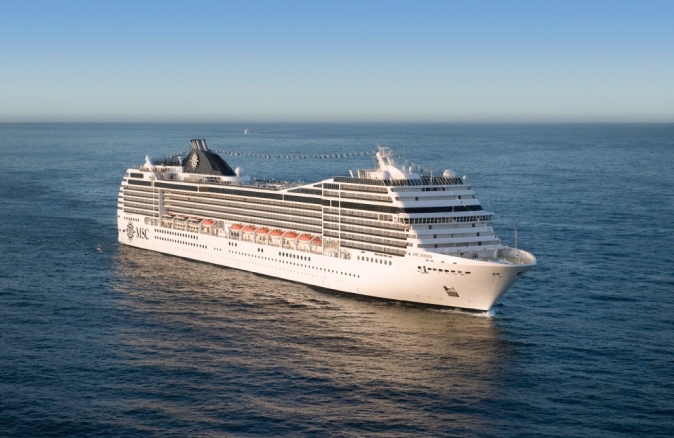
MSC Cruises
MSC Poesia
Built 2008
$118
per night
Oct 22 - Nov 1, 2026
10 nights · 5 destinations
Miami · Bonaire · Aruba · Curaçao · Cabo Rojo · Ocho Rios
$1,178 for two$1,598View
Lowest in 124d
RoundtripGreat value
MSC Cruises
MSC Poesia
Built 2008
$127
per night
Dec 3 - Dec 23, 2026
20 nights · 6 destinations
Miami · Curaçao · Aruba · Cabo Rojo · Ocho Rios · Grand Cayman · Bonaire
$2,532 for two$3,022View
12% below typical
Roundtrip
MSC Cruises
MSC Poesia
Built 2008
$130
per night
Dec 13 - Dec 23, 2026
10 nights · 5 destinations
Miami · Grand Cayman · Ocho Rios · Curaçao · Bonaire · Aruba
$1,298 for two$1,477View
17% off this week
Roundtrip
Carnival Cruise Line
Carnival Horizon
Built 2018
$145
per night
Oct 24 - Nov 1, 2026
8 nights · 3 destinations
Miami · Aruba · Bonaire · Curaçao
$1,160 for two$1,360View
11% below typical
One-way
Celebrity Cruises
Celebrity Silhouette
Built 2011
$152
per night
Oct 16 - Oct 26, 2027
10 nights · 4 destinations
Boston · Aruba · Curaçao · Bonaire · Fort Lauderdale
$1,518 for two$1,697View
7% off this week
Roundtrip
Carnival Cruise Line
Carnival Horizon
Built 2018
$173
per night
Dec 5 - Dec 13, 2026
8 nights · 3 destinations
Miami · Aruba · Bonaire · Curaçao
$1,380 for twoView
9% off this week
One-way
Celebrity Cruises
Celebrity Silhouette
Built 2011
$190
per night
Oct 20 - Oct 30, 2026
10 nights · 4 destinations
Boston · Aruba · Curaçao · Bonaire · Fort Lauderdale
$1,897 for two$2,092View
Roundtrip
Carnival Cruise Line
Carnival Horizon
Built 2018
$193
per night
Nov 7 - Nov 15, 2026
8 nights · 3 destinations
Miami · Aruba · Bonaire · Curaçao
$1,540 for twoView
Roundtrip
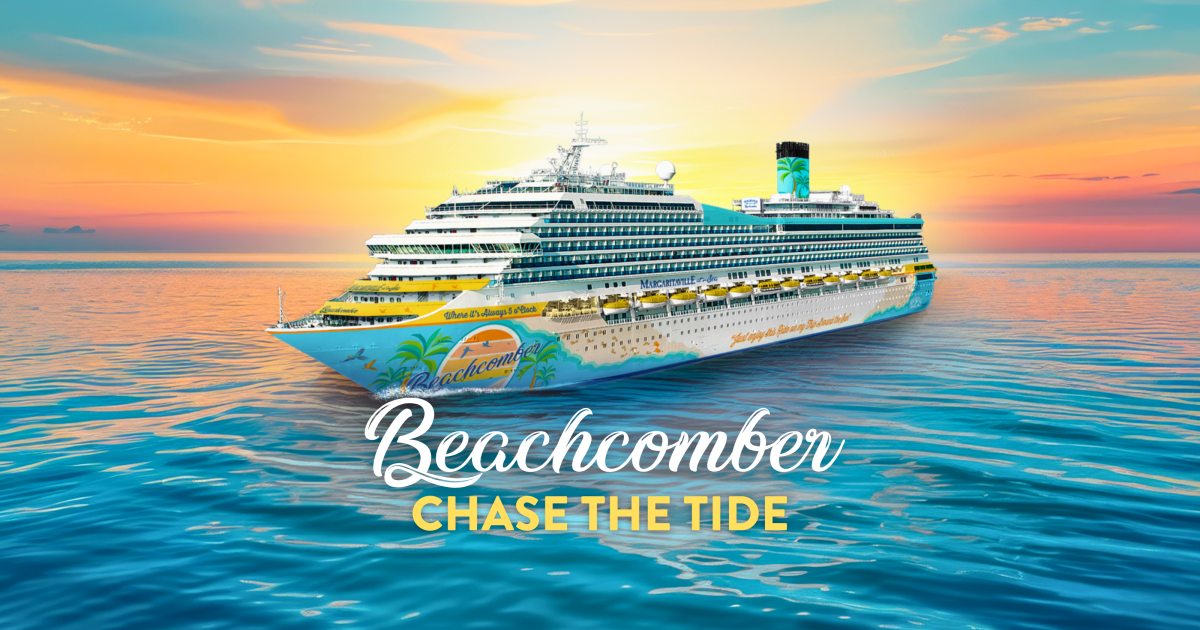
 Margaritaville at Sea
Beachcomber
Built 2003
$200
per night
Feb 19 - Feb 27, 2027
8 nights · 3 destinations
Miami · Aruba · Bonaire · Puerto Plata
$1,598 for twoView
5% off this week
Roundtrip
MSC Cruises
MSC Poesia
Built 2008
$200
per night
Feb 25 - Mar 7, 2027
10 nights · 5 destinations
Miami · Curaçao · Bonaire · Aruba · Cabo Rojo · Ocho Rios
$1,998 for two$2,146View
Roundtrip
MSC Cruises
MSC Poesia
Built 2008
$200
per night
Mar 18 - Mar 28, 2027
10 nights · 5 destinations
Miami · Curaçao · Bonaire · Aruba · Cabo Rojo · Ocho Rios
$1,996 for two$2,096View
Roundtrip
Celebrity Cruises
Celebrity Silhouette
Built 2011
$203
per night
Nov 13 - Nov 21, 2027
8 nights · 3 destinations
Fort Lauderdale · Aruba · Curaçao · Bonaire
$1,621 for two$1,734View