SN
Cruises to Banjul
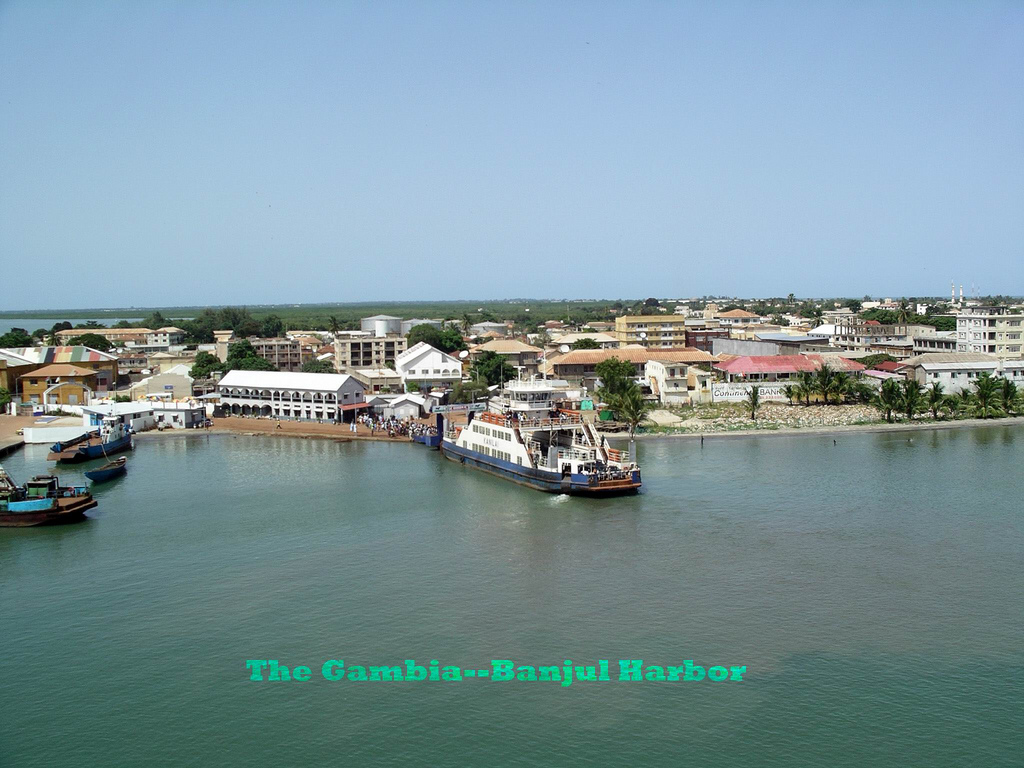
Banjul is a textured port day: loud markets, river edges, compact history, and excursions that get more rewarding when you do less.
Upcoming visits
3
Best fare
$431 per night
Sailing window
January 2027 to March 2027
Cruise lines
Holland America Line
Port location
Find Banjul on Google Maps before you plan the port day.
Banjul is not a polished, frictionless port stop, and that is exactly the point. The best day here has movement and texture: the spice-heavy crush of Albert Market, a climb up Arch 22 for the city view, a short museum stop for context, then either a river-facing pause or a deeper cultural excursion. It is a port for travelers who like places that feel lived-in rather than staged, and who are comfortable choosing atmosphere over a perfectly packaged greatest-hits route.
For a cruise passenger, Banjul works best with a simple plan. Stay close to the city if you want markets, monuments, and a compact introduction to Gambian history. Go farther only if one experience is the main event, whether that is mangroves and drumming at Makasutu Cultural Forest, wildlife at Abuko Nature Reserve, or the heavier history tied to Juffure and the Kunta Kinteh trail. Trying to blend all of that into one stop will flatten the day. Pick a lane and give it room.
Port stop guide
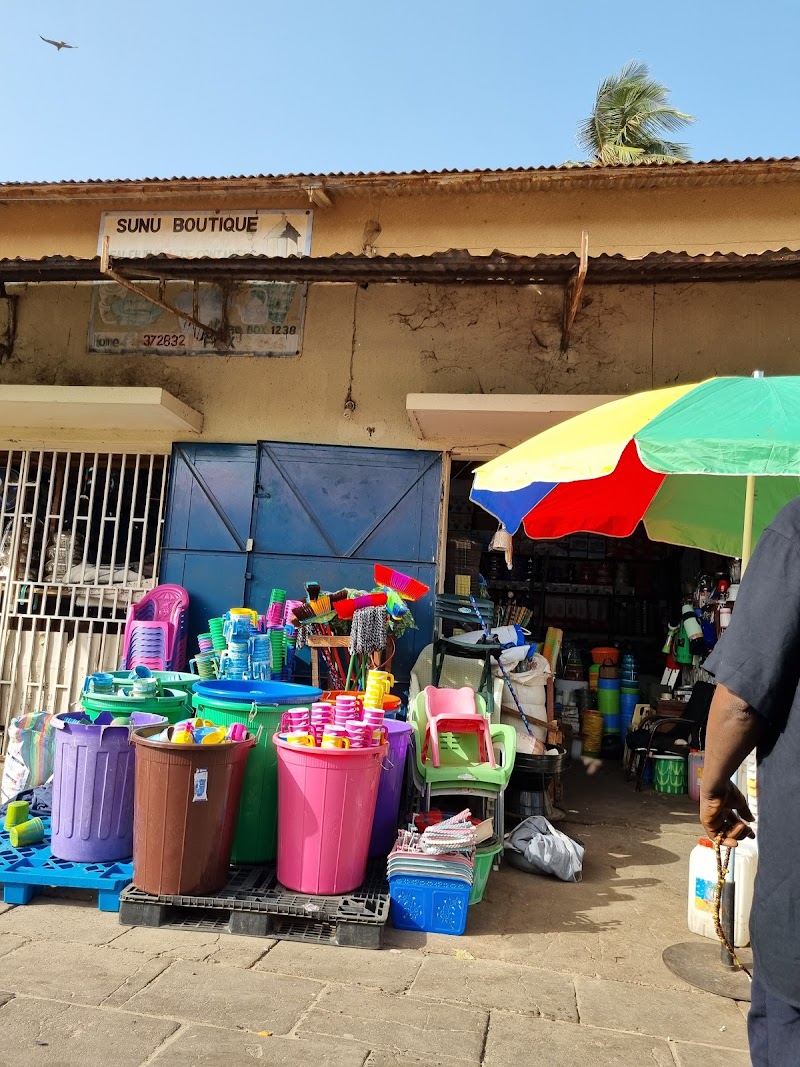
Make Albert Market your sensory anchor
Albert Market is the stop that tells you quickly whether Banjul is your kind of port. It is busy, fragrant, and unapologetically messy, with kola nuts, batik, crafts, and spice smells competing for your attention. This is not a browse-in-silence shopping arcade; haggling is part of the rhythm. It fits travelers who want street-level energy and local texture more than curated souvenir shelves. Make it a priority early in the day, before fatigue sets in, and keep your plan loose enough to wander without needing to buy your way through every stall.
Best for
Travelers who would rather feel the city than photograph it from a bus window.
Port stop guide
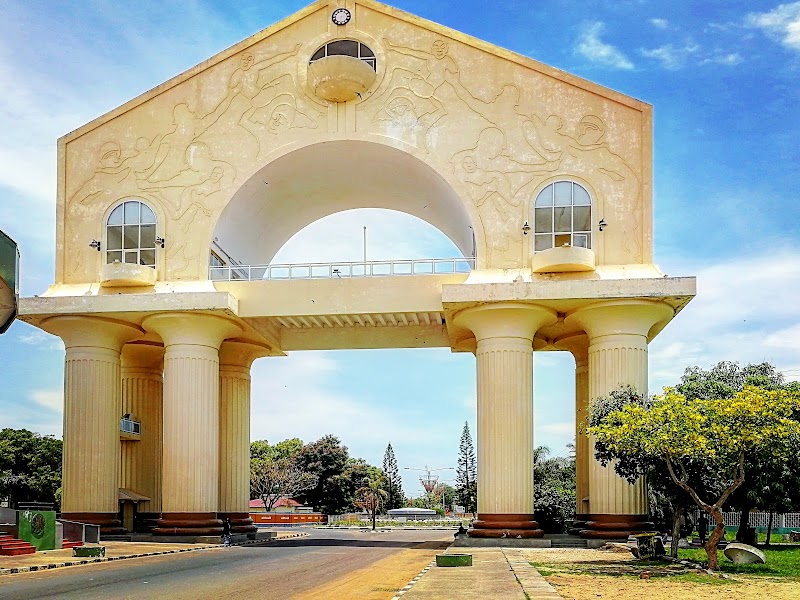
Use Arch 22 for the big-picture view
Arch 22 gives Banjul a visual marker that is easy to understand from a cruise-day perspective: it is tall, central, and built for perspective. The monument rises 50 meters and is tied to the 1994 coup, with museum exhibits and an elevator up to views over the city. It is a smart first or second stop because it helps orient the day, especially if you are pairing it with the market or the National Museum. Come for the view, but do not ignore the political context; that is what keeps it from being just another lookout.
Prioritize if
You want one clear city landmark plus a view without building the whole day around it.
Port stop guide
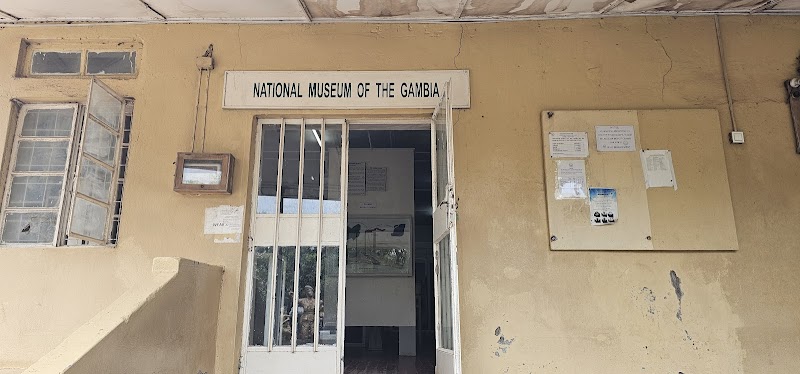
Add the National Museum for context, not filler
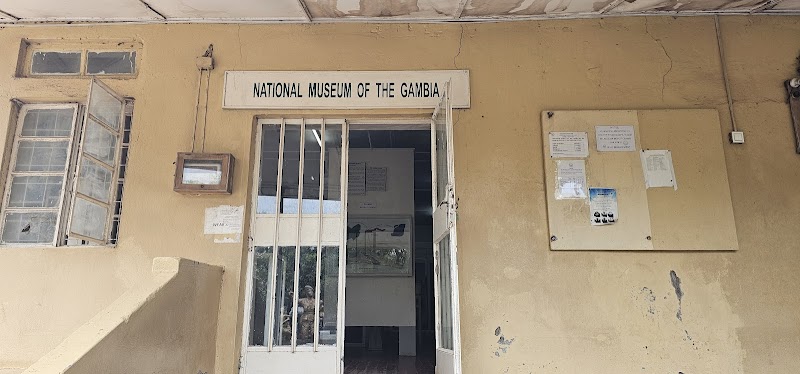
The National Museum is the practical cultural stop: compact, direct, and useful before or after the city sights. Its scope runs from the Stone Age to independence, with Mandinka artifacts adding a more specific layer to the overview. For cruise passengers, that compactness is the advantage. You are not losing half a port day to a huge institution, but you get enough background to make Banjul feel less like a blur of markets and monuments. It fits history-curious travelers, especially those who prefer a grounded introduction before heading into louder, more kinetic parts of the city.
Good pairing
Arch 22 for the view, National Museum for the context, Albert Market for the pulse.
Port stop guide
Choose Makasutu when you want the day to stretch beyond town
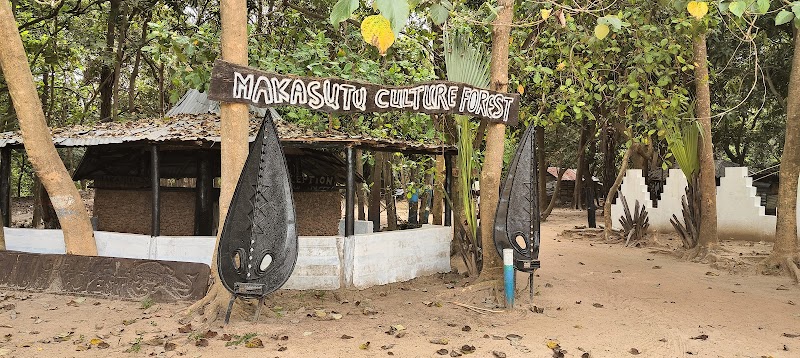
Makasutu Cultural Forest is the move if you want the port day to feel less urban and more immersive. The appeal is the mix: kayaking through mangroves, drum lessons, and a village lunch, all framed as an eco-cultural experience rather than a single photo stop. This is best for travelers who want an organized activity with a natural setting and a human element. Because it has several moving parts, treat it as the main plan, not something to squeeze in after a city circuit. If you book it, let the forest set the pace.
Best for
A more active, structured day with mangroves, music, and cultural exchange.
Port stop guide
Keep King's Wharf for an easy river reset
King's Wharf is not the headline act, and that is why it can work. The restored docks, cafes, and Gambia River cruise boats make it a useful decompression stop after the intensity of Albert Market or a museum-heavy morning. It fits travelers who like ending with a drink, a river view, and a bit of breathing room rather than another monument. If your ship call runs late enough to catch softer evening light, this is the kind of place that can make the port feel more relaxed than it looked at first arrival.
Use it for
A low-pressure pause when the day has been hot, crowded, or history-heavy.
Port stop guide
Treat Juffure as the serious history choice
The Juffure Village Slavery Museum is for travelers who want the port day to carry emotional weight. Tied to Alex Haley's Roots and the Kunta Kinteh trail, it shifts the experience from casual sightseeing into memory, ancestry, and the history of the Atlantic slave trade. This is not the stop to add casually because you feel you should see one more thing. If it matters to you, make it the center of the day and give it the attention it deserves. Pairing it with lighter stops can work, but only after the main experience has had space to land.
Go if
You want a history-first excursion and are prepared for a more reflective day.
Things to do in Banjul
Albert Market
Chaotic bazaar with kola nuts, batik, crafts; haggle central. Spice aromas. Market mayhem.
Arch 22
50m monument to 1994 coup with views over city; museum exhibits. Elevator up. Independence symbol.
4.1 from 281 reviewsOpen details
National Museum
Gambia history from Stone Age to independence; Mandinka artifacts. Compact intro. Cultural overview.
4.3 from 11 reviewsOpen details
Makasutu Cultural Forest
Kayak mangroves, drum lessons, village lunch. Eco-cultural mix. Forest fusion.
4.2 from 18 reviewsOpen details
King's Wharf
Restored docks with cafes, Gambia River cruise boats. Sunset drinks. Riverside relax.
3.5 from 11 reviewsOpen details
Banjul State House
Presidential palace exteriors, guards; manicured grounds. Power seat. Government glance.
4.2 from 5 reviewsOpen details
St. James Island (Fort James)
Slave trade fort tour; river cruise option. Atlantic views. Historic island.
4.0 from 2 reviewsOpen details
Paradise Beach
White sands Atlantic swim; pirogue rides. Local beach vibe. Coastal escape.
4.5 from 183 reviewsOpen details
Cruise port FAQs
- Is Banjul worth getting off the ship for?
- Yes, if you like ports with real urban texture, markets, history, and river scenery. It is less about polished resort-style sightseeing and more about choosing one strong experience, such as Albert Market, Arch 22, Makasutu Cultural Forest, or a history-focused excursion.
- What is the easiest Banjul plan for a first-time visitor?
- A compact city route works well: visit Arch 22 for the view and context, stop at the National Museum for Gambian history, then spend time at Albert Market. This keeps the day varied without relying on too many moving parts.
- Should I choose a beach day in Banjul?
- Paradise Beach can fit travelers who mainly want white sand, an Atlantic swim, and a local beach feel. If this is your only chance to experience Banjul itself, though, the market, museum, river, or cultural excursions may give the stop more identity.
- Is Banjul better for independent exploring or an organized excursion?
- City sights like Albert Market, Arch 22, the National Museum, King's Wharf, and exterior views of Banjul State House suit a simple city plan. Experiences farther from the center, such as Makasutu Cultural Forest, Abuko Nature Reserve, Juffure, or St. James Island, are better treated as planned excursions.
- What kind of traveler will like Banjul most?
- Banjul suits travelers who enjoy markets, layered history, local atmosphere, and excursions with cultural or natural depth. If you want a seamless shopping-and-beach port with minimal edge, it may feel more intense than relaxing.
Best cruise deals that visit Banjul
Current sailings visiting this port, sorted by the lowest tracked cabin price per night.
Roundtrip
Holland America Line
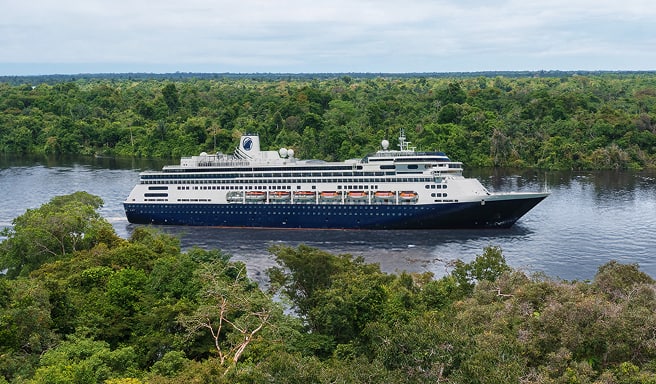
Volendam
Built 1999
$431
per night
Jan 5 - May 15, 2027
130 nights · 52 destinations
Fort Lauderdale · Panama Canal · Manta · Lima · Easter Island · Tahiti · Moorea · Bora Bora · Apia · Savusavu · Fiji · Lifou · Nouméa · Sydney · Airlie Beach · Townsville · Darwin · Bali · Surabaya · Semarang · Singapore · Kuala Lumpur · Penang · Phuket · Hambantota · Colombo · Malé · Port Louis · Réunion (Le Port) · Port Elizabeth · Cape Town · Lüderitz · Walvis Bay · Jamestown · Banjul · Dakar · Praia · Mindelo · Tenerife · Gran Canaria · Lanzarote · Casablanca · Lisbon · Porto · Bilbao · Bordeaux · Cherbourg · Rotterdam · Oslo · Copenhagen · Aarhus · Dover · San Juan
$56,018 for twoView
One-wayOcean crossing
Holland America Line
Volendam
Built 1999
$444
per night
Mar 22 - May 15, 2027
54 nights · 23 destinations
Cape Town · Lüderitz · Walvis Bay · Jamestown · Banjul · Dakar · Praia · Mindelo · Tenerife · Gran Canaria · Lanzarote · Casablanca · Lisbon · Porto · Bilbao · Bordeaux · Cherbourg · Rotterdam · Oslo · Copenhagen · Aarhus · Dover · San Juan · Fort Lauderdale
$23,998 for twoView
One-way
Holland America Line
Volendam
Built 1999
$457
per night
Mar 22 - Apr 26, 2027
35 nights · 17 destinations
Cape Town · Lüderitz · Walvis Bay · Jamestown · Banjul · Dakar · Praia · Mindelo · Tenerife · Gran Canaria · Lanzarote · Casablanca · Lisbon · Porto · Bilbao · Bordeaux · Cherbourg · Rotterdam
$15,998 for twoView