PA
Cruises to Balboa
Balboa is a compact, high-impact port day: canal engineering, old-city texture, waterfront views, and rainforest within reach.
Upcoming visits
8
Best fare
$318 per night
Balboa is a compact, high-impact port day: canal engineering, old-city texture, waterfront views, and rainforest within reach.
Find Balboa on Google Maps before you plan the port day.
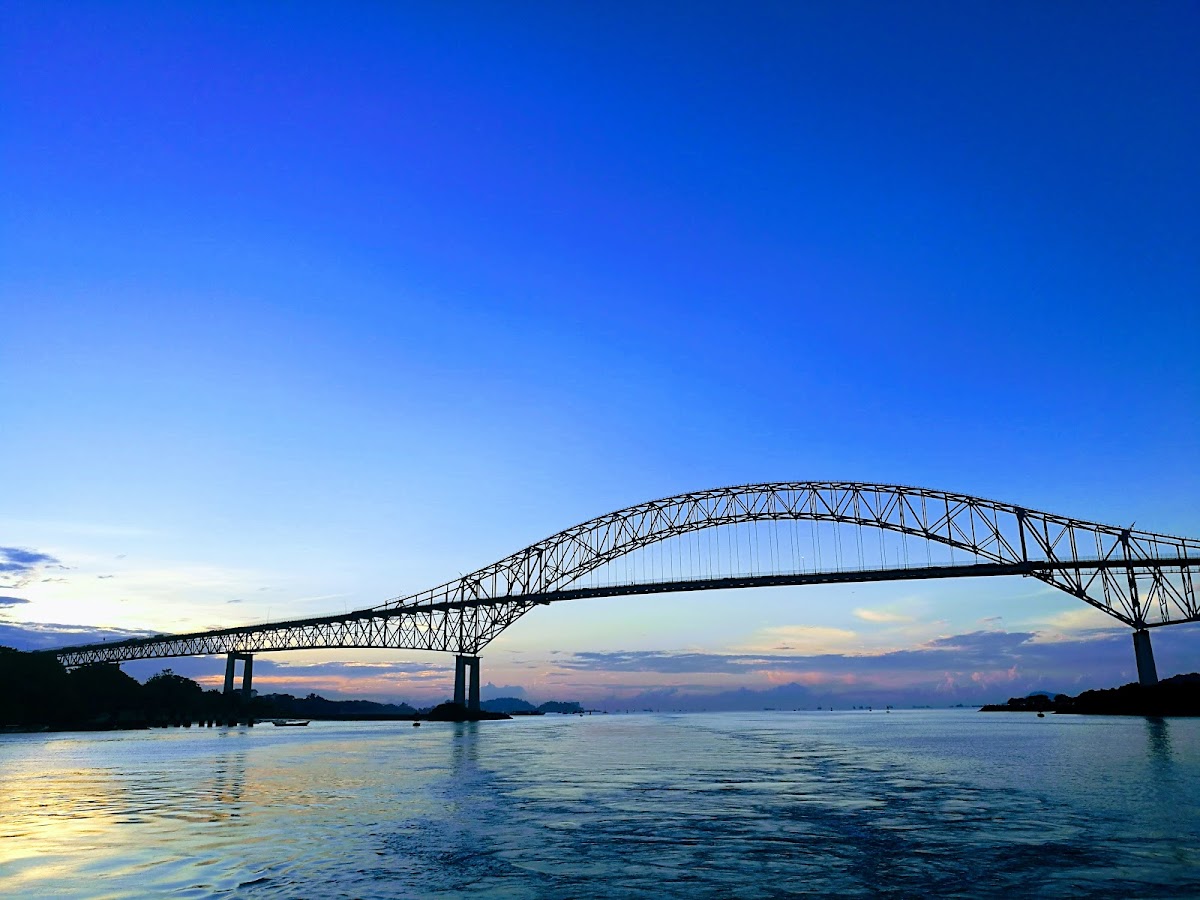
Balboa is not just a Panama Canal checkbox, though the canal is absolutely the headline. The port sits on the Pacific Coast side of Panama, close to the kind of sights that make a short stop feel unusually layered: giant ships rising through Miraflores Locks, the Panama City skyline across the water, rainforest trails with city views, and historic districts where colonial facades sit against a very modern backdrop. It is a strong call for travelers who like their port days visual, efficient, and a little nerdy in the best way.
The trick is not trying to turn Balboa into an all-of-Panama sampler. Pick one anchor, then add a second stop that makes sense geographically or thematically. Canal-first travelers should build around Miraflores Locks. City wanderers can aim for Casco Viejo. If you want fresh air without disappearing deep inland, Amador Causeway, Ancon Hill, and Metropolitan Natural Park keep the day active but realistic. Balboa rewards a focused plan more than a packed one, especially if you want time to actually watch, walk, and absorb the place.
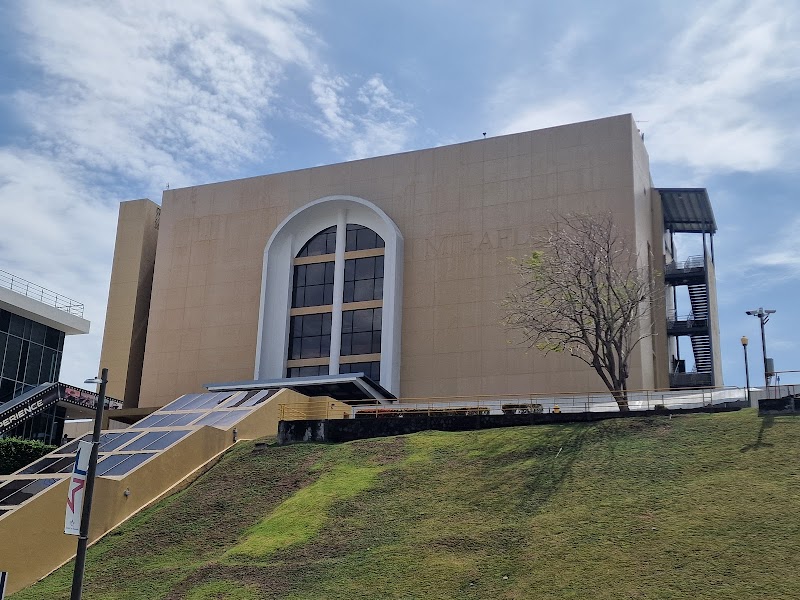
If you only do one thing in Balboa, make it Miraflores Locks. This is where the Panama Canal becomes tangible instead of abstract: massive vessels moving through the lock system while visitors watch from a multi-story center built for exactly that drama. The observation deck is the main event, but the interactive museum gives useful context without turning the stop into a lecture. It fits first-timers, engineering obsessives, and anyone who wants the port day to connect directly to why Panama matters on a global shipping map.
Start here if the canal is the reason this itinerary caught your eye.
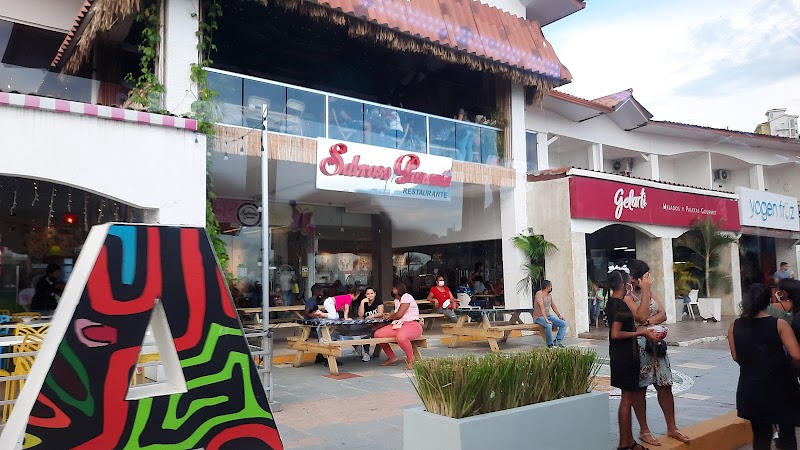
Amador Causeway is the low-friction choice when you want views without a complicated plan. The road stretches into the Pacific and links four small islands, with the canal entrance on one side and Panama City's skyline on the other. It works well for a walk, a bike rental, or a meal by the water, depending on how much energy you have after earlier sightseeing. For cruise passengers, its value is the spacing: open air, sea breeze, and enough visual payoff to feel like more than a transfer between attractions.
This is the ultimate primary attraction for any visitor arriving at the Pacific entrance of the Panama Canal. Cruise passengers can watch massive vessels transition through the locks from the multi-story visitor center. It features an interactive museum and an observation deck offering prime viewing spots.
Stretching into the Pacific Ocean, this scenic causeway connects four small islands and offers breathtaking views of the Panama City skyline and the canal entrance. It is a fantastic spot for a leisurely walk, bicycle rental, or dining at waterfront restaurants. Cruise passengers will appreciate the refreshing sea breeze and relaxed atmosphere.
Also known as the Casco Antiguo, this historic district is a UNESCO World Heritage Site filled with charming colonial architecture. Visitors can stroll along cobblestone streets, discover historic churches, and enjoy local cafes and shops. It is easily accessible and offers a stark, beautiful contrast to the modern city skyline.
Current sailings visiting this port, sorted by the lowest tracked cabin price per night.
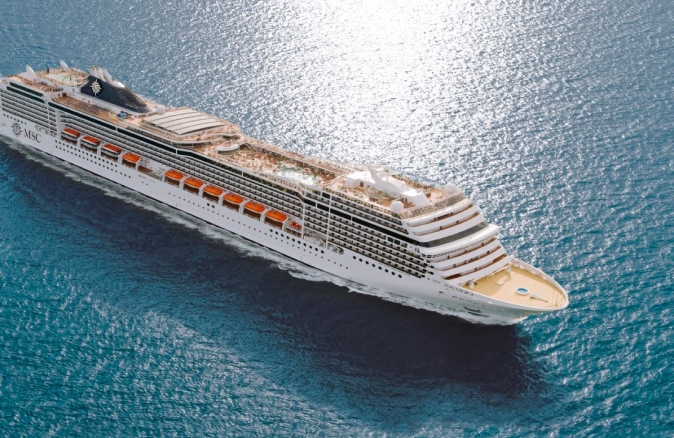
Built 2010
Los Angeles · Cabo · Puntarenas · Balboa · La Romana · Tortola · St. Maarten · Gran Canaria · Ibiza · Naples · Rome · Genoa · Marseille
Built 2010
Santiago · Easter Island · Bounty Bay · Tahiti · Moorea · Aitutaki · Cook Islands · Bay of Islands · Auckland · Tauranga · Christchurch · Dunedin · Hobart · Sydney · Nouméa · Santo · Apia · Pago Pago · Honolulu · Los Angeles · Cabo · Puntarenas · Balboa · La Romana · Tortola · St. Maarten · Gran Canaria · Ibiza · Naples · Rome · Genoa · Marseille · Tarragona
Built 2010
Sydney · Nouméa · Santo · Apia · Pago Pago · Honolulu · Los Angeles · Cabo · Puntarenas · Balboa · La Romana · Tortola · St. Maarten · Gran Canaria · Ibiza · Naples · Rome · Genoa · Marseille
Built 2010
Sydney · Nouméa · Santo · Apia · Pago Pago · Honolulu · Los Angeles · Cabo · Puntarenas · Balboa · La Romana · Tortola · St. Maarten · Gran Canaria · Ibiza · Naples · Rome · Genoa · Marseille · Tarragona
Built 2010
Sydney · Nouméa · Santo · Apia · Pago Pago · Honolulu · Los Angeles · Cabo · Puntarenas · Balboa · La Romana · Tortola · St. Maarten · Gran Canaria · Ibiza · Naples · Rome
Built 2010
Barcelona · Gibraltar · Casablanca · Mindelo · Salvador · Rio · Buenos Aires · Puerto Madryn · Port Stanley · Ushuaia · Puerto Montt · Santiago · Easter Island · Bounty Bay · Tahiti · Moorea · Aitutaki · Cook Islands · Bay of Islands · Auckland · Tauranga · Christchurch · Dunedin · Hobart · Sydney · Nouméa · Santo · Apia · Pago Pago · Honolulu · Los Angeles · Cabo · Puntarenas · Balboa · La Romana · Tortola · St. Maarten · Gran Canaria · Ibiza · Naples · Rome · Genoa · Marseille · Tarragona
Built 2010
Marseille · Barcelona · Gibraltar · Casablanca · Mindelo · Salvador · Rio · Buenos Aires · Puerto Madryn · Port Stanley · Ushuaia · Puerto Montt · Santiago · Easter Island · Bounty Bay · Tahiti · Moorea · Aitutaki · Cook Islands · Bay of Islands · Auckland · Tauranga · Christchurch · Dunedin · Hobart · Sydney · Nouméa · Santo · Apia · Pago Pago · Honolulu · Los Angeles · Cabo · Puntarenas · Balboa · La Romana · Tortola · St. Maarten · Gran Canaria · Ibiza · Naples · Rome · Genoa
Built 2010
Genoa · Marseille · Barcelona · Gibraltar · Casablanca · Mindelo · Salvador · Rio · Buenos Aires · Puerto Madryn · Port Stanley · Ushuaia · Puerto Montt · Santiago · Easter Island · Bounty Bay · Tahiti · Moorea · Aitutaki · Cook Islands · Bay of Islands · Auckland · Tauranga · Christchurch · Dunedin · Hobart · Sydney · Nouméa · Santo · Apia · Pago Pago · Honolulu · Los Angeles · Cabo · Puntarenas · Balboa · La Romana · Tortola · St. Maarten · Gran Canaria · Ibiza · Naples · Rome
Pair it with Biomuseo or Punta Culebra if you want a simple Amador-focused day.
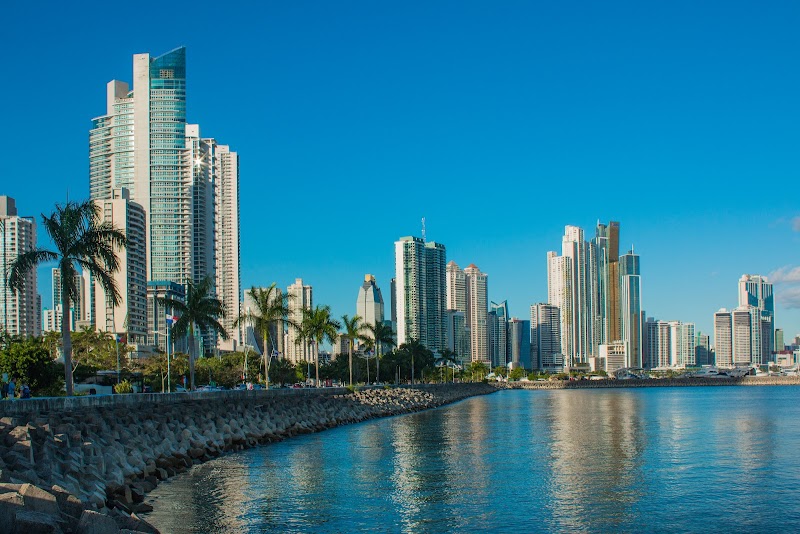
Casco Viejo, also called Casco Antiguo, is the stop for travelers who want Panama City with character instead of glass towers only. The UNESCO-listed district is built for slow wandering: cobblestone streets, colonial architecture, historic churches, local cafes, and small shops that make it easy to linger. It is especially good if your cruise has been heavy on transit days and you want a neighborhood with atmosphere. Do not treat it like a race through landmarks; the contrast between old facades and the modern skyline is the point.
Choose Casco Viejo when you want streets, cafes, architecture, and a stronger sense of place.
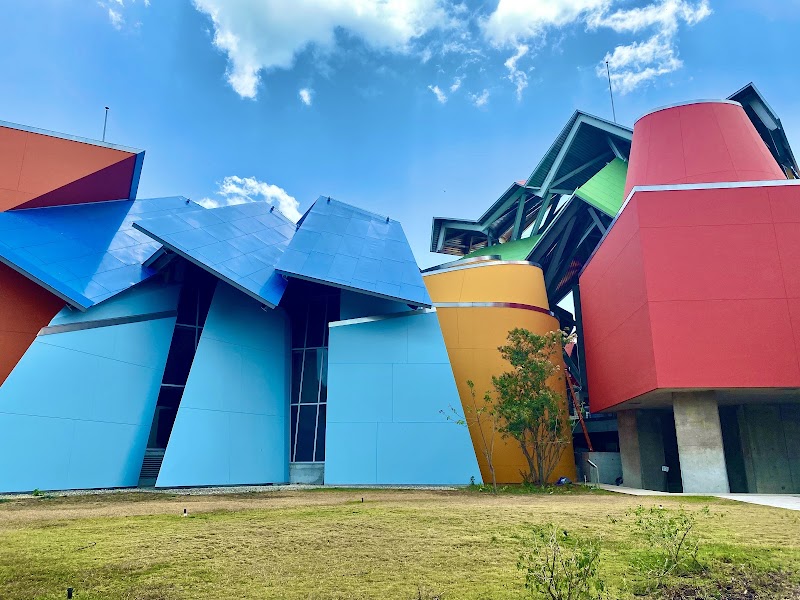
Biomuseo is hard to miss: a bright, angular Frank Gehry building on the Amador Causeway that looks nothing like a standard port museum. Inside, the focus is Panama's biodiversity and the way the isthmus reshaped natural history. That makes it a smart pick for curious travelers who want context beyond canal logistics, especially families or anyone who prefers interactive exhibits to passive sightseeing. Its location is the practical bonus. You can combine it with a waterfront walk or meal on Amador without adding a whole new part of the city.
Use Biomuseo to add substance to an Amador Causeway plan.
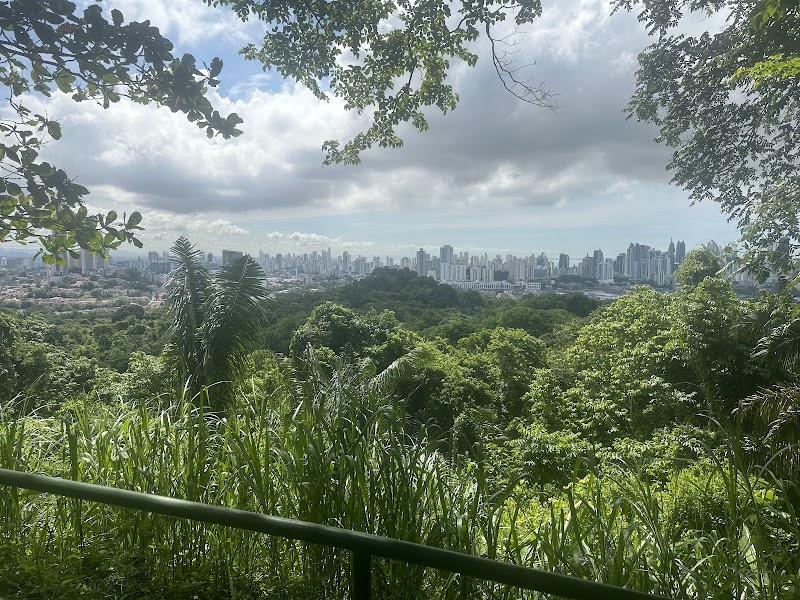
Metropolitan Natural Park is the rare city-adjacent nature stop that does not feel like filler. It is a wildlife refuge within a major Latin American city, with maintained trails where visitors may spot sloths, monkeys, and tropical birds. The summit trail adds a clear reward: a panoramic look at Panama City and the canal. This is best for active travelers who want a little sweat and canopy time, not just a viewpoint from a vehicle. Prioritize it over heavier museum time if your ideal port day needs dirt underfoot.
Bring the walking mindset; this is a nature stop, not just a photo stop.
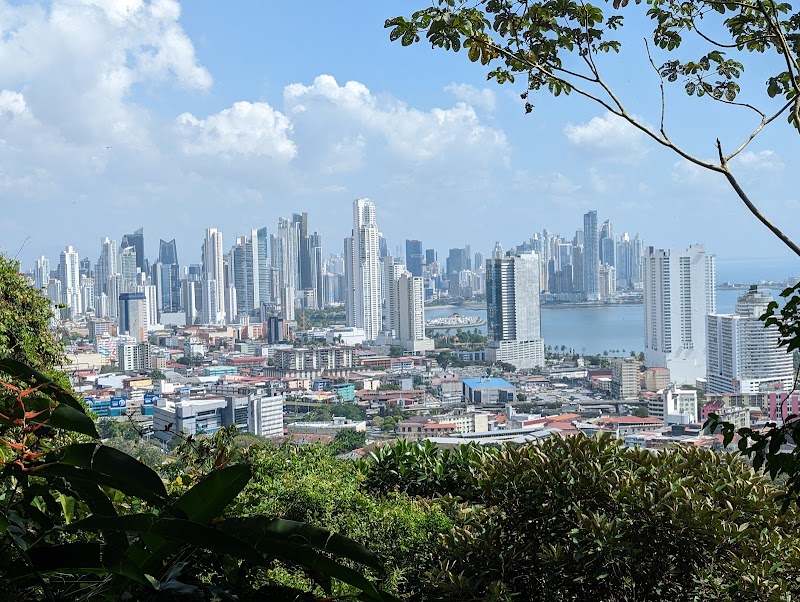
Ancon Hill gives Balboa one of its strongest visual payoffs: a green rise over the city with views toward Panama City and the locks. Visitors can hike or take a taxi along the paved road through rainforest canopy, which makes it more flexible than a full trail outing. It suits photographers, walkers, and travelers who want to understand the layout of the canal zone from above. If you are debating between Ancon Hill and Metropolitan Natural Park, choose Ancon for the viewpoint and Metropolitan for a more trail-forward wildlife experience.
Go here when you want the city, canal, and rainforest in one frame.
These fascinating ruins are all that remain of the original Panama City, which was destroyed by the pirate Henry Morgan in 1671. Cruisers can explore the archaeological park, climb the iconic cathedral tower, and learn about early colonial history at the onsite museum. It offers a wonderful, educational look into the past of the region.
Designed by world-renowned architect Frank Gehry, this eye-catching, multi-colored building tells the story of how the Isthmus of Panama changed the world's biodiversity. Its interactive exhibits are highly engaging and explain the natural history of the region in a vivid way. Situated on the Amador Causeway, it is easy to combine with other nearby sights.
As the only wildlife refuge located within the limits of a major Latin American city, this park offers a convenient tropical escape. Cruisers can hike well-maintained trails to spot sloths, monkeys, and exotic birds. The summit trail provides a rewarding panoramic view of Panama City and the canal.
This lush, green hill dominates the local skyline and provides one of the absolute best viewpoints over Panama City and the locks. Visitors can hike or take a taxi up the paved road through the dense rainforest canopy. It is a peaceful green oasis with rich historical significance and frequent encounters with local wildlife.
Nestled at the foot of Ancon Hill, this cultural mock-village represents the diverse heritage of Panama's Afro-Caribbean, indigenous, and interior regions. Cruise passengers can walk among traditional houses, view cultural artifacts, and sometimes catch live folk performances. It provides a quick and charming overview of the country's rich ethnic history.