PG
Cruises to Alotau
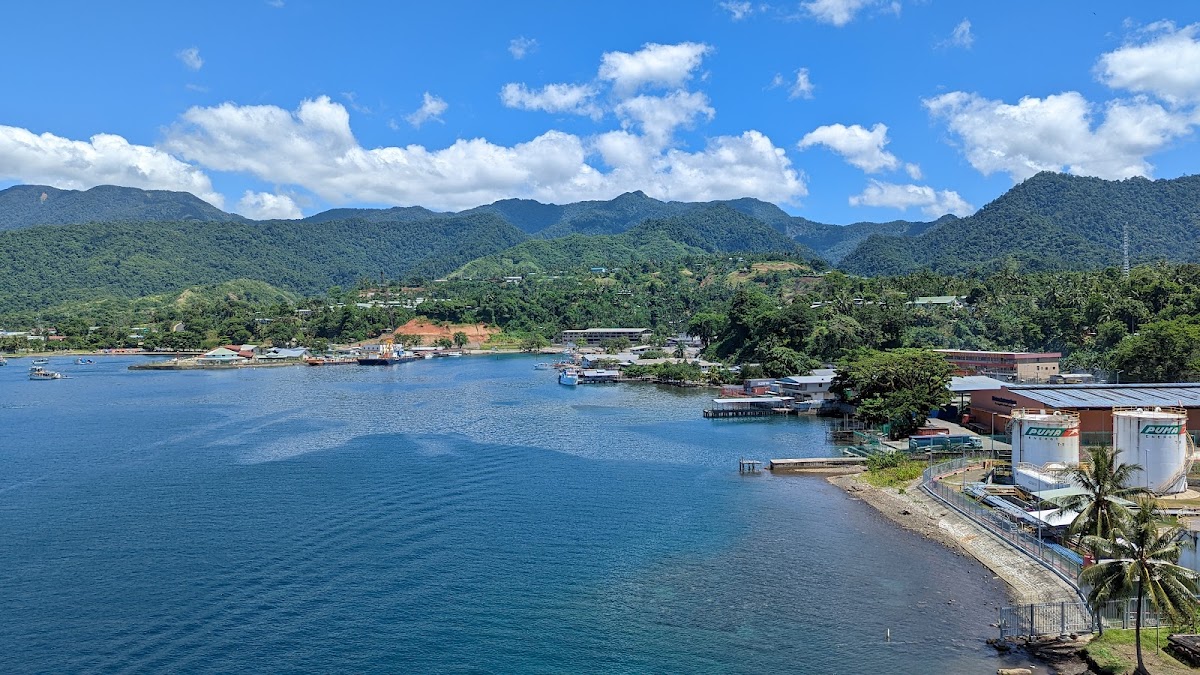
Alotau is a compact PNG call where the best day is either deeply local, sharply historical, or fully pointed toward the islands.
Upcoming visits
10
Best fare
$315 per night
Alotau is a compact PNG call where the best day is either deeply local, sharply historical, or fully pointed toward the islands.
Find Alotau on Google Maps before you plan the port day.
Alotau is not a port to treat like a checklist. It works best when you choose a single mood and commit: township market, Milne Bay wartime history, a hosted village visit, or a boat day out toward reefs and picnic beaches. The appeal is the specificity. Bilums and carved pieces, sing sing performances, canoe rides, WWII artifacts, jungle roads, orchids, and coral gardens all sit within the orbit of one cruise call, but they do not belong in one frantic itinerary. Pick the version of Papua New Guinea you actually want to remember.
For many passengers, Alotau will feel more raw and place-specific than a standard beach port. That is the point. The strongest plans here have a clear host or focus, whether that means talking prices at the market, listening through the Battle of Milne Bay story, or joining a cultural tour built around welcome rituals and performance. If you want easy visuals, choose color, craft, water, or jungle. If you want context, give the day to history or village life. Alotau rewards attention more than speed.
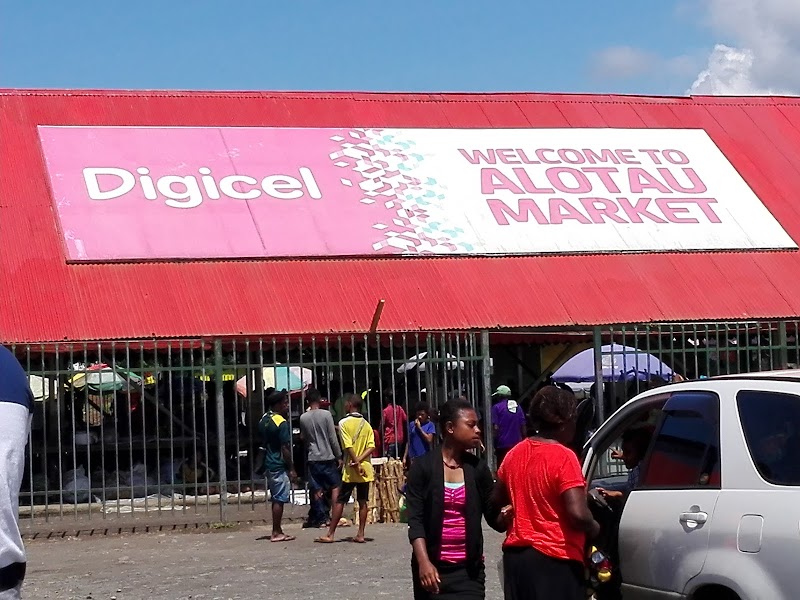
Alotau Market is the natural first pick if you want the port to feel grounded in daily life rather than packaged into a single performance. The draw is the mix: bilums, carved pieces, tropical fruit, and the energy of people negotiating, selling, and moving through town. It fits travelers who like texture, color, and a bit of back-and-forth more than a scripted tour. For a cruise day, use it as your cultural anchor, not just a souvenir stop. Give yourself time to look before buying, and expect the best memories to come from the small details.
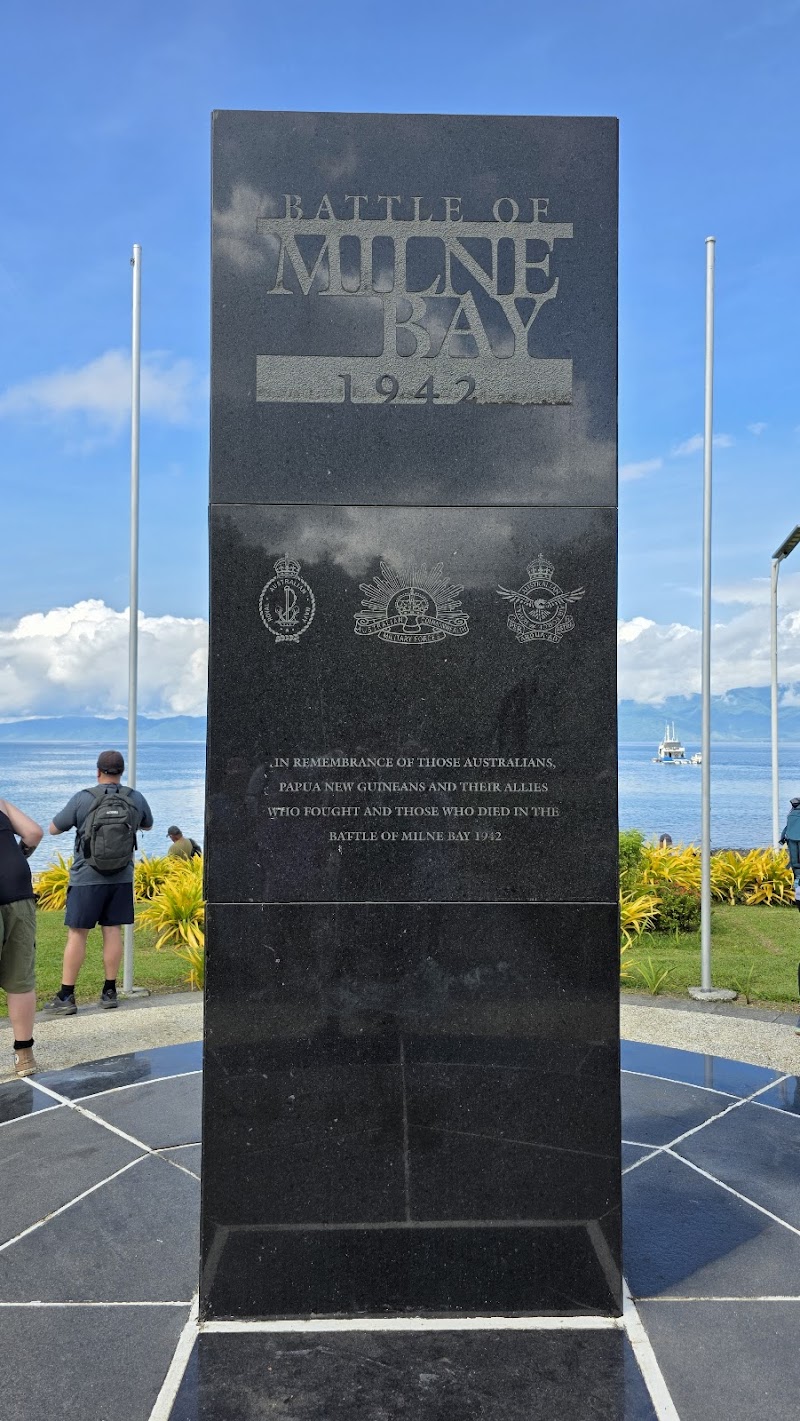
The WWII Museum at Milne Bay gives Alotau a sharper historical edge. Its collection of battle artifacts, guns, planes, and personal stories connects the port to the 1942 fighting around Milne Bay and the wider Kokoda story. This is the stop for travelers who prefer context over another beach photo, or who want to understand why this corner of Papua New Guinea mattered beyond the scenery. It also works well as a counterweight to a market visit: one gives you present-day Alotau, the other frames the wartime history still attached to the bay.
Bustling township with bilums, carvings, and tropical fruits. Haggle with highlanders. Authentic PNG culture.
Battle artifacts from 1942 Kokoda turning point. Guns, planes, stories. History lesson.
Traditional Hiri Moale dance and sing sing performances. Canoe rides and feasts. Immersive welcome.
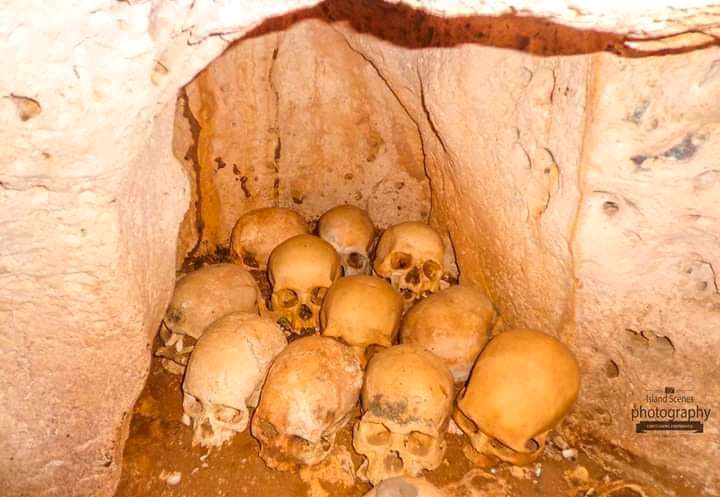
Welcome rituals, longhouse visits, and crafts demo. Archery and fire dance. Village immersion.
Current sailings visiting this port, sorted by the lowest tracked cabin price per night.
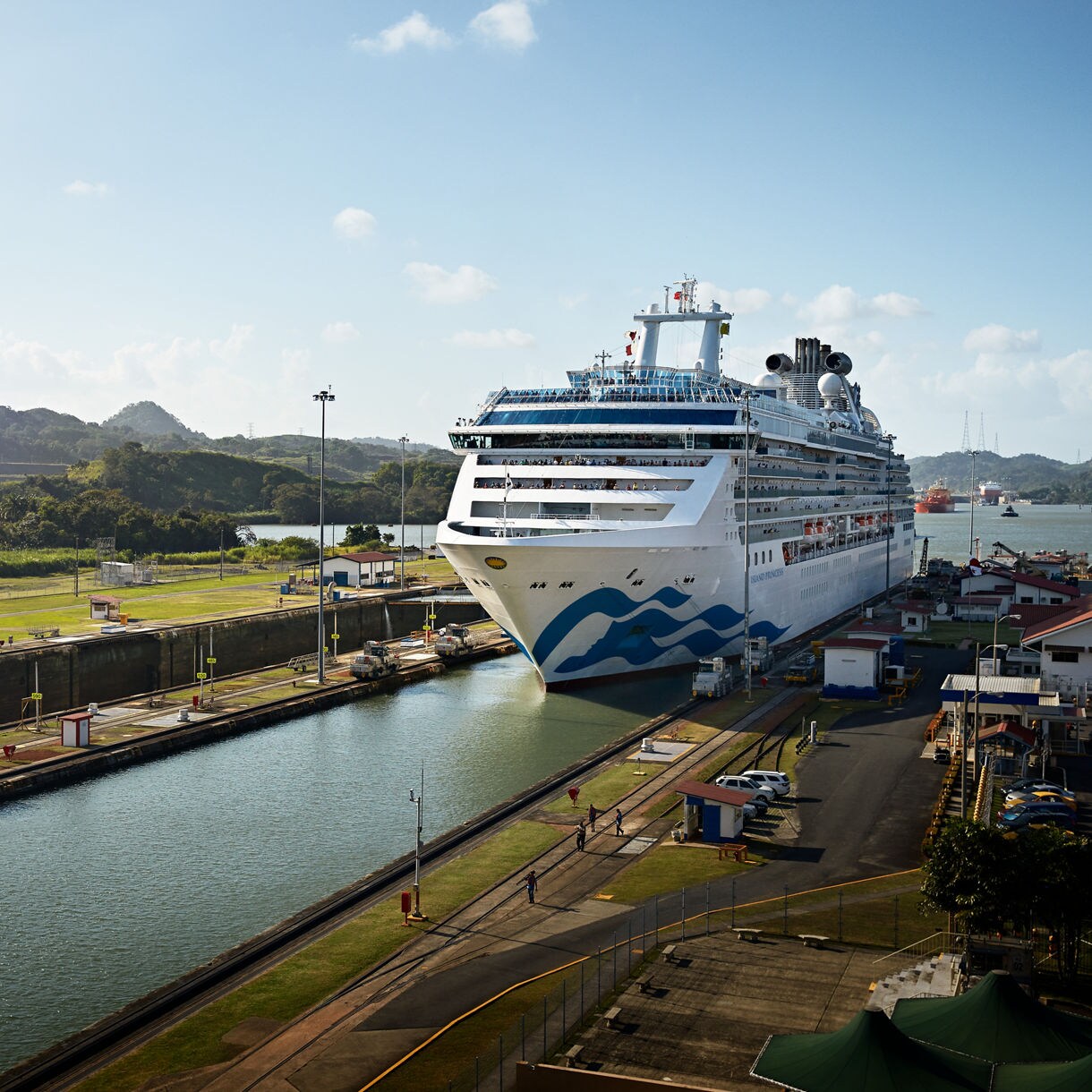
Built 2002
Fort Lauderdale · Cartagena · Panama Canal · Panama City · Puntarenas · Puerto Chiapas · Huatulco · Puerto Vallarta · Los Angeles · Hilo · Maui · Honolulu · Kauai · Pago Pago · Fiji · Dravuni Island · Port Vila · Luganville · Rabaul · Kiriwina Island · Alotau · Cairns · Airlie Beach · Brisbane · Sydney · Auckland · Tauranga · Christchurch · Dunedin · Hobart · Adelaide · Perth · Darwin · Bali · Lembar · Singapore · Phuket · Langkawi · Penang · Kuala Lumpur · Ho Chi Minh City · Cam Ranh · Ha Long Bay · Hong Kong · Keelung · Miyakojima · Kagoshima · Kochi · Osaka · Tokyo · Miyako · Kushiro · Anchorage · Sitka · Juneau · Ketchikan · Vancouver
Built 2002
Los Angeles · Hilo · Maui · Honolulu · Kauai · Pago Pago · Fiji · Dravuni Island · Port Vila · Luganville · Rabaul · Kiriwina Island · Alotau · Cairns · Airlie Beach · Brisbane · Sydney · Auckland · Tauranga · Christchurch · Dunedin · Hobart · Adelaide · Perth · Darwin · Bali · Lembar · Singapore · Phuket · Langkawi · Penang · Kuala Lumpur · Ho Chi Minh City · Cam Ranh · Ha Long Bay · Hong Kong · Keelung · Miyakojima · Kagoshima · Kochi · Osaka · Tokyo · Miyako · Kushiro · Anchorage · Sitka · Juneau · Ketchikan · Vancouver
Built 2002
Los Angeles · Hilo · Maui · Honolulu · Kauai · Pago Pago · Fiji · Dravuni Island · Port Vila · Luganville · Rabaul · Kiriwina Island · Alotau · Cairns · Airlie Beach · Brisbane · Sydney · Auckland
Built 2002
Los Angeles · Hilo · Maui · Honolulu · Kauai · Pago Pago · Fiji · Dravuni Island · Port Vila · Luganville · Rabaul · Kiriwina Island · Alotau · Cairns · Airlie Beach · Brisbane · Sydney
Built 2002
Los Angeles · Hilo · Maui · Honolulu · Kauai · Pago Pago · Fiji · Dravuni Island · Port Vila · Luganville · Rabaul · Kiriwina Island · Alotau · Cairns · Airlie Beach · Brisbane · Sydney · Auckland · Tauranga · Christchurch · Dunedin · Hobart · Adelaide · Perth · Darwin · Bali · Lembar · Singapore
Built 2002
Los Angeles · Hilo · Maui · Honolulu · Kauai · Pago Pago · Fiji · Dravuni Island · Port Vila · Luganville · Rabaul · Kiriwina Island · Alotau · Cairns · Airlie Beach · Brisbane · Sydney · Auckland · Tauranga · Christchurch · Dunedin · Hobart · Adelaide · Perth · Darwin · Bali · Lembar · Singapore · Phuket · Langkawi · Penang · Kuala Lumpur · Ho Chi Minh City · Cam Ranh · Ha Long Bay · Hong Kong · Keelung · Miyakojima · Kagoshima · Kochi · Osaka · Tokyo · Miyako · Kushiro · Anchorage · Sitka · Juneau · Ketchikan · Vancouver
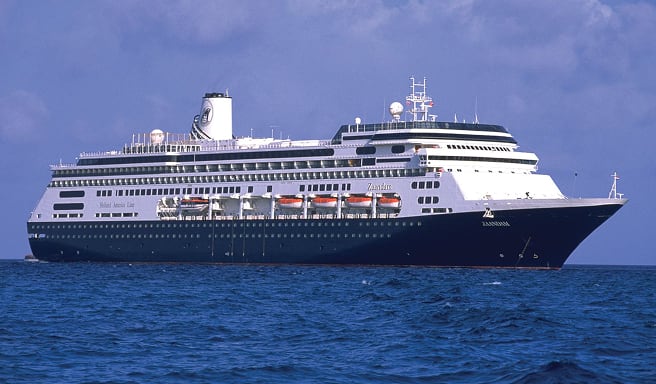
Built 2000
San Diego · Maui · Kona · Honolulu · Pago Pago · Apia · Fiji · Lautoka · Lifou · Nouméa · Mystery Island · Port Vila · Honiara · Rabaul · Alotau · Kiriwina Island · Cairns · Ribbon Reef · Darwin · Broome · Exmouth · Perth · Albany · Adelaide · Kangaroo Island · Melbourne · Hobart · Port Arthur · Sydney · Milford Sound · Dunedin · Timaru · Wellington · Tauranga · Auckland · Bay of Islands · Nuku'alofa · Bora Bora · Raiatea · Moorea · Tahiti · Fakarava · Nuku Hiva
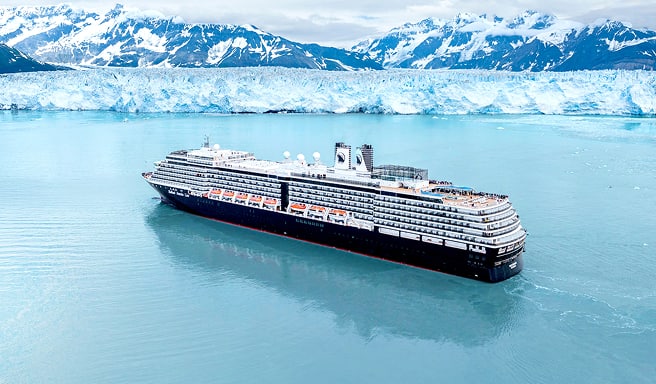
Built 2004
Sydney · Tangalooma · Townsville · Cairns · Alotau · Kiriwina Island · Rabaul · Honiara · Santo · Port Vila · Mystery Island · Lautoka · Fiji · Nuku'alofa · Bay of Islands · Auckland · Tauranga · Napier · Wellington · Picton · Christchurch · Dunedin · Hobart · Melbourne
Built 2004
Sydney · Tangalooma · Townsville · Cairns · Alotau · Kiriwina Island · Rabaul · Honiara · Santo · Port Vila · Mystery Island · Lautoka · Fiji · Nuku'alofa · Bay of Islands · Auckland
Built 2002
Honolulu · Kauai · Pago Pago · Fiji · Dravuni Island · Port Vila · Luganville · Rabaul · Kiriwina Island · Alotau · Cairns · Airlie Beach · Brisbane · Sydney
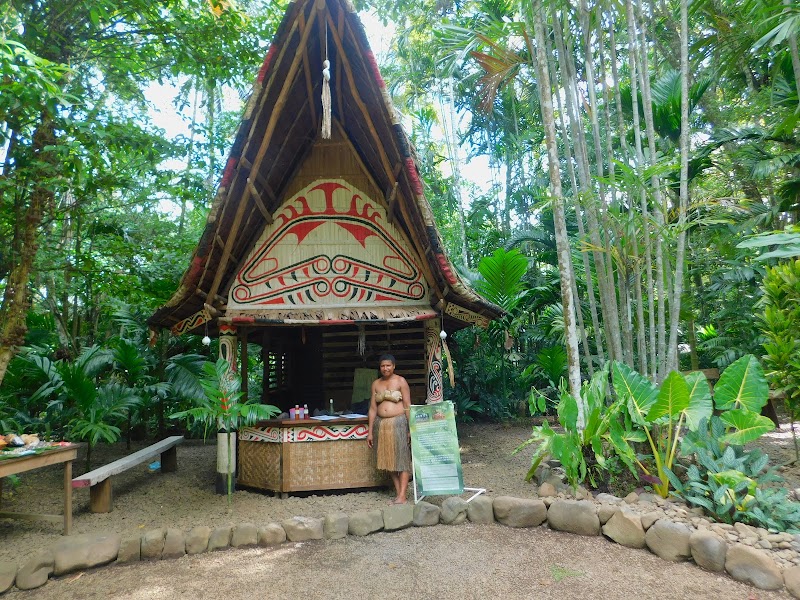
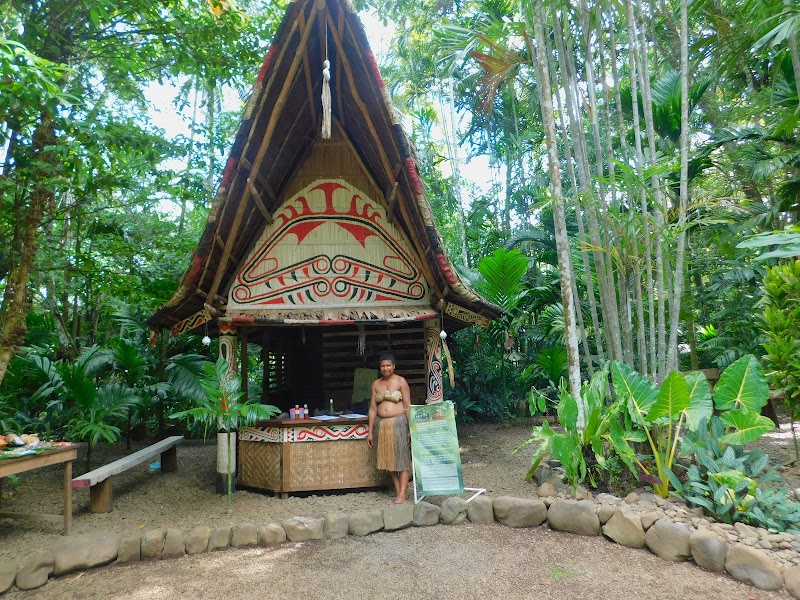
A Lakwahala Village Tour is for passengers who want a hosted cultural day rather than a quick look from the roadside. The experience centers on Hiri Moale dance, sing sing performances, canoe rides, and food, so it is more immersive than a town wander and more social than a museum stop. Prioritize it if your best cruise days involve people, rhythm, and ceremony. The key is not to stack it with every other cultural option. Let the visit breathe, and treat the welcome as the main event instead of a box to tick before rushing onward.
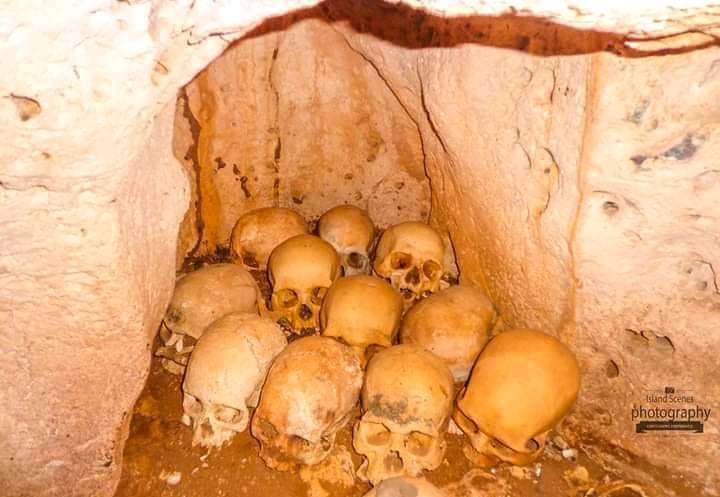
Kaloi Cultural Village overlaps with Lakwahala in the broad sense that both are built around cultural exchange, but the details give it a different feel. Expect welcome rituals, longhouse visits, craft demonstrations, archery, and fire dance, which makes it a strong choice for travelers who want variety in one guided setting. It is especially useful for cruise passengers who like their day structured, visual, and easy to follow. If you are choosing between village tours, think about what you are drawn to: performance and canoe elements at Lakwahala, or crafts, longhouse time, and staged demonstrations at Kaloi.
The Buccaneer Islands Day Cruise is the obvious reset button if your itinerary needs water. This is a speedboat day built around snorkeling reefs, coral gardens, fish, and picnic beaches, so it fits travelers who want the port to feel active and sunlit rather than town-based. Because it is an island-hopping plan, treat it as your main event, not something to squeeze around a museum or market-heavy morning. It is the Alotau choice for swimmers, snorkelers, and anyone who would rather come back salty than loaded with souvenirs.
Cape Nelson is the offbeat nature play: a drive toward a mission station with jungle views, birding potential, and orchids along the way. It suits travelers who are happy trading the denser energy of town for a slower, greener excursion. This is not the pick if you need constant activity or a guaranteed swim; it is for people who like looking out the window, spotting details, and letting the landscape set the pace. Among Alotau options, it is the one that feels most removed from the obvious cruise-port script.
Speedboat to snorkel reefs and picnic beaches. Coral gardens and fish. Island hopping adventure.
Drive to mission station with jungle views and birding. Orchid spotting. Offbeat nature.