Three passengers die in reported hantavirus outbreak aboard MV Hondius
Health specialists discussed transmission and quarantine measures as proposed plans called for a medical evaluation in Spain’s Canary Islands.
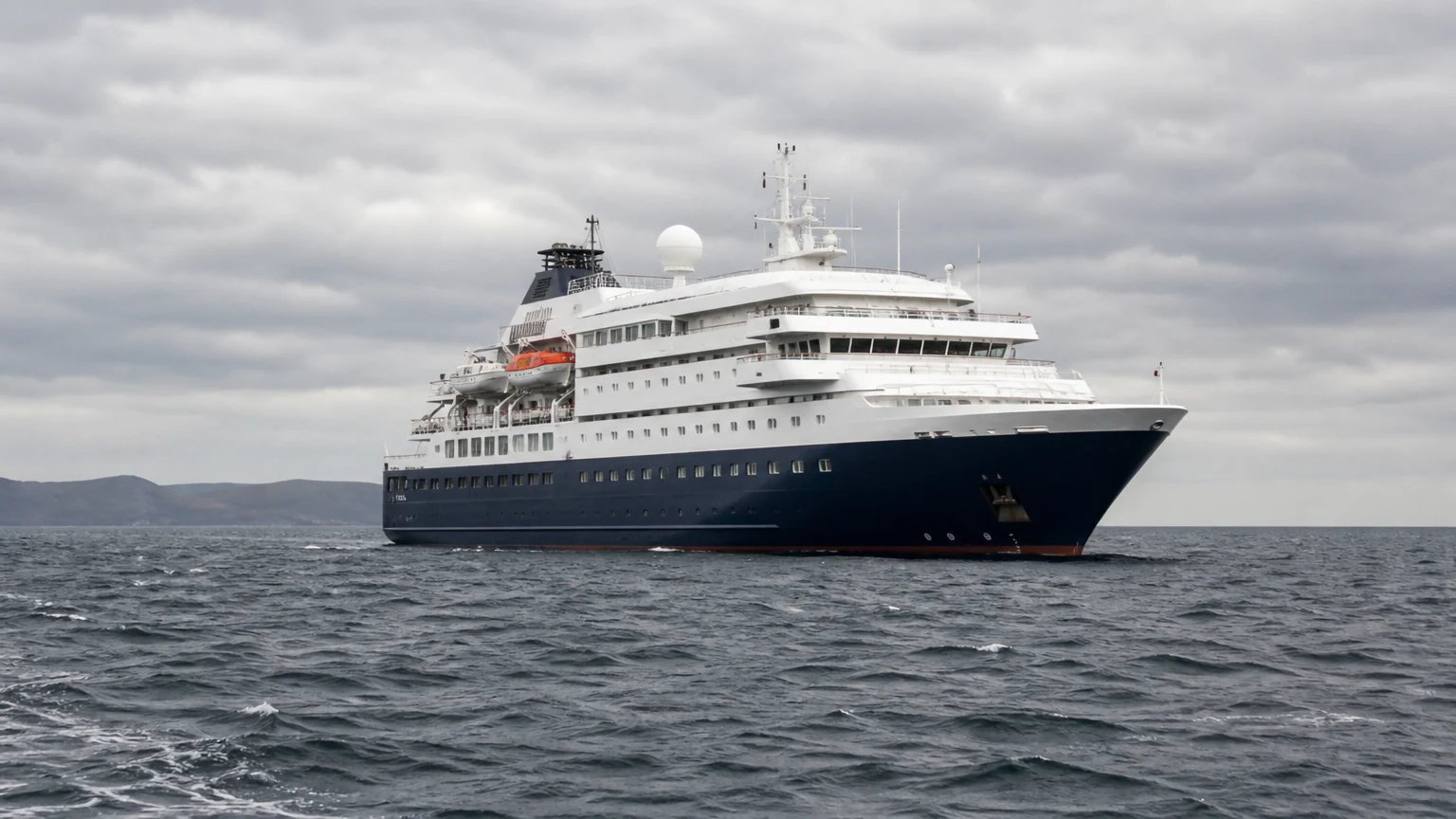
A reported hantavirus outbreak aboard MV Hondius has killed three passengers and sickened at least four others. The World Health Organization said no rodents had been found aboard, although people commonly contract the disease through contact with the feces, urine or saliva of infected rodents.
Donna A. Patterson, a Delaware State University professor, said the outbreak appeared likely to involve the Andean strain of hantavirus. She said that strain can spread between people under certain conditions, particularly in close quarters.
The ship left Argentina on March 20 for an Antarctica voyage and, according to the report, had been stranded off West Africa since Monday. Proposed plans would allow it to dock in Spain’s Canary Islands for medical evaluation.
Dr. Raymond Alvarez said that if the initial infections originated aboard the ship, the risk of continued transmission would be greater and stronger containment measures would be necessary. Patterson said hantavirus quarantine typically averages three to four weeks, while Alvarez said precautionary isolation may last four to five weeks to monitor exposed people and limit further spread.
Patterson also said a shore-based facility would be required to isolate or quarantine passengers as needed before they could disembark safely and without increasing risks to local communities.