Season, ship size shape expedition cruise experiences
Travelers weighing expedition voyages may find that destination timing, water levels and vessel capacity influence access and activities.
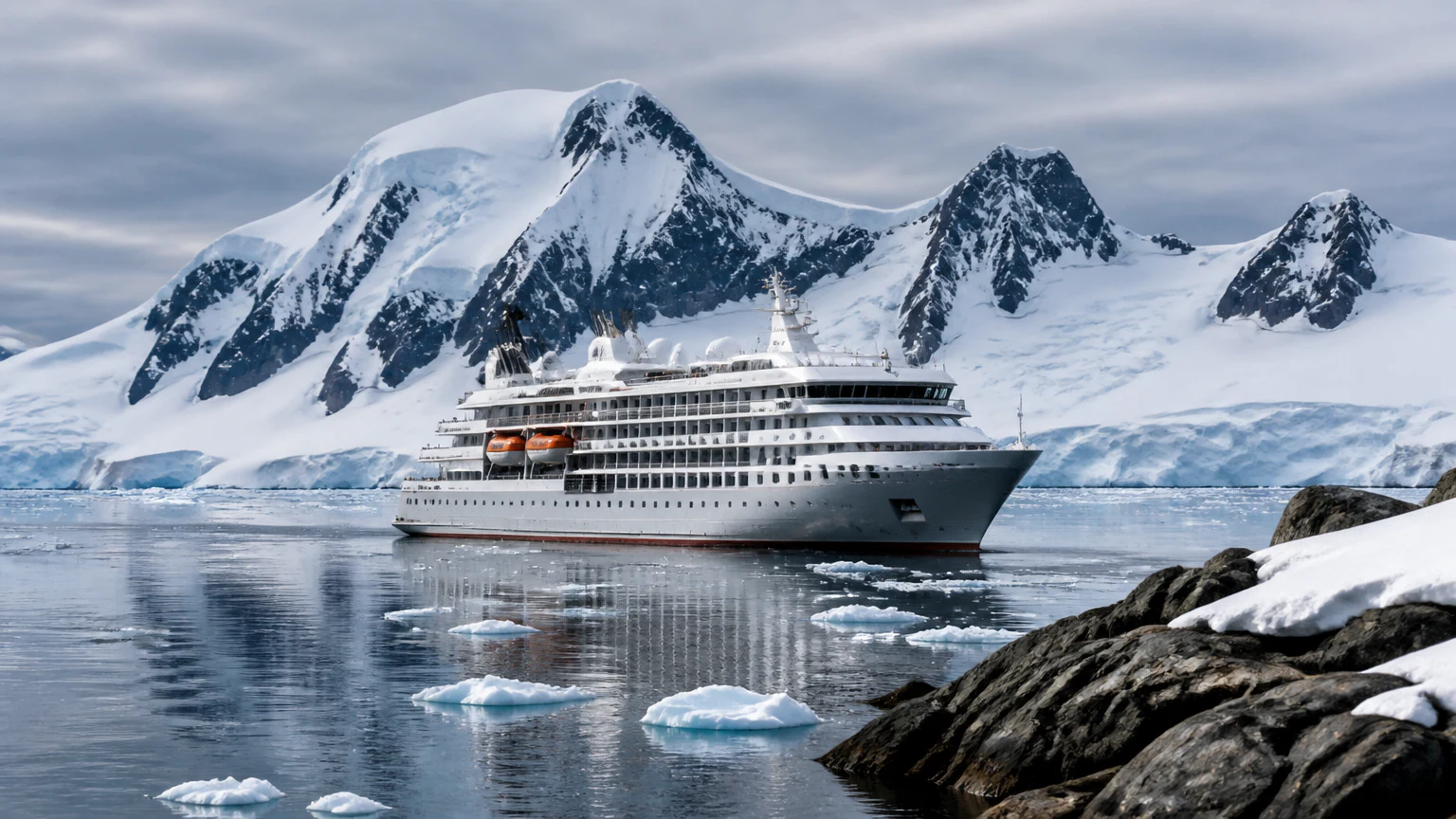
Expedition cruises commonly focus on nature and wildlife in destinations best reached by water, including Antarctica, the Arctic and the Peruvian Amazon. Other itineraries are built around a region’s history, culture, architecture or arts.
Timing varies by destination. Expedition ships generally visit the Arctic and Alaska from late spring through summer, while the Antarctic cruise season usually spans the austral summer, roughly from October to March. On river itineraries, high- and low-water seasons can affect wildlife sightings, surrounding landscapes and access to some locations.
Many expedition vessels accommodate fewer than 200 guests. Their smaller size can allow them to enter places unavailable to larger ships. In Alaska, for example, smaller vessels may navigate narrow waterways along the Inside Passage and anchor in secluded coves that larger cruise ships cannot access.
These ships also typically provide expert-led shore excursions. The experts generally remain with the group for the duration of the voyage, allowing observations and discoveries made on successive days to build on earlier experiences.