Royal Caribbean policy outlines confinement and removal measures
The cruise company says serious safety or security concerns can lead to restricted privileges, stateroom confinement or removal from a ship.
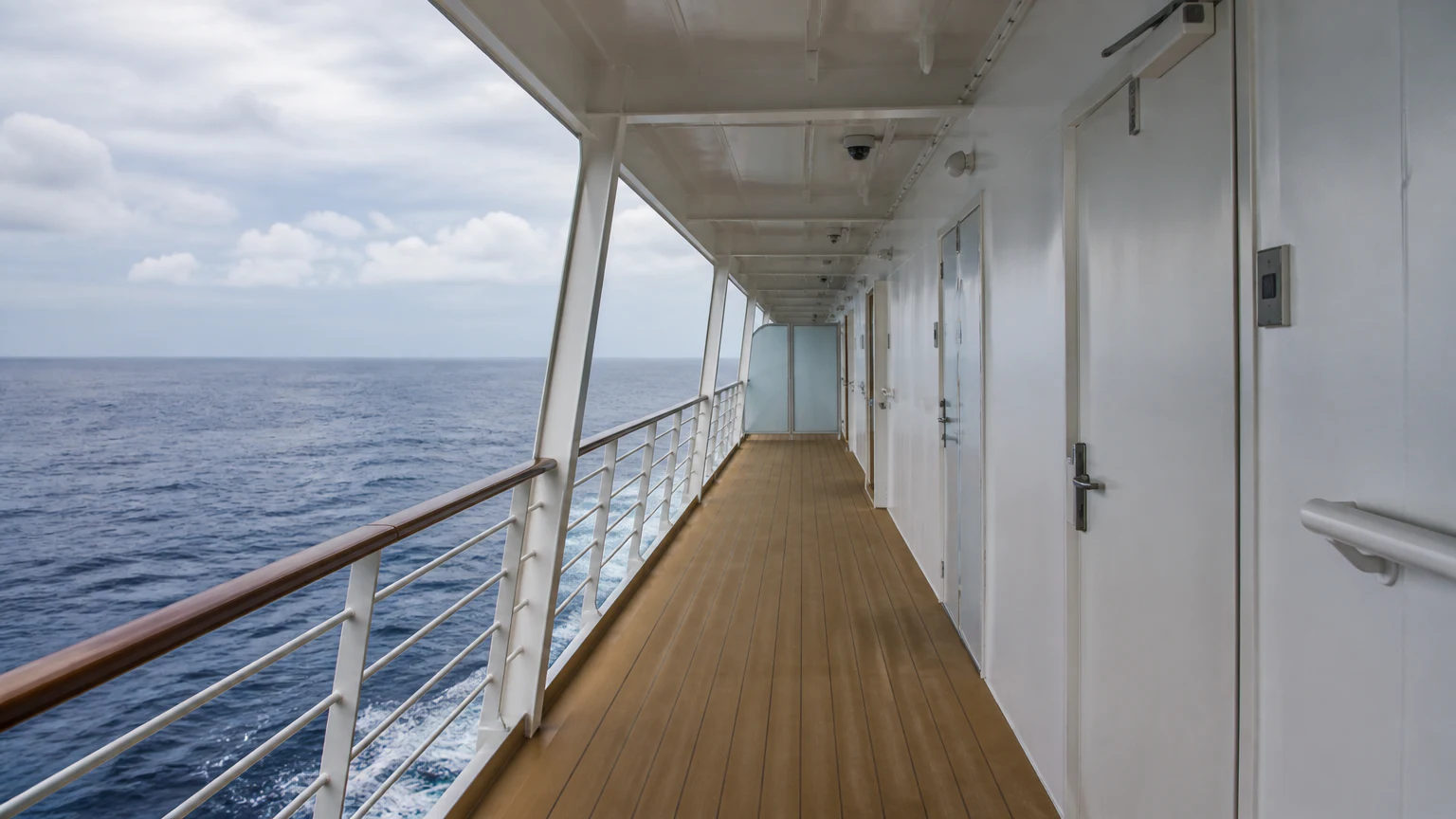
Royal Caribbean Group says it may temporarily confine guests whose conduct it considers a health, safety or security concern. Its guest conduct policy lists potential responses including intervention by ship security or law enforcement, reports to authorities and limits on onboard privileges.
For more serious incidents, the policy permits confinement in a guest’s stateroom or placement in a holding cell. Passengers may also be removed from a vessel, depending on the circumstances and the assessed level of risk.
Cruise ships also maintain morgue facilities. The Centers for Disease Control and Prevention’s Yellow Book says those facilities can be used to manage the remains of travelers who die during a voyage. Federal regulations require ships sailing from a foreign port to a U.S. port to notify the CDC immediately of deaths aboard.
Cruise Lines International Association said travelers older than 60 accounted for 34% of ocean-cruise passengers worldwide in 2025. The association put the average passenger age at 46.7.