Economist warns cruise property sales could pose risk for The Bahamas
Rupert Pinder urged greater focus on visitor spending and more transparency in tourism expenditure data.
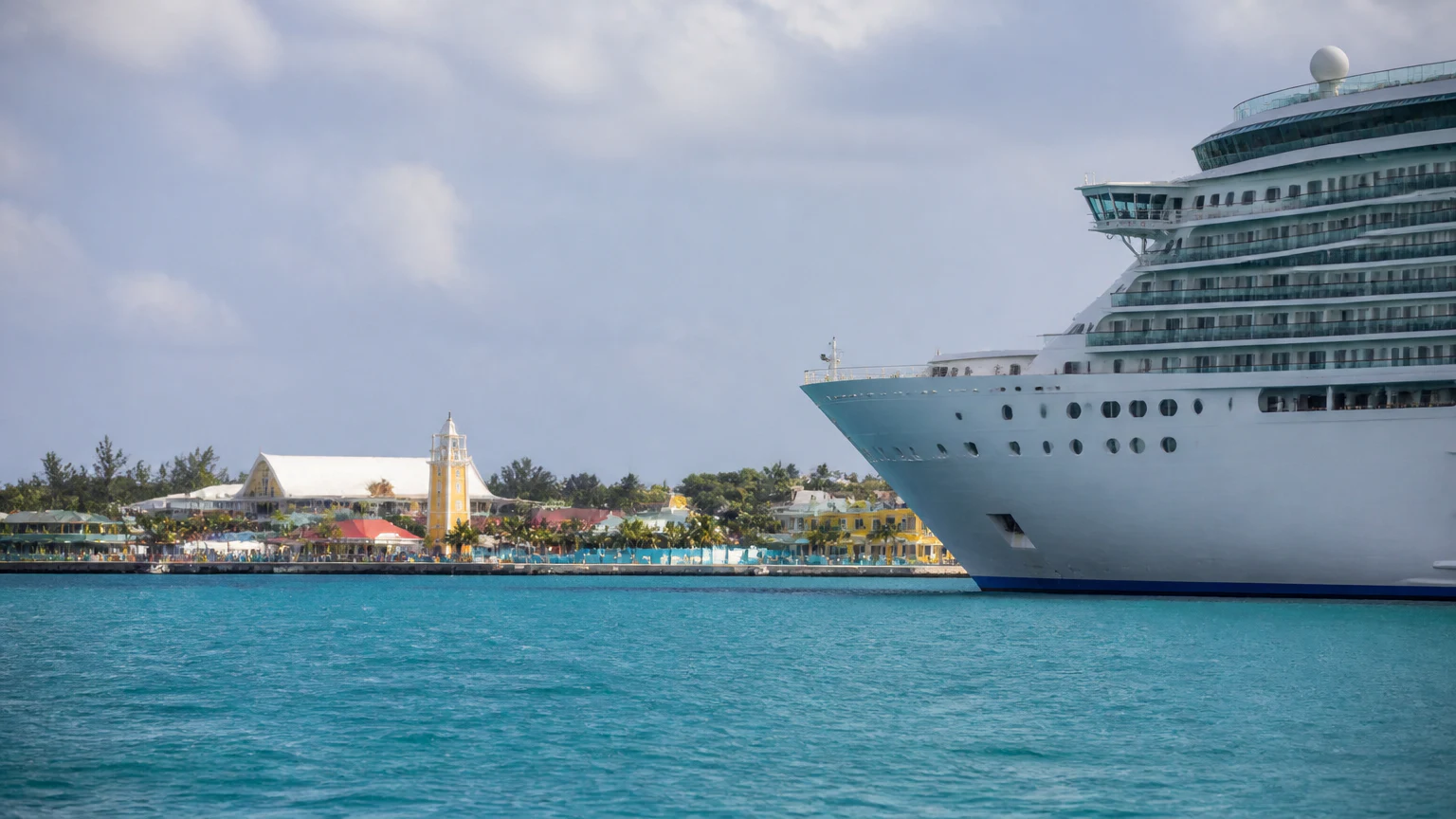
University of The Bahamas economist Rupert Pinder has warned that continued sales of Bahamian real estate to cruise companies could create an economic vulnerability, questioning whether the practice is sustainable over the long term.
Pinder estimated that cruise passengers contribute about $60 to $70 per person to the Bahamian economy, compared with roughly $1,700 to $2,100 for each stopover visitor. He argued that tourism performance should therefore be assessed through visitor expenditure rather than arrival totals alone.
According to Pinder, stopover arrivals have slipped from approximately 1.7 million to 1.69 million. Although he described the numerical decline as slight, he emphasized that spending levels are more economically significant than the number of people entering the country.
Pinder also said tourism expenditure figures have not been reported for the past four years, leaving arrival statistics without corresponding spending data. He called for greater visibility into expenditure figures so the public can evaluate performance and accountability.
Despite those concerns, Pinder said tourism is expected to remain The Bahamas’ principal business for the foreseeable future, regardless of broader discussions about diversifying the economy.