Cruise lines chart course for larger ships
New orders across major fleets continue a long-term rise in vessel volume and passenger capacity.
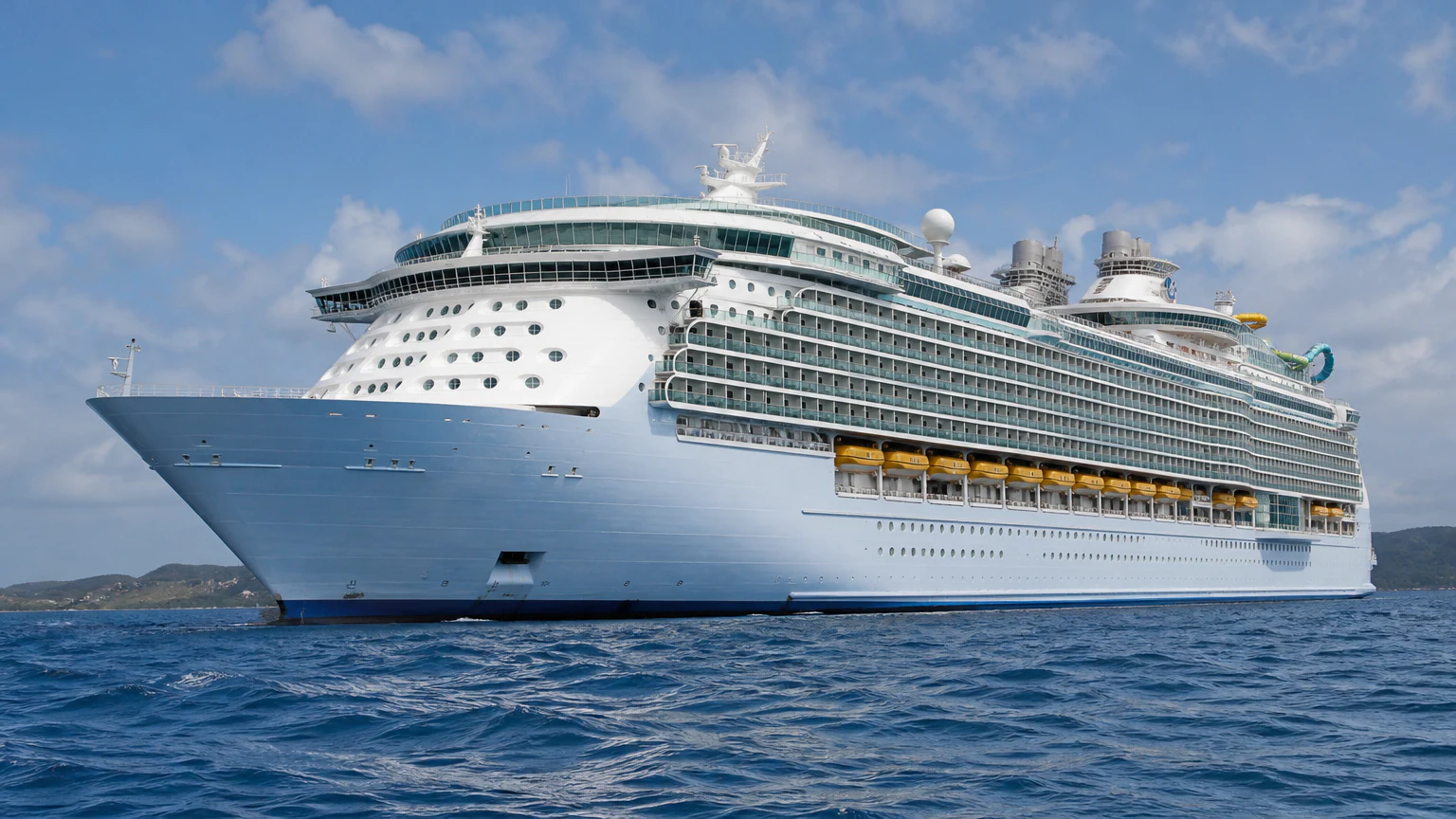
Cruise ships have expanded substantially since 2000, when Royal Caribbean’s Voyager of the Seas was the world’s biggest vessel at 137,276 GT. The report says the 10 largest ships have since doubled in volume on average.
Royal Caribbean’s Icon of the Seas is 248,663 GT, 364.75 metres long and has 20 decks. Its maximum capacity is 5610 passengers and 2350 crew. The report also says two additional Icon-class ships are on order.
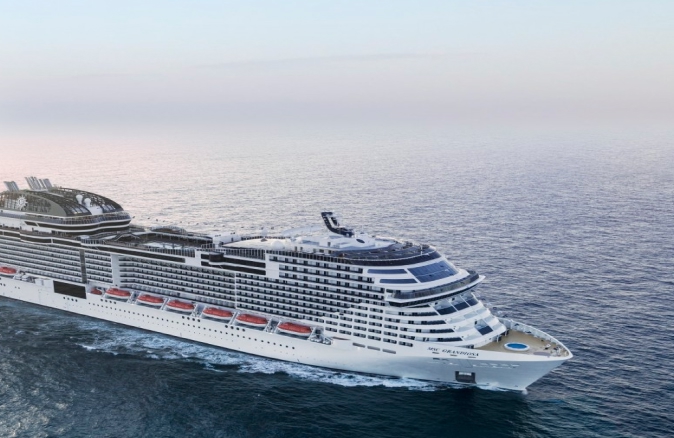
Other operators are planning more high-capacity vessels. Norwegian Cruise Line intends to launch four 225,000-GT ships in the 2030s, each carrying 5000 passengers. MSC World Europa carries 6762 passengers, while several more MSC World-Class vessels are under construction or on order.
Carnival Cruise Line is scheduled to receive the first of three 230,000-GT ships in 2029. Each will have capacity for 8000 passengers.
Growth is also reaching smaller luxury fleets. Viking’s most recent ocean ships carry 998 guests, while Silversea’s Evolution-class vessels accommodate 728 passengers. Regent Seven Seas plans to launch the 850-passenger Seven Seas Prestige late in the year. The report says the world’s biggest ships operate mainly in the Caribbean and, to a lesser extent, the Mediterranean.