Coach and rail constraints challenge cruise tourism growth plans
A report identifies transport capacity gaps in New Zealand, Japan and Saudi Arabia as each country pursues broader visitor targets.
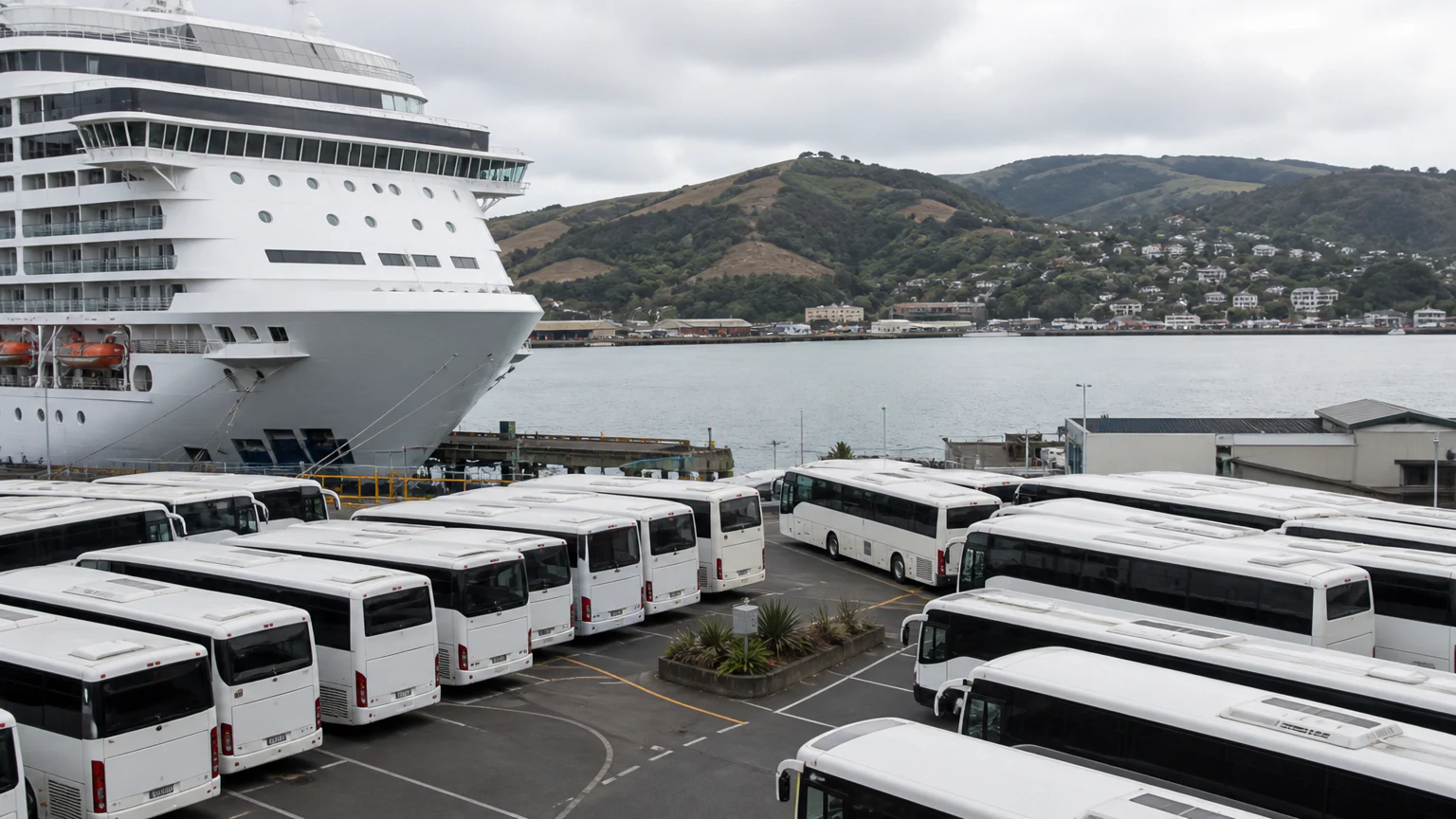
New Zealand’s Ministry of Business, Innovation and Employment aims to increase international travel export value from NZ$9.9 billion in 2023 to NZ$19.8 billion by 2034, according to the report. However, it estimates Tauranga would need 64 coaches when 4,000 disembarking passengers produce a 50% excursion rate, compared with 35 locally available vehicles—a 45% shortfall.
In Dunedin, the report says maintenance backlogs on the Taieri Gorge Railway restrict inland cruise excursions valued at NZ$180 to NZ$350 per passenger. It estimates that thousands of visitors instead remain near the port, where walks generate spending of NZ$20 to NZ$50.
Japan’s Vision 2030 sets goals of 60 million international visitors, ¥15 trillion in visitor spending and more than 60% of cruise calls at secondary ports, the report states. Kanazawa is estimated to have 40 coaches available against 61 needed for a 3,800-passenger call, a 34% deficit. Driver-hour rules and a shortage of licensed guide-interpreters also constrain regional tours at secondary ports.
Saudi Arabia’s revised Vision 2030 roadmap targets 150 million annual domestic and international visitors and a 10% contribution to GDP, while Cruise Saudi expands hubs at Jeddah, Yanbu and Dammam. The report estimates Yanbu has 25 coaches against 51 required for a 3,200-passenger call, limiting excursions to AlUla and Al-Balad.