Alaska shifts cruise pollution inspections to every other year
State officials say discharge limits and reporting rules remain unchanged under the revised schedule.
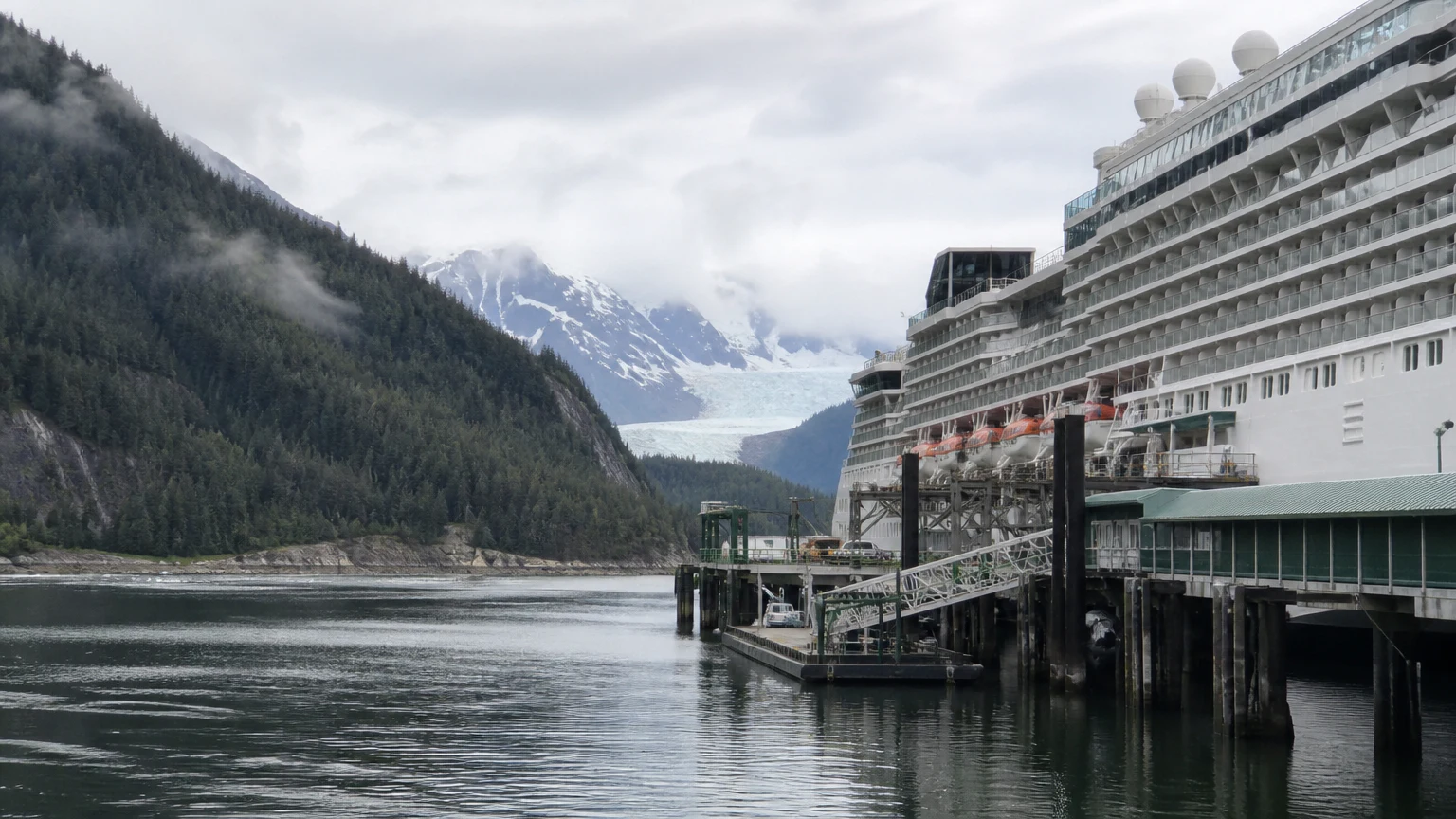
Alaska began inspecting cruise ships for pollution violations every other year instead of annually as of July 1, according to Department of Environmental Conservation officials. Commissioner Randy Bates said the change took effect with the current fiscal year and was made without a public notification process.
Bates attributed the decision to financial and regulatory considerations, noting that DEC does not inspect other regulated industries, including mining, oil, seafood and timber, every year. He said cruise-line discharge limits and monitoring and reporting obligations have not changed.
Under the Commercial Passenger Vessel Environmental Compliance program, vessel owners and operators must continue to register annually, pay compliance fees, and provide voyage reports, sampling plans and discharge logs.
A cited April news report said DEC recorded 21 instances in which cruise ships failed to meet wastewater regulations in 2025. It also reported that Ocean Ranger observers documented 56 wastewater violations and 40 oil-pollution violations in 2018.
The state continues to collect a voter-approved $4 per-passenger berth fee through the Ocean Ranger program. The money is being redirected to other purposes, including potential electrical connections at cruise docks in Juneau and Ketchikan that would allow ships to plug into shore power while berthed. Separately, Carnival Corp. has argued that DEC regulates sewage and greywater but lacks authority over scrubber exhaust discharges. Bates challenged that reasoning after the company withheld related data from the state.