AIDA Shares Guidance for Managing Seasickness at Sea
Meal choices, cabin location and simple visual cues may help passengers manage motion-related discomfort during a cruise.
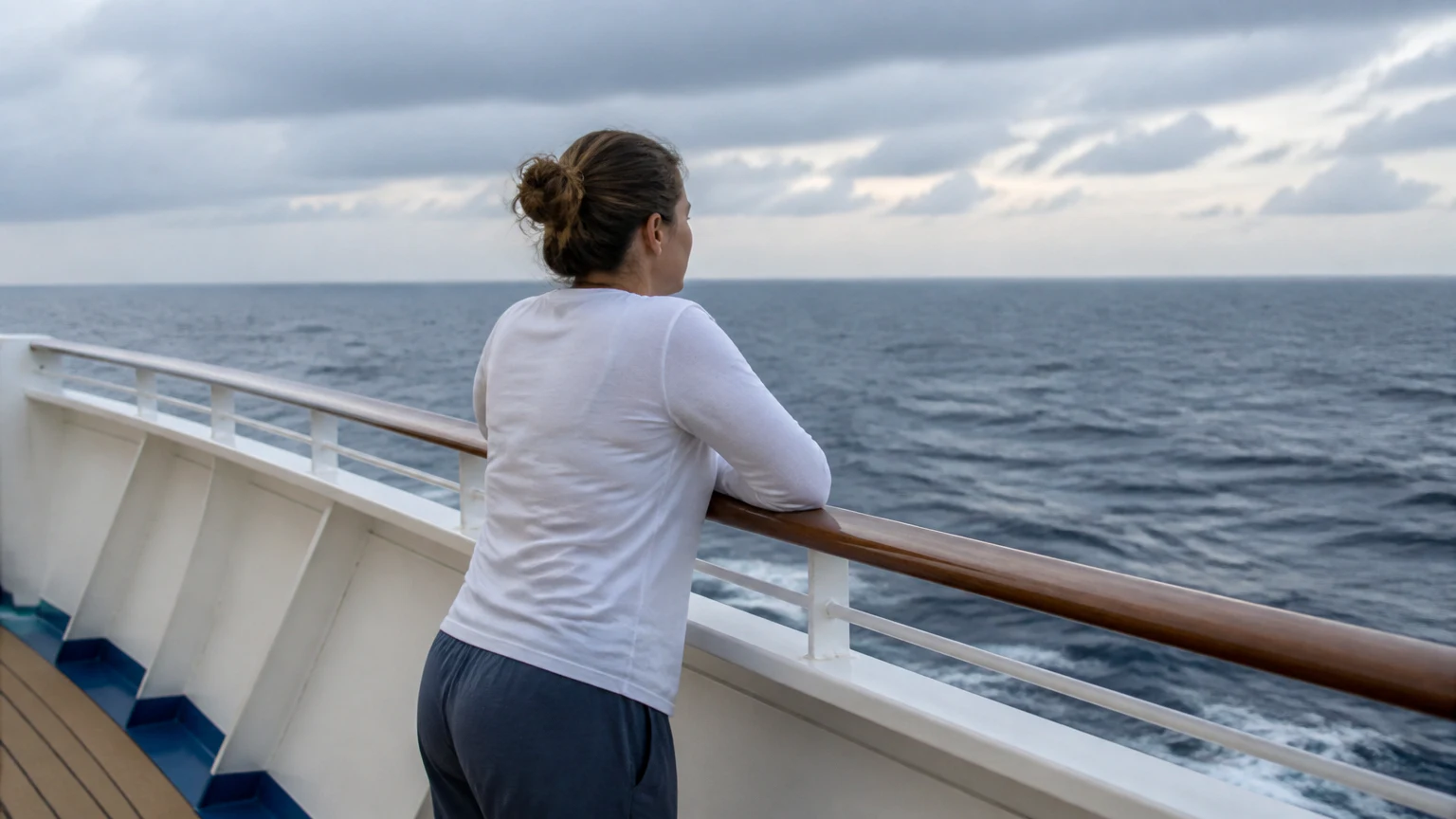
AIDA Cruises advises passengers who are prone to seasickness to eat small, light meals while avoiding fatty foods and alcohol. The cruise line says travelers should seek a balance because both an excessively full stomach and a completely empty one may worsen discomfort when symptoms begin.
Similar guidance from the MSD Manual recommends small portions of low-fat, unseasoned food and avoiding alcohol before travel. However, there is no conclusive evidence that eliminating foods rich in histamine prevents seasickness.
Other measures may also help once symptoms appear. Germany’s ADAC recommends moving into fresh air and focusing on the horizon. AIDA also suggests considering cabin position, noting that a ship’s movement can feel more pronounced near the bow and stern.
Medication options for preventing or treating motion sickness include products containing dimenhydrinate, diphenhydramine or meclizine. Scopolamine patches are available in some countries. Access and prescription rules differ by destination, and passengers who have medical conditions or use other medications are advised to consult a doctor or pharmacist before traveling.